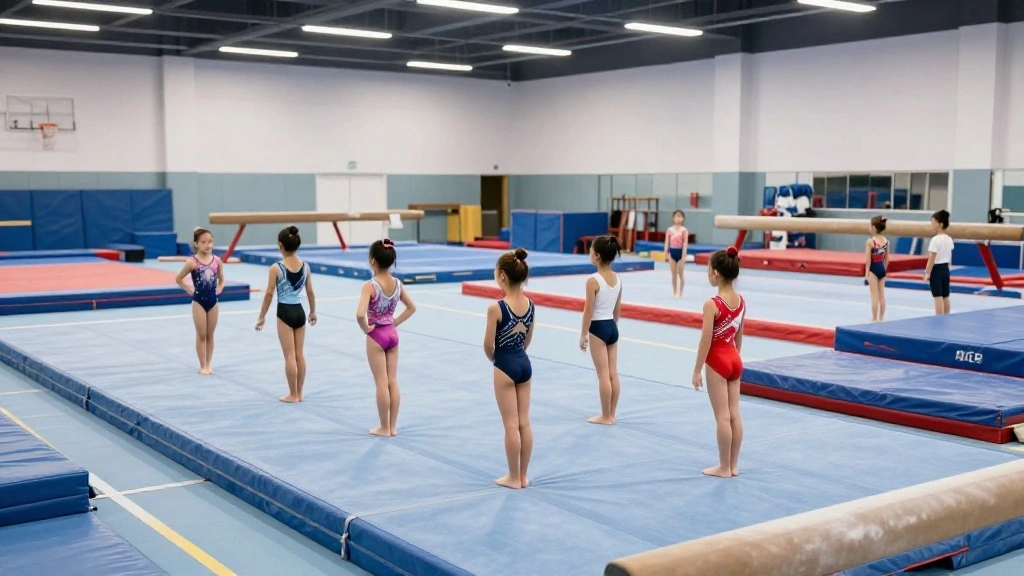
Learning gymnastics can be an exhilarating experience, filled with joy and accomplishment. This post comes from my passion for sharing the keys to mastering gymnastics skills as a beginner. I know how daunting it can feel when you’re just starting out and unsure of where to begin. That’s why I’ve put together this comprehensive guide, covering the 20 basic gymnastics skills every beginner should learn in the right order. Think of this as your roadmap to building a solid foundation in gymnastics.
If you’re someone who has always admired gymnasts or perhaps you’re just looking for a new way to stay active, this guide is tailored for you. You’ll find clear instructions and tips that will help you progress safely and effectively. Whether you’re training for fun or aiming for competitive gymnastics, this list will keep you organized and motivated.
By the end of this post, you’ll have a structured path to follow, ensuring you learn the essential skills step by step. You’ll discover not only the skills themselves but also the importance of safety and conditioning. With a little patience and practice, you’ll be well on your way to impressing friends and family with your newfound abilities!
Key Takeaways
– Start with foundational skills like the Forward Roll and Backward Roll to build confidence and balance.
– Introduce important movements like the Handstand and Cartwheel to enhance your body awareness and coordination.
– Focus on jumps and leaps such as the Straddle Jump and Tuck Jump to improve your overall agility and power.
– Practice essential conditioning exercises to strengthen your body and prevent injuries as you progress to more complex skills.
– Always prioritize safety and proper spotting techniques to ensure a secure learning environment while advancing through the skills.
1. Forward Roll
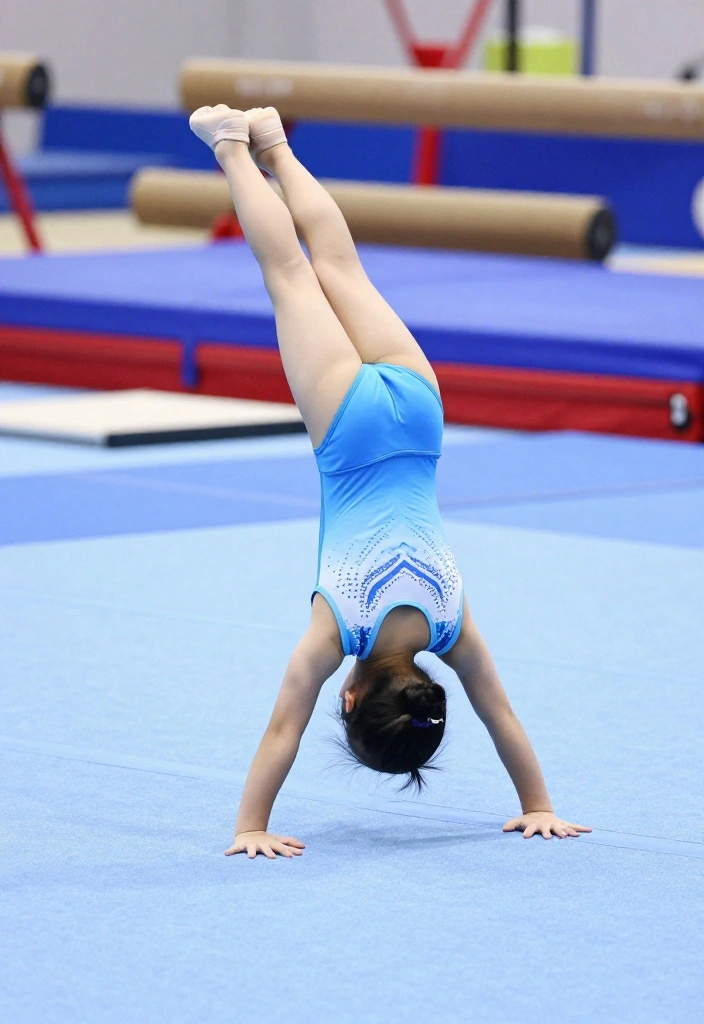
The forward roll is a fundamental gymnastics skill that every beginner should master. It’s simple yet effective in developing body awareness and coordination, laying the groundwork for advanced moves. By rolling forward, you learn to tuck your chin and round your back, ensuring a safe and controlled motion.
Practicing forward rolls also enhances your balance, as it requires you to manage your weight effectively. Start on a soft mat to cushion your falls, and remember to keep your limbs tightly tucked to avoid bumps. Keeping your feet together during the roll creates a smoother movement, making it easier to execute. With regular practice, you’ll gain confidence and fluidity in this essential skill.
2. Backward Roll
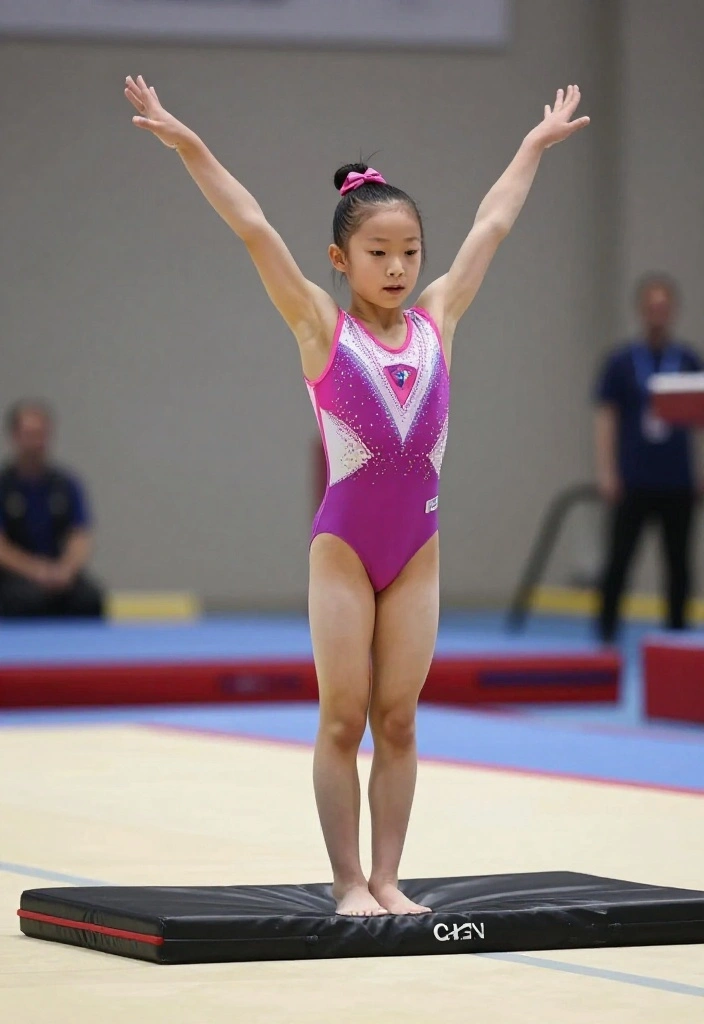
The backward roll is just as crucial as the forward roll, helping you improve your backward motion and control. This skill is foundational for many advanced gymnastics maneuvers. To perform it, begin by lying on your back, tucking your knees to your chest, and pushing off the floor with your feet while rolling backward.
Keep your chin tucked to avoid straining your neck. If needed, practice with a spotter or use a foam wedge for added confidence. As you become more comfortable, focus on straightening your legs and refining your landing, which will enhance your overall technique and prepare you for more challenging skills.
3. Handstand
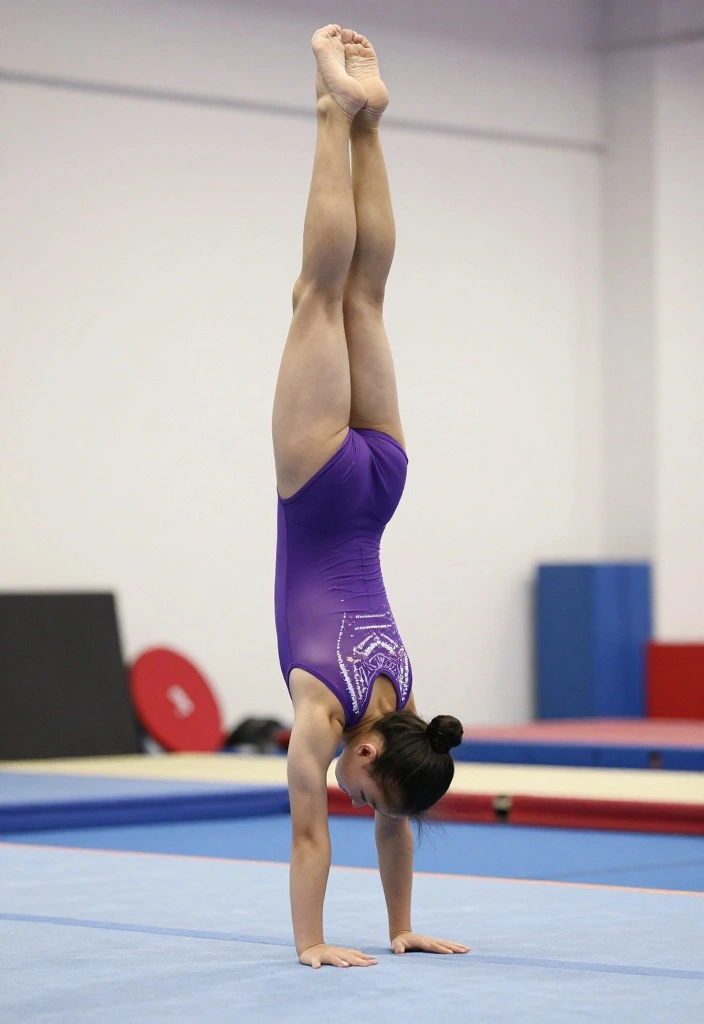
The handstand is a key gymnastics skill that significantly improves your strength and balance. Although it may seem intimidating at first, consistent practice will help you master it. Start by facing a wall, placing your hands shoulder-width apart, and gently kicking your feet up.
As you practice, keep your body tight and straight, ensuring your legs are fully extended. Using a wall for support is beneficial for beginners. To advance, work on performing handstands in the middle of the floor, utilizing a spotter if necessary. Incorporating wall walks can strengthen your arms and shoulders, which are essential for achieving that perfect handstand.
4. Cartwheel
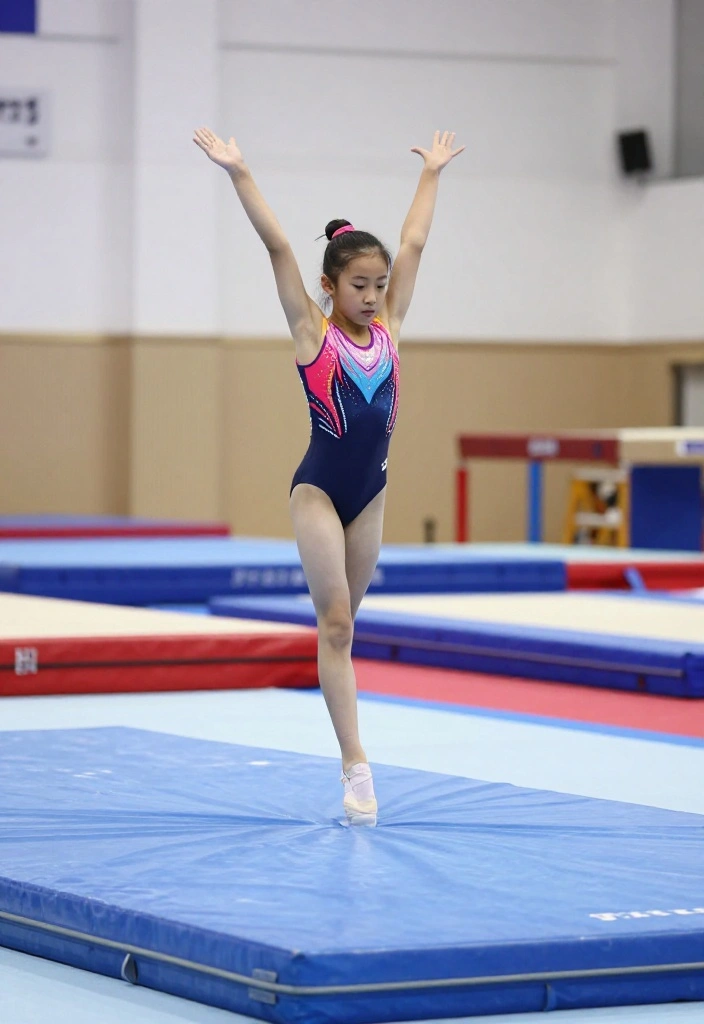
The cartwheel is an exciting skill that enhances your coordination and agility while looking impressive at the same time. To begin, position yourself sideways with your arms raised above your head. Kick off with your leading leg and aim to keep your body tight, leading with your hands sequentially on the ground.
Practice on a mat for safety, and don’t hesitate to seek support from a coach or friend. Remember to land with your feet together for better balance. As you gain confidence, try cartwheeling across the floor for an added challenge!
5. Bridge
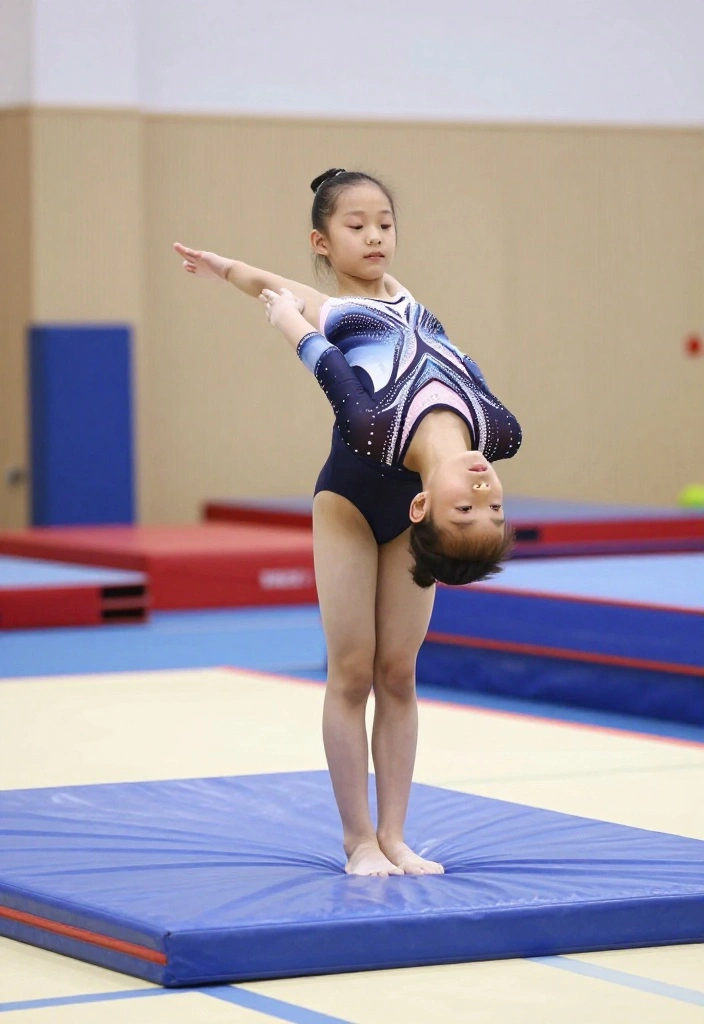
The bridge is a fantastic skill that builds flexibility and strength, particularly in your back and shoulders. To perform a bridge, lie on your back with your knees bent and feet flat on the ground. Place your hands beside your ears and push your hips upwards, creating an arch in your body.
This movement develops core strength and prepares you for advanced skills like back handsprings. Engage your legs and keep your feet firmly planted to avoid slipping. With regular practice, you’ll increase your flexibility, making this skill feel more natural over time.
6. Straddle Jump
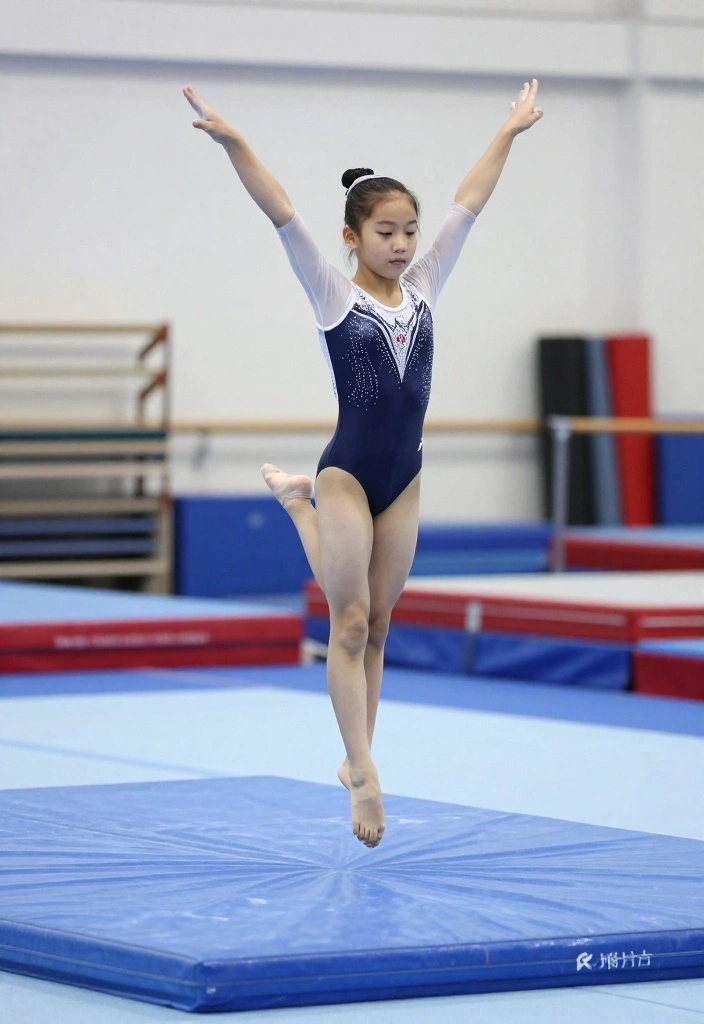
The straddle jump is a lively way to enhance your jumping technique while building leg strength. Start by bending your knees and swinging your arms back to create upward momentum. As you jump, extend your legs outward in a straddle position while reaching for the sky with your arms.
Focus on landing softly to ensure safety. This skill also boosts your overall coordination and can transition smoothly into other moves. For an added challenge, try incorporating a full twist!
7. Tuck Jump
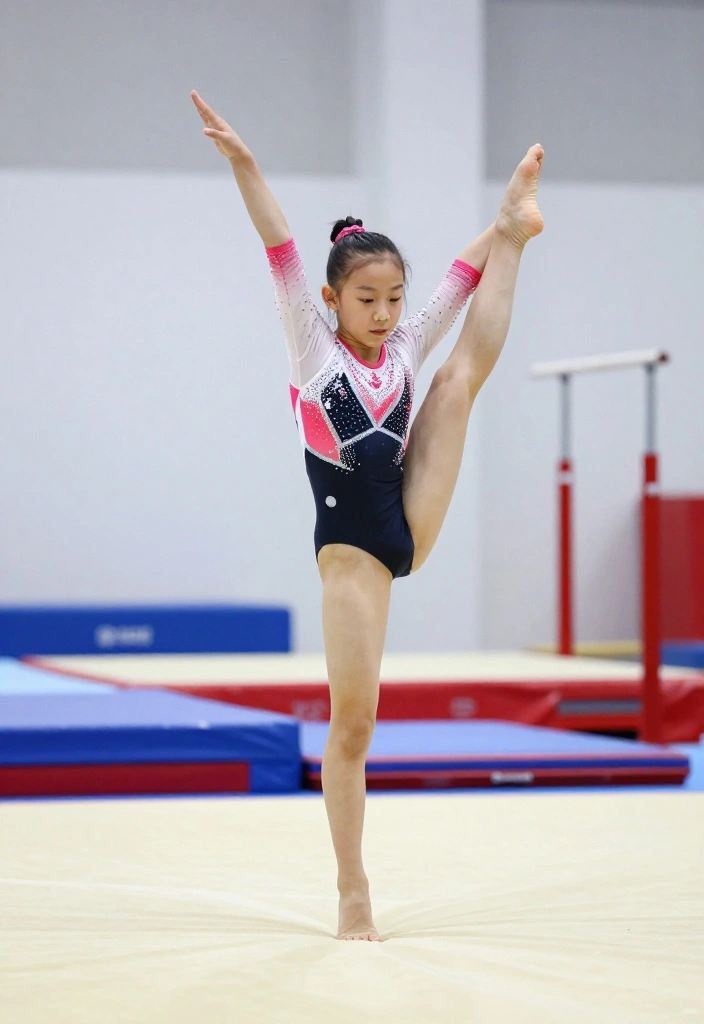
The tuck jump is a basic skill that fosters strength and flexibility, critical for your gymnastics journey. To perform this jump, leap straight up while drawing your knees to your chest. Keep your arms tucked in to help maintain balance. Start practicing on a soft mat, aiming for high knees and controlled landings.
This skill greatly improves your jumping ability and can be incorporated into various routines. As you build confidence, focus on increasing the height of your jumps and the fluidity of your movements.
8. Split Leap
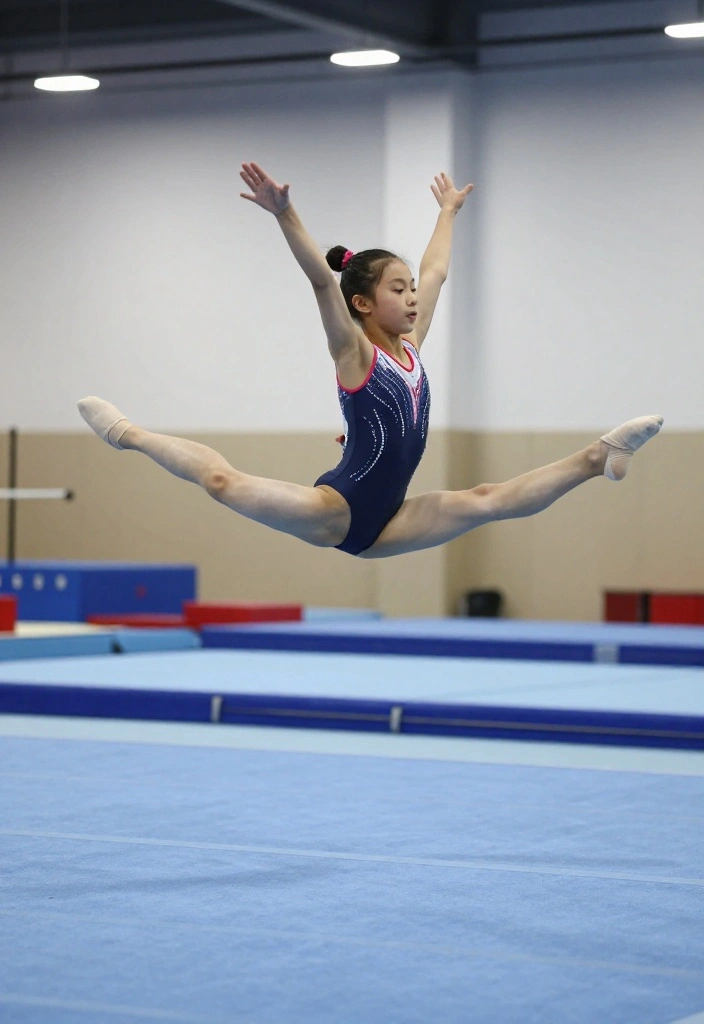
The split leap is a graceful skill that highlights your flexibility and strength. To master this leap, begin in a standing position and bend one knee. As you jump, extend one leg forward and the other backward to achieve a split position.
Focus on alignment and landing softly to maintain flow. Practicing on a mat will help you feel more secure as you learn this skill. With consistent effort, you can increase your flexibility and refine your technique, making it a stunning addition to your routines.
You might also like
9. Round-Off
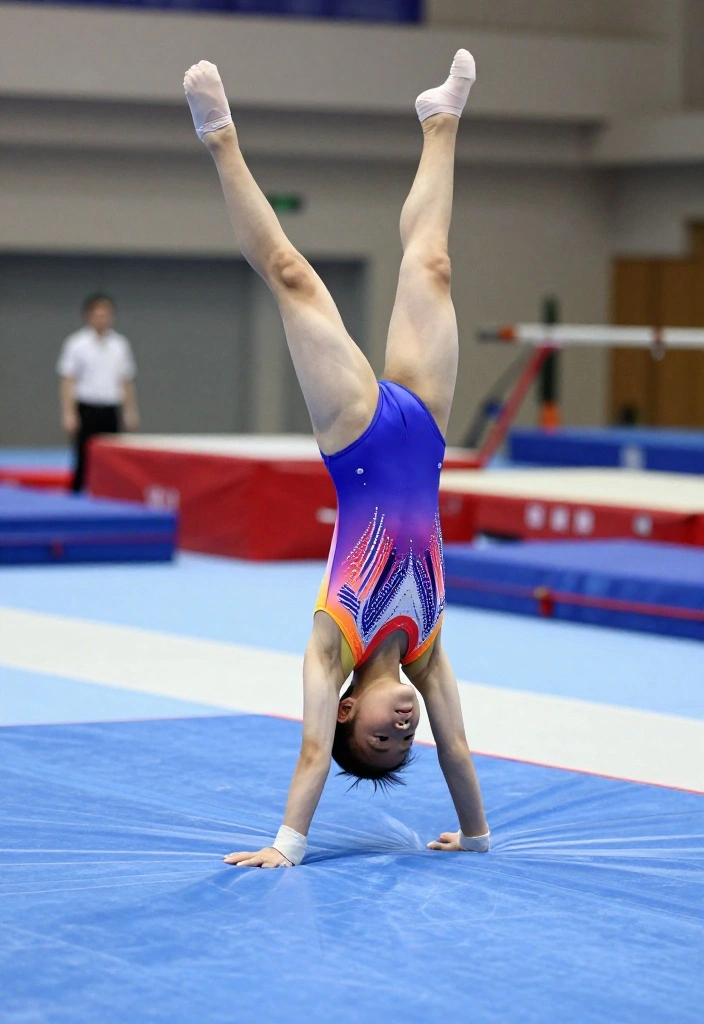
The round-off is a crucial transition skill that combines elements of a cartwheel and a back handspring, making it essential for advancing in gymnastics. To execute a round-off, start as you would for a cartwheel, but land both feet together, pushing off with your legs for momentum.
Practice this on a mat to ensure safety and build confidence. Focus on maintaining proper form, keeping your body tight and your head aligned with your spine. As you master this skill, transitioning into advanced moves will become easier.
10. Back Handspring
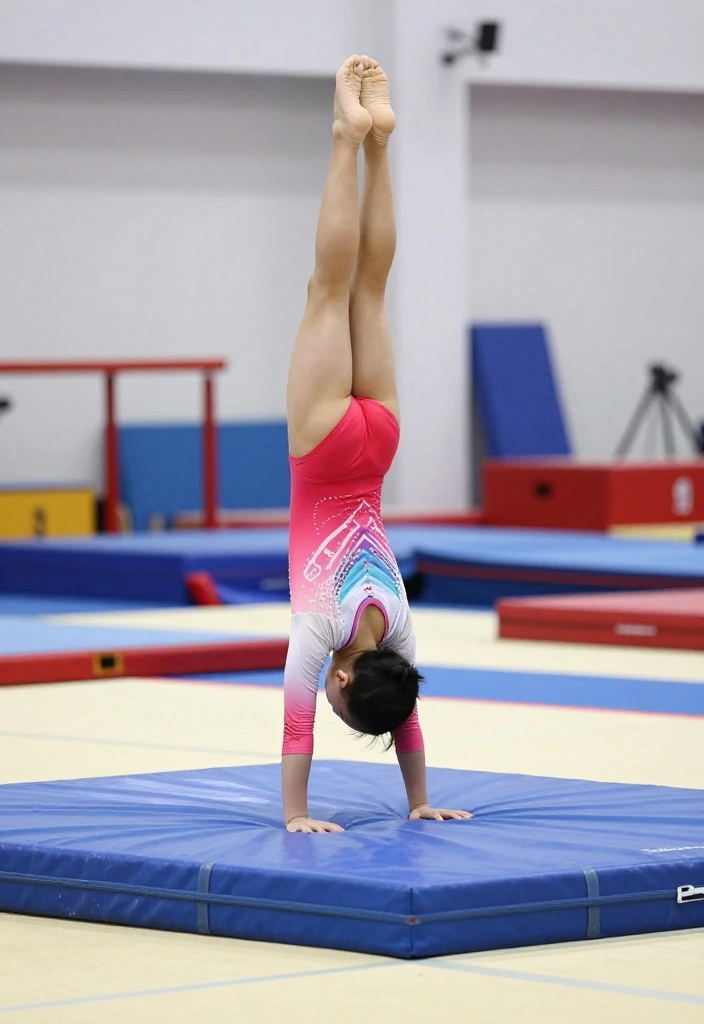
The back handspring is a dynamic skill that showcases strength and flexibility. This move involves jumping backward onto your hands and quickly pushing off to land on your feet. Begin by practicing a backbend to build confidence, then progress onto a mat for safety.
Engage your core and keep your limbs tight throughout the motion. Working with a coach for spotting can improve both your safety and technique. As you gain confidence, try incorporating this skill into your routines for an impressive flair.
11. Front Handspring
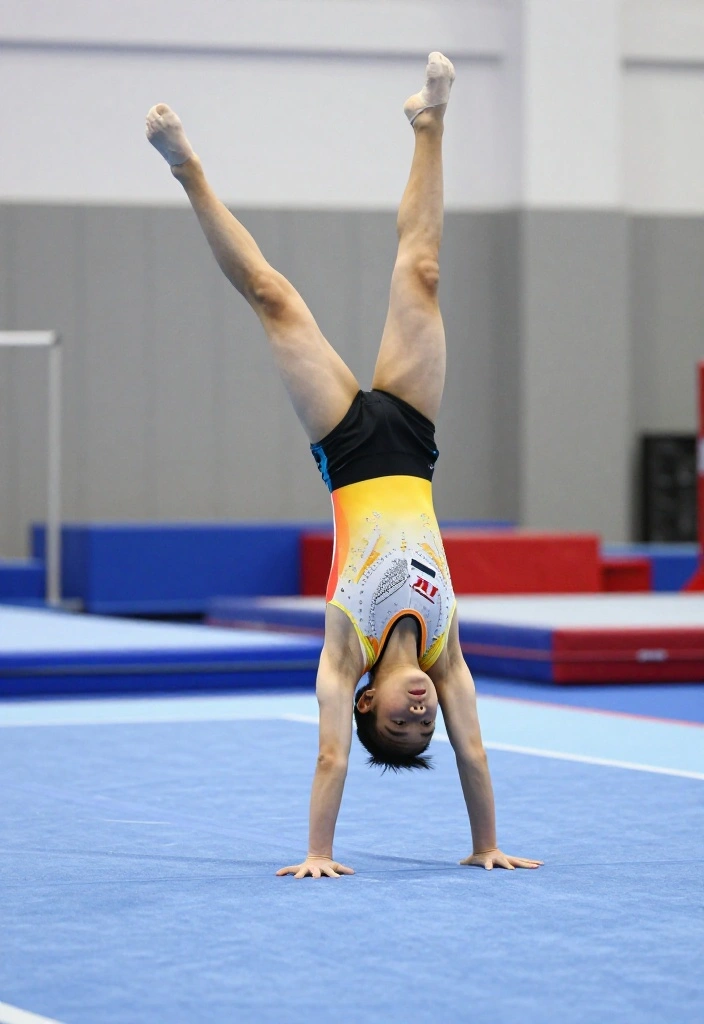
The front handspring is another thrilling skill that builds strength and coordination. This move requires you to jump forward onto your hands and land on your feet. Start with a proper run-up to generate speed and momentum.
As you prepare to jump, lean forward while pushing off your legs, aiming for a clean landing. Practicing on a soft mat helps you develop the necessary control. With enough repetition, this skill will become smoother and fit seamlessly into your routines.
12. Aerial Cartwheel
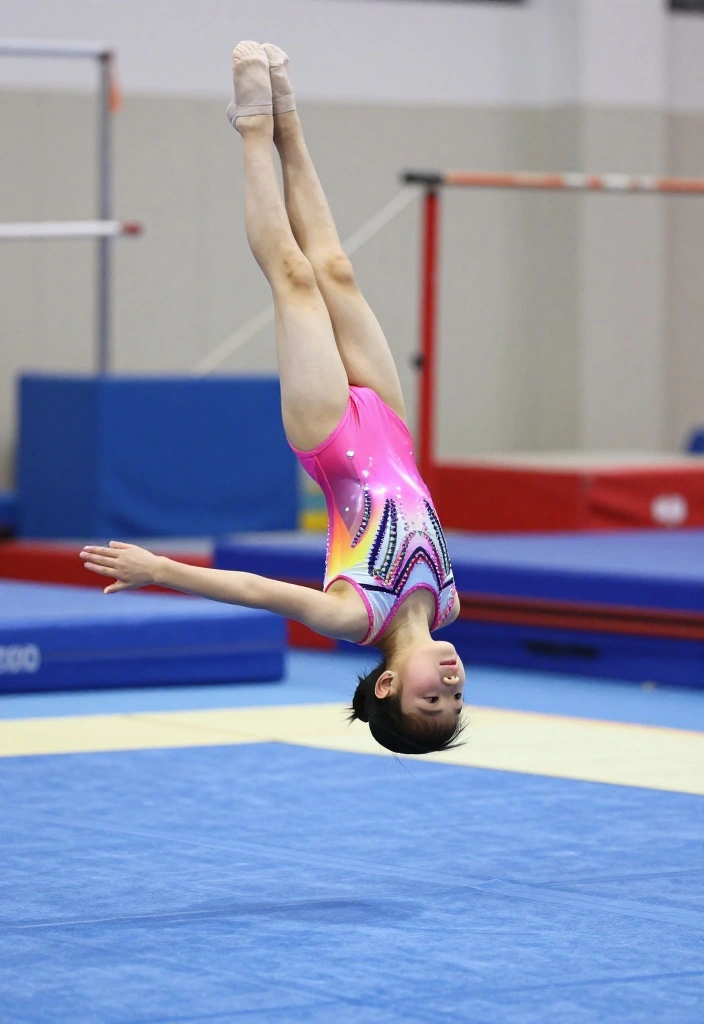
The aerial cartwheel is an advanced variation of the traditional cartwheel that demands both strength and agility. This skill involves performing a cartwheel without touching the ground with your hands. Begin by mastering the standard cartwheel, then practice jumping off both legs, using your core to control the motion.
Ensure you’re on a soft surface for safety while learning this skill. As you become more confident, you can incorporate variations and transitions into your routine for added excitement.
13. Split
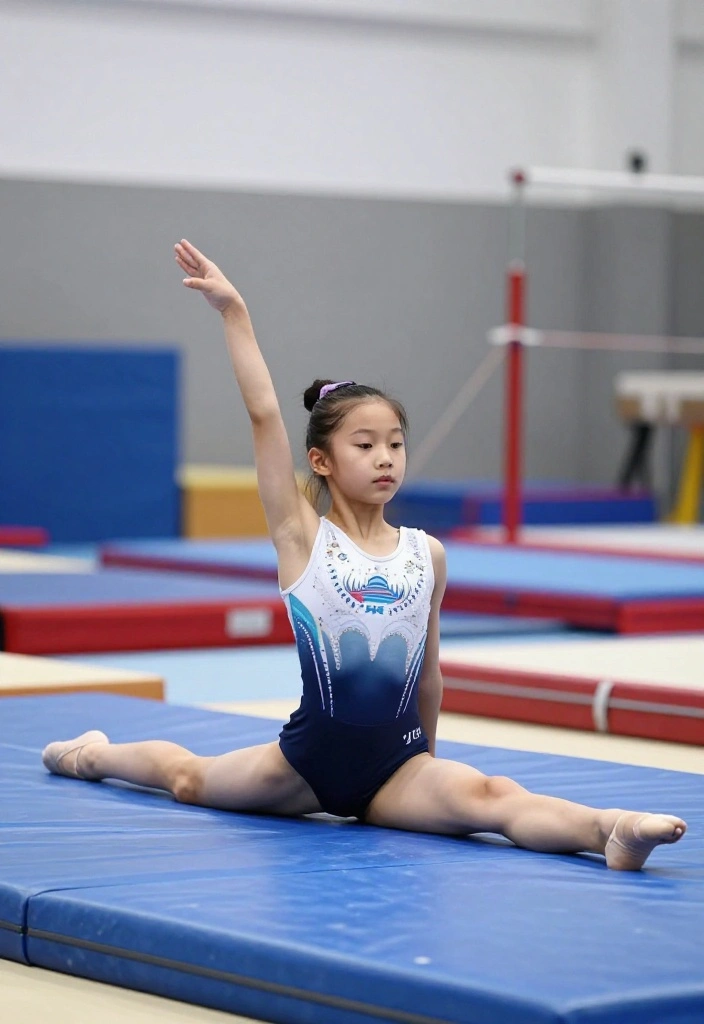
The split is a foundational flexibility skill that enhances your overall gymnastics performance. This skill helps build leg strength and improves balance. To execute a split, start by stretching your legs apart and lowering your body towards the ground.
Consistent practice will increase your flexibility, making the split easier over time. Always warm up your muscles before attempting this skill to prevent injuries. Once you feel comfortable, you can integrate the split into other skills for a graceful performance.
14. Conditioning Exercises
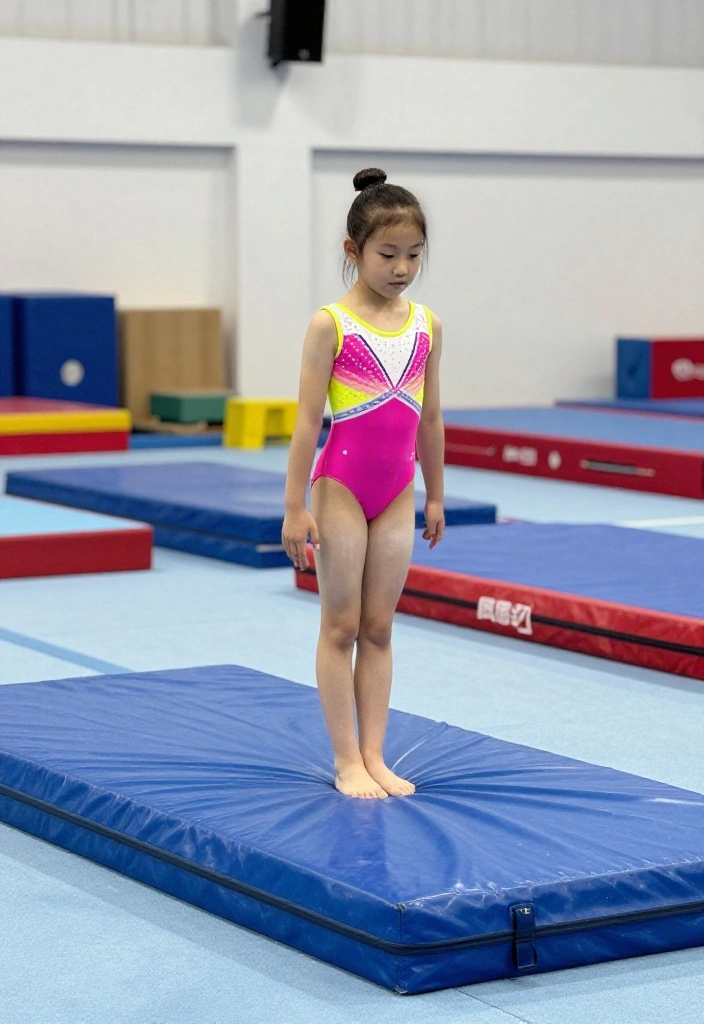
Conditioning exercises are essential for developing strength, flexibility, and endurance—key components for every gymnast. Incorporate exercises like push-ups, sit-ups, and leg lifts into your routine to enhance your fitness.
As a beginner, prioritize proper form to prevent injuries during these exercises. Regular conditioning will ease the execution of skills, helping you build a strong foundation. Challenge yourself by gradually increasing the intensity or adding variations to your routine.
15. Bar Skills (Pull-Ups)
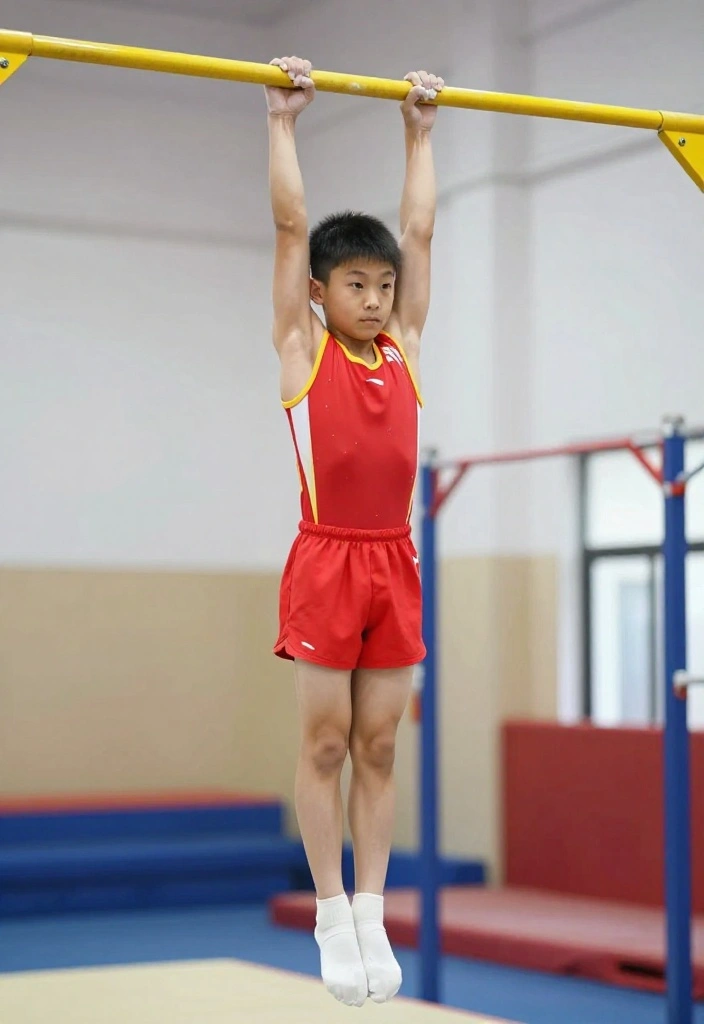
Bar skills are crucial for building upper body strength, and pull-ups are a fantastic starting point. Begin by hanging from the bar with your palms facing away. Pull your chin up over the bar while keeping your body straight.
Practicing pull-ups will develop the strength necessary for more advanced bar moves like swings and releases. If needed, start with assisted pull-ups and gradually work towards unassisted repetitions. Consistent training on the bars will enhance your overall gymnastics performance.
You Might Also Like
16. Balance Beam Basics
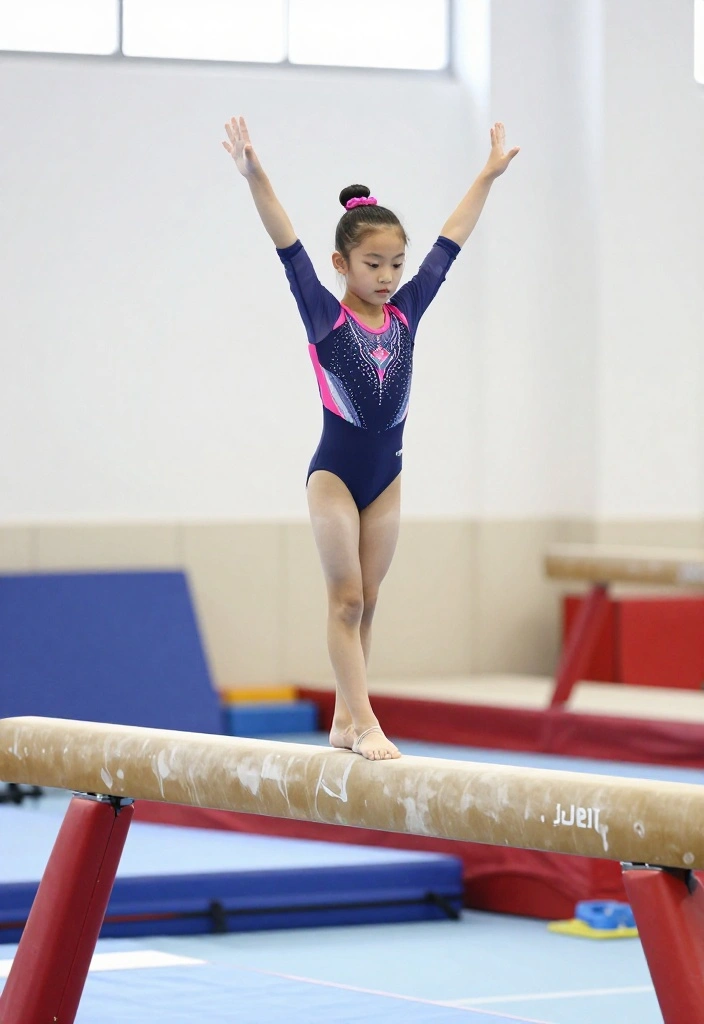
Getting comfortable on the balance beam is vital for any gymnast. Begin by walking along the beam while maintaining proper posture and alignment. Engage your core and extend your arms for balance.
Practicing simple skills like turns or small jumps will boost your confidence on the beam. Using a low beam or mat can provide safety as you learn to execute more challenging moves. Focus on mastering these basics before advancing, as a strong foundation is essential.
17. Round-off Back Handspring Combo
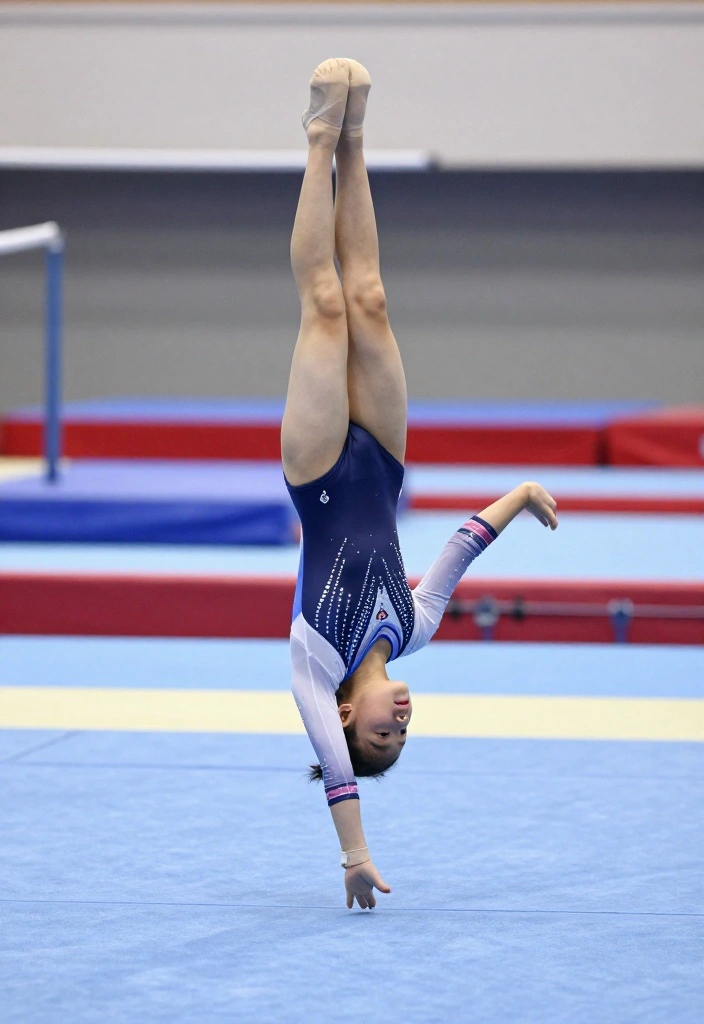
Combining skills is a great way to progress in gymnastics, and the round-off back handspring combo is a prime example. Start by mastering each individual skill before attempting to connect them. The round-off generates momentum for the back handspring, making execution smoother.
Practice on soft mats for safety and engage your core throughout both movements. With time and repetition, this combination will elevate your performance and add flair to your routines.
18. Cartwheel Variation: One-Handed
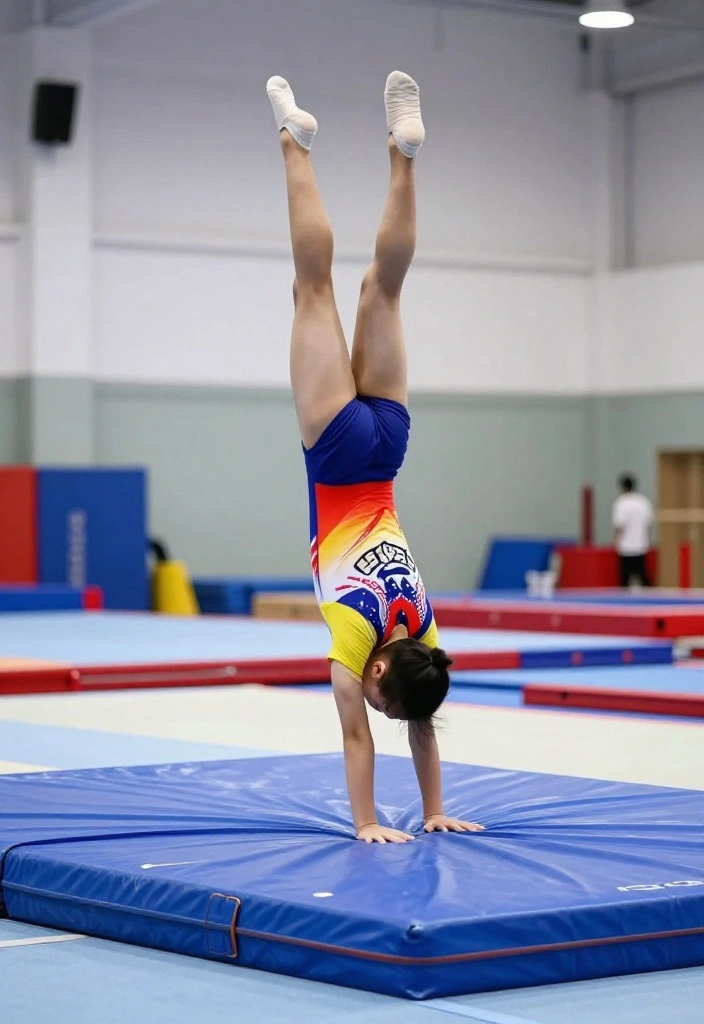
Once you’ve mastered the traditional cartwheel, challenge yourself with a one-handed cartwheel. This variation demands increased strength and balance, showcasing your skills. Begin by practicing on a soft surface, shifting your weight to one hand as you execute the movement.
Focus on keeping your legs straight and aligned as you roll over. With practice and confidence, this variation will impress in any routine.
19. Floor Routine Basics
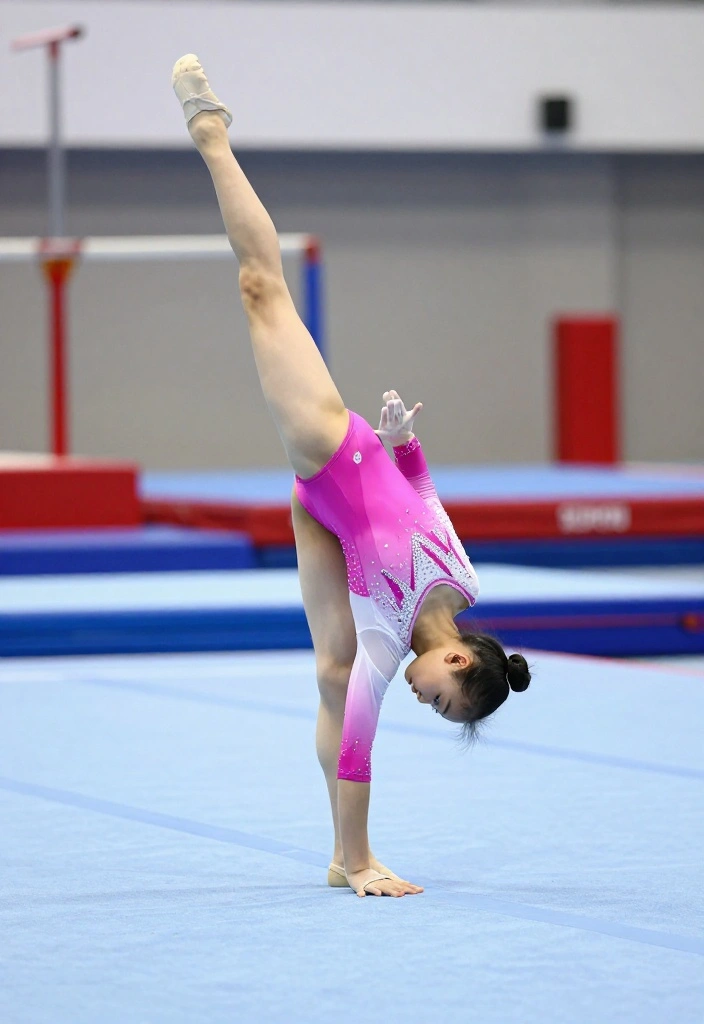
Building a floor routine is essential for showcasing your skills and creativity. Start by combining the basic skills you’ve learned, including jumps, rolls, and leaps. Maintain rhythm and flow as you transition between each element.
Select music that reflects your personality and energizes your routine. Practicing in front of friends or coaches can provide valuable feedback and boost your confidence as you prepare for performances.
20. The Importance of Safety and Spotting
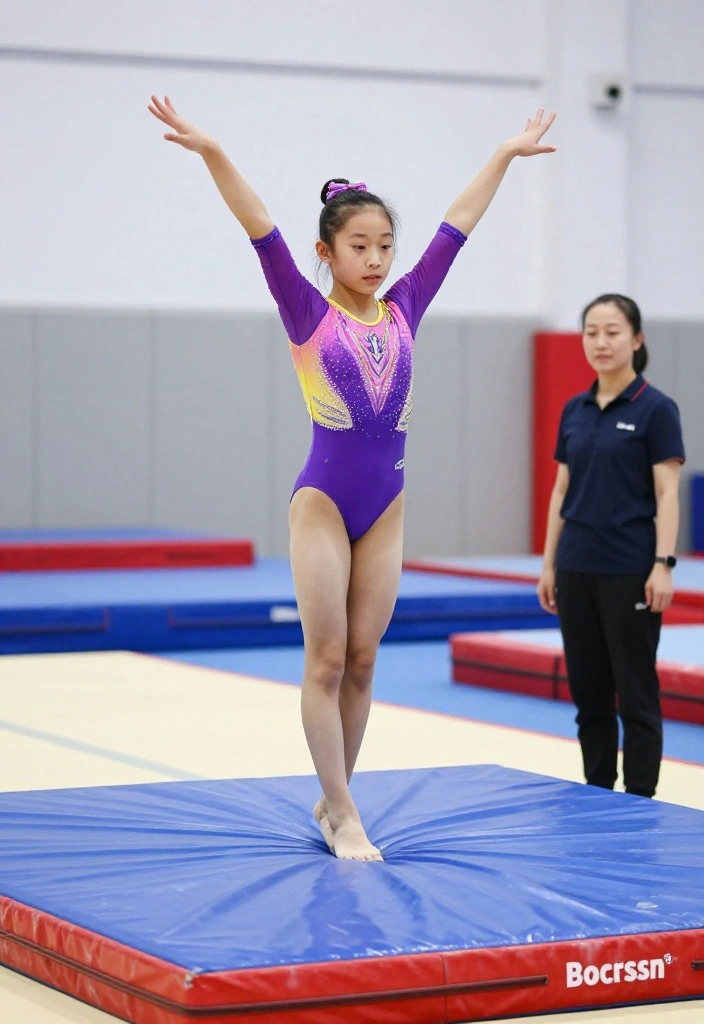
Safety is crucial in gymnastics, and understanding how to spot correctly is essential for both you and your training partners. Always have a spotter present when practicing new skills to help catch you if needed.
Ensure your training environment is safe, with mats and equipment properly arranged to minimize injuries. Learning how to fall correctly is also vital; practice rolling or landing safely to avoid harm. Prioritizing safety will help you build confidence and ensure a positive training experience.
Conclusion
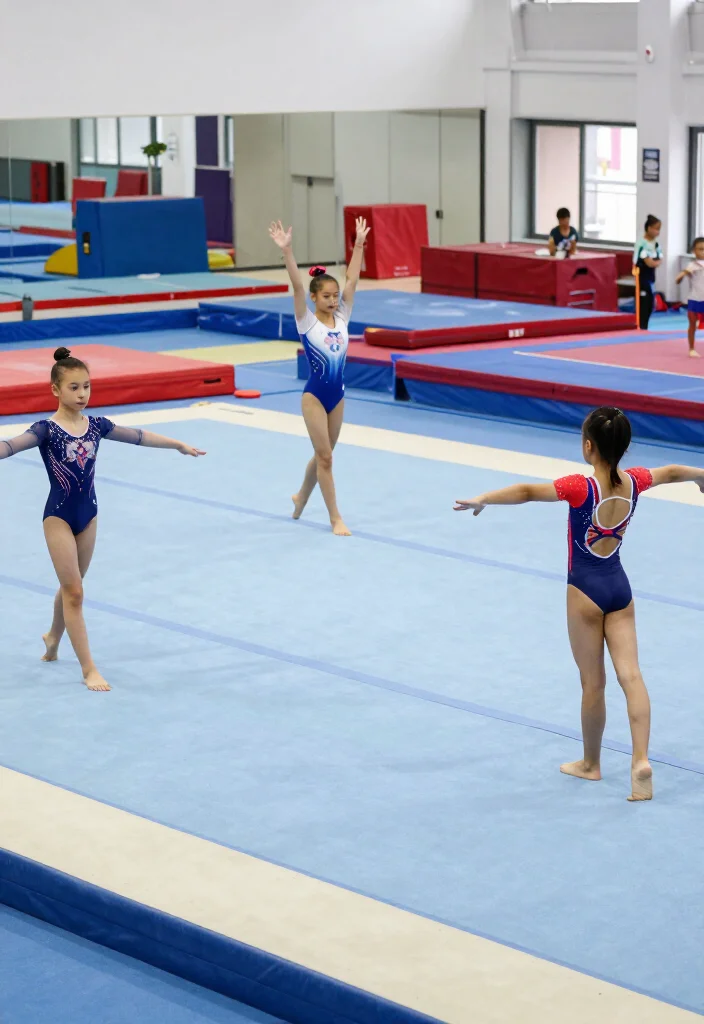
Mastering the fundamentals of gymnastics opens the door to incredible opportunities for skill development and creativity.
Each skill learned contributes to building not only strength and flexibility but also confidence and discipline. Embrace each step of your gymnastics journey, and remember that progress takes time.
Stay consistent in your practice, and don’t hesitate to reach out for guidance and support from coaches or fellow gymnasts. Keep pushing your limits while enjoying the beautiful art of gymnastics!
Frequently Asked Questions
Question: What are the essential gymnastics skills a beginner should learn in the right progression?
For beginner learners, start with foundational body control and awareness, then add simple rolls and bridges.
The core gymnastics skills to master early include a safe forward roll, a controlled backward roll, a hollow body hold, a static bridge, and a wall-supported handstand.
From there you can progress to more dynamic moves like cartwheel prep and basic kick-to-handstand as you build strength and confidence through deliberate training and progression.
Question: How should I structure my training sessions to progress through the 20 basic gymnastics skills safely?
Most people progress through the 20 basic gymnastics skills by training 2-4 times per week for 20-40 minutes.
Start with a full warm-up and mobility to prime joints for training and skill work.
Choose 1-2 skills per session and follow a clear progression toward mastery, moving up only when you can perform the drill with control and without pain.
Include strength and stability work, like hollow holds and planks, to support each gymnastics skills in the right order.
Question: Do I need a gym or can I practice these basics at home, and what equipment is recommended?
Both setups work, but a safe, clear space matters most for beginner gymnastics skills.
At home, start with a thick mat, ample floor space, and wall space for a supported handstand to practice the basic gymnastics skills safely.
Optional gear like a low box, parallettes, and a resistance band can help with mobility and progression, but avoid overcrowding your space and always have supervision if possible.
Question: How can I tell when I’m ready to move from one skill to the next in the progression?
Look for consistency: can you perform the current skill with good form on 3-5 reps, in 2-3 sets, with a controlled landing.
Check for no pain, stable shoulders and wrists, and proper alignment before advancing.
Keep a simple progress log or video record, and move up only when you can maintain control and confidence across multiple attempts.
Question: What safety tips should beginners follow to prevent injuries as they learn these gymnastics skills?
Always start with a thorough warm-up and mobility work before attempting new gymnastics skills.
Adhere to a stepwise progression and avoid skipping stages or rushing through moves.
Practice on padded surfaces, use a spotter or coach when possible, and listen to your body—rest if you feel pain or excessive fatigue to protect joints and ensure sustainable training.

Meet Edward Green, the founder of GolfingGoal and a seasoned expert in golf. With years of experience on the course and a passion for the sport, Edward has a wealth of knowledge to share. As our Lead Writer, he contributes articles, tutorials, and resources to help readers to improve their skills and reach their full potential on the golf course. Join Our Team!