

You look at a morning plate of eggs or a midday salad and wonder why your digestion suddenly objects to things it tolerated for decades. It is a common frustration after 50, when stomach acid declines and your intestinal lining thins naturally.
After reviewing recent clinical trials and interviewing gastroenterologists, I changed what goes into my own kitchen. These six specific staples keep your microbiome resilient, digest easily, and target the precise structural changes your gut faces during this decade.
Quick Tips Before You Start
Hydrate Extra
Increase your daily water intake by 8 ounces for every new high-fiber food you introduce.
Go Slow
Introduce only one new food from this list every four days to prevent sudden bloating.
Cook Thoroughly
Steam or roast hard vegetables initially to break down tough plant walls before eating.
1. Plain Traditional Kefir
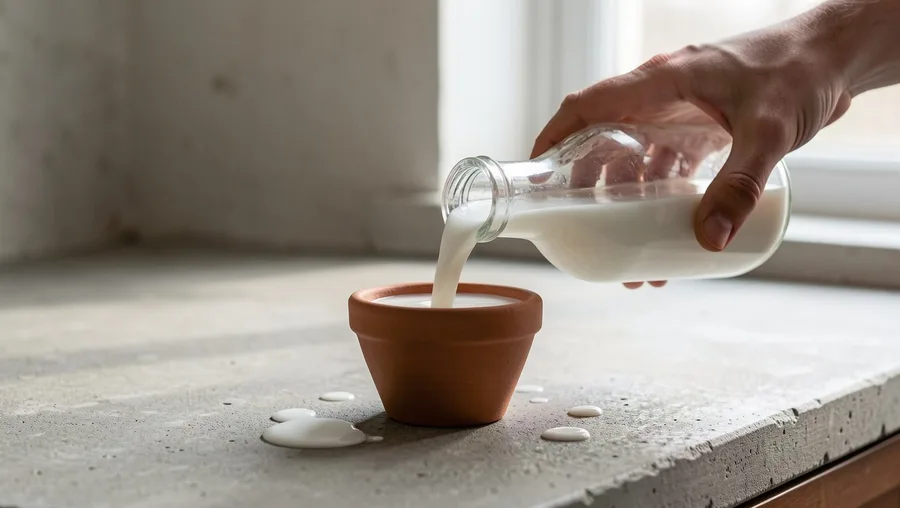
Your gut loses microbial diversity as you age, making your digestive tract less resilient to stress. Gastroenterologists consistently point to kefir because it contains up to 30 distinct strains of beneficial bacteria and wild yeasts.
Buy plain, unflavored whole-milk kefir rather than fruit-flavored versions that are packed with cane sugar. The live cultures consume the lactose during fermentation, making it highly tolerable even if standard milk leaves you bloated.
Pour a precise 4-ounce serving over your morning oats or drink it straight before breakfast. The liquid consistency allows the microbes to pass through your stomach acid more rapidly than solid fermented foods.
💡 Tip: Shake the bottle thoroughly before pouring to redistribute the active yeast clusters evenly.
Why Microbial Diversity Matters Now
The direct impact of fermentation on a 50-plus digestive tract.
2. Cooked and Cooled Purple Potatoes
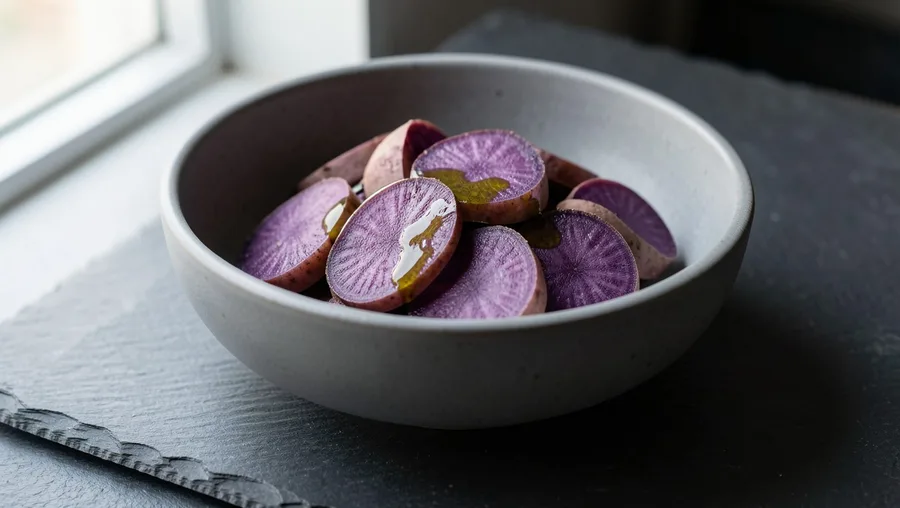
You might avoid potatoes due to blood sugar concerns, but the preparation method changes the entire chemical structure. Cooking purple potatoes and chilling them overnight in the refrigerator transforms their starches into resistant starch.
Resistant starch bypasses your small intestine entirely, landing in the colon where it feeds critical butyrate-producing microbes. Butyrate is the short-chain fatty acid that fuels and repairs your intestinal lining.
The deep purple pigment provides anthocyanins, which clinical trials show actively lower systemic markers of inflammation. Reheat them gently or slice them cold into a lunchtime salad with olive oil.
3. Raw Jerusalem Artichokes
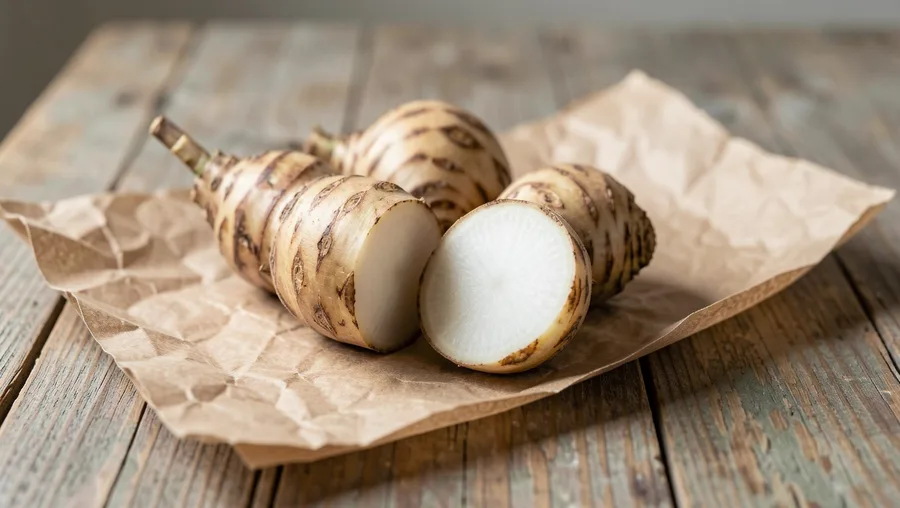
Every practitioner specializing in longevity focuses heavily on inulin, a powerful prebiotic fiber that supports bifidobacteria. Jerusalem artichokes, also called sunchokes, contain one of the highest concentrations of natural inulin available.
When bifidobacteria levels naturally drop after age 50, your susceptibility to opportunistic gut pathogens increases. Sunchokes act as a direct fertilizer for these protective, native bacterial strains.
Slice them paper-thin using a mandoline and toss them raw into salads for a crisp, water-chestnut texture. Cooking them breaks down the inulin down into simple fructose, defeating the prebiotic purpose.
💡 Tip: Limit your first portion to one tablespoon. Inulin is highly fermentable and causes gas if introduced too quickly.
⚠️ COMMON MISTAKE
Do Not Overcook Your Prebiotics
Subjecting sunchokes to high heat for more than fifteen minutes destroys the complex inulin bonds. Keep them raw or lightly blanched to protect the specific fiber your gut microbes require.
4. Slow-Simmered Bone Broth

Your intestinal lining requires specific amino acids to maintain tight junctions and prevent systemic irritation. As human collagen synthesis drops sharply after 50, the structural integrity of your gut barrier can become compromised.
Physical therapists and nutritionists value genuine bone broth for its high concentration of gelatin, glycine, and glutamine. These compounds bind to water in your tract, helping move food smoothly through a sluggish colon.
Simmer beef or marrow bones for 18 to 24 hours with a tablespoon of apple cider vinegar to pull nutrients from the marrow. Sip 8 ounces warm every afternoon instead of a second cup of irritating coffee.
Best For
5. Sprouted Chia and Flax Seeds
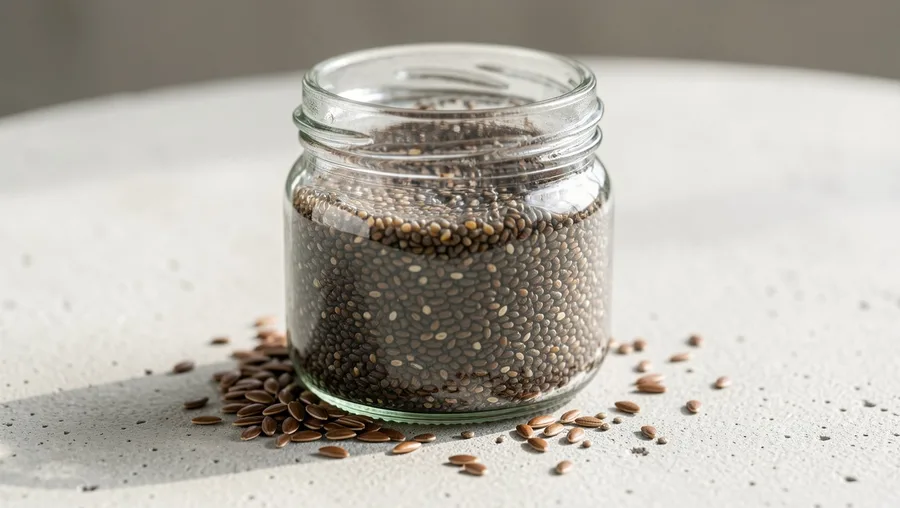
Constipation becomes more common as metabolic rates drop and smooth muscle activity slows down in your colon. Instead of using harsh over-the-counter laxatives, doctors favor a blend of soluble and insoluble fibers.
Flax and chia seeds provide lignans, plant compounds that act as weak phytoestrogens to help stabilize age-related hormonal shifts. They expand in water, creating a slick gel that eases transit without irritating your bowel.
Buy pre-sprouted seeds or soak raw seeds yourself in water for twenty minutes before consuming. Sprouting deactivates phytic acid, allowing your older small intestine to absorb significantly more zinc, iron, and magnesium.
🌱 The Sprouted Seed Protocol
Measure the Base
Place two tablespoons of mixed chia and ground flax seeds into a glass jar.
Add Filtered Water
Pour in six tablespoons of room-temperature water to allow full expansion.
Allow Gel Rotation
Let the mixture sit for twenty minutes until a thick mucilage forms.
Mix and Consume
Stir the gel directly into your morning yogurt or warm porridge daily.
6. Steamed Bitter Dandelion Greens
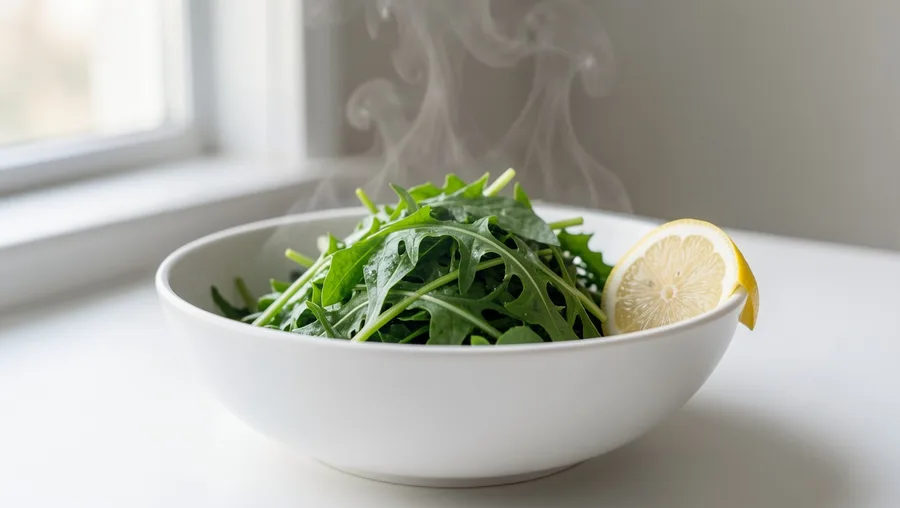
Your liver and gallbladder produce less bile as you age, making high-fat meals much harder to break down smoothly. Gastroenterologists value bitter compounds because they interact with taste receptors that trigger your entire digestive cascade.
Dandelion greens stimulate the immediate release of stomach acid, bile, and pancreatic enzymes before food even hits your stomach. This prevents the heavy, stagnant feeling that often follows a evening dinner.
Steam them for five minutes to reduce the intense bitterness and break down the tough oxalic acid. Drizzle with fresh lemon juice and a pinch of sea salt to enhance the natural mineral absorption.
💡 PRO TIP
Timing Your Bitter Greens
Eat a small forkful of steamed bitter greens five to ten minutes before your primary meal. This pre-loads your digestive tract with necessary bile, minimizing post-meal bloating and reflux.
The Bitter Greens Verdict Lanes
- Lightly Steamed Greens — Optimal. Softens harsh fibers while preserving the bitter compounds that stimulate bile production.
- Raw, Unchopped Greens — Caution. High oxalic acid content can irritate sensitive stomachs; requires extensive chewing.
- Boiled to Mush Greens — Avoid. Leaches out the beneficial bitter glycosides and minerals into the discarded cooking water.
Evaluating Your Post-50 Gut Strategy
The Correct Approach
- Prioritize diverse fermented liquids like kefir.
- Cook and cool starches to build resistant starch.
- Introduce new prebiotic fibers in tiny doses.
- Incorporate bitter compounds before main meals.
The Mistaken Path
- Relying entirely on pill-form probiotics.
- Eating hard, raw cruciferous vegetables daily.
- Consuming large amounts of unsoaked seeds.
- Using synthetic laxatives for regular transit.
Digestive Jargon Decoded
Final Thoughts
If you make only one change this week, start with the traditional plain kefir. Pouring a simple four-ounce glass before your breakfast gives your lower digestive tract a diverse wave of active cultures before any other foods can interfere with absorption. You can expect to notice a difference in your morning comfort levels within roughly fourteen days.

Meet Edward Green, the founder of GolfingGoal and a seasoned expert in golf. With years of experience on the course and a passion for the sport, Edward has a wealth of knowledge to share. As our Lead Writer, he contributes articles, tutorials, and resources to help readers to improve their skills and reach their full potential on the golf course. Join Our Team!