
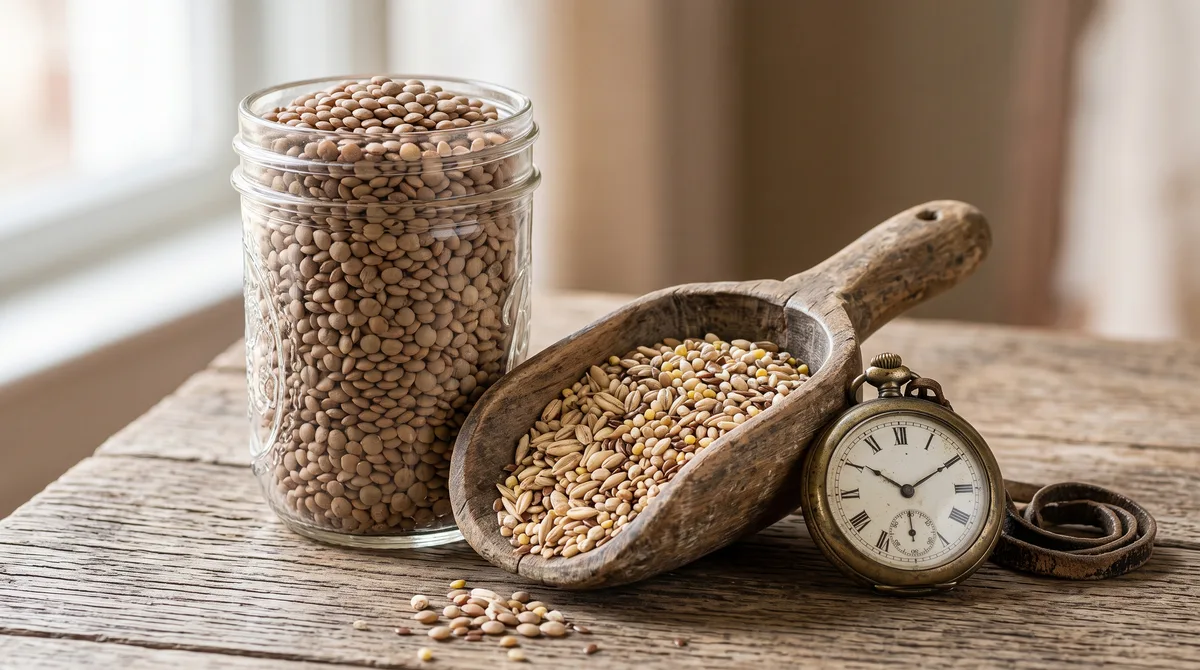
You scroll through your phone and another expensive longevity protocol flashes across the screen. NAD+ boosters cost $80 a bottle, specialized peptides require overnight shipping, and the daily supplement organizer starts looking like a pharmacy counter.
Then you look at the actual epidemiological data from populations living past one hundred. They are not swallowing synthetic compounds from amber glass jars. They are pulling a dry bag of legumes from a bottom shelf.
True metabolic resilience is built on daily, unglamorous nutritional foundations rather than episodic biohacking. This article breaks down the exact science behind the humble $2 pantry staple that researchers keep finding at the center of long lives.
💡 PRO TIP
The Real Cost of Longevity
Trendy longevity supplements can easily run three to five dollars per single dose. A generous serving of dry lentils costs less than fifteen cents.
Why Your Cells Respond to Simple Foods

Cellular biology rarely cares about marketing budgets. It cares about molecular signaling pathways that have remained conserved for millions of years.
Dietary polyamines, specifically spermidine found abundantly in legumes, act as powerful triggers for cellular autophagy. This is the body's natural recycling system that clears out damaged proteins and dysfunctional mitochondria before they cause trouble.
As we age, natural autophagy slows down noticeably. Supplying raw dietary components that reignite this internal cleanup process changes how cells age from the inside out.
The Biological Impact
Key metrics from longevity research
Based on standard nutritional epidemiology datasets.
Metabolic Stability and Blood Sugar Control

Blood sugar spikes accelerate aging through advanced glycation end products, which stiffen arterial walls and degrade collagen. Keeping glucose curves flat is non-negotiable for metabolic health.
Lentils and beans feature a remarkably low glycemic index and high resistant starch content. This combination blunts postprandial glucose surges and trains your cells to handle carbohydrates more efficiently.
Viscous soluble fiber slows gastric emptying down significantly. This mechanism modulates GLP-1 and peptide YY release, keeping you full for hours without a mid-afternoon energy crash.
Nutrient Density Snapshot
Protecting the Cardiovascular System

Vascular aging is not an inevitable consequence of passing time. It is largely a cumulative result of inflammation and oxidative stress acting on endothelial tissue.
High concentrations of potassium, magnesium, and folate work in concert to support healthy blood pressure and maintain endothelial elasticity.
Plant sterols and viscous soluble fiber bind directly to bile acids in the gut. This forces your liver to pull circulating LDL cholesterol to manufacture new bile, naturally supporting healthy lipid panels.
🫀 The 12-Week Vascular Adaptation Timeline
Weeks 1 to 2
Initial digestive adjustment as gut bacteria adapt to increased fiber loads.
Weeks 3 to 6
Noticeable stabilization in daily post-meal energy and reduced sugar cravings.
Weeks 7 to 12
Measurable improvements in endothelial function and consistent lipid profile support.
Feeding the Longevity Microbiome
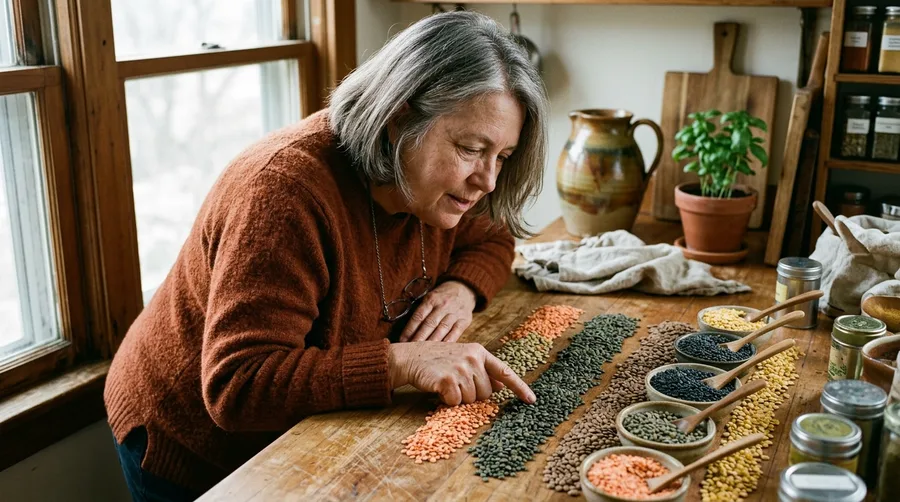
Your gut microbiome dictates a surprising percentage of your immune function and systemic inflammation levels. Starve the good microbes, and inflammaging takes over.
Prebiotic galacto-oligosaccharides found in lentils feed beneficial strains like Bifidobacteria and Lactobacilli. Fermenting these fibers produces short-chain fatty acids like butyrate.
Butyrate strengthens the gut barrier, keeping microbial byproducts out of your bloodstream and instantly calming whole-body inflammation.
Gut Health Glossary
Where Clinical Trials and Traditional Wisdom Converge

Observational insights from Blue Zones regions often face skepticism from clinical researchers. However, modern randomized trials now confirm what traditional populations knew instinctively.
When research groups control for confounding variables like exercise and smoking, regular legume consumption stands alone as a primary predictor of metabolic health and extended healthspan.
Food matrix synergy always outperforms isolated nutrient supplements. The complex package of minerals, slow carbohydrates, and polyphenols cannot be successfully replicated in a pill.
Supplement Pills vs. Whole Food Legumes
Isolated Supplements
- High financial cost per dose
- Lacks natural food matrix synergy
- Often poorly absorbed by the body
- Requires multiple different bottles
Whole Lentils
- Costs pennies per serving
- Delivers fiber, protein, and minerals together
- Naturally supports sustained satiety
- Backed by generations of human longevity
Practical Integration and Daily Payoff
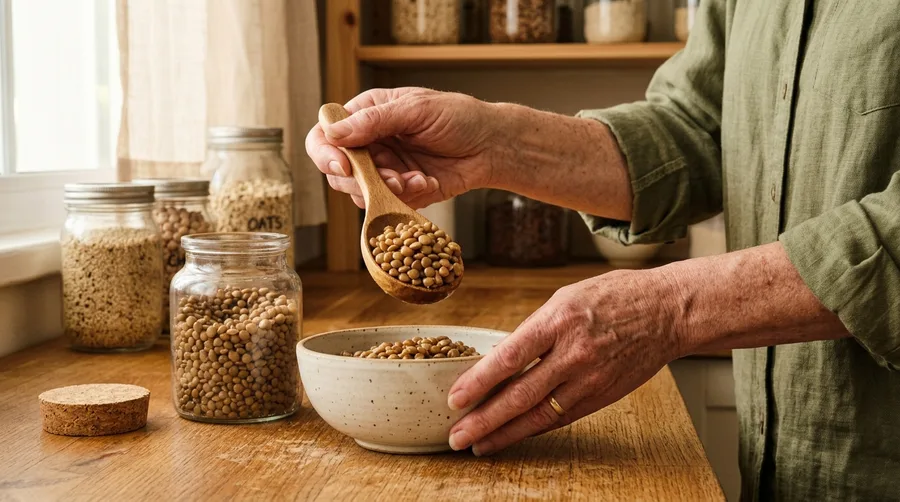
Knowing the science is useless if your kitchen routine does not change. Keep it simple and sustainable.
Aim for one-half to one cup of cooked legumes daily to hit the researched therapeutic threshold. Batch cook a large pot on Sunday, and you are set for the week.
Pair your lentils with vitamin C sources like lemon juice or bell peppers to enhance iron absorption and completely eliminate any digestive friction.
Four Steps to Daily Integration
Longevity Pantry Audit
Frequently Asked Questions
Does canning diminish the longevity benefits of lentils compared to cooking from dry?
Canned lentils retain almost all of their fiber, minerals, and resistant starch. Just rinse them thoroughly under cold water to remove excess sodium before eating.
How can I avoid digestive distress and bloating when increasing my legume intake?
Start with tiny portions, such as two tablespoons daily, and slowly increase the amount over four weeks. Thorough soaking and rinsing also breaks down oligosaccharides.
Are red, green, and black lentils nutritionally interchangeable for longevity?
While their cooking times and textures differ slightly, their core profile of protein, fiber, and polyphenols remains remarkably similar across all common varieties.
Can individuals with specific autoimmune or lectin concerns still benefit from this staple?
Pressure cooking or thorough boiling neutralizes virtually all lectins. If you have specific digestive sensitivities, start with red lentils as they break down easiest.
What is the optimal daily amount to consume based on current clinical research?
Observational and clinical trials consistently point to one-half to one cup of cooked legumes per day as the sweet spot for maximizing metabolic and longevity benefits.
Your Kitchen Counter Prescription for Decades of Vitality
True longevity is never purchased in a glossy bottle or engineered in a high-tech lab. It is built one affordable, fiber-rich meal at a time on your own kitchen counter.
Skip the expensive biohacks and stock your pantry with the humble staple that researchers keep finding in the homes of the world's longest-lived people.

Meet Edward Green, the founder of GolfingGoal and a seasoned expert in golf. With years of experience on the course and a passion for the sport, Edward has a wealth of knowledge to share. As our Lead Writer, he contributes articles, tutorials, and resources to help readers to improve their skills and reach their full potential on the golf course. Join Our Team!