
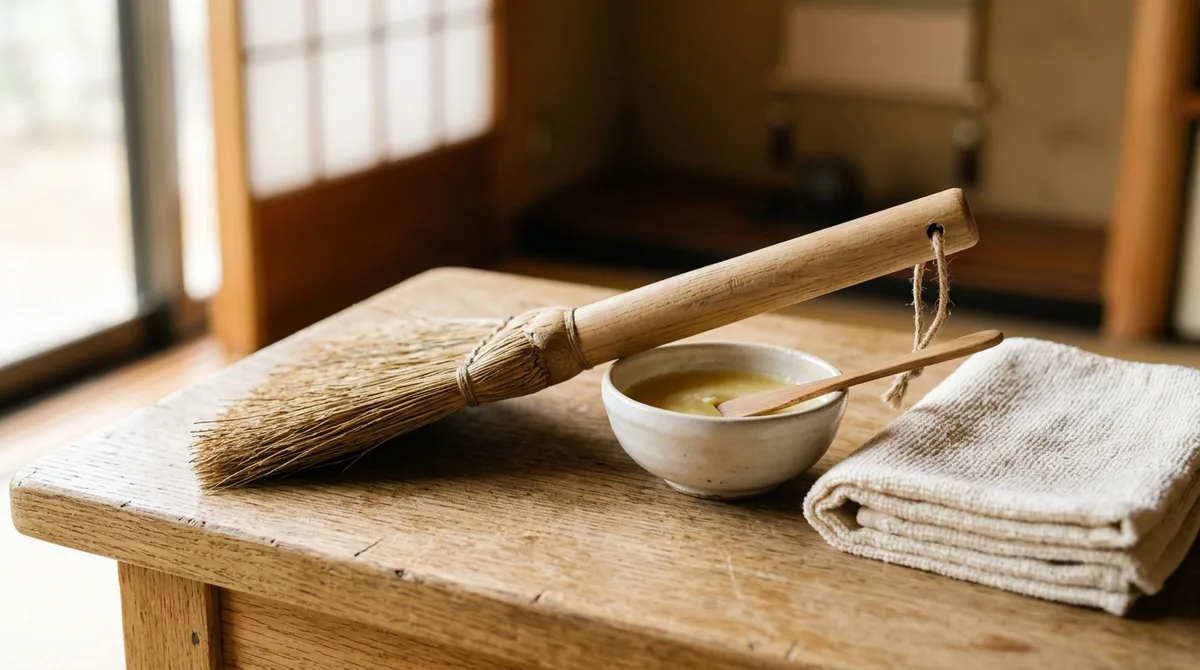
Your back aches from three hours of scrubbing kitchen grout on a Saturday morning, and by Tuesday the mess is back.
Traditional weekend deep-cleaning marathons leave you physically depleted, trading your precious rest days for chemical exposure and joint strain.
What if you stopped cleaning altogether in the conventional sense and instead adopted continuous micro-maintenance habits that prevent dirt from ever settling in the first place?
The Exhaustion Trap of the Modern Deep Clean
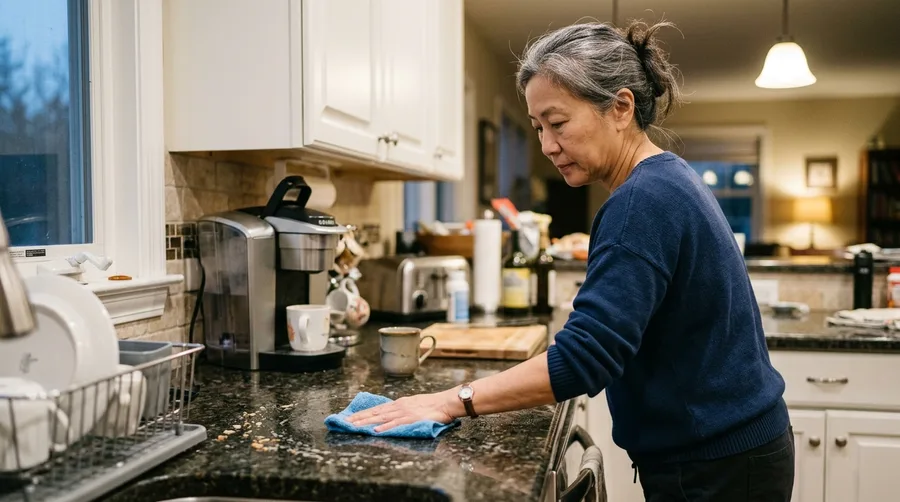
You spend five days accumulating clutter and mess, then sacrifice your weekend to an intense physical binge of vacuuming, mopping, and harsh chemical scrubbing.
This reactive cycle spikes your cortisol and places repetitive strain on your lower back and knees.
The alternative is shifting from explosive physical labor to continuous, low-friction micro-habits that maintain order effortlessly.
When you stop treating cleaning as a punishment, your home stays calm and your body stays pain-free.
⚠️ COMMON MISTAKE
The Weekend Marathon Fallback
Waiting for a day off to clean forces you into aggressive physical exertion, triggering joint pain and mental burnout that consistency entirely prevents.
The Biomechanical Cost of the Chore Cycle
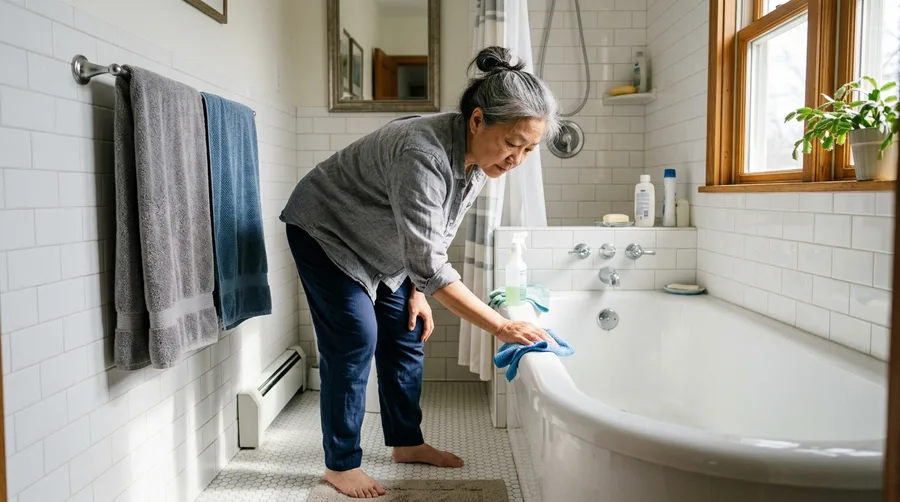
Bending awkwardly over a bathtub or kneeling on hard tile forces your lumbar discs and shoulder girdles into high-stress positions.
Occupational therapists see a distinct spike in domestic strain injuries after heavy weekend cleaning sessions.
Repetitive arm extensions and forceful scrubbing inflame tendons that require days to recover.
Redesigning your cleaning mechanics protects your skeletal health while keeping living spaces pristine.
Cleaning Strain — At a Glance
🦴 High Risk Zone
Lumbar spine and knees
⏱️ Time Spent
3 to 5 hours weekly
⚠️ Core Trigger
Reactive scrubbing
🛡️ Prevention
Micro-maintenance
Physical Reality
Spreading chores across daily micro-movements eliminates high-load joint stress entirely.
Habit 1: The Micro-Wipe Principle
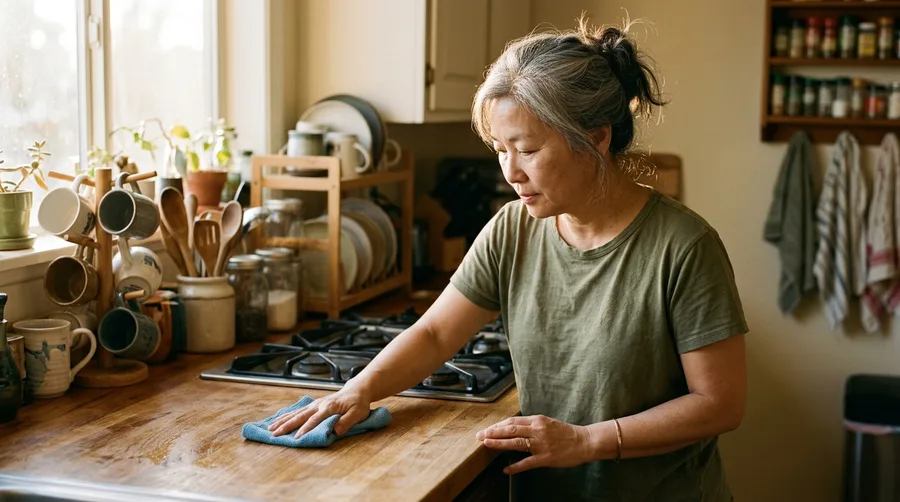
You finish cooking dinner, and instead of leaving the stovetop for tomorrow, you pass a damp microfiber cloth across the warm surface in thirty seconds.
Fresh oil and food particles wipe away instantly with plain warm water, requiring zero scouring agents or elbow grease.
This eliminates the dried-on buildup that makes future cleaning physically demanding.
Consistency turns a dreaded chore into an automatic transition between daily activities.
💡 PRO TIP
The Thirty-Second Rule
Keep a damp cloth folded flat next to the sink; wiping down wet zones immediately after use stops hard-water mineral deposits from ever forming.
Habit 2: Surface Minimalism and the One-Touch Rule
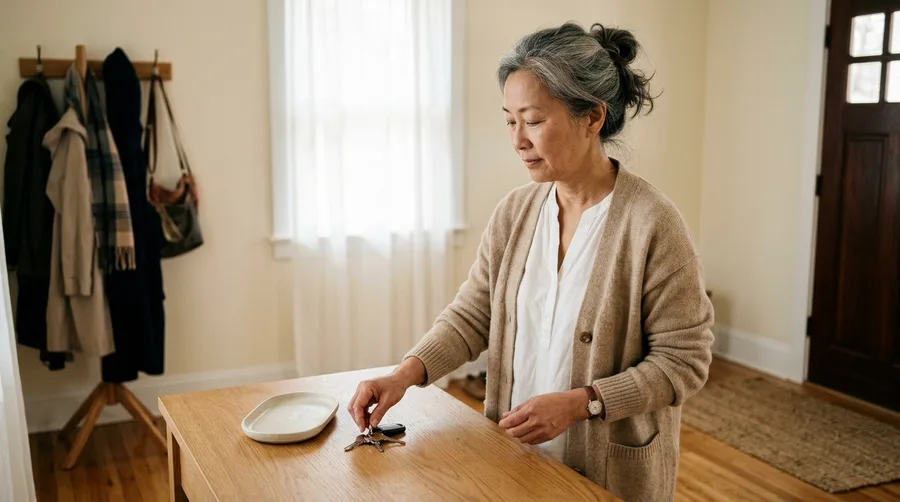
Every decorative trinket or loose appliance sitting on your kitchen counter represents extra surface area that collects grease and dust.
Clearing horizontal surfaces down to bare essentials cuts your dusting workload by more than half.
When an item enters your hand, apply the one-touch rule: return it directly to its permanent storage home instead of setting it on a temporary table.
This single behavioral adjustment stops migratory household clutter before it starts.
Best Surface Strategies
Habit 3: Barefoot Flooring and the Genkan Transition
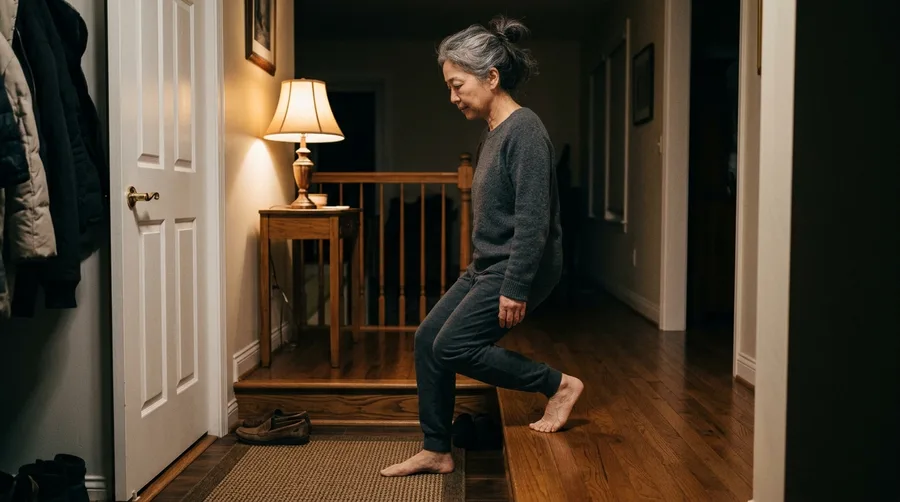
Outdoor shoes carry heavy particulates, pollen, and microscopic grit straight into your living quarters.
Establishing a dedicated entryway threshold stops up to eighty percent of outdoor debris from ever reaching your main living floors.
Clean floors protect foot arch strength and allow comfortable barefoot or indoor slipper walking.
When floors stay free of abrasive grit, a quick daily sweep takes two minutes instead of a heavy vacuum session.
🚪 The Entryway Transition Protocol
The Threshold
Stop at the designated indoor boundary line every single time.
Shoe Removal
Slip off footwear immediately and place them onto the low rack.
Indoor Slippers
Step directly into comfortable clean-room footwear or cotton socks.
Bag Placement
Hang keys and bags on wall hooks rather than dropping them on tables.
Habit 4: The Seasonal Reset Over Weekly Marathons
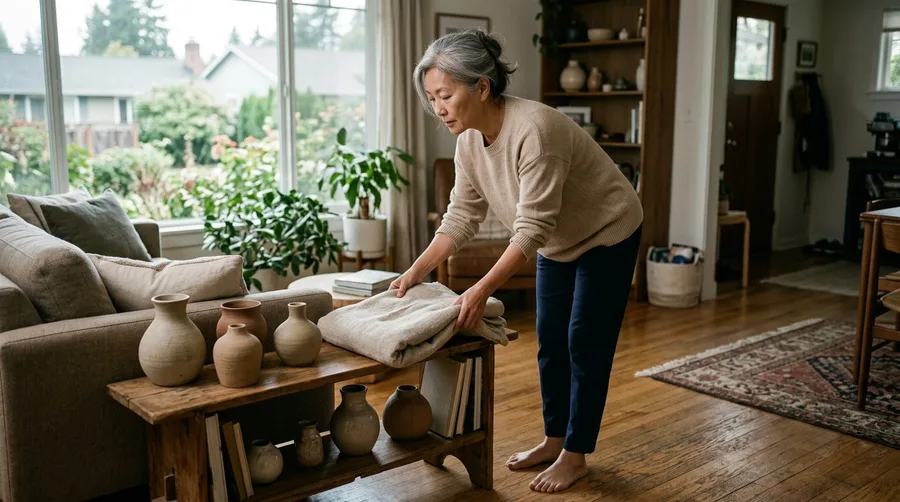
Swapping out weekly exhaustive cleaning binges for natural seasonal transitions aligns your home maintenance with environmental changes.
Deep maintenance happens four times a year during natural shifts, addressing heavy tasks like window washing and linen rotation.
This rhythm eliminates the psychological guilt of falling behind on arbitrary weekly chore lists.
Your home stays consistently stable because daily micro-habits carry the weight between seasons.
The Two Maintenance Models
The Exhausting Weekend Cycle
- Waiting for massive messes to accumulate
- Spending four hours scrubbing on Saturday
- Using harsh chemical agents to cut grease
- Straining lower back and shoulder joints
The Continuous Flow Model
- Wiping surfaces immediately after use
- Maintaining strict entryway boundaries
- Clearing horizontal spaces of clutter
- Protecting joints with micro-movements
Daily Micro-Flow Sequence
Physical Strain Spectrum
Measuring joint load across cleaning methods
- Micro-Wiping: Zero heavy bending or scrubbing required.
- Daily Sweeping: Light upright motion with zero strain.
- Weekend Deep Clean: High impact on lower back and wrists.
Clean less intensely, but more continuously, and your home transforms from a chore into a sanctuary.
— What physical therapists and minimalists keep repeating
Frequently Asked Questions
Does not cleaning counters daily lead to bacteria buildup?
Immediate micro-wiping removes food residue while it is still soft, which actually prevents bacterial growth far more effectively than waiting days to disinfect dried grime.
How do I handle family members who resist minimalist drop zones?
Assign each person an individual bin or designated basket at the entryway so personal items have a boundary without spilling onto shared tables.
What if my home has high-pile carpets that trap dust?
Focus on strict shoe removal at the threshold to block outdoor grit, and run a lightweight cordless vacuum across high-traffic lanes for five minutes twice a week.
Are chemical disinfectants necessary for everyday health?
Plain warm water and microfiber cloths handle ninety percent of daily household residue without exposing your skin and lungs to harsh synthetic fumes.
How long does it take for micro-habits to feel automatic?
Most people find that linking a thirty-second wipe directly to cooking or bathing routines builds permanent neural pathways within fourteen days.
Designing a Home That Cleans Itself Through Rhythm
Drop the exhausting weekend marathon and start practicing the art of the micro-wipe right now.
Your joints, your free time, and your peace of mind will thank you as your home maintains its own calm equilibrium.

Meet Edward Green, the founder of GolfingGoal and a seasoned expert in golf. With years of experience on the course and a passion for the sport, Edward has a wealth of knowledge to share. As our Lead Writer, he contributes articles, tutorials, and resources to help readers to improve their skills and reach their full potential on the golf course. Join Our Team!