
You learned early that your emotional needs required too much effort, so you folded them away neatly.
Adults who grew up with emotional neglect often function with remarkable competence while feeling entirely untethered from their own internal experience.
This gap between looking fine and feeling invisible shapes everything from how you pick partners to how you handle a Tuesday afternoon panic.
Quick Tips Before You Start
Spot the Habit
Notice when you automatically minimize your own discomfort to keep the peace.
Write It Down
Keep a brief log of moments when you apologize for taking up space.
Pause First
Take ten seconds to locate your physical sensation before answering a request.
1. Apologizing Constantly for Existing

Forty times a day, your vocal cords brace for impact before you even open your mouth.
You say sorry when a stranger bumps into your shoulder in a crowded grocery store aisle, as though your physical existence in that exact coordinate of space was an avoidable design flaw.
That reflexive apology slips out when you hit send on a work email at nine o'clock at night, when you raise your hand to ask a simple clarifying question in a meeting, and when you slide into the last empty seat on a packed commuter train.
When a child learns early on that taking up space, making noise, or having needs results in sighs, heavy footsteps, or sudden cold silences, the nervous system files away a permanent rulebook for survival.
You carry that invisible rulebook into adulthood, operating on the quiet baseline assumption that you are an administrative burden to everyone around you simply by breathing their air.
This constant linguistic shrinking act quietly protects you by signaling to the room that you pose zero threat, but it ultimately trains the people around you to value your convenience far more than your presence.
The practical fix begins the moment you catch that familiar syllable right on the tip of your tongue and deliberately swap it out for a clean, grounded acknowledgement instead.
Exchange the reflex for gratitude by thanking someone for their patience rather than apologizing for testing it.
💡 Tip: Swap every automatic sorry for a thank you this week.
🌱 GROWING TIP
Notice the Language Shift
Replacing apologies with gratitude changes how you occupy physical and conversational space.
2. Needing Absolute Independence to Feel Safe
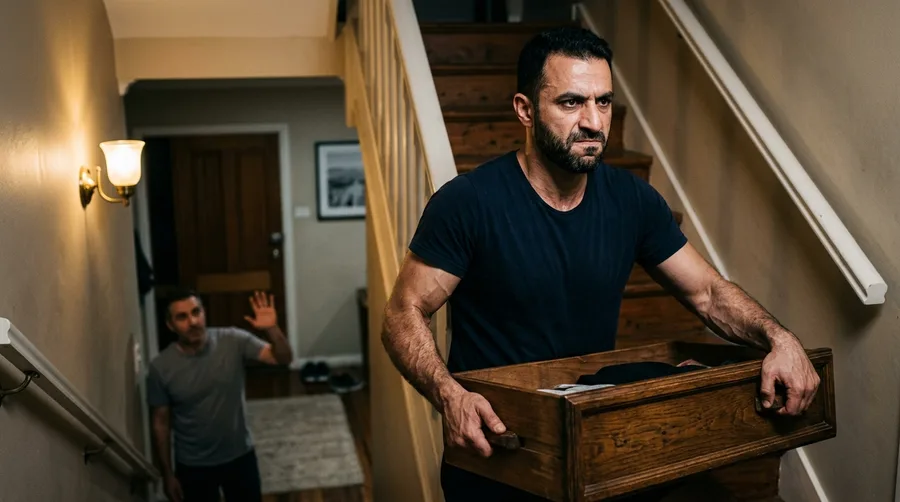
People praise intense self-reliance as the ultimate sign of maturity, but when it stems from early neglect, it is actually a fortress built out of survival. Asking for help feels like handing someone a loaded weapon because you learned early on that depending on others only leads to disappointment or feeling like a heavy burden.
You spend four hours wrestling a heavy dresser up a flight of stairs alone rather than text a neighbor, convinced that needing anyone is a dangerous vulnerability.
The practical move is deliberately practicing small dependencies with low stakes. Say these exact words out loud the next time the impulse to isolate flares up: I am stuck on this part, can you take a look with me for five minutes, or just pick the restaurant tonight because I honestly do not care.
Independence vs Isolation — At a Glance
🛡️ Driver
Self-Protection
🧱 Method
Zero Requests
⚡ Cost
Chronic Exhaustion
The Fix
Practice making one low-stakes request every single week.
3. Struggling to Identify Your Own Feelings
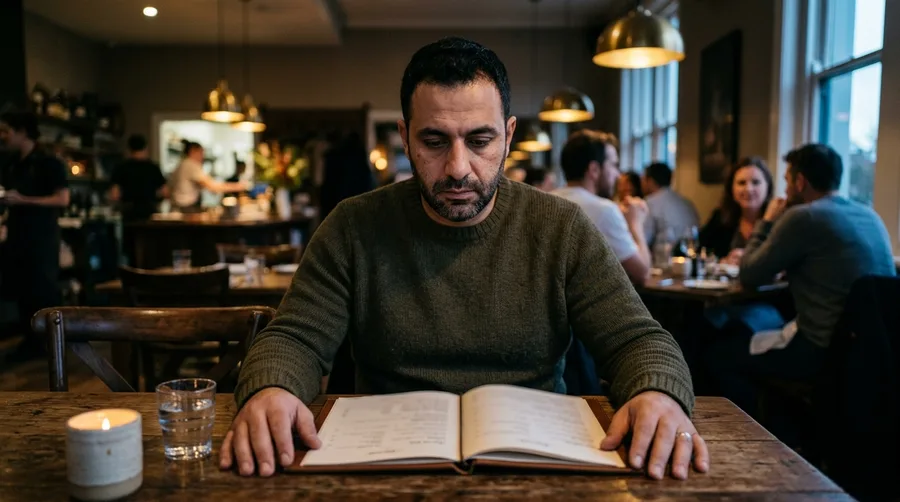
Why does a simple question like what you want for dinner make your mind go entirely blank? That blankness is not ordinary indecision, but a deep disconnect from your internal compass.
When emotional expressions were consistently ignored or dismissed during childhood, you naturally stopped checking in with yourself to keep the peace. Over decades, this survival habit trains your attention to monitor everyone else's mood while ignoring your own entirely.
Over months and years, this silent self-abandonment builds a quiet resentment that routinely surfaces as sudden physical exhaustion or inexplicable burnout. You wake up wondering why your life feels entirely foreign, having spent all your energy pleasing ghosts instead of yourself.
The real cost accumulates in the empty spaces where your preferences should be living, leaving you perpetually exhausted by choices that belong to other people.
💡 Tip: Name one physical sensation before answering any question.
⚠️ COMMON MISTAKE
The People-Pleasing Trap
Guessing what others want while ignoring your own needs leads directly to sudden burnout.
4. Assuming Everyone Will Eventually Leave
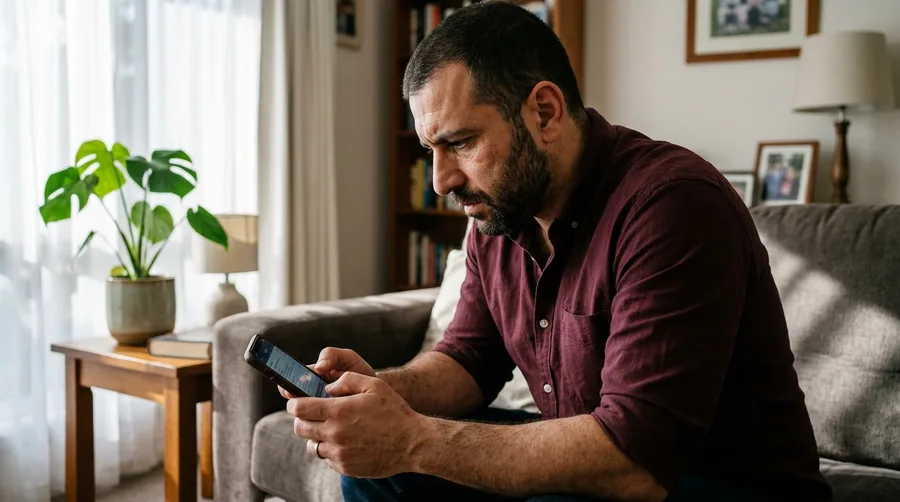
There is a quiet background hum of waiting for the other shoe to drop in every good relationship.
When stability was never modeled during your formative years, lasting peace feels suspicious rather than comforting.
You might find yourself picking fights when things are going genuinely well just to test the structural integrity of the bond.
There are times when this hyper-vigilance is entirely normal and adaptive, like entering a new workplace environment right after experiencing a harsh, unexpected layoff.
Recognizing the actual difference between a real present threat and an old familiar ghost allows you to stay in the room when genuine warmth is finally offered.
Notice when the sudden urge to bolt arises, quietly name the underlying fear out loud to yourself, and consciously choose to stay put for five extra minutes.
When Vigilance Is Useful
5. Treating Your Own Pain as a Major Inconvenience

You work through a raging fever, down painkillers for a migraine, and hide your grief behind a functional mask.
You think you are displaying remarkable resilience, but you are actually broadcasting the quiet message that your suffering does not count.
To the outside world, you look like a high achiever who handles stress with grace, yet to your nervous system, you are reinforcing the belief that you must earn your right to rest through sheer exhaustion.
Stop waiting for permission to stop.
Take a sick day before your body forces you to take three.
💡 Tip: Rest before your body forces you to stop.
💡 PRO TIP
The Cost of Enduring
Treating your basic physical limits as optional guarantees a hard collapse later.
6. Deep Discomfort With Receiving Care

I am fine, seriously, do not worry about it.
That sentence slips out of your mouth before the other person even finishes setting the bag of groceries on your counter, a reflex designed to close the subject instantly.
When someone brings you soup, offers a massage, or insists on paying for coffee, your skin crawls because kindness feels less like a gift and more like an unpayable loan.
You deflect, insist you can handle it, or immediately plan how to return the favor threefold before the day is even over.
Receiving care requires a baseline of vulnerability that feels genuinely dangerous because the support you needed growing up was either entirely absent or came with strings attached.
You view simple kindness as a debt that must be settled immediately to restore your safety, turning every human gesture into a transaction you need to balance.
Accepting a gift without reciprocating is the ultimate practice in letting someone care for the kid you used to be, even when every instinct tells you to pay it back right now.
Say thank you, let the warmth sit in your chest, and refuse the urge to balance the ledger.
The Care Ledger
Old Reaction
- Match favors within 24 hours
- Treat help as a loan
- Refuse comfort during illness
New Move
- Wait a full week before acting
- Treat help as a gift
- Accept soup without an excuse
7. Over-Explaining Every Decision You Make

You cancel weekend plans and send a paragraph of justification complete with timestamps, traffic updates, and apologies.
Simple boundaries come wrapped in essays because you expect to be interrogated or disbelieved. When your childhood reality required you to defend your basic choices, you carry that courtroom dynamic into adulthood. A simple 'I cannot make it' feels naked and dangerous, so you dress it up in armor.
The shift is learning to let your no stand alone without padding or footnotes. Say the sentence, stop talking, and let the silence do the heavy lifting.
Boundary Evolution Roadmap
Frequently Asked Questions
Can emotional neglect happen in a well-fed and housed family?
Yes. Emotional neglect is about what was missing—attunement, validation, and emotional presence—rather than what physical provisions were supplied.
How long does it take to change these automatic adult habits?
Awareness changes things immediately, but rewiring nervous system responses takes months of consistent, small corrections and self-compassion.
Why do I feel guilty when I stop over-explaining myself?
Your nervous system interprets standing your ground as a threat to connection. The guilt is just the old alarm system firing off needlessly.
Is it possible to heal emotional neglect on your own?
Self-awareness and intentional practice help immensely, but working with a trauma-informed therapist accelerates the process of building secure patterns.
Start With This One
Pick just one habit from this list to watch this week.
Notice it when it happens, pause for three seconds, and take the alternative move.
Build Better Boundaries Today
Subscribe to get weekly insights on unlearning old patterns and building real connections.

Meet Edward Green, the founder of GolfingGoal and a seasoned expert in golf. With years of experience on the course and a passion for the sport, Edward has a wealth of knowledge to share. As our Lead Writer, he contributes articles, tutorials, and resources to help readers to improve their skills and reach their full potential on the golf course. Join Our Team!