

You stare at the blinking cursor, watching the same sentence sit untouched for ten solid minutes. Your coffee cup is empty, your shoulders are tight, and the clock insists it is only mid-afternoon.
Most people blame caffeine wear-off or poor sleep, but the real culprit is a predictable shift in cognitive bandwidth. Here is how to fix it in under two minutes without another cup of coffee.
Quick Tips Before You Start
Drink Water First
Dehydration mimics mental fatigue before you even feel thirsty.
Change Your Posture
Stand up and walk across the room to reset sensory input.
Set a Hard Timer
Limit your recovery break to ninety seconds to maintain momentum.
1. The Midday Cognitive Reset

"I just need to push through this last hour," you tell yourself while rereading the exact same sentence for the fourth time.
That brute-force mindset treats your attention like an infinite resource when it is actually a depleting battery. You think you are being productive by staying glued to the screen, but you are really just paying a heavy tax in errors and exhaustion.
Shift the frame completely. Think of that mid-afternoon wall not as a failure of discipline, but as a biological signal to step back. Stand up, look out the window at something twenty feet away for thirty seconds, and let your working memory reset itself.
💡 Tip: Keep your eyes away from phone screens during this break.
At a Glance
2. The Context Switch Trap

Multitasking proponents claim that bouncing between email, chat apps, and documents keeps your momentum high, but researchers tracking workflow interruptions find that every switch leaves a cognitive residue that drains your attention span.
You think jumping between tasks saves time, yet your brain pays a heavy metabolic tax for every single shift.
Close every tab except the single document you need right now, put your phone face down, and tell yourself you will work on only this one task for ten minutes without interruption by saying, I am staying right here with this one page until the timer rings.
💡 Tip: Hide your phone in a drawer to eliminate peripheral temptation.
⚠️ COMMON MISTAKE
Checking Notifications Kills Momentum
Every quick peek at your inbox resets your attention timer back to zero. Keep notifications off during focus blocks.
3. Managing Decision Fatigue

I used to think that afternoon burnout meant I simply needed more willpower to push through the final hours of the workday.
Researchers who study executive function note that decision capacity degrades predictably over the course of a long day as mental energy depletes.
By three in the afternoon, choosing which task to tackle next feels as exhausting as doing the task itself because the brain has run out of gas for trivial choices.
Eliminate micro-decisions by planning your afternoon sequence before you leave for lunch so the roadmap is already waiting when your energy drops.
When three o'clock hits, you should never have to ask what comes next because the list already exists and removes the friction of starting over.
💡 Tip: Write your afternoon priorities on a sticky note on your monitor.
Before You Start
-
Clear your physical desk space Remove everything except your primary tool
-
Close all unrelated browser tabs Minimize digital clutter as well
-
Fill your water glass Hydration supports sustained attention
4. The Power of Micro-Breaks

You sit at your desk for four hours straight, wondering why your brain feels like wet cement by mid-afternoon.
Researchers who track cognitive endurance find that sustained focus degrades sharply past the ninety-minute mark without tiny interruptions to clear the register.
Consistent short pauses outperform grueling marathon sessions every single time because they prevent the chemical buildup associated with mental exhaustion.
Stand up, stretch your arms overhead, and take five slow breaths every hour to reset your attention before the next block of work begins.
💡 Tip: Set a silent recurring timer on your watch to prompt movement.
Afternoon Recovery Metrics
Small changes yield measurable focus gains
Based on standard cognitive recovery benchmarks.
5. Redefining Afternoon Focus

Treating the post-lunch slump as prime time for complex analytical work is a persistent scheduling habit that quietly guarantees daily exhaustion before evening arrives.
The office is finally quiet after the morning meetings clear out, and you sit down ready to tackle your hardest spreadsheet or strategy memo. Except your brain refuses to cooperate because it has already burned through its peak processing hours long before noon. You stare at the same blank cell for ten minutes while the cursor blinks mockingly.
We keep forcing output from an empty tank.
Researchers who study cognitive stamina find that executive function follows a sharp morning peak and a predictable afternoon trough. Treating those low-energy hours as a canvas for heavy problem-solving turns a natural biological dip into an uphill battle against yourself. You finish the day feeling completely drained from the friction.
Shift your deep analytical work entirely to the morning hours while your mental reserve remains fresh. Reserve the post-lunch dip for straightforward mechanical tasks.
Tackle editing drafts, organizing files, and clearing low-cognitive chores during this post-lunch window instead. When the afternoon block hits, close the heavy files and say aloud, 'Save the strategy for tomorrow morning, and knock out the admin backlog now.' Aligning your schedule with your biology removes daily resistance.
When you stop treating the afternoon like a second morning, the constant struggle against your own biology quietly disappears from your work routine for good.
💡 Tip: Schedule client calls and email batches for the post-lunch window.
🌱 GROWING TIP
Match Tasks to Energy Levels
Protect your morning hours for creation, and use your afternoon energy dips for review and organization.
6. Overcoming the Coffee Myth

Three cups of coffee before noon is the usual fix.
You assume another espresso at 2:30 PM will rescue your declining output, but caffeine late in the day merely masks natural adenosine buildup while quietly sabotaging your sleep architecture tonight. That borrowed alertness guarantees a much steeper energy deficit tomorrow, locking you into a compounding cycle of exhaustion.
Swap the afternoon trip to the cafe for a cold glass of water with a tiny pinch of salt to restore cellular function without paying for it with broken sleep.
💡 Tip: Cut off all caffeine intake by noon.
Metabolic Toll — Behind the Numbers
⏳ Adenosine Half-Life
Up to 6 Hours
🌙 Sleep Architecture
Rem Sleep Fragmented
🧂 Salt Ratio
One Pinch Per Glass
Failure Mode
Each late espresso shifts tomorrow's baseline down, requiring more volume for the same output.
7. The Fine Line of Rest

Pushing through chronic sleep deprivation with sheer willpower eventually creates a physical debt that no afternoon focus hack can ever repay.
You sit at your desk at three in the afternoon, staring at the same spreadsheet row for ten straight minutes while your eyelids feel like lead.
The mistake is treating this specific kind of heavy, dragging tiredness as a lack of discipline when your body is simply screaming for actual physical recovery after days of sleeping four hours a night.
When those brutal weeks hit, trying to optimize your output with caffeine or posture adjustments is like trying to drive a car with no fuel left in the tank.
Drop the pretense of high performance right then and there, dial back your remaining output expectations for the day, and let yourself off the hook.
Say this quietly to yourself when the guilt creeps in: I am trading peak productivity today so I can protect my sleep tonight and function tomorrow.
💡 Tip: Prioritize an eight-hour sleep window when chronic fatigue hits.
Skip This If
8. Misreading the Slump Signal

Why does your focus completely vanish every single afternoon right when your to-do list is at its longest?
You stare at the blinking cursor on your monitor and immediately decide that you are simply lazy, undisciplined, or failing at your job.
That harsh internal verdict triggers an instant wave of quiet anxiety, which burns through your remaining glucose reserves and deepens the mental fog even further.
In reality, researchers who study cognitive endurance find that this predictable afternoon drop is just an automated biological signal indicating that your nervous system needs a brief physical reset.
Treat that sudden heaviness like a low-fuel light flashing on a car dashboard rather than a personal moral failure.
Stand up from the desk, step away from the screen for sixty seconds, and let your eyes adjust to a distant wall before you try to write another sentence.
💡 Tip: Breathe deeply for sixty seconds instead of criticizing your output.
9. The Quiet Cost of Force

You force yourself to work through the afternoon slump with sheer willpower, month after month, treating your attention like an infinite resource that never needs to idle.
What this quietly buys you is a temporary illusion of afternoon productivity, while it quietly spends your long-term creative capacity and leaves you completely burned out by dinner time.
Instead of pushing through the three o'clock wall, close your laptop screen for ninety seconds, look away from any digital display, and let your eyes focus entirely on a distant corner of the room before returning to your tasks.
💡 Tip: Stop working at 5 PM and let your brain truly recover overnight.
10. The Ten-Second Focus Audit

How many tabs are currently open across your computer screen, and exactly how many hours have passed since you last stood up to move your body?
If the real tally sits at twenty open browser tabs and four consecutive hours of uninterrupted sitting, your sudden afternoon exhaustion is entirely self-inflicted. Your brain is not failing because you lack personal discipline; it is buckling under the weight of managing dozens of competing digital priorities while your physical body stays completely stagnant.
Close seventeen of those tabs right now.
Stand up from the desk immediately and walk away from the glowing screen. Physically stretch your legs for a full minute, letting your eyes focus on something far across the room. That brief physical interruption breaks the cycle of accumulated mental fatigue and allows your focus to naturally reset.
💡 Tip: Keep your browser window down to three active tabs maximum.
11. The Afternoon Window Break

I used to think walking away from a stalled project at three in the afternoon was just a mild surrender to fatigue, until I watched how attention actually reboots when it stops fighting the glass.
You stare at the glowing screen while the afternoon sun glares across your desk, your eyes burning behind unblinking lids as the same paragraph blurs for the fourth time.
Step away for ninety seconds and look out a window, letting your focal point shift past the immediate pane into the middle distance where the brain finally releases its grip on the task.
💡 Tip: Leave your phone on your desk when you step away.
12. The Myth of Endless Energy

The standard story of productivity insists that sustained high performance requires stamping out every natural dip in momentum.
That relentless expectation ignores how attention actually works across an uninterrupted eight-hour shift.
When three o'clock arrives and focus frays around the edges, the typical reflex is reaching for another double espresso or forcing your eyes back onto the spreadsheet through sheer willpower.
You sit at your desk staring at the same paragraph for ten minutes while your brain actively rejects the words in front of you.
People who maintain steady output throughout the afternoon do not possess a secret psychological reservoir that bypasses fatigue entirely.
Instead of fighting the biological reality of fading concentration, they step away from the desk entirely for ninety seconds to let their working memory clear.
Say this instead when the slump hits and your calendar tempts you to push through: I am stepping away from the screen for two minutes to let my focus reset.
Working with your natural cognitive limits rather than pretending they do not exist is what keeps your energy intact until five o'clock.
💡 Tip: Schedule your most demanding creative work for your personal peak hours.
13. Misreading Digital Clutter
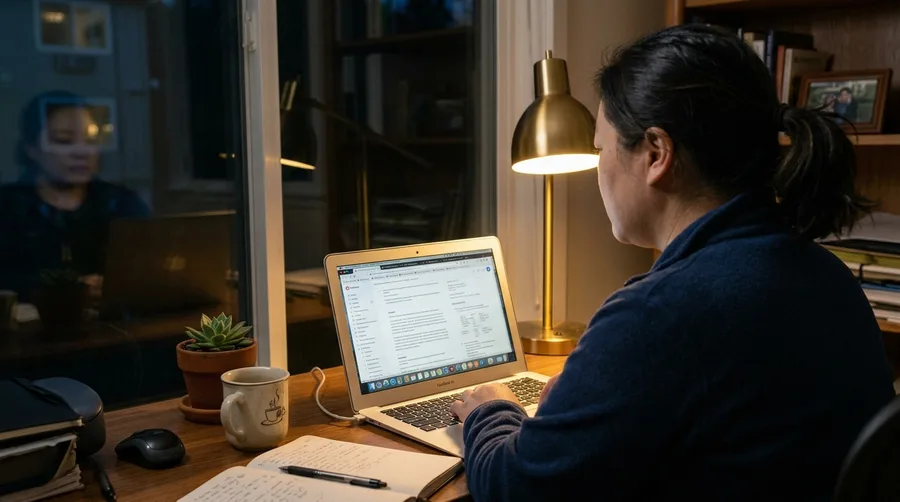
Forty-two browser tabs stay open because they look like options, industry, and the ability to hold multiple competing projects in your head at once without dropping a single thread.
What that spread actually tells anyone watching is that you are paying a continuous, low-level tax on your attention just to keep the windows from vanishing.
Close thirty-nine of those tabs right now, leave the three you need for the active task, and watch how quickly the background static drops.
💡 Tip: Close every tab that does not directly serve your current task.
14. The Healthy Exception Rule

Forcing yourself to stop working when you are deeply locked into a project usually costs you more momentum than it saves.
There are afternoons when a sudden burst of inspiration hits and you can write or code for three hours straight without flagging, and stopping then is a mistake.
When that rare flow state happens, ignore the clock, stay in your chair, and ride it out because rules about afternoon slumps are guidelines for average days, not absolute laws.
The real trick is learning to recognize when your brain is genuinely engaged in productive output versus when it is just spinning its wheels on empty frustration.
True engagement feels effortless and moves the work forward, while fake productivity looks like staring at the same blinking cursor for twenty minutes while feeling guilty.
If you are genuinely producing, let the schedule bend and keep going.
💡 Tip: Protect your flow states whenever they happen spontaneously.
15. The Ten-Second Attention Audit

You look up from your screen at 3:15 PM, feeling the familiar fog settling behind your eyes while your inbox sits half-unanswered.
What are you actually tracking right now, the active task or the six other things you are trying not to forget?
If your answer is the pile, that explains the fog.
When attention splinters across multiple tabs, the brain spends its remaining fuel just managing the friction of switching between them rather than doing the actual work.
Ask yourself one quick question in that exact moment: is my focus currently on the work itself or on the anxiety of how much is left?
If the answer points to the anxiety, pause for ten seconds, close the unnecessary browser windows, and pick the single next step from your pre-planned list before touching anything else.
💡 Tip: Keep your next action so small that it takes zero willpower to begin.
Frequently Asked Questions
Why does my attention always crash at 3 PM?
Your circadian rhythm experiences a natural dip in core body temperature and alertness in the early afternoon. Combined with decision fatigue and dehydration, this creates the classic afternoon fog.
Is afternoon coffee really that bad for focus?
Caffeine blocks adenosine temporarily but lingers in your system for hours, disrupting deep sleep tonight. That sleep debt makes tomorrow afternoon's crash even worse.
What should I do instead of checking my phone during a break?
Stand up, drink a glass of water, and look at something twenty feet away for thirty seconds. This physical reset clears working memory far better than scrolling social media.
How do I handle deep work when my energy is low?
Stop trying to do deep work in the afternoon. Reserve your morning hours for creation and problem-solving, and use the post-lunch dip for administrative chores and editing.
Your First Week of Better Focus
Start tomorrow by pre-planning your afternoon task list before lunch and cutting off caffeine at noon. Notice how small adjustments to your environment change your energy.
When the three o'clock hour arrives, step away for ninety seconds and let your mind reset naturally.

Meet Edward Green, the founder of GolfingGoal and a seasoned expert in golf. With years of experience on the course and a passion for the sport, Edward has a wealth of knowledge to share. As our Lead Writer, he contributes articles, tutorials, and resources to help readers to improve their skills and reach their full potential on the golf course. Join Our Team!