
Resetting a scattered nervous system rarely takes an hour of silent meditation, despite what wellness culture suggests.
It takes less than two minutes once you know which breathing pattern interrupts the adrenaline loop.
Quick Tips Before You Start
Drop the Shoulders
Keep your neck relaxed so your chest does not lift during inhales.
Count Silently
Keep your inner cadence steady rather than rushing through the numbers.
Sit Upright
Slouching compresses the diaphragm and shortens your breath capacity.
1. Why Short Inhales Drain Your Energy Reserve
Everyone is running on empty right now, that is just the baseline.
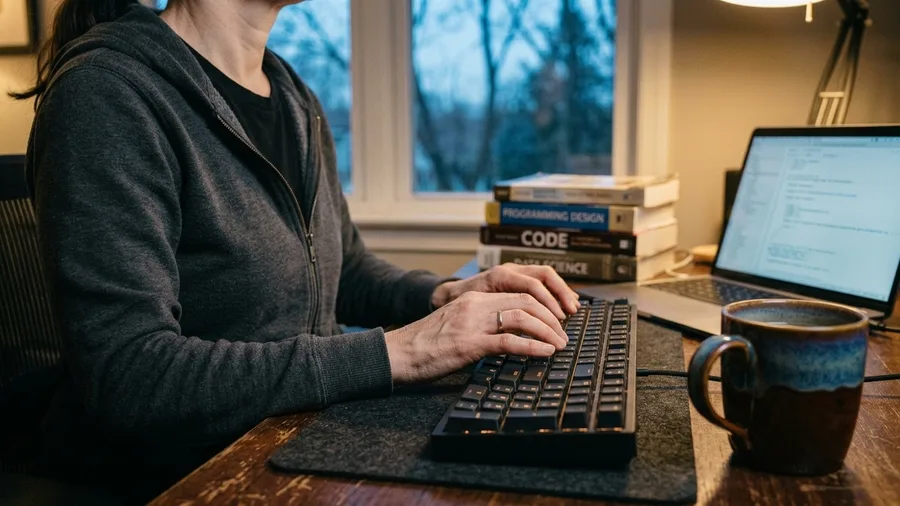
You sit at your desk while your chest tightens and your breathing turns shallow without you noticing the subtle physical shift. That hidden tension quietly drains your cognitive reserve by keeping your nervous system locked in a low-grade alarm state for hours.
People often excuse this exhausting rhythm by convincing themselves that staying constantly on edge is simply the unavoidable price of modern work.
Over months, this invisible expenditure trades your deep focus and patience for mere survival stamina, quietly compounding into chronic exhaustion. You spend your precious weekends recovering from work output instead of actually living, all because your baseline never truly settles.
Stop accepting this invisible drain.
Inhale slowly through your nose for four seconds, hold the air gently for two, and exhale twice as long to clear the debt.
⚠️ COMMON MISTAKE
Avoid Forceful Exhales
blowing air out too hard triggers a minor panic response instead of calming the nervous system.
2. Try the Two-Part Box Breath Now

You trace a steady square in your mind by matching every part of the cycle to a rigid four-count rhythm.
Inhale through your nose for four seconds, hold your breath steady at the top for four, release slowly for four, and stay empty at the bottom for four before starting again.
When your thoughts start to race during a hectic afternoon, you tell yourself to inhale for four, hold for four, exhale for four, and hold empty for four.
That simple structure stops the internal spiral by giving your attention a manual track to follow instead of letting it bounce between a dozen unfinished tasks.
Chest Breathing
- Triggers mild panic response
- Keeps shoulders tense
- Shortens breath capacity
- Maintains adrenaline loop
Diaphragmatic Pacing
- Slows heart rate quickly
- Relaxes neck and jaw
- Maximizes oxygen exchange
- Restores calm focus
3. What Happens When Your Shoulders Finally Drop

For years, I assumed physical tension was just an inevitable byproduct of a long workday, something to stretch out at midnight.
You catch yourself gripping the steering wheel in heavy traffic with your jaw locked tight, shoulders bunched up near your ears like you are bracing for an impact.
That chronic elevation is a silent signal keeping your nervous system on high alert long after the deadline passed. When you consciously let them drop two inches, the sudden rush of relief reminds your brain that you are actually safe right now.
Box Breathing — At a Glance
⏱️ Duration
2 Minutes
🎯 Best For
Acute Focus
🔋 Effort
Minimal
Core Rule
Keep all four phases equal in length.
4. Can a Physiological Sigh Clear Your Head?

Two rapid inhales through your nose followed by one long, slow exhale through your mouth can alter your physical state in seconds.
The mind races because carbon dioxide builds up slightly when we experience mild stress, signaling the brain to panic.
You open a difficult email from a client on a Tuesday morning and immediately notice your chest tightening.
That second small gulp of air reinflates collapsed air sacs in the lungs to maximize oxygen exchange.
This mechanical adjustment forces your heart rate down within three cycles instead of leaving you stuck in high alert.
Instead of waiting for the anxiety to pass on its own, pause right there at your desk, run through the pattern three times, and watch the physical panic recede before you draft your reply.
💡 PRO TIP
Double Inhale Trick
Make the second inhale a sharp top-off right after the first deep breath.
5. How Long Should an Effective Reset Actually Take?

How many minutes do you actually need to spend trying to calm down before the exercise stops working? Researchers who study autonomic regulation consistently find that physical interventions work fastest when kept strictly under two minutes.
When you stretch a simple breathing exercise past that short window, your attention quietly shifts away from the physical reset and onto whether you are doing it correctly. That extra scrutiny introduces performance pressure right when your nervous system needs to drop vigilance, turning a simple physiological reset into a chore.
Going longer often leads to frustration or over-monitoring of the breath, which triggers the exact tension you started out trying to clear. The entire mechanism relies on brief disruption rather than deep meditation.
Keep it short, or it stops working.
Set a quiet timer for ninety seconds, complete a few steady rounds, and walk away before the exercise starts feeling heavy.
Nervous System Recovery
Percentage of tension release by pattern type
6. Is Slower Breathing Always Better?

People often assume that dragging out every single inhalation is the ultimate key to finding calm, but that slows you down completely when what you actually need is a burst of alertness.
Slowing your pace down too much during an afternoon slump only deepens that sluggish feeling instead of clearing the fog.
Instead of forcing a slow count when you feel drained, take three short, sharp inhales followed by one long, slow exhale to wake your system right back up.
Stress Intensity Spectrum
From mild distraction to acute panic
- Mild Fog: Easily cleared with box breathing
- Scattered Focus: Requires physiological sigh
- Acute Overwhelm: Needs extended exhale pacing
7. What Does Your Breath Reveal Under Pressure?

You are sitting at your desk right now, reading a screen while your shoulders slowly creep up toward your ears. Stop for ten seconds and notice where the air is actually going. Is it trapped tightly in your upper chest, or is your lower abdomen moving with each cycle?
Chest breathing tells your nervous system that you are currently under direct threat, keeping your heart rate high and your muscles braced for impact. Belly movement sends the exact opposite signal, telling your body that you are entirely safe in this room right now.
Shifting from a chest pattern to a belly pattern takes deliberate, conscious effort for about thirty seconds before your body automatically takes over the rhythm. If your chest is doing all the work right now, drop one hand to your stomach and force the next three breaths downward.
Old Habit vs New Habit
Comparing stress management approaches
8. Why Quick Fixes Often Mask Deeper Stress
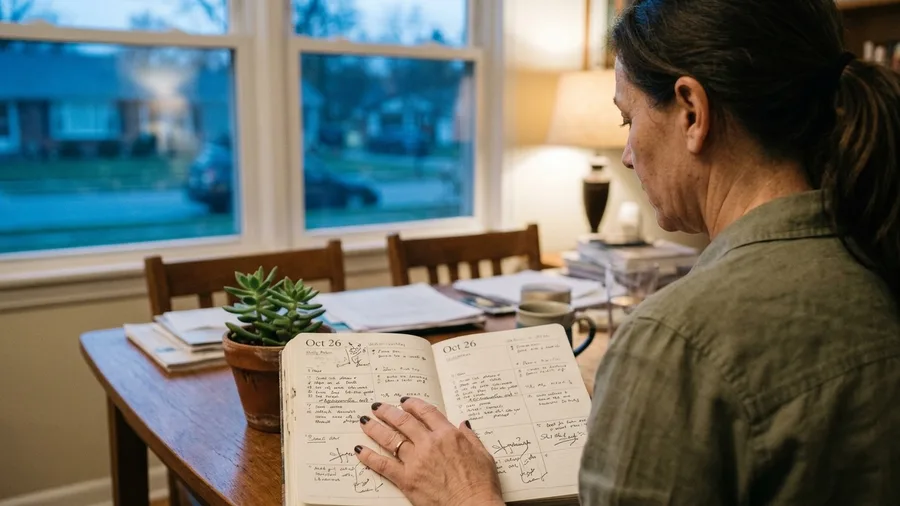
You spend two minutes dropping your shoulders and extending your exhales, only to find the exact same chest tightness returning the moment you open your inbox.
The mistake lies in treating a physiological reset like a permanent fix for an impossible workload.
A breathing pattern gives you a clear window to think without panic driving your choices, but it does not actually rewrite your calendar or answer your emails.
Relying entirely on the technique while ignoring the source of the pressure is like mopping up a flooded kitchen while the faucet is still running wide open.
Instead of waiting for the stress to return and then breathing your way through it, use the calm window to draft the boundary email, reschedule the deadline, or close the extra tab.
9. When Is Shallow Breathing Actually Useful?
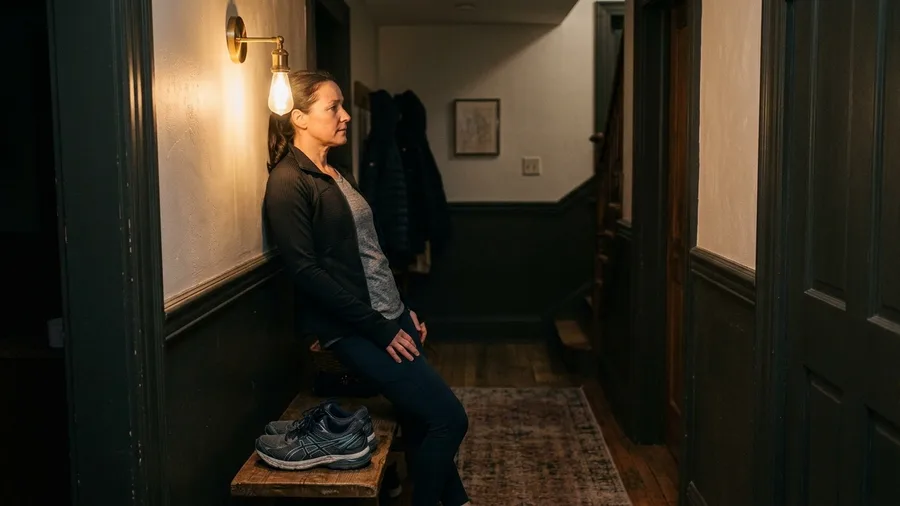
"Keep your chest tight and breathe shallow through the reps." That advice serves a specific purpose when you are under a heavy barbell or sprinting uphill, because keeping your core braced protects your spine.
The physical stress of exertion requires that rigid mechanical bracing to maintain stability under load.
You only need to switch to deep diaphragmatic patterns when the stress is mental rather than muscular, so recognize the difference between lifting heavy iron and sitting at a desk.
10. Should You Ignore Conventional Relaxation Advice?

Most relaxation guides tell you to empty your mind entirely, which usually makes your brain race faster as you monitor your thoughts for mistakes.
You sit down on the edge of the couch after a heavy shift, close your eyes, and immediately command yourself to think about nothing at all.
Within ten seconds, a rogue to-do list item pops into your head, followed instantly by the frustrating realization that you are already failing at relaxing.
Trying to stop thinking creates a secondary frustration loop that defeats the purpose of the exercise, turning a simple reset into an exhausting mental chore.
Instead of forcing silence, anchor your attention strictly to the physical sensation of air moving past your nostrils.
Count the seconds of the exhale instead of tracking thoughts, and let distractions drift by without judgment.
Tell yourself quietly, my only job right now is to notice the temperature of the air leaving my nose, and let the rest of the noise wait outside.
11. What Does Rapid Inhalation Actually Signal?
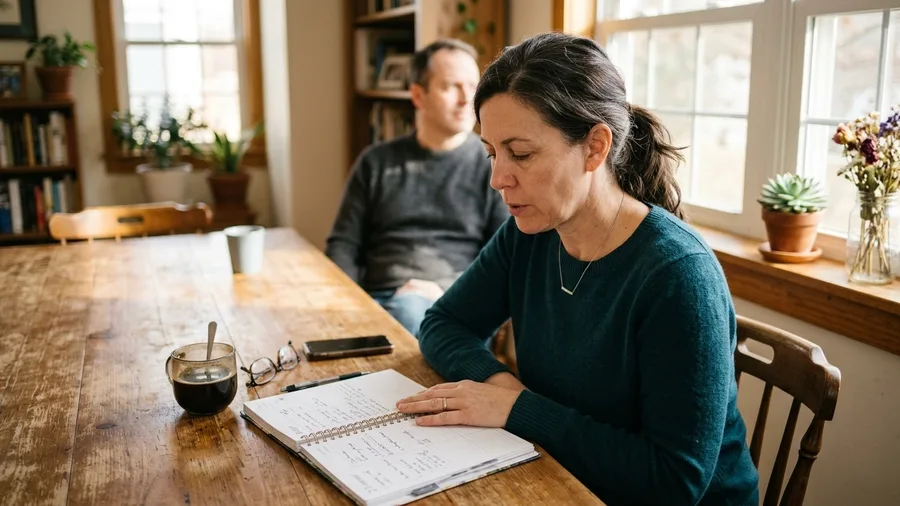
Why do you assume that taking a few quick breaths when you are stressed is simply an ordinary reaction to a busy schedule?
You treat those rapid inhales like a minor habit, but your autonomic nervous system reads them entirely differently. Without any contextual clues, your brain interprets that shallow breathing pattern as a reliable physical signal of immediate danger, treating the moment as a literal emergency.
Instead of waiting for the physical tension to peak on its own, deliberately extend your next exhale to cut the cycle.
12. Try This Simple Reset Script
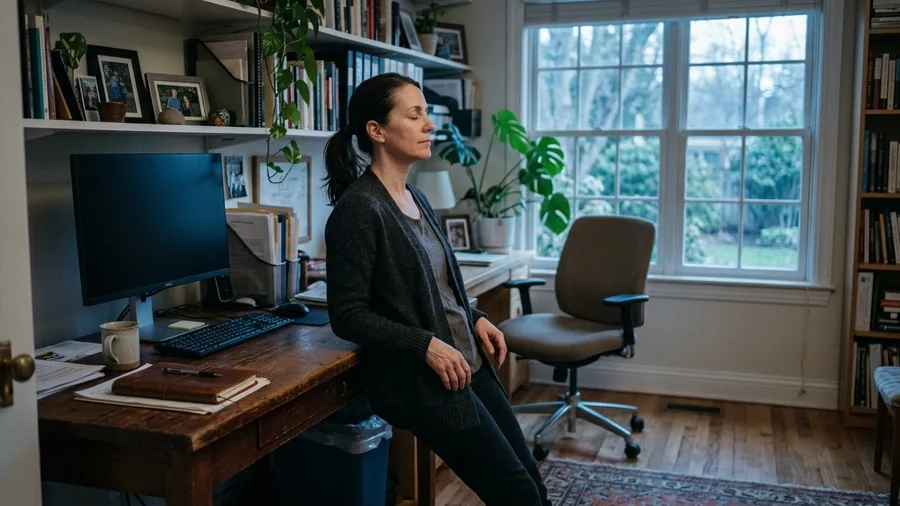
You sit at your desk while the notification chime rings for the fourth time in a minute, and your chest tightens before you even look at the screen. Drop your shoulders, close your eyes, and take a slow breath through your nose.
Saying out loud to yourself that the meeting can wait five minutes changes the physical pace of your thoughts. Tell yourself simply that you are handling one thing right now and let the rest sit.
Notice how your jaw loosens when you speak those lines quietly in an empty room. Take one final deliberate exhale through your mouth before you open your eyes and return to the work.
13. How Reframing Your Breath Changes Focus

Treating a simple breathing exercise like a sacred ritual is an easy way to abandon it before the week even ends.
You wait for the quiet room, the right posture, and twenty uninterrupted minutes that never actually show up on your calendar.
Viewing your breath as a mechanical input instead changes how the whole habit functions during a regular workday.
You are simply adjusting your internal chemistry using basic physical levers right at your desk.
This practical shift removes the performance pressure completely and makes consistency much easier to maintain.
14. Why Two Minutes Is the Sweet Spot

One hundred and twenty seconds is the exact threshold where biology shifts without demanding a lifestyle overhaul.
Shorter durations get skipped because the mind barely registers the pause before rushing back to the inbox or the looming deadline.
Longer sessions feel like a heavy chore that requires clearing your entire schedule and finding a quiet room.
Commit to one hundred and twenty seconds of deliberate pacing before your next meeting to reset your focus instantly.
15. Are You Ready to Reset Your Mind?
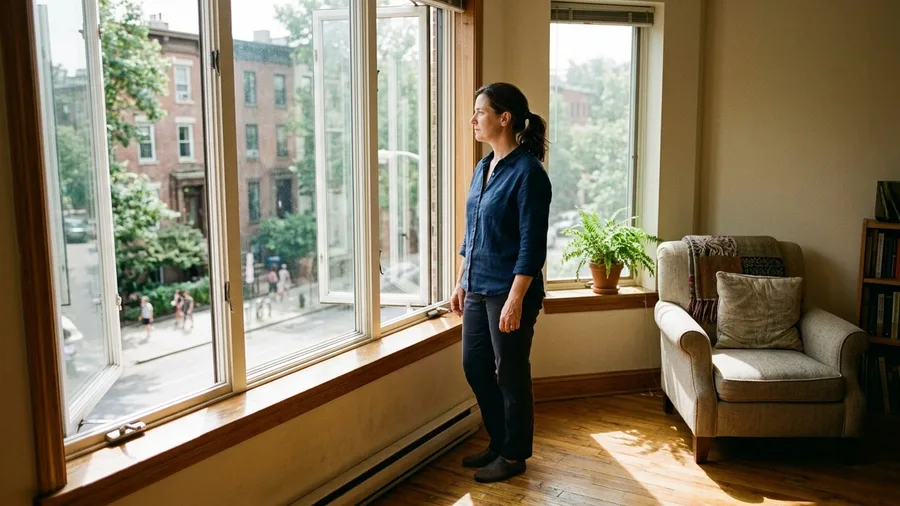
I used to think that waiting until the weekend was the only way to catch up with a runaway nervous system, as if exhaustion required a multi-day recovery window to matter.
Think about how often you let a racing mind dictate your afternoon productivity while you stare at a blinking cursor, convincing yourself that powering through is the only option left on the table.
If you want a different outcome tomorrow, pick one pattern from this list and test it immediately the next time your chest feels tight over an ordinary email.
Your nervous system responds to physical action long before it responds to logic or pep talks, which is why intellectualizing your stress rarely calms the pulse.
Take a slow breath right now and let the tension drop from your shoulders while you ask yourself whether you are actually out of time or just running on fumes.
If the answer is fumes, the move is to stop negotiating with the overwhelm and let the physiological shift do the work for you.
Frequently Asked Questions
How often should I use these breathing patterns?
You can use them anytime your mind feels scattered or overwhelmed. Doing a quick two-minute session between demanding tasks helps prevent cumulative stress buildup.
Can breathing exercises replace medical treatment for anxiety?
No. These patterns are tools for acute nervous system regulation and everyday stress management, not clinical treatments for chronic conditions.
What if I feel dizzy while pacing my breath?
Dizziness usually means you are forcing the counts too hard. Return to your normal breathing rhythm immediately and resume gently when you feel stable.
Do I need to close my eyes during the exercise?
Closing your eyes helps reduce visual stimuli, but you can also practice these patterns with a soft gaze pointed downward if you are at work.
Your Immediate Reset Action
Pick one breathing pattern from this guide and test it for two minutes right now before you close this tab.
Notice how your shoulders drop and your focus sharpens the moment you take control of your exhale.
Test the Two-Minute Reset
Scroll back up to the box breathing sequence and run a single cycle right now.

Meet Edward Green, the founder of GolfingGoal and a seasoned expert in golf. With years of experience on the course and a passion for the sport, Edward has a wealth of knowledge to share. As our Lead Writer, he contributes articles, tutorials, and resources to help readers to improve their skills and reach their full potential on the golf course. Join Our Team!