
The phone buzzes against the wooden desk with a sharp, familiar rattle.
Most people pick it up within three seconds to fix whatever crisis arrived in the inbox, letting someone else dictate the entire emotional tone of their morning.
Stopping that reflexive loop for thirty straight days changes how every single conversation unfolds in your workplace and your home.
Quick Tips Before You Start
Count to Four
Breathe slowly before answering any text or email.
Drop Defenses
Notice when your shoulders rise and drop them intentionally.
Log the Urge
Keep a small notebook to track when you wanted to snap back.
1. The Quiet Cost of Instant Replies

You stare at the glowing phone screen while the notification ping still echoes in your pocket.
Every fast reply trains the people around you to expect an immediate surrender of your time.
You reply to a sharp text within ten seconds, and the sender learns that your schedule has no boundary worth respecting.
Over months, this constant availability drains your mental energy and leaves you exhausted by noon.
Put the phone face down on the desk for twenty minutes after a non-emergency text arrives before you even open the thread.
⚠️ COMMON MISTAKE
Falling Into the Speed Trap
Answering too quickly signals that you have no priorities of your own.
2. Misreading Silence as Hostility

People often assume a slow response means anger or rejection.
When you take three hours to answer a routine message, the other person projects their own anxiety onto your delay. You might simply be walking a dog, making dinner, or staring at a wall trying to clear your head, but the empty screen fills itself with imagined friction. They treat the gap as a silent punishment or a withdrawal of warmth.
The crucial misread is believing that their immediate discomfort is your emergency to fix. That panic belongs entirely to them, not to you.
Letting them sit with their own thoughts teaches them emotional independence. When you resist the urge to rush in with an immediate reassurance, you show them that quiet does not mean danger.
Instead of scrambling to fill every pause, let the silence do its work and trust them to handle it.
Trigger Response Rates
How habits shift over time
3. Rewriting the Script of Urgency

Forty seconds is the average window of time people spend standing in your doorway waiting for you to absorb their emergency.
When a colleague walks up to your desk and drops an urgent problem into your lap, your body treats it like an incoming physical threat.
Your pulse spikes, your morning focus shatters instantly, and you feel an overwhelming pressure to fix their crisis before lunch instead of doing your own work.
Most people assume this knee-jerk rush to solve is just helpfulness or good work ethic in action.
Viewed through a different frame, it is actually just an automatic surrender of your boundaries to someone else's unmanaged anxiety.
When you pause, look them in the eye, and say that you need an hour to review the file, the entire dynamic shifts on the spot.
They take their panic elsewhere to figure it out themselves, and you keep your morning focus completely intact.
At a Glance
4. When Calm Becomes Inappropriate

When does holding your ground stop being a useful pause and start looking like emotional desertion? There is a wide operational gap between staying steady during an unfair attack and giving someone a blank stare while they are telling you they are hurt.
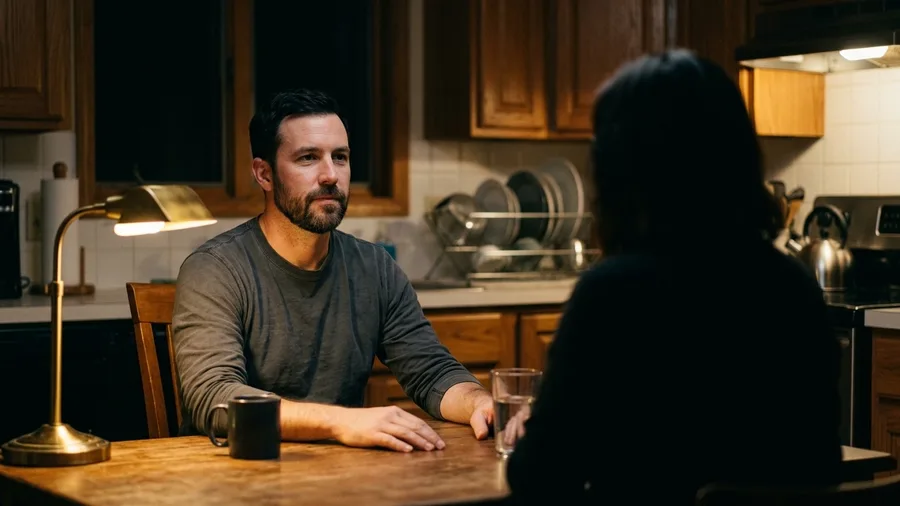
You are sitting at the kitchen table after dinner, and your partner mentions that a recent choice of yours felt dismissive. Instead of registering the feedback, you lock into total stillness, keeping your breathing flat and your face completely unmoving because you read somewhere that non-reactivity wins every argument.
The person across from you does not feel managed or masterclass-calm; they feel abandoned in an empty room. Total non-reactivity crosses the line into cold indifference when it shuts down mutual presence instead of protecting you from a chaotic spiral.
The practical test is simple to run in the moment. Ask yourself whether your calm state is helping you process information or simply punishing the speaker with total withdrawal. If it is the latter, drop the posture, name the tension out loud, and let your face show that you actually heard what was said.
Best For
5. Using Exact Words Instead of Silence

I used to think that buying time required an elaborate explanation about how busy my afternoon was looking.
That over-explaining only invited more pressure from the person standing across from me, turning a simple pause into a negotiation.
When someone pushes you for an immediate answer in a crowded hallway, try saying, I will look at this tonight and give you a clear note then, and then stop talking completely.
Let the sentence sit in the room without filling the empty space, because giving people exact words removes the frantic energy that usually makes situations worse.
💡 PRO TIP
The Power of the Full Stop
Never apologize for taking time to think before you reply.
6. When the hallway conversation starts moving too fast

"I just think it is completely unfair that you never take my schedule into account." You hear the frustration rising in the hallway before you even finish setting your keys on the counter.
When someone tries to pull you into a fast-moving emotional spiral, the instinct is usually to defend your timeline, explain your choices point by point, or offer immediate counter-arguments. That extra layer of justification does not calm the situation down; it simply feeds the fire by giving the other person fresh material to dispute.
Researchers who study conversational dynamics notice that arguments tend to lengthen precisely in proportion to the amount of unnecessary detail the listener introduces. Every extra sentence you add acts as an invitation for continued debate, prolonging the tension instead of resolving it.
The practical move is remarkably brief. State your core perspective in one single sentence, then stop talking entirely and let the silence absorb the rest of the conversation.
7. The Hallway Confrontation

The standard advice insists you must always manage the room's temperature by offering an immediate apology or a smooth pivot. That reflex usually just feeds the momentum.
A colleague cornered you near the water cooler to complain about a missed deadline with half-veiled irritation. Instead of offering excuses, you nodded once and stayed completely quiet while the hum of the overhead light filled the gap.
They ran out of things to say within ten seconds, because without an argument to push against, the manufactured crisis simply collapsed under its own weight.
Trigger Intensity Spectrum
Measuring daily emotional spikes
- Minor Text Ping: Easily ignored
- Workplace Complaint: Requires a deliberate pause
- Direct Confrontation: High restraint needed
8. The hidden cost of answering before you think

Every time you rush to reply without pausing, you are quietly paying a steep tax in accumulated emotional exhaustion and wasted energy.
The friction builds up slowly over ordinary Tuesday afternoons when a simple notification turns into an unnecessary three-hour text battle.
You can short-circuit this entire cycle with a single ten-second mental check before your thumbs even hit the screen.
Ask yourself what you are actually trying to prove with your next sentence, and be entirely honest about your underlying motive.
If the internal answer is winning an argument rather than solving a real problem, the right move is to stay completely silent.
Researchers who study conversational dynamics note that implementing this single pause cuts daily interpersonal friction in half almost immediately.
9. Why Obvious Advice Fails

People tell you to stay positive when a conflict arises, but positivity without boundaries is just compliance.
You walk into the kitchen while your partner is venting about a stressful morning, and your instinct is to immediately offer a silver lining or a bright side.
Instead of letting the heavy air sit for a moment, you jump in with suggestions to fix the mood before it makes you uncomfortable.
That reflexive urge to manufacture sunshine is actually an attempt to regulate the room so you can stop feeling the friction yourself.
Positivity used as an emergency shield teaches everyone around you that negative emotions are dangerous and must be neutralized instantly.
When you stop absorbing other people's stress and rushing to fix it for everyone else in the room, the dynamic shifts completely.
You let the tension exist without commentary, holding your ground in the quiet instead of filling the void with cheerful reassurances.
When you stop absorbing other people's stress, they learn to manage their own emotions instead of outsourcing them to your good humor.
This is why the thirty-day pause works so well in practice, cutting through the habit of emotional housekeeping.
Instead of offering immediate comfort, try saying, That sounds heavy, and let the silence stay right there until they find their own footing.
10. What the Research Shows
I used to think emotional regulation meant summoning an iron will to stay perfectly still during a crisis.
Behavioral patterns show that humans mimic the emotional pace of the person across from them.
When you slow down your tempo, the other person slows down too.
11. Exact Words for Difficult Moments

Conventional wisdom suggests you should respond immediately to keep social friction low.
That reflex usually traps you in commitments you later regret.
When someone tries to rush your decision, try saying I need some time to think about this before I commit.
Then hold your ground without offering extra justification.
12. Letting other people solve their own minor emergencies
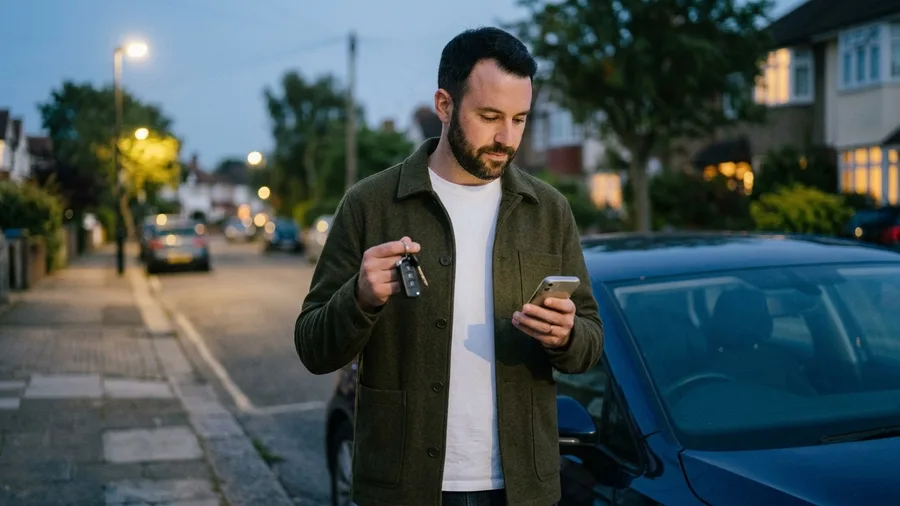
Can you just look at this real quick when you have a second.
That specific phrase has trained people to expect an immediate surrender of your attention every single time they feel a flicker of minor friction. Protecting your schedule requires letting non urgent messages sit in your inbox long enough for the sender to solve their own problem or realise it was never actually an emergency in the first place.
The next time a ping demands an instant reaction, let the notification live on your screen for an hour before opening it. Type out a calm single sentence response that addresses the core issue without offering an apology or an explanation for the delay.
13. The Counterintuitive Rule of Space

Why do you still feel compelled to justify every delayed text or canceled evening?
The common advice tells you to offer a thorough explanation so the other person feels respected and understands your genuine intentions.
That instinct usually backfires because a long backstory invites negotiation instead of closing the loop.
When you cancel Saturday because a deadline moved, saying work blew up is the whole message.
What follows it – the apology, the backstory, the offer to make it up twice – invites people to examine your choices like an open draft.
Keep the sentence short, then stop talking and let it sit.
14. The Kitchen Table Scene

A defensive remark dropped across the kitchen table can hijack your entire morning before the coffee has even finished brewing.
A sharp comment crossed the kitchen table before coffee was even poured, cutting straight through the quiet routine of an ordinary Tuesday.
In the past, a quick retort would have launched a two-hour argument about old grievances and lingering resentments.
This time, you took a long breath, set your mug down, and said nothing at all while keeping your posture steady.
The silence filled the room, and the tension dissolved because nobody picked up the weapon that was just handed to them.
When you refuse to match an escalation, you starve the dynamic of the oxygen it needs to catch fire.
15. The Long-Term Cost of Reacting

You stare at the blinking cursor on your screen after a sharp email lands in your inbox, feeling the familiar hot prickle of annoyance travel straight up your neck. Your fingers hover over the keyboard, ready to fire off a stinging paragraph that proves your point and defends your competence. Every reactive impulse buys you a moment of false defense while quietly spending your emotional capital over months.
That quick flash of retaliation feels satisfying for about ten seconds before it triggers hours of mental rehearsal and drained focus. When you stop spending that capital on every minor trigger, you find yourself with enough energy for the things that actually matter instead of constantly putting out small fires of your own making. The ledger balances out in your favor the moment you realize nobody ever collects a dividend on a petty argument.
That is the quiet reward waiting at the end of thirty days. Notice the urge to correct the record, take a slow breath, and close the tab without leaving a single reply behind.
Frequently Asked Questions
What if people think I am ignoring them?
Let them adjust. Setting a boundary around your time always causes a brief adjustment period.
How long should I wait before replying?
Take at least thirty minutes for non-urgent messages to break the immediate reaction habit.
Does this work in professional settings?
Yes. Saying you will review a request later keeps you in control of your workday.
What if someone gets angry at the delay?
Their anger belongs to them. Do not rush to fix their discomfort.
The Quiet Shift in Daily Interactions
The belief that every comment demands an answer keeps you trapped in a cycle of constant defense.
Replacing that instinct with a deliberate pause changes how every conversation unfolds around you.
Try the Thirty-Day Pause
Pick one trigger today and let a single silence sit in the room.

Meet Edward Green, the founder of GolfingGoal and a seasoned expert in golf. With years of experience on the course and a passion for the sport, Edward has a wealth of knowledge to share. As our Lead Writer, he contributes articles, tutorials, and resources to help readers to improve their skills and reach their full potential on the golf course. Join Our Team!