
One person hits retirement and exhales, letting the spinning world handle itself. Another person crosses the exact same transition and immediately hunts for new crises to fix, their blood pressure climbing by the month.
I was the second.
Stepping down as an Ohio regional sales manager at age sixty removed my daily metrics, leaving a void my brain instantly filled by micromanaging my daughter's rocky marriage and agonizing over my 401(k). The cure was not finding new projects to steer, but dropping the illusion that I could steer everything.
By practicing Epictetus's Dichotomy of Control, you learn to physically sort your anxieties into two categories, eliminating the stress of aging, family dynamics, and finances to finally secure a quiet mind.
Retirement Transferred My Work Anxiety to My Family

Handing in my regional sales manager badge at sixty did not turn off my brain's desperate need to fix problems. It just eliminated my quarterly targets and left a hole I filled with dread.
For decades, my entire identity was built on micromanaging outcomes and steering a team away from failure. Without a sales territory to oversee, I simply reassigned myself to two new projects: my adult daughter's rocky marriage and my 401(k) balance. If she mentioned a fight with her husband, I spent the afternoon drafting conversational strategies for her to use.
I treated her household like a failing district I had to turn around.
The stock market received the same treatment. A two-percent dip had me pacing the kitchen island, mentally reallocating our entire retirement portfolio before breakfast.
That first year out of the office was not a victory lap. It was a twelve-month panic attack, defined by a tight chest and shallow breathing the second I woke up. Without a system to contain my drive to control things, I was running my nervous system into the ground.
Energy Reallocated To
The Dichotomy of Control Separates Action from Futility

Waking up exhausted by my own frantic attempts to steer the world eventually drove me into the pages of a philosopher named Epictetus. His central rule, the Dichotomy of Control, argues that human misery is the direct result of trying to manage things outside our immediate choices and judgments.
He drew a hard line between what belongs to us and what does not. My own actions, words, and decisions are mine.
The rest of the world is completely off limits.
That means the global economy dragging down my retirement account is not mine to manage. The genetic realities of aging are not mine, and neither are the opinions or arguments of the people I love. They fall definitively on the other side of the fence.
Grasping that another person's judgment or reaction is fundamentally out of my jurisdiction provided an immediate rush of psychological relief.
I was not failing to fix my daughter's marriage or the stock market. I was simply exhausting myself trying to steer a ship I was never actually on. The anxiety began to clear the moment I stopped trying to do the impossible.
What Goes in My 10-Minute Morning Journal
The 'Mine' Column
- Closing the 401(k) portal after one glance
- Swallowing the blood pressure pill at 8 AM
- Saying 'I hear you' and offering zero advice
- Letting my former team solve their own crises
The 'Not Mine' Column
- The Federal Reserve's next interest rate hike
- What the doctor's cuff reads on Tuesday morning
- My son-in-law's refusal to go to therapy
- How the new regional manager hits this quarter's quota
A Two-Column Morning Journal Enforces the Boundary

Grasping the philosophy intellectually did nothing to stop my morning panic until I built a physical daily system to enforce the boundary. I bought a cheap notebook and started a ten-minute morning habit of sorting my specific anxieties into two rigid columns: 'Mine' and 'Not Mine'.
Every morning at the kitchen table, the noise in my head goes onto the paper.
If my daughter calls in tears about her latest argument, I initially write her marriage troubles on the left side of the page. Then I look at the item, recognize it belongs to two other adults, and physically rewrite it in the right-hand column.
The magic of this practice is what happens to the original entry on the left side.
I strike it out with a heavy pen.
Dragging a thick ink line through an uncontrollable problem triggers a visceral, immediate release of physical tension in my body. It is a daily, tactile reminder that the situation is real, but it is not my assignment for the day.
By the time I finish my coffee, the chaos is categorized, and I only have to deal with the items remaining on the left.
💡 PRO TIP
The Physical Strike-Through
Do not just mentally categorize your worries while drinking coffee. The physical act of drawing a heavy black line through an item in the 'Mine' column actually triggers the drop in tension.
Releasing My Grip Saved My Relationship with My Daughter

That morning sorting habit immediately met its hardest test when it came to the people sitting across my own dinner table. My daughter was two years into a marriage that looked entirely broken from the outside, and my sales-manager instinct to step in and fix the problem was ruining our relationship.
I had to force her marriage into the right-hand column.
Every choice she made about staying with her husband, arguing with him, or leaving him belonged strictly in the 'Not Mine' category. My jurisdiction stopped at my own skin.
The next time she called in tears, I caught myself before I could launch into a five-step plan for how to handle him. I replaced my usual lecture with the only action actually assigned to me: sitting quietly and listening. I just let her talk.
The shift in her reaction was almost immediate. When the parental pressure vanished, her defensiveness vanished with it.
She started calling twice as often, completely dropping the guarded tone she usually used around me. She just wanted a father who would hear her out, rather than a manager trying to run her life.
My daughter reacted to the sudden lack of parental pressure by calling more frequently and talking without defensiveness.
— The immediate result of dropping the rope
Health Became About Daily Habits Rather Than Diagnoses

Stepping back from managing my family's choices paved the way for tackling the fear of my own physical decline. For months, watching my blood pressure creep upward at the pharmacy monitor sent me into a quiet, daily panic about the bad genetics on my father's side.
I was terrified of dropping dead.
The fear came from trying to negotiate with my own cellular decay. So I took the notebook and split my health straight down the middle, putting my genetic history and the inevitable aging process on the side of things I simply do not own.
On the left side, the 'Mine' column, I wrote down a two-mile walk and my daily sodium limit. Those were the only two variables actually sitting on my desk.
The dread disappeared the moment I stopped trying to control the uncontrollable outcome of how many years I get to live. Walking into the doctor's office for a checkup stopped feeling like a sentencing hearing.
We looked at the numbers together as objective data. If a metric slipped, I just adjusted what was in my column and left the rest to nature.
The Health Anxiety Filter
🎯 Target
My daily sodium intake
🛑 Ignore
Cellular aging
👟 Action
Two-mile walk
Ignoring the Market Cured My Financial Dread
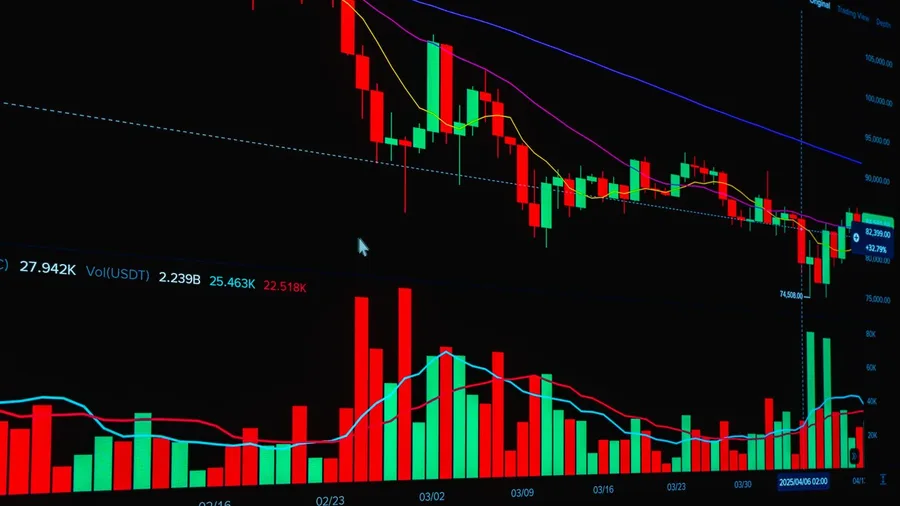
Learning to look at my medical numbers as plain facts without an emotional story attached perfectly trained me to face my retirement accounts. Before I started the sorting habit, I checked my 401(k) balance on my phone at least three times a day.
Every dip in the market felt like a personal failure.
Staring at a screen was never going to bend the global economy to my will. The Federal Reserve, interest rates, and the stock market are entirely deaf to an Ohio retiree's anxiety, which means they belong strictly in the right-hand column of the journal.
I deleted the financial apps from my phone and shifted my attention entirely to the math I could touch. My personal monthly budget and my immediate spending choices were the only numbers that actually reported to me.
If I wanted to feel secure, I had to find that security by managing the cash leaving my own wallet today.
Worrying about massive financial shifts was a miserable waste of time, completely detached from reality. When I finally accepted that I could only manage my grocery bill and not the Dow Jones, the lingering dread of running out of money just quietly evaporated.
⚠️ COMMON MISTAKE
Refreshing the Balance
Looking at a fluctuating retirement account multiple times a day creates the illusion of control. You cannot fix the global market by staring at a screen.
Acceptance Does Not Mean Becoming a Passive Observer
Refusing to check the global market indices did not turn me into a detached spectator of my own life. The philosophy often gets mischaracterized as cold indifference or throwing your hands up in defeat.
It is actually a ruthless system for reallocating energy.
When I stopped pouring my mental reserves into the black hole of macroeconomic anxiety, that effort had to go somewhere. I took the hours I used to waste pacing the kitchen over things outside my reach, and I poured them into our local food bank.
Managing the loading dock schedules and organizing distribution shifts uses the exact same logistical drive I relied on as a regional manager. The difference is that the inventory responds directly to my labor.
You stop funding lost causes.
Passive resignation simply accepts defeat and stays on the couch. The two-column practice demands the opposite, requiring an active, focused effort on daily execution. You have to hunt down the actions that belong in your column and work them aggressively.
I did not stop caring about outcomes. I just started applying my effort exclusively where it actually works.
The Physical Relief of Finally Saying 'Not My Business'

Applying all my remaining effort strictly to my own column fundamentally altered my daily physical baseline. After a career of carrying the weight of other people's decisions, actively classifying an external burden as 'not my business' produces a sudden, bodily reaction.
The moment I log a worry on the right side of the notebook, the persistent tightness in my chest disappears and my shoulders visibly drop.
The anxiety loses its physical grip.
I still fail at this regularly. I will catch myself drafting unsolicited advice for my daughter in my head, or feeling a spike of panic over a news report. The difference now is entirely in the speed of the recovery.
A perceived crisis that used to send me into a three-day spiral of obsessive problem-solving now lasts about four minutes. I run the mental check, locate the boundary, and step back.
The panic simply runs out of fuel.
I spent the first year of my retirement bracing for disaster, letting the chaotic fear of my early sixties dictate my mornings. Eight years later, at age 68, that constant alarm has been completely replaced by a profound, durable peace.
Frequently Asked Questions
Does the Dichotomy of Control mean I ignore my health?
No. It means you focus strictly on your daily habits, like walking and eating well, rather than obsessing over genetics or aging cells you cannot change.
How do I stop offering my adult children advice?
You have to classify their choices as entirely out of your control. Replace the urge to fix their problems with a deliberate habit of just listening.
Do I really need to write the columns down?
Yes. The physical act of writing a worry down and crossing it out breaks the mental loop far better than just thinking about the rule.
Does this cure financial anxiety completely?
It shifts the focus. You will still notice market drops, but you redirect that nervous energy into managing your daily budget instead of refreshing your 401(k) app.
The Next Time Your Chest Tightens
The next time your chest tightens over a situation you cannot physically reach, pause and use the exact mental script that saved me: 'I cannot control this outcome, I can only control my response, and I choose to let it go.'
The void left by my old sales manager badge is no longer filled with panic over my daughter's choices or my 401(k). Peace of mind is not the absence of problems, but the discipline of knowing exactly which problems belong to you.
You can spend your open calendar fighting other people's crises, or you can finally exhale.
Start Your Two Columns Tomorrow Morning
Grab a blank notebook and spend ten minutes sorting your immediate worries before you check your phone.

Meet Edward Green, the founder of GolfingGoal and a seasoned expert in golf. With years of experience on the course and a passion for the sport, Edward has a wealth of knowledge to share. As our Lead Writer, he contributes articles, tutorials, and resources to help readers to improve their skills and reach their full potential on the golf course. Join Our Team!