

A deep connection with a grandchild does not happen over one festive weekend; it quietly forms across years of ordinary, twenty-minute conversations.
It is easy to assume that closeness requires costly theme parks, extravagant gifts, or heavily scheduled outings. But young people already face constant evaluation at school and in sports, leaving them drained by everyday performance pressure.
What they actually crave is a rare relational refuge where someone listens without rushing to judge, correct, or hurry them along.
Adopting eight practical habits turns family visits from polite duty into a safe sanctuary grandchildren actively seek out.
Quick Tips Before You Start
Trade Quizzing for Curiosity
Swap questions about grades or soccer scores for open wonder about their real interests.
Protect Unstructured Slowness
Leave wide gaps in your afternoon schedule so spontaneous connection has room to happen.
Back Up House Rules
Support parental boundaries around bedtime and tech to keep visits relaxed and drama-free.
Park Your Own Screen
Put your phone out of sight during visits to signal absolute, undivided personal focus.
Creating Emotional Safety and Connection
Kids spend their school weeks constantly evaluated by teachers, coaches, and peers. Stepping into a grandparent's home should feel like stepping out of the wind.
Building genuine emotional security means trading the urge to critique for the patience to listen. When you offer steady acceptance without sudden moralizing, your home becomes the first place they run when life gets complicated.
1. Listening Without Rushing to Correct or Lecture

"
Leading with an audit of grades, sports milestones, and chore compliance turns a casual visit into a performance review. When adults lead with status checks, children instinctively brace themselves. They shift into a guarded mindset, offering short, calculated responses meant to avoid scrutiny rather than revealing anything about how their week is actually going.
The well-meaning reflex to offer immediate wisdom and life advice shuts down conversation almost as quickly as an interrogation about school performance.
Consider a grandchild mentioning a painful disagreement with a friend at recess. If an adult immediately launches into a lecture about conflict resolution, forgiveness, and character, the child shuts down. That rapid moralizing teaches them that sharing a real struggle only invites an exhausting sermon, so they resolve to keep future updates strictly superficial.
Curious listening requires setting aside the instinct to instruct, choosing instead to focus on understanding the child's emotional perspective without rushing in to fix or evaluate it.
Swapping the investigative questions for an open, unhurried reflection – such as "That sounds really frustrating, what happened next?" – changes everything. It invites the child to keep talking without fearing a correction. They begin to view you not as another judge monitoring their progress, but as a rare, welcoming space where they can be entirely themselves.
💡 Tip: Count to four silently after a child finishes speaking before offering your response.
💡 PRO TIP
The Four-Second Pause
Children often reveal the real heart of a story only after an initial silence. Pausing before responding gives them the space to fill the quiet with their true feelings.
2. Keeping Safe Confidences That Build Long-Term Trust

The boundary depends on the nature of the disclosure.
Minor errors, everyday social anxieties, and private crushes belong in a protected vault outside the household disciplinary loop. Safety-critical issues like bullying or self-harm demand swift parental involvement, but repeating harmless personal admissions as lighthearted dinner gossip instantly shatters confidence. Protecting those ordinary vulnerabilities builds deep security that carries straight into the turbulent teenage years.
When young people know their private words will not be weaponized or broadcast, they keep turning to you when life gets complicated.
Navigating Disclosures and Safety
3. Validating Their World Instead of Mocking Trends

Dismissing the trends of modern youth is the fastest way to make a grandchild feel misunderstood, alienated, and reluctant to share what they love.
Nostalgic declarations about how much healthier childhood used to be before screens frame the child's daily environment as shallow and inferior. Meeting them within their cultural context does not require pretending to love their video games or copying their vocabulary. It simply means accepting that their hobbies and online communities are legitimate aspects of their reality.
Curiosity bridges generational divides far better than judgment.
Asking a grandchild to explain the mechanics of a game or why a particular online project excites them communicates deep respect for their identity. When you treat their passions with sincere interest, you signal that the child themselves is worth knowing. That simple validation turns what could be awkward distance into an enduring, comfortable rapport.
💡 Tip: Ask them to teach you how one game control works rather than offering an opinion on screen time.
Bridging Generational Gaps
What Alienates Kids
- Comparing their screen interests unfavorably to past decades
- Mocking current slang or modern clothing styles
- Treating their favorite online hobbies as a total waste of time
- Dismissing their peer stress as trivial schoolyard drama
What Builds Connection
- Asking genuine questions about how their favorite games work
- Listening to their music with an open, non-critical posture
- Treating their digital friendships as real social circles
- Validating their everyday worries without brushing them aside
4. Offering an Unhurried Presence Without Demanding Schedules
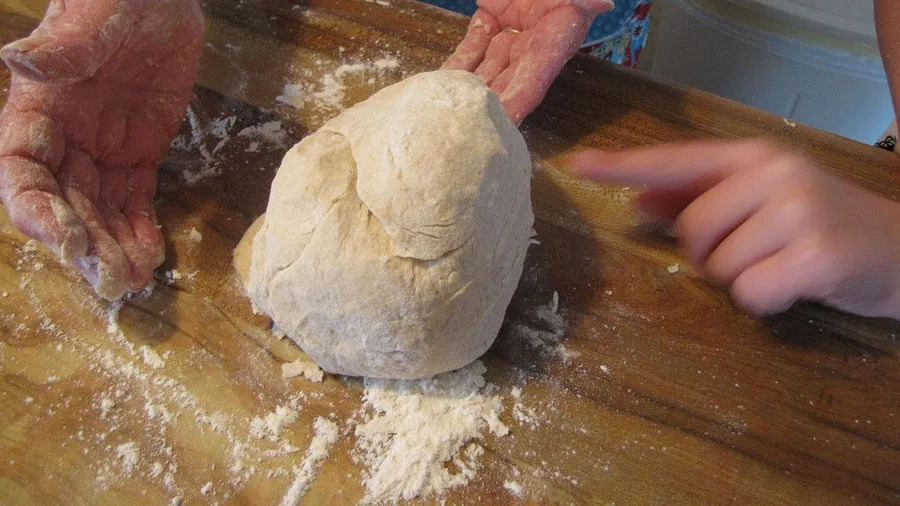
Children need room to breathe, not an entertainment coordinator.
Their school weeks are already crowded with timed drills, team practices, and adult oversight. Packing every visit with museums and ticketed events merely duplicates that fatigue. Offering an open afternoon to stir soup, sketch at the kitchen table, or sit on the porch allows real conversation to surface naturally without an agenda.
A simple invitation does the work: 'There is nothing on the calendar today. We can make lunch, or we can just sit outside and read.' That low-demand environment makes your home a peaceful sanctuary from daily pressure.
Fostering Mutual Respect and Partnership
A healthy grandparent relationship does not exist in a vacuum; it flourishes when the entire family dynamic feels secure and cooperative.
When you treat your grandchild as a capable collaborator and respect their parents' boundaries, you eliminate hidden tensions. Visits shift from high-stakes events into a steady, comforting rhythm built on real mutual respect.
5. Honoring Parental Boundaries to Prevent House Friction
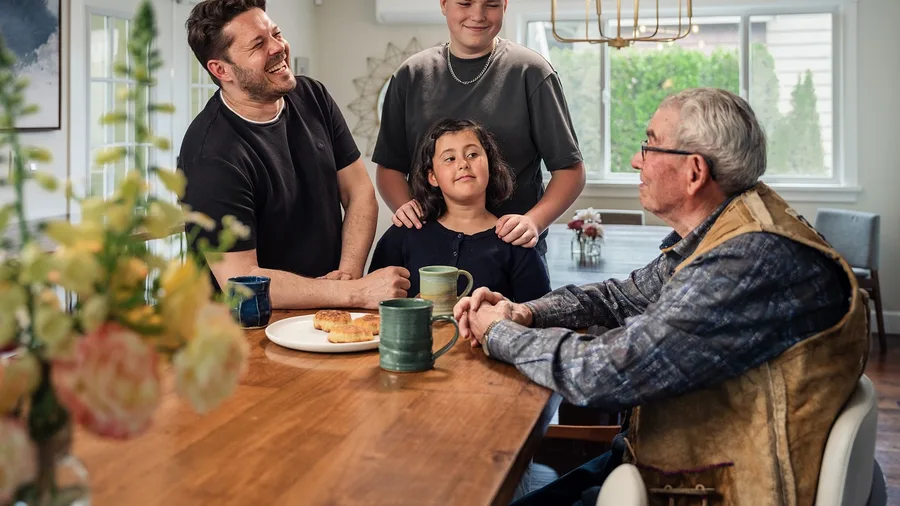
You slip an extra dessert across the counter right before dinner, whispering with a wink that what happens at your house stays between the two of you.
It feels like harmless affection, but secretly undermining parental boundaries actually damages the connection you want to build. When you routinely dismiss rules around bedtimes, screen time, or nutrition, you place the child in an uncomfortable loyalty bind. They are left managing the silent guilt of keeping secrets rather than simply relaxing in your care.
Conspiring against parents never builds healthy closeness.
A special treat works best when it is openly negotiated, such as asking their parents if a movie night can run thirty minutes past bedtime. Directly honoring household standards prevents parental friction, protects future visit schedules, and shows grandchildren that the adults in their lives are operating as a calm, cooperative team.
💡 Tip: Check with parents before introducing treats or movies that push usual household boundaries.
⚠️ COMMON MISTAKE
The Loyalty Trap
Encouraging grandchildren to hide broken household rules makes them feel guilty and anxious. True indulgence comes from generous time and undivided attention, not rule-breaking.
6. Building Simple Traditions Centered on Shared Routines

It is easy to assume that lasting childhood memories require elaborate theme park trips, costly vacations, or extravagant piles of birthday gifts.
Psychologists who study family memory consistently find that emotional attachment anchors to small, repeatable sensory habits. A dependable Saturday morning pancake routine, a specific two-player card game, or a quiet bedtime story provides steady emotional grounding as children grow. The absolute reliability of the habit matters far more than its scale or price tag.
Small, reliable rituals provide security that expensive spectacles cannot buy.
Micro-Traditions — At a Glance
🥞 Morning Ritual
Signature breakfast
🃏 Downtime Habit
One regular card game
🌿 Outdoor Beat
Neighborhood stroll
📖 Nightcap
Shared chapter book
Core Value
Predictable simplicity builds far deeper emotional security than expensive, high-stress outings.
7. Treating Them as Capable Teachers of New Skills

Most people assume elder wisdom is the primary gift you bring to a grandchild. In reality, spending every interaction dispensing life advice keeps the relationship locked in an exhausting supervisory loop.
Children spend forty hours each week being evaluated and corrected by teachers, coaches, and parents. Handing over the reins by asking them to adjust a tablet setting, explain a video game mechanic, or break down a science project reverses that dynamic entirely. Adopting a sincere learner posture shows them their perspective holds tangible value in the adult world.
It converts basic supervision into an active, collaborative partnership.
Over months, insisting on being the teacher costs you their spontaneous openness. Stepping back into genuine curiosity buys something far more durable: a young person who sees your home as a place where their competence is recognized rather than managed, and who speaks freely because they know they will be taken seriously.
💡 Tip: Let them hold the tablet or tool entirely rather than taking it over when they explain.
🌱 How Connection Evolves Over Time
Early Childhood
Warm sensory rituals, gentle bedtime stories, and predictable play habits build foundational security.
Middle Childhood
Learning new shared hobbies and baking together fosters growing competence and mutual delight.
Adolescent Years
Providing an unhurried, non-judgmental conversational haven offers critical relief during stressful times.
Young Adulthood
Equal, respectful dialogue transforms the childhood bond into a cherished lifelong friendship.
8. Giving Focused Attention Free of Multitasking Distractions
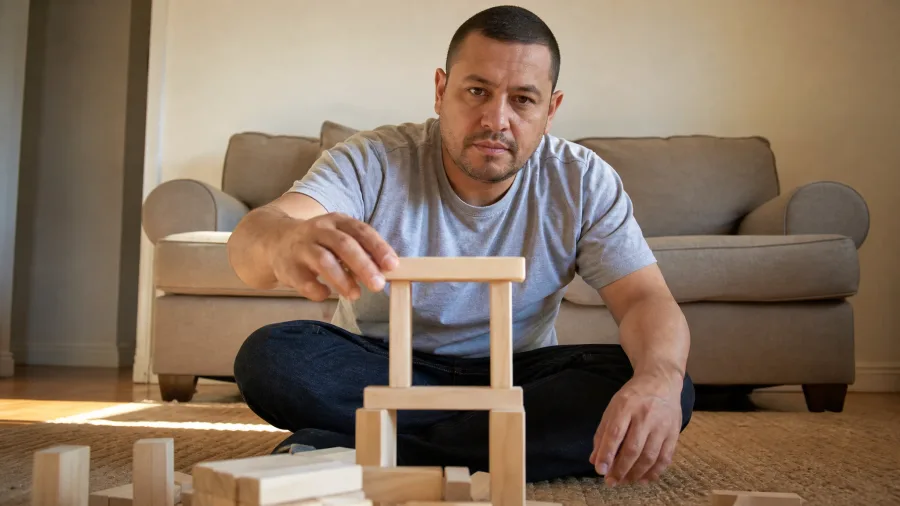
Twenty uninterrupted minutes of undivided attention accomplish more than four hours of sharing a living room while checking notifications, folding laundry, or keeping the television running in the background.
Occupying the same physical space while multitasking leaves a child feeling emotionally invisible, teaching them to hold back their thoughts. Putting your phone in another room, stopping your chores, and holding steady eye contact sends an unmistakable signal: during this window, nothing else is competing for your focus. Short bursts of pure engagement match realistic energy levels while delivering deep comfort.
Focused presence cannot be faked or rushed.
Test this with one straightforward question: in your last visit, did you spend fifteen consecutive minutes listening directly to them without once looking at a screen or checking the clock? If yes, you built genuine trust; if not, the interaction remained pleasant background noise rather than the relational anchor young people actively seek out.
The Power of Focused Time
Small behavioral adjustments that yield significant emotional connection
Frequently Asked Questions
How do I connect with grandchildren who live far away?
Establish short, predictable video calls centered around a specific activity rather than open-ended quizzing. Read a chapter of the same book together or play an online game simultaneously to keep conversations light and interactive.
What should I do if a grandchild seems withdrawn during a visit?
Do not force conversation or express disappointment. Offer parallel activities like drawing, cooking, or yard work where you can comfortably share space together without the pressure of constant eye contact or direct dialogue.
How can I handle differing rules between homes without conflict?
Frame differences neutrally without criticizing their household. You can explain that each home has its own customs while maintaining total respect for their parents' non-negotiable boundaries around safety and health.
What is the best way to bridge large age gaps with teenagers?
Treat them like emerging adults by asking for their genuine opinions on practical topics, asking them to teach you something they excel at, and offering them comfortable spaces to relax without hovering.
The Small Curiosity Move for Your Next Visit
For the next visit, skip the pressure of planning an elaborate outing. Ask a single open-ended question about a game or trend they love, and simply let them explain it without adding advice, critiques, or moral lessons.
Lasting warmth is never bought with lavish spectacles or indulgence. When you offer calm presence and genuine curiosity, those brief twenty-minute exchanges build an enduring haven your grandchildren will choose to return to for years.
Try the Four-Second Rule This Week
During your next family visit, practice pausing for four seconds after your grandchild speaks before offering your reply to see how much more they share.

Meet Edward Green, the founder of GolfingGoal and a seasoned expert in golf. With years of experience on the course and a passion for the sport, Edward has a wealth of knowledge to share. As our Lead Writer, he contributes articles, tutorials, and resources to help readers to improve their skills and reach their full potential on the golf course. Join Our Team!