

Forty hours a week of workplace contact quietly sustained your social network for decades without requiring a single deliberate plan. Once that built-in rhythm vanishes, assuming lifelong friendships will simply endure on fond memories and occasional check-ins is a fast path to isolation.
Leaning on a partner to coordinate your calendar or hesitating to speak openly erodes male bonds until casual drift takes over completely.
Sustaining real friendships after sixty requires replacing passive hope with predictable structure. Learning the specific conversational habits and scheduling systems below will help you build reliable, one-on-one connections that outlast major life transitions.
Quick Tips Before You Start
Pick a Fixed Day
A recurring Tuesday morning walk eliminates the back-and-forth friction of calendar coordination.
Work Shoulder-to-Shoulder
Tackling a mechanical repair or fishing a lake makes talking about real concerns feel unforced.
Call Directly
Text your friend straight from your own phone instead of organizing dinners through family channels.
Drop the Scorekeeping
Forgive a missed phone call without demanding an apology or keeping a mental tally.
1. Automating Regular Meetups Prevents Friendship Drift

Most advice tells you to keep things casual and reach out whenever a free afternoon appears. In retirement, that unstructured approach is usually where contact quietly dies.
When divergent travel, doctor appointments, and caregiving duties strip away the daily friction of the workplace, spontaneous plans require constant negotiation. Men who keep their circles intact establish permanent calendar anchors instead: an 8:00 AM Tuesday diner breakfast, a Thursday morning golf pairing, or a bi-weekly Saturday morning workshop session.
An automated standing meetup removes scheduling friction and the fear of rejection, providing an immovable psychological anchor against post-career isolation.
💡 Tip: Pick a set location with zero table turnover pressure, like a quiet neighborhood diner booth.
Common Misconceptions About Male Friendship After 60
2. Side-by-Side Activities Make Deeper Conversations Feel Natural
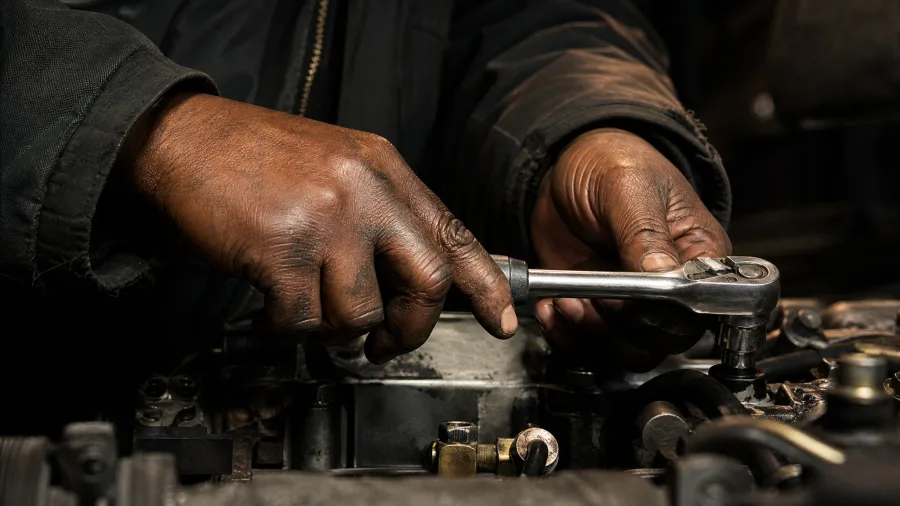
Direct eye contact often triggers defensive posturing in men who spent decades in utilitarian professional environments. When you both face outward – watching a hiking trail unfold or tuning an engine – attention shifts toward a neutral third object, removing the urgency to perform or fill quiet moments with competitive small talk.
Physical activity creates natural conversational pauses. A man can mention a difficult medical scan while tightening a bolt, letting the news breathe without turning the moment into a heavy emotional spectacle.
🚶♂️ The Progression of Lasting Connection
Establish the Anchor
Set a non-negotiable weekly or bi-weekly standing meetup centered on a simple recurring routine.
Add Shared Physical Focus
Introduce shoulder-to-shoulder tasks like trail walking, woodworking, or home repair projects.
Initiate Direct One-on-One Contact
Reach out directly via text or quick phone calls without routing plans through family members.
Share Real Circumstances
Drop polite surface banter to discuss recovery from surgery, family losses, and real daily concerns.
3. Initiating One-on-One Plans Avoids Relying on Spouses

"Let me check with my wife to see what our calendar looks like" is the quiet reflex that causes many men over sixty to lose their social independence after retirement.
When you rely on a partner to coordinate dinner parties and weekend get-togethers, you build a circle of couple friends rather than personal confidants. If your spouse falls ill, passes away, or drifts into new activities, that entire borrowed network dissolves overnight, leaving you completely cut off from everyday male camaraderie.
Lasting bonds require an unmediated line of communication.
Bypassing the spousal calendar requires sending a low-pressure text with clear boundaries and zero ambiguity. A direct invitation works best: "I am heading over to the hardware store and grabbing lunch on Friday at noon; meet me at the diner counter." It proposes a simple plan, removes schedule friction, and reinforces a bond that belongs solely to the two of you.
💡 PRO TIP
The Low-Friction Invitation
Invite a friend along for an errand you are already running. Joining you for a run to the lumber yard or an oil change feels effortless and eliminates scheduling friction.
4. Discussing Health and Loss Replaces Surface Small Talk
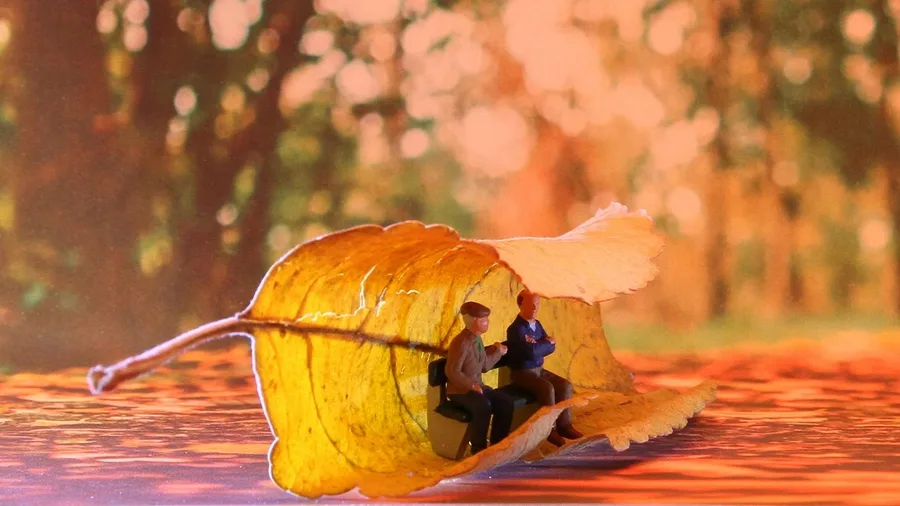
It is easy to mistake hours of debating property taxes or college football standings for the kind of connection that will sustain you in hard seasons.
In reality, keeping talk confined to scores and real estate preserves outdated competitive posturing while keeping personal reality at arm's length. Genuine male depth begins only when that guard drops to address real stakes: an abnormal prostate screening, a looming knee replacement, grief after losing a sibling, or the quiet disorientation of physical decline.
Offering mechanical fixes is usually the wrong move.
Unsolicited advice and dismissive optimism often signal that the listener cannot handle discomfort. Psychological safety deepens when you simply let the reality exist without rushing to tidy it up. When a friend lingers in the car after parking or mutters that he feels drained, that is the opening to ask directly how he is coping.
The Reality of Social Anchors After Retirement
How active peer maintenance changes daily well-being
5. Stepping Forward During Retirement Shifts Cements Loyalty

Allowing a long-held professional title to disappear without maintaining active male connection can turn an open calendar into a disorienting, isolating trap within a matter of months.
Stepping away from the workforce removes far more than a weekly commute; it suddenly strips away built-in social recognition, structured purpose, and daily camaraderie. Men entering this transition frequently wrestle with acute identity loss, aimlessness, and depressive withdrawal, slowly retreating into solitary household habits once the initial novelty of unscheduled time wears off.
Reliable friends step into that void right away.
Showing up consistently throughout those first six months post-retirement prevents defensive isolation from calcifying into a permanent lifestyle. Genuine friendship offers steady validation based on humor, character, and shared history rather than former job titles. Staying dependable even when a friend experiences mood drops confirms that the bond remains completely secure.
Concrete tasks work far better than vague check-ins.
Offer him immediate traction with clear, unvarnished scripts: "I am framing out the back porch on Saturday and need your help on the build." When taking on community service, keep it direct: "I signed us both up for the morning food pantry shift; let us grab breakfast before we head over."
Recruiting his specialized advice and enlisting him in physical builds restores a sense of competence, giving him solid footing when his former career identity falls away.
Supporting a Friend Through Major Transitions
Constructive Support
- Ask for their specific technical help on a project
- Maintain weekly contact frequency even if their energy is low
- Invite them to side-by-side outdoor routines
- Listen to concerns without offering quick mechanical fixes
Accidental Pitfalls
- Waiting for them to reach out and schedule a meetup
- Offering generic cheerfulness like 'enjoy the permanent vacation'
- Restricting all hangouts to formal couples dinners
- Disappearing because you are unsure what to say about a loss
6. Letting Minor Lapses Go Prevents Stubborn Isolation
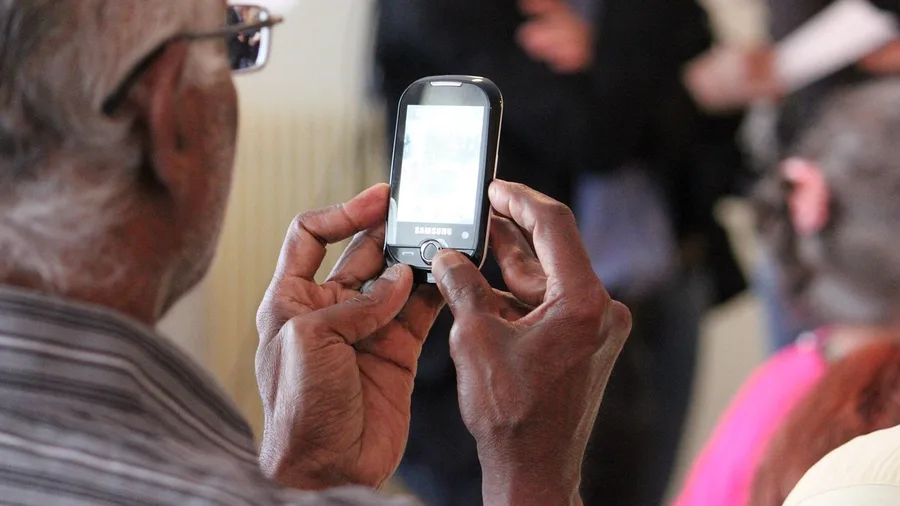
You leave a casual voicemail on a Tuesday morning about meeting for lunch, watch three weeks slip by without a single reply, and feel the sudden urge to delete his contact.
Defensive pride often convinces men to treat an unreturned call or a late cancellation as an insult warranting a quiet, permanent cutoff. Durable friendships survive because one party chooses to extend unearned grace during disruptions. Silence usually reflects a sudden medical scare, family strain, or private exhaustion rather than intentional malice or forgotten loyalty.
Reopening the connection requires dropping all guilt.
Send a low-stakes message that clears the air immediately: "Saw this tool and thought of you; no need to apologize for being out of pocket, let us grab a coffee." Draw the line only at chronic, one-sided exploitation, where someone gladly takes your assistance or time but never bothers to answer or contribute when you reach out.
💡 Tip: Never start a message to a quiet friend with 'Just checking to see if you are still alive.'
Healthy Peer Dynamics — At a Glance
🗓️ Cadence
Weekly or Bi-Weekly
🎯 Focus
Side-by-Side Activity
📞 Channel
Direct One-on-One
🛡️ Mindset
Zero Scorekeeping
The Core Habit
Consistent, low-pressure initiative matters far more than deep emotional intensity.
Frequently Asked Questions
How do you make new male friends after 60 if you just relocated?
Join a structured, recurring physical activity where the same group shows up every week. Local woodworking co-ops, volunteer trail maintenance crews, community gardens, or morning walking clubs allow familiarity to build organically without the awkwardness of cold introductions.
What should you do if a longtime friend constantly complains about his health?
Acknowledge the physical frustration briefly without trying to diagnose it or debate his doctors. Once you have validated the difficulty for a minute or two, gently steer the focus toward a concrete task in front of you, such as finishing a walk or fixing a broken latch.
How do you handle a friend who never initiates get-togethers?
Some men are natural responders rather than coordinators due to habit or social hesitation. If he consistently shows up on time, engages warmly, and contributes to the activity once invited, continue taking the initiative without keeping score.
Is it normal for a social circle to shrink significantly after retirement?
Yes. Most workplace relationships are based on daily institutional proximity rather than deep personal alignment. Losing thirty casual professional acquaintances is expected, but retaining two to four dependable, active friends provides far greater long-term support.
When is it appropriate to let a one-sided friendship fade completely?
If someone repeatedly cancels at the last minute, reaches out only when they need a favor or financial assistance, and shows zero interest in your well-being across multiple years, it is reasonable to stop extending invitations and redirect your energy toward dependable peers.
Putting a Standing Breakfast on the Calendar
The fastest way to reverse social drift is to pick up the phone today and offer one friend a concrete, recurring invitation. Propose breakfast at the same diner every first Tuesday or a weekly Thursday morning walk, locking in an exact time and place.
Male friendships after sixty rarely collapse over dramatic arguments; they quietly fade under the weight of vague promises to catch up soon. Replacing forty hours of automatic workplace structure with one deliberate standing ritual guarantees you never leave your closest connections to chance.

Meet Edward Green, the founder of GolfingGoal and a seasoned expert in golf. With years of experience on the course and a passion for the sport, Edward has a wealth of knowledge to share. As our Lead Writer, he contributes articles, tutorials, and resources to help readers to improve their skills and reach their full potential on the golf course. Join Our Team!