
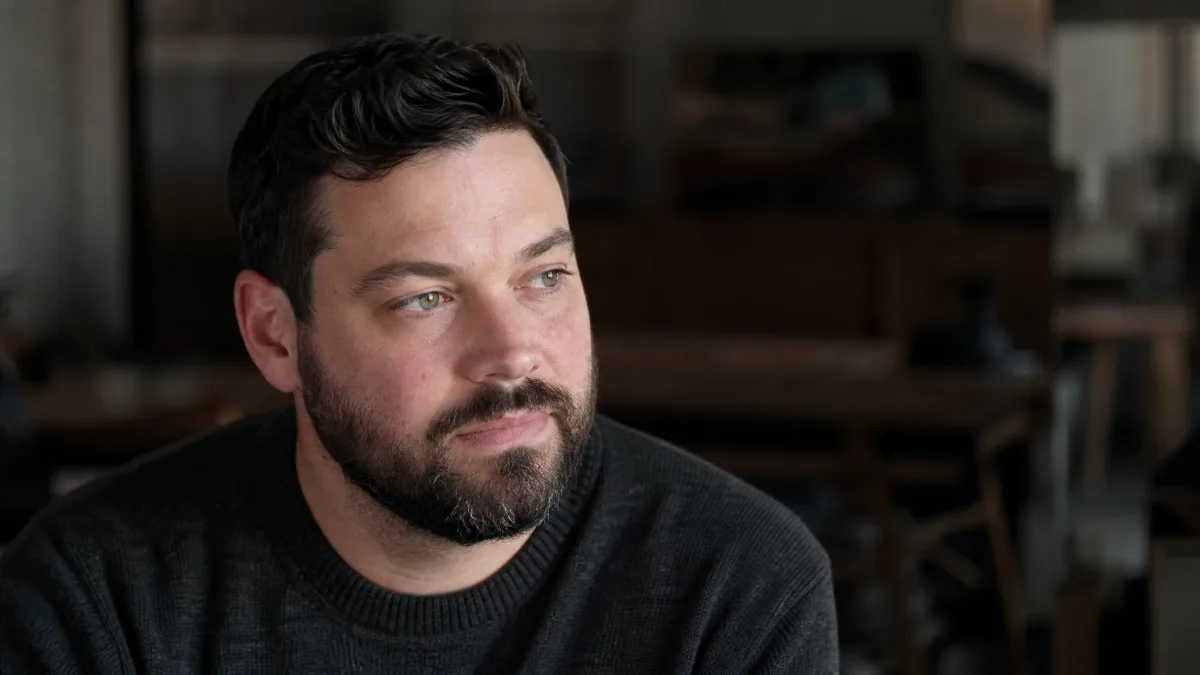
Men struggle more after losing a spouse because they tend to invest their entire emotional, social, and practical life into a single person. When she dies, the relationship does not simply end; every daily support system vanishes overnight.
A widower often seems steady in the first month, handling logistics and receiving condolences. But by month four, the house falls quiet, meals turn into an afterthought, and the phone stops ringing. Where women usually maintain distributed networks of friends and family to share both feelings and chores, men frequently leave social planning, emotional vulnerability, and domestic health entirely to their wives.
The resulting crisis is not a failure of emotional strength, but the sudden collapse of daily living infrastructure. Rebuilding that foundation requires recognizing these hidden pressure points and replacing what was lost with deliberate, practical routines.
Widower Vulnerability Profile
Losing a Wife Means Losing Their Sole Emotional Confidant

Most men confide their deepest fears, doubts, and emotional pain exclusively in their wives, whereas women typically share vulnerability across sisters, close friends, and adult children.
When a wife dies, his only outlet disappears overnight.
That leaves a man with zero remaining spaces to speak about his grief without feeling exposed. The silence that follows is not a quiet sadness; it is an immediate shock that locks grief entirely inside the four walls of the house, turning what should be a shared human experience into solitary confinement.
Having even a single trusted friend outside the marriage before the bereavement dramatically reduces the risk of severe depressive collapse, simply because it gives the grief somewhere safe to go.
Without that release valve, widowers routinely swallow their trauma, projecting a stoic, functional exterior while falling apart in private. Neighbors see a man mowing the lawn on schedule and assume he is coping, missing the dangerous interior isolation quietly taking hold behind closed doors.
💡 PRO TIP
Establishing One External Sounding Board
Identify one trusted friend, peer, or family member who can handle honest updates without offering unsolicited silver linings. Give them permission to ask direct questions about your day.
Wives Typically Managed the Couple's Shared Social Network

Friendships fade rapidly after the funeral because the wife was usually the one who organized the dinners, remembered birthdays, initiated phone calls, and kept the couple's shared social life alive.
When she is gone, mutual couple-friends often do not know how to relate to the husband alone, feeling awkward without the person who smoothed every interaction. Within a few months, invitations quietly taper off, leaving the widower believing the world has moved on and abandoned him entirely.
General offers to help rarely work here.
Telling a grieving man to call if he needs anything leaves the logistical burden on him. Adult children and friends help far more by setting fixed weekly rituals, like a standing Sunday morning breakfast.
A predictable routine removes the friction of initiating contact and keeps the widower anchored to the outside world. Without those scheduled anchors, the sudden evaporation of a social circle convinces a man that he is truly on his own, speeding up his withdrawal into complete isolation.
Social Support After Spousal Bereavement
Common Support Traps
- Saying 'Call me if you need anything'
- Waiting for the widower to initiate contact
- Abandoning couple-friendships out of awkwardness
- Expecting emotional processing in casual group settings
Effective Stabilization
- Locking in a recurring weekly meal date
- Showing up with a specific task or errand
- Inviting him to shoulder-to-shoulder activities
- Maintaining direct one-on-one phone check-ins
Social Conditioning Against Vulnerability Prevents Asking for Help

Men often avoid traditional grief support groups because sitting in a circle discussing feelings clashes directly with a lifetime of conditioning that equates asking for help with weakness or failure.
Admitting struggle feels like burdening their adult children.
Standard talk-therapy formats have high drop-out rates among widowers who find open-ended, passive sharing deeply uncomfortable. Men generally process heavy emotions better when they are doing something tangible, where conversation can happen naturally without the pressure of direct eye contact across a circle of chairs.
Activity-based groups – such as community woodshops, trail maintenance crews, or walking groups – succeed because men bond shoulder-to-shoulder over a shared task, exchanging quiet observations about loss while fixing an engine or building a bench.
Breaking through this reluctance means reframing support not as emotional rescue, but as practical problem-solving. When assistance looks like tackling a physical project together rather than managing emotional helplessness, a widower can accept connection without feeling he has compromised his independence or dignity.
Bereavement Support Environments for Men
- Shoulder-to-Shoulder Task Groups — Carpentry workshops, volunteer projects, and physical trail crews allow organic conversation without forced vulnerability.
- One-on-One Practical Mentorship — Pairing with a seasoned widower for structured coffee check-ins provides grounded, practical perspective.
- Passive Social Mixers — General community coffee hours lack structure and often heighten feelings of social disconnection.
- Unstructured Open-Ended Solitude — Staying isolated at home with unstructured time accelerates rumination, sleep disruption, and decline.
Unfamiliar Household Tasks Create Overwhelming Practical Disruption

Basic household functioning collapses rapidly because running a home requires constant administrative and physical labor that suddenly falls on someone whose mental energy is already depleted by grief.
Sorting out laundry cycles, tracking medical billing statements, and wandering grocery aisles alone demand continuous decision-making. Facing routine helplessness over these practical tasks breeds deep feelings of inadequacy. The unwashed dishes, mounting paperwork, and neglected rooms turn the physical home into an exhausting, daily reminder of loss and personal incompetence.
Domestic chaos quickly accelerates acute psychological exhaustion.
Removing that operational friction requires treating household upkeep as a logistics problem. Contracting a biweekly cleaning service or setting up automated grocery deliveries prevents daily chores from overwhelming a widower's remaining mental reserves.
Establishing basic, predictable control over the living space creates an essential anchor. A clean, functioning environment reduces daily sensory stress and prevents functional panic, providing the steady physical baseline required before a man can begin to process his grief and stabilize emotionally.
Domestic Transition Priority Checklist
🧺 Laundry System
Fixed Weekly Day
📦 Pantry Restock
Automated Delivery
📑 Bill Management
Direct Bank Auto-Pay
🧹 Deep Cleaning
Biweekly Service
Action Priority
Automate recurring practical obligations immediately to protect daily cognitive energy.
Neglected Self-Care and Nutrition Compound Physical Decline
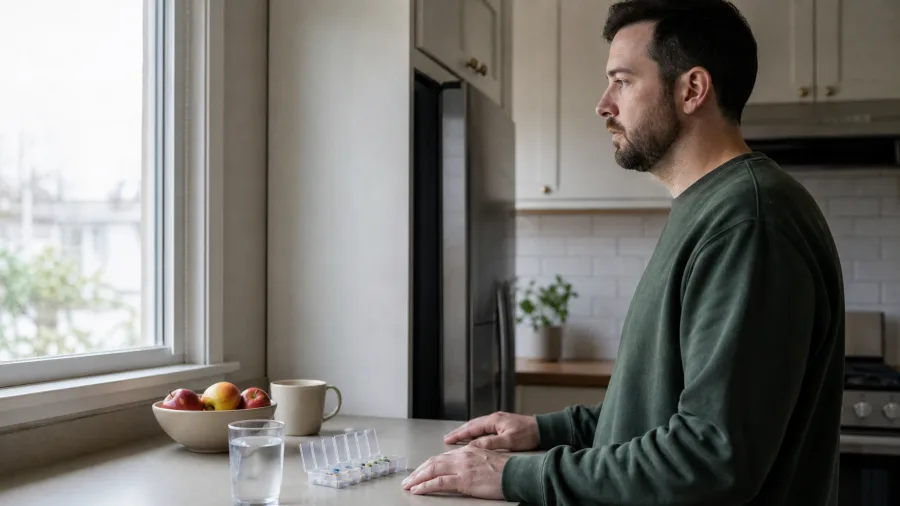
Physical health declines sharply in early bereavement because losing a spouse immediately breaks the daily structures that maintained regular nutrition, hydration, and routine medical oversight.
When shared dinners end, the incentive to prepare balanced meals disappears. Many men pivot toward high-sodium takeout, stale processed snacks, or skipping food altogether because cooking for one feels pointless. Within weeks, poor nutrition and steady dehydration degrade basic physical vitality, triggering persistent brain fog, physical fatigue, and heavier depressive moods.
Unmonitored medical care compounds this physical slide.
In many marriages, the wife acts as the informal health manager, keeping track of daily prescriptions, flagging subtle changes in physical appearance, and scheduling doctor appointments. Without that daily vigilance, widowers frequently miss medications, ignore emerging chronic symptoms, and postpone necessary visits, allowing manageable health conditions to deteriorate without notice.
This unaddressed physical decline transforms an emotional tragedy into a biological deficit. A depleted body simply cannot supply the neurological stamina or mental clarity required to process the grueling reality of spousal loss.
⚠️ COMMON MISTAKE
Skipping Primary Medical Check-Ins
Canceling annual doctor visits during the first year of bereavement removes your primary physical safeguard. Schedule a full panel check-up within 90 days of loss.
Suppressive Coping Strategies Prolong Grief Rather Than Resolving It

Throwing oneself into seventy-hour work weeks, compulsive workshop projects, or endless television provides temporary distraction, but it does nothing to resolve the underlying pain of spousal loss.
Constant activity functions as an anesthetic, keeping the mind occupied just enough to avoid the quiet house and the feelings waiting there. When the day finally winds down, isolated men often turn to heavier alcohol use or unprescribed sedatives to force sleep and dull the acute ache of evening loneliness.
Busyness becomes dangerous when it serves as evasion.
Taking a temporary break from sorrow is healthy, but systematic avoidance locks grief in place. When a widower uses tasks to push away family support, ignore mounting exhaustion, and escape every quiet moment, he halts his own adaptation. The emotional weight does not vanish; it merely waits underneath the frantic activity.
Real psychological recovery cannot happen through perpetual motion. Lasting stability requires letting the pace slow enough to confront the reality of the absence rather than continually attempting to outrun it.
The Loss of a Caretaking Role Destabilizes Daily Purpose
When a man organizes his life around providing for and protecting his partner, her death strips away the central scaffolding of his self-worth. Decades spent anticipating someone else's daily needs create a protective reflex that suddenly has nowhere to go, leaving behind an abrupt and disorienting void.
Nobody is waiting for morning coffee or depending on his vigilance.
Without someone actively relying on his presence and labor, the daily calendar empties out entirely, eroding the basic motivation to cook, maintain a schedule, or stay active.
Stabilizing that lost purpose requires establishing concrete external responsibilities where others genuinely count on his participation. Committing to a local volunteer build, mentoring younger tradespeople, helping adult children with scheduled weekly chores, or caring for an animal creates real, nondiscretionary accountability that forces him out of his head.
Having a functional role again restores the daily drive needed to look after his own physical well-being and stay invested in ordinary life.
Rebuilding Daily Purpose Post-Loss
Post-Bereavement Mortality Risks Spike Higher for Widowers Than Widows
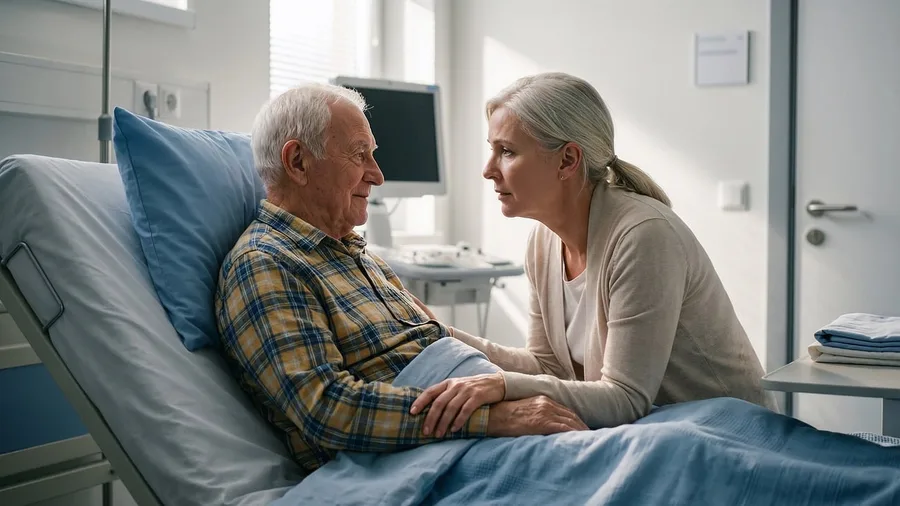
Men face a measurably higher risk of acute illness and death following the loss of a spouse than widowed women do. The rapid unravelling of their social world, basic nutrition, and domestic routine combines with chronic grief stress to create a severe physiological crisis rather than a purely emotional one.
Prolonged stress hormone surges silently batter the cardiovascular and immune systems.
Researchers tracking this pattern refer to the sharp rise in post-bereavement mortality as the widowhood effect, which hits men hardest because their entire support apparatus vanishes overnight.
The first six to twelve months mark the most dangerous window, where unmonitored high blood pressure, missed medications, and deep isolation dramatically increase the odds of a sudden medical emergency. Family members and close friends need to treat this timeframe as an active medical watch rather than waiting for him to ask for help.
Approaching spousal bereavement as a serious physiological health threat reframes basic daily routines from optional self-care into an urgent survival priority.
🩺 First-Year Health Stabilization Protocol
Month 1: Medical Baseline
Complete a comprehensive physical exam and review all prescription schedules with your physician.
Month 3: Domestic Rhythm
Automate recurring grocery orders and lock in a reliable, nutritious weekly meal plan.
Month 6: Structured Social Ties
Commit to one weekly recurring activity or shoulder-to-shoulder volunteer group.
Month 12: Long-Term Purpose
Evaluate personal goals, health markers, and ongoing community commitments.
Frequently Asked Questions
Why do men seem to remarry sooner than women after losing a spouse?
Widowed men often seek companionship quickly because they lack secondary emotional and domestic support systems. Remarriage frequently represents a practical search for daily connection, stability, and care rather than a lack of love for their deceased partner.
How can adult children help a widowed father without overstepping?
Provide concrete, practical assistance rather than open-ended offers. Schedule a recurring weekly breakfast, handle complex utility transfers, or bring over pre-portioned healthy meals instead of asking what he needs done.
What is the widowhood effect and how long does it last?
The widowhood effect refers to the increased probability of death or serious illness in a surviving spouse. The highest risk window occurs during the first six to twelve months post-loss, driven by severe physiological stress and lifestyle disruption.
Why do traditional grief support groups often fail for men?
Standard support groups rely heavily on circular verbal sharing of raw emotions, which can clash with male socialization. Men generally respond better to structured, activity-oriented environments where conversation develops naturally during shared tasks.
The Three Essential Anchors for Rebuilding Daily Stability
Stabilizing daily life requires a clear three-step recovery sequence: book a thorough medical exam with blood work this week, establish a fixed daily routine for regular meals, and commit to one weekly group project or activity where other people expect you to show up.
The physical and mental unraveling that so often follows spousal loss is not a lack of personal resilience. It is the predictable outcome of losing an entire emotional and practical support structure in an afternoon. Rebuilding those external systems does not replace the wife you lost; it gives you the physical baseline and daily traction needed to survive.
Review the First-Year Stabilization Protocol
Scroll back up to the timeline chart to verify your medical, domestic, and social safeguards for the months ahead.

Meet Edward Green, the founder of GolfingGoal and a seasoned expert in golf. With years of experience on the course and a passion for the sport, Edward has a wealth of knowledge to share. As our Lead Writer, he contributes articles, tutorials, and resources to help readers to improve their skills and reach their full potential on the golf course. Join Our Team!