

It takes six decades to build a modern routine, but the nervous system locks in its fundamental safety rules before age eight.
When you watch an older parent rinse out used sandwich bags, demand dinner at quarter to five, or record phone numbers in a battered notebook instead of a smartphone, it is easy to assume you are looking at stubbornness or early cognitive decline.
These persistent daily rituals are developmental adaptations to childhood scarcity, rigid labor schedules, and respectability codes that permanently wired their sense of safety. Understanding where those patterns started gives you the context to stop trying to fix behaviors that were never broken.
Quick Tips Before You Start
Look for Origins
Treat persistent domestic habits as learned safety strategies rather than signs of cognitive decline.
Preserve Dignity
Avoid throwing away saved items or reorganizing personal spaces without clear permission.
Respect Internal Clocks
Recognize that meal and sleep schedules reflect decades of biological and social conditioning.
Choose Acceptance
Accepting harmless routines reduces family tension far better than trying to modernize them.
Material Preservation and Resource Use
The physical objects inside a home tell a detailed story about how scarcity was managed during a person's formative years.
Mid-century households ran on strict conservation rules where throwing away functional packaging meant inviting future hardship. Understanding this mindset clarifies why practical domestic thrift persists even in comfortable financial circumstances.
1. Hoarding Wrapping Paper and Bread Ties Reflects Early Scarcity Conditioning
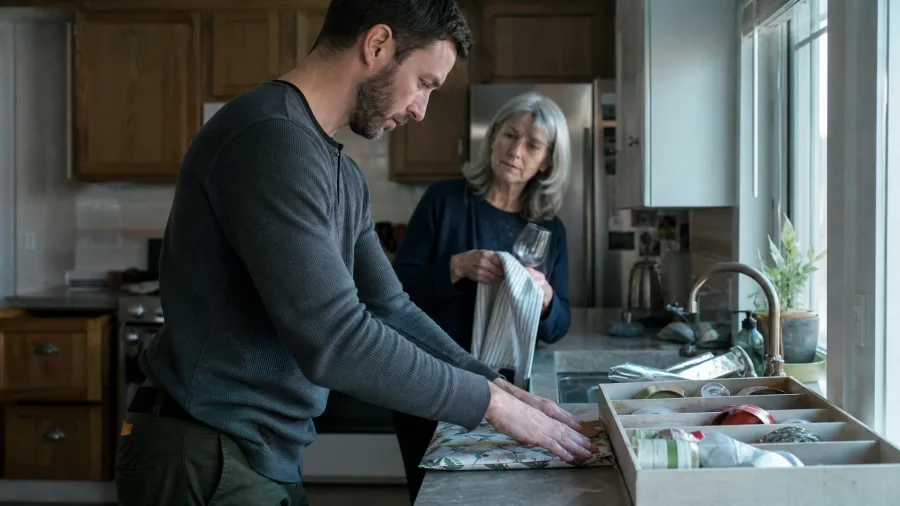
An older parent stands at the counter, carefully smoothing folded holiday wrapping paper, washing foil sheets to reuse later, and tucking every wire bread tie into a dedicated organizer.
Early material scarcity sets a baseline for managing resources that never fully leaves the nervous system. When mid-century households depended on salvaging glass jars, newsprint, and packaging to stretch limited budgets, waste was a real hazard. Throwing away an object with utility left in it still triggers genuine anxiety, activating an old dread of sudden hardship.
This thrift is entirely distinct from clinical hoarding.
The difference lies in purpose and structure. Generational frugality keeps items clean, organized, and tied to realistic household chores, rather than allowing unusable clutter to take over a room. That drawer of twist ties provides quiet emotional security, preserving a lifelong habit of readiness formed when family stability depended on wasting nothing.
💡 Tip: Check whether saved items are clean and organized before assuming a hoarding issue.
Evaluating Saved Household Packaging
- Organized Reuse — Items like glass jars and rubber bands are cleaned, sorted, and actively used for daily household tasks.
- Excessive Stockpiling — Containers multiply faster than they can ever be used, occupying valuable pantry shelf space.
- Unsanitary Accumulation — Dirty food packaging collects indiscriminately, creating safety hazards and genuine domestic distress.
2. Finishing Every Bite on the Plate Traces to Moralized Childhood Mealtimes
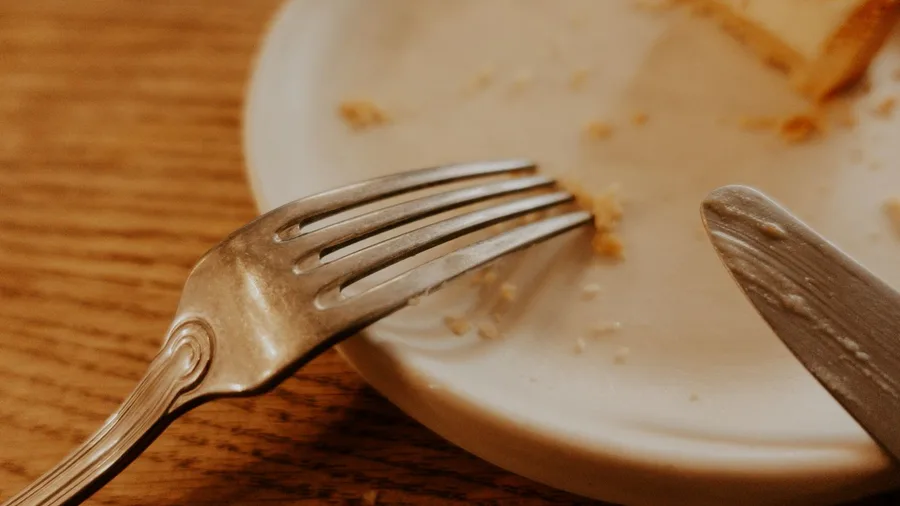
You watch them push through the final three bites of a heavy meal, visibly full, using their fork to scrape the ceramic surface clean.
The same distress that prevents throwing out useful goods governs the dinner table. Postwar parenting framed an empty plate as proof of gratitude, obedience, and good character. Years of rigid mealtime rules trained children to ignore bodily fullness and look for a clean dish instead, cementing an automatic reflex that treats unfinished food as moral failure.
Stopping while food remains means confronting an old, deeply conditioned guilt.
💡 Tip: Serve smaller initial portions on smaller plates to prevent uncomfortable overeating.
3. Reserving 'Good' Belongings for Guests Comes from Status Preservation Rituals
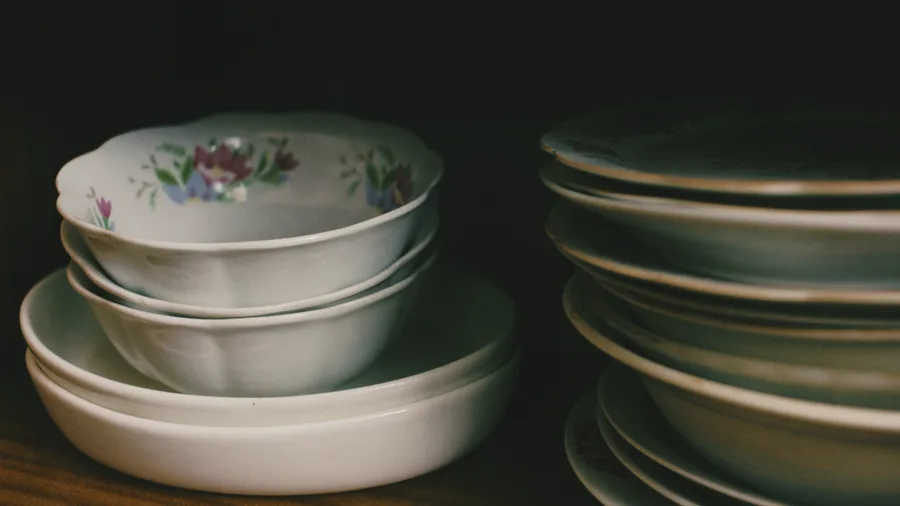
It is easy to misread a cabinet full of pristine china and untouched crystal as a joyless refusal to enjoy the things someone worked a lifetime to buy.
When everyday provisions are governed by strict conservation, high-value possessions take on a protective social role. Mid-century households guarded formal linens, parlor furniture, and boxed silver to demonstrate stability and dignity to outside guests. Daily family meals relied on chipped plates and utilitarian utensils, framing the use of fine items for ordinary suppers as reckless indulgence.
That line between private modesty and public presentation remains absolute.
Leaving the good dishes in storage is not an accident of habit, but an active preservation of status. Pristine items serve as an untouched reserve of respectability, offering psychological security against hard times. Unpacking them for a solitary lunch breaks an internalized rule of prudence, risking the loss of the household's most protected asset.
💡 Tip: Bring out special glassware for casual lunches together to gently normalize everyday enjoyment.
⚠️ COMMON MISTAKE
Forcing the Use of Heirloom Objects
Pressuring older relatives to use pristine china for casual meals often triggers genuine anxiety rather than pleasure. Respect their pacing and let them dictate when formal possessions come out of storage.
4. Refusing to Discard Broken Objects Roots in Learned Childhood Self-Reliance
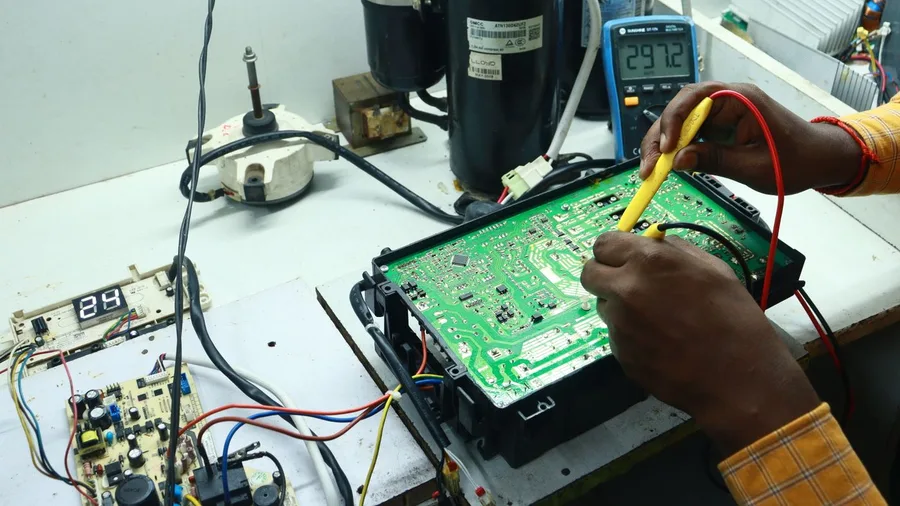
"I can get another five years out of that motor," they say when you try to discard a sputtering blender. In a childhood home, fixing an appliance or chair proved capability and protected scarce family money.
Replacing it with a store-bought version feels like giving up.
When you suggest a replacement, try saying: "You know how to rebuild this, but your afternoon is worth more than a ten-dollar part. Let me buy the new one so we can use the time on the porch instead." That workshop corner full of broken radios is an inventory of planned self-reliance, not pointless junk.
Preserved Household Items: Practical Utility vs. Identity Attachment
Practical Utility
- Item has standard replacement parts available
- Owner possesses tools and skills to complete the fix
- Object returns to active daily service once mended
- Repair process brings genuine satisfaction and focus
Identity Attachment
- Item sits untouched in a workshop for several years
- Replacement parts are obsolete or impossible to find
- Discarding the object feels like losing personal capability
- Object remains broken but is fiercely defended from disposal
Routines, Rituals, and Social Boundaries
Daily schedules and social presentations are structured during the earliest years of family life.
When children grow up around factory shift bells, agrarian chores, and strict community dress codes, those temporal and social expectations become deeply ingrained. They continue to govern behavior decades after formal work and social pressures have ended.
5. Waking at Dawn Persists from Industrial and Agrarian Family Rhythms

Popular wisdom suggests that retirement is the ultimate permission to turn off the alarm and sleep until mid-morning. Yet millions of older adults still find themselves wide awake at dawn, entirely unable to linger in bed.
The rigid discipline once applied to household tools extended directly to managing time. Childhoods structured around agricultural chores, fixed factory whistles, and punctual school bells treated dawn as the only acceptable start to the day. Staying in bed past daylight was not viewed as harmless rest; it was condemned as a failure of character.
The nervous system locked that rhythm in decades ago.
To understand the habit, run a quick ten-second test: imagine staying in bed after the house gets bright. For someone raised in an industrial-era household, doing so triggers restlessness and subtle guilt rather than relief. That distress proves early rising is driven by learned standards of personal worth rather than physical sleep needs.
Brewing a pot of coffee before six in the morning delivers an immediate, grounding sense of structure. It maintains daily order and affirms personal competence before the rest of the household has stirred.
Urging an older relative to sleep late misses what those quiet morning hours actually offer. Standing in the kitchen at sunrise is an automated ritual that preserves emotional safety. It maintains an internalized standard of productivity learned during childhood, confirming that their day has direction even with an entirely empty calendar.
⏳ How Daily Routines Solidify Across a Lifespan
Childhood Conditioning
Family schedules synchronize with industrial shifts, school bells, and strict household chore charts.
Working Life Reinforcement
Decades of employment commute patterns turn early awakenings and fixed mealtimes into automatic habits.
Retirement Transition
The removal of external job demands leaves early childhood rhythms as the primary domestic framework.
Lifelong Identity
Familiar temporal boundaries provide essential emotional stability and a continued sense of personal purpose.
6. Eating Dinner at Five O'Clock Reflects Childhood Shiftwork Timelines

The common instinct is to coax them toward a later schedule, but that approach creates unnecessary physical and emotional friction.
Because the day began at dawn, mid-century household routines centered around early factory shifts that ended by mid-afternoon. Serving supper at five maximized evening daylight and offered working-class children a reliable anchor of safety. After decades of that rhythm, the body's digestive cycle adapted permanently, making later meals feel physically disruptive.
Demanding dinner before dark is not stubbornness; it is how the nervous system maintains an orderly, predictable world.
💡 Tip: Schedule shared restaurant outings for late afternoon to match their natural digestive rhythm.
Friction of Disrupting Lifelong Domestic Routines
How altering deeply conditioned habits impacts emotional and physical comfort
- Switching Brands: Mild hesitation that fades quickly once the substitute proves practical and reliable.
- Shifting Dinner Times: Noticeable digestive discomfort, evening irritability, and disrupted bedtime schedules.
- Clearing Workspaces: Acute distress from feeling personal competence and past self-reliance are being erased.
7. Writing Down Phone Numbers and Addresses Preserves Tactile Memory Anchors
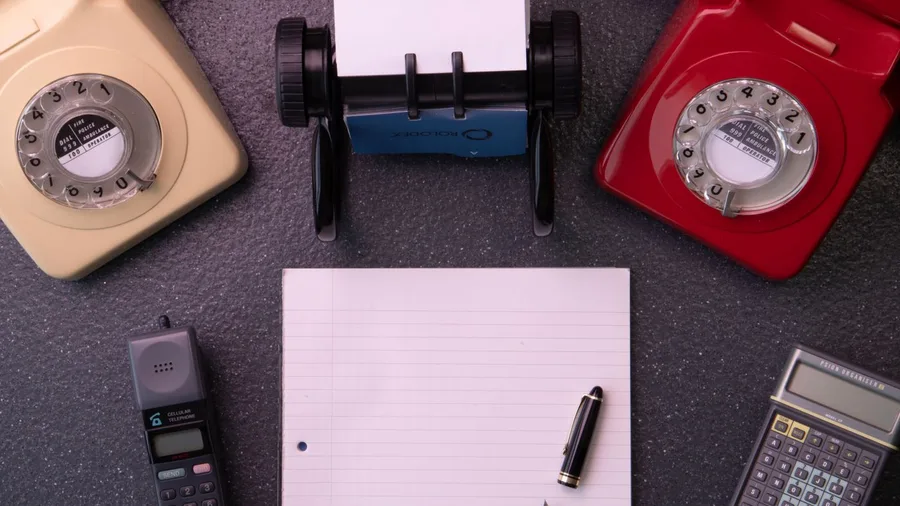
Dismissing a handwritten phone log as stubborn clutter overlooks the quiet panic caused when tangible systems vanish. Forcing essential personal records into invisible storage produces an immediate sense of lost control.
Early schooling and household management conditioned children to treat handwriting as the sole permanent confirmation of reality. Shifting phone numbers, addresses, and account details into digital cloud servers creates deep friction, because information that cannot be physically handled or located in a desk drawer fails to register as secure or permanent.
A physical notebook provides undeniable evidence of personal order.
A dog-eared address book or wall calendar functions as an external memory system reinforced by a lifetime of motor habits. Opening a familiar binder offers immediate tactile validation that one's world remains intact, whereas abstract app interfaces and changing operating systems feel unpredictable, fragile, and liable to disappear behind a forgotten password.
💡 PRO TIP
Supporting Tactile Record Keeping
Instead of replacing physical notebooks with digital apps, offer high-quality address books with large ruled lines. It honors their motor memory while keeping critical contact information easily accessible.
8. Dressing Up for Travel and Errands Reflects Respectability Training

Forty-five minutes of meticulous preparation for a ten-minute errand at the corner pharmacy often strikes younger family members as an exhausting, unnecessary drain on limited daily energy.
You wait by the entryway in sneakers while your parent irons a woven button-down, brushes their overcoat, and arranges their hair just to pick up a prescription. "You never present yourself to the world looking unprepared," they say, fastening each button carefully before stepping past the front gate.
Mid-twentieth-century childhood conditioning framed outward presentation as a strict defense of family standing. Stepping into grocery stores, clinics, or transit depots in informal clothing was culturally coded as domestic neglect and personal failure.
Structured trousers, styled hair, and pressed outerwear served as practical social armor, signaling dignity and civic respect in public spaces. Appearing neat regardless of financial strain was a primary method for working families to demand equal respect from clerks, doctors, and neighbors who might otherwise judge them solely by their income.
Formal dress established immediate credibility outside the home.
Over months and years, that relentless effort quietly buys an enduring sense of visible relevance in a society that often overlooks older adults. Spending energy on polished self-presentation costs physical stamina each morning, but it preserves a lifelong feeling of civic dignity, proving to the outside world that they remain disciplined, capable, and worthy of respect.
💡 Tip: Allow extra time for outings so getting dressed never feels rushed or stressful.
Managing Presentation Routines Without Friction
⚠️ Friction Trigger
Urging casual loungewear or pressing them to hurry
⏱️ Schedule Adjustment
Build a 30-minute buffer into departure timelines
🤝 Supportive Move
Assist with stiff fasteners rather than suggesting casual wear
👞 Safety Check
Replace slick hard-soled dress shoes with non-skid alternatives
Intervention Threshold
Step in only when grooming fatigue causes them to cancel essential outings.
Frequently Asked Questions
Why do older adults get upset when you throw away broken items?
Repairing broken objects was a primary marker of competence and self-reliance during their upbringing. Discarding an item without attempting repair feels like wasting valuable resources and admitting personal helplessness.
Is saving old containers a sign of memory issues?
Not when the items are clean, organized, and intended for practical domestic reuse. It stems from mid-century household economics where packaging was treated as durable equipment rather than single-use trash.
Why do they insist on keeping hard copies of bills and statements?
Physical documents provided the only reliable legal proof for most of their lives. Paper records offer tactile security and spatial memory cues that abstract digital portals simply cannot match.
How can family members handle these habits without friction?
Focus on safety and cleanliness rather than convenience. Accommodate familiar meal times, avoid discarding belongings without consent, and recognize that these rituals provide emotional grounding.
Meeting Lifelong Conditioning with Acceptance Rather Than Correction
Pressuring someone to toss preserved scraps, reschedule dinner, or digitize a paper phone log does not modernize their life. It simply dismantles the foundational daily structures that preserve their emotional security, self-reliance, and dignity.
What looks like an obsolete quirk is a proven historical adaptation that carried someone across a lifetime. Leave the worn notebook beside the phone and let the rinsed bags dry on the counter; accepting those lifelong rituals is the most supportive thing you can do.
Review the Routines in Your Household
Take another look at the habits listed above and identify which ones bring comfort to your loved ones before trying to change them.

Meet Edward Green, the founder of GolfingGoal and a seasoned expert in golf. With years of experience on the course and a passion for the sport, Edward has a wealth of knowledge to share. As our Lead Writer, he contributes articles, tutorials, and resources to help readers to improve their skills and reach their full potential on the golf course. Join Our Team!