

Learning to remain steady during conflict does not happen over a weekend; it takes months of deliberate repetition under pressure before your body stops treating every disagreement like an ambush.
Walking away from a conversation drained, defensive, and misunderstood usually feels like the direct result of the other person's hostility. It rarely is. The unraveling almost always comes down to tiny, automatic habits you deploy the second your own discomfort spikes.
Steadiness is not an innate gift or a quiet personality. It is simply the refusal to use the conversational weapons that force the other person to protect themselves.
Here are the eight reactive habits composed people quietly drop, and the exact physical and verbal shifts that take their place.
Quick Tips Before You Start
Drop Pace
Speak one half-step slower than the current room speed to drop collective tension.
Name Events
Anchor your observations to single calendar events instead of sweeping lifetime summaries.
Skip Details
Let minor factual slips slide by if they do not change the core topic.
Call Timeouts
Set a firm twenty-minute return mark whenever your heart rate spikes.
Verbal Habits and Defensiveness
The earliest seconds of a disagreement establish the trajectory of the entire exchange.
Your vocabulary and cadence signal either an operational discussion or an existential threat, dictating whether the other person listens or prepares for battle.
1. Weaponizing Absolute Words Like Always and Never

People often tell you to express the full depth of your feelings, but using sweeping claims to do it instantly wrecks the conversation.
The second you say someone never empties the dishwasher or always ignores the budget, an emotional complaint about a present frustration turns into an indictment of their entire character. The listener's working memory stops tracking the actual issue. Instead, their attention runs an immediate counter-audit, scanning months of history to locate a single factual exception that dismantles your claim.
Tell someone 'You never help clean the kitchen,' and the discussion is no longer about the pots in the sink. You are now arguing about a specific Tuesday three weeks ago when they wiped the counter.
Composed communicators ditch the universal words and anchor the complaint to a single, observable event: 'When the sink was left full tonight, I felt stranded with the cleanup.' Pinning the conversation to that solitary moment gives the other person nothing factual to dispute, keeping both of you focused on the actual mess.
Dispute Derailment Factors
Common triggers that shift debates from issues to personal defenses
2. Matching Escalating Volume or Hostile Tone

'If I do not raise my voice, you will just talk right over me.'
That impulse feels like self-defense, but matching rising volume locks both nervous systems into an escalating feedback loop. As decibels climb and speaking pace quickens, vocal cords strain, peripheral vision narrows, and the ear recalibrates to track raw threat rather than syntax. You stop processing sentences and start reacting to sheer acoustic pressure.
People who rely on vocal force usually fear that speaking quietly signals weakness or surrenders ground. It does the opposite.
The working baseline is simple: deliberately drop your cadence by half a step and set your pitch noticeably lower than the volume filling the room. Stepping down your volume interrupts the physical escalation cycle without conceding an inch of your point. Practicing a deliberate conversational pause gives your nervous system time to settle before you answer hostile remarks.
💡 Tip: Drop your vocal pitch slightly at the end of each sentence to avoid sounding defensive.
| Habit to Eliminate | Immediate Escalation Risk | The Calm Alternative |
|---|---|---|
| Absolutes (Always, Never) | Triggers defensive mental auditing for exceptions | Name the single present incident directly |
| Matching Raised Volume | Locks both parties into biometric threat loops | Lower pitch and drop speaking speed slightly |
| Correcting Small Details | Derails genuine grievances into status contests | Allow harmless timeline errors to pass unnoticed |
| Unloading Past History | Overwhelms focus and creates instant gridlock | Confine discussion strictly to the immediate paper |
| Assuming Hostile Motive | Forces debates over moral character and intent | State observable actions and ask neutral questions |
| Sarcasm and Mockery | Destroys conversational trust and shut downs teamwork | State emotional frustration in direct, flat terms |
| Pushing While Flooded | Causes severe verbal damage and false concessions | Take a timed twenty-minute physiological pause |
| Zero-Sum Winner Frame | Leaves the other speaker humiliated and bitter | Frame differences as joint operational puzzles |
3. Interrupting to Correct Minor Inaccuracies

Nothing kills goodwill faster than turning someone's honest grievance into an impromptu spelling bee.
You might think you are simply correcting the record for clarity, but stepping into an active sentence to fix a minor detail registers as an aggressive status bid. When someone is explaining why they felt dismissed and you cut in with 'It was actually Thursday, not Wednesday,' you signal that you are merely scouting for clerical errors to gain an edge rather than listening to what hurt.
The instinct comes from an urge to catch flaws before they spread, but the correction always backfires. It pulls focus away from the underlying problem and forces the speaker to defend their credibility.
Imagine your partner says, 'You blew two hundred dollars on takeout last week while we were trying to save.' You know the receipt was $162, not $200. Halting the conversation to correct the number guarantees the next twenty minutes will be spent arguing about bank statements, while the real issue of uncoordinated spending remains unresolved.
Let the flawed premise breathe.
Letting an irrelevant detail pass without comment gives the other person room to finish, showing you can hear distress without hijacking the thread. Overlooking minor factual slips keeps the interaction safe and preserves momentum toward solving the primary conflict.
Handling Small Factual Errors Mid-Argument
Reactive Correction
- Interrupting to fix irrelevant dates or dollar amounts
- Auditing words for minor technical flaws
- Turning the grievance into a trivia debate
- Leaving the primary issue completely unaddressed
Composed Restraint
- Letting non-essential mistakes slide by in silence
- Listening directly to the speaker's main intent
- Evaluating whether the factual slip changes the core issue
- Keeping conversation momentum aimed at real fixes
4. Dragging Past Resolved Disagreements Into the Present

Unloading old, settled disputes into an active conversation turns a single disagreement into an audit of the entire relationship.
Researchers studying conflict patterns find that dumping multiple historical complaints overwhelms working memory within two minutes. The original issue disappears beneath years of accumulated scorekeeping. Composed people lock the perimeter right away: 'We can discuss what happened last month, but right now we are resolving the budget sheet on this table.'
When a pattern truly repeats, address it during a calm afternoon by appointment, not mid-dispute. Keeping the perimeter tight around today's friction protects both people from total exhaustion.
Cognitive and Boundary Traps
Once verbal volleys calm down, internal assumptions often become the next major hurdle.
How you frame another person's inner thoughts and personal character decides whether you reach a workable compromise or sink into perpetual gridlock.
5. Assuming They Know the Other Person's Motive
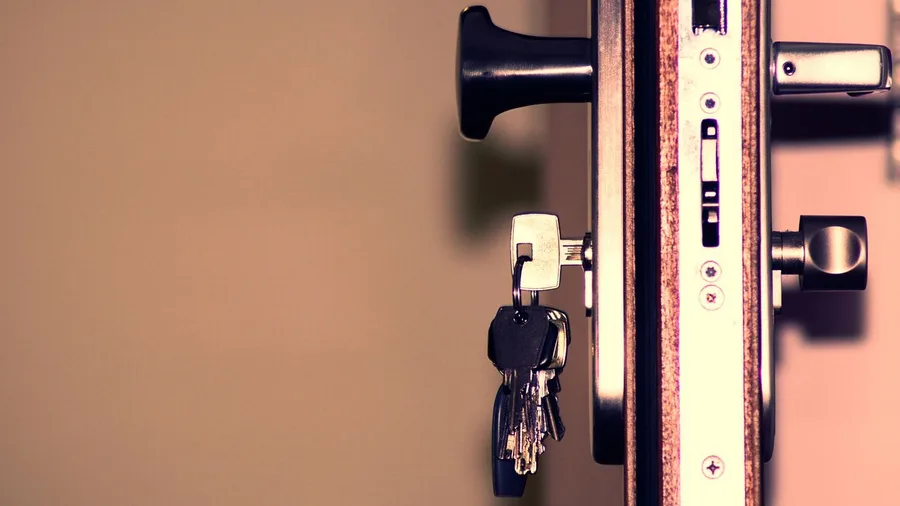
You walk past the entryway at midnight, find the deadbolt unlatched, and feel an immediate surge of fury. Telling someone they left the deadbolt undone because they simply do not care about your personal safety changes the dispute instantly. The mistake is bypassing the open latch to diagnose their hidden hostility, which shifts the discussion from securing the entrance to a prolonged audit of their character.
Attributing bad intent turns an easy fix into a trial over whether they respect you.
State the tangible consequence instead, and ask for the facts: 'When the deadbolt was left unlatched, I felt completely exposed; walk me through what happened after you came in.' Naming the tangible impact without claiming to read their thoughts leaves them space to explain the lapse, which keeps attention squarely on correcting the physical latch rather than defending their integrity.
💡 Tip: Describe the physical action you saw before asking a question, leaving out why you think they did it.
⚠️ COMMON MISTAKE
Weaponizing Mind-Reading During Disagreements
Telling someone why they acted turns an everyday operational mistake into a bitter character trial. State the observable result, share your direct feeling, and ask what happened without declaring their motives for them.
6. Taking Sarcastic or Contemptuous Cheap Shots

Most people worry about keeping their volume down, but the quietest reactions often do the deepest damage.
The conventional instinct says that as long as you avoid yelling, you are handling disagreement well. That assumption is dead wrong. A sneering smirk, an exaggerated eye-roll, or a sarcastic jab inflicts far deeper damage on mutual trust than raised voices. While shouting signals temporary strain, mockery communicates that the other person is beneath consideration.
Sarcasm frequently masquerades as cool detachment, yet it functions as passive-aggressive hostility. The moment a mocking tone enters the room, the other party shuts down cooperative thinking and shifts into pure defense.
Think of standing by the kitchen counter when a shared schedule falls apart. Dropping your shoulders, scoffing, and muttering 'Brilliant planning as usual' feels less hostile than an outburst, but it instantly kills collaboration. The problem on the calendar vanishes, replaced by the acute sting of being ridiculed.
Composed communicators trade theatrical contempt for plain truth. They state their frustration directly: 'I am angry about this delay, and I need us to find an immediate fix without making jokes.'
Speaking unvarnished reality feels uncomfortable in the throat, but it preserves the basic dignity of both people in the room. A direct statement gives the other person something real to answer, rather than a venomous insult they have to survive. Respect remains intact, and the actual conflict stays small enough to resolve.
7. Fighting for Immediate Resolution When Flooded

Ninety seconds of unmanaged agitation is enough to derail a discussion that took weeks to build.
When heart rates climb past normal resting rhythm, physical tension grips the chest, thoughts accelerate out of sequence, and the capacity to extend genuine empathy evaporates entirely. Forcing a resolution in that state yields reckless ultimata, lasting emotional damage, and fragile agreements that crumble by morning. What feels like an urge to clear the air is usually panic demanding relief.
Grounded communicators interrupt the spiral with a clear boundary: 'I am too agitated to discuss this effectively right now; I am stepping outside for twenty minutes and will return at 3:30 to continue.'
Stating an exact return time separates biological recovery from punitive stonewalling. Stepping away until physical composure stabilizes shields the connection from reactive sentences that cannot be unsaid.
⏱️ The Four-Step De-Escalation Pause
Spot the Rush
Notice shallow breathing, a racing pulse, or the impulse to make sweeping demands.
Call the Break
State plainly that you are overstimulated and need to step aside for twenty minutes.
Name the Return Time
Give an exact clock time when you will return to the conversation so nobody feels abandoned.
Regulate and Return
Walk or drink water without replaying the dispute, then sit back down at the appointed time.
8. Treating the Argument as a Win-or-Lose Contest

The hardest mistake to admit is mistaking a concession for a solution. Once the immediate physical rush subsides and your heart rate settles back down, the temptation is to treat the living room floor like a courtroom where evidence demands a confession. Extracting that full, public surrender feels like vindication for twenty seconds. By morning, it produces a partner who retreats into silence or waits for their turn to counterattack, because cornering someone into humiliation damages cooperation far longer than the original clash ever could.
Ask yourself one quick question when you know you hold every fact: Do you want to fix the friction, or do you want to watch them sign the defeat? If your focus is securing an abject apology, you are running an audit on their character rather than solving the disagreement.
A quick courtroom triumph always costs more than it settles.
People who stay steady under pressure replace that trial mindset with a joint problem to resolve: 'We have conflicting constraints here; how do we align this so both sides can work?' Protecting the other person's dignity keeps their nervous system out of permanent defense, turning a private rivalry into shared logistics. Adopting an established framework for keeping composure helps you neutralize verbal tension without turning the discussion into a contest.
The Hidden Costs of Conflict Escalation
Frequently Asked Questions
What should you do if the other person continues yelling after you lower your voice?
Maintain your lowered volume and steady pace without instructing them to calm down. If their shouting continues for more than two exchanges, state that you will step away for twenty minutes and return once the room is quiet enough to speak.
How can you tell the difference between a necessary cooling-off pause and silent treatment?
A healthy regulatory break always includes an explicit return time and an open commitment to resolve the issue. The silent treatment withholds communication indefinitely without warning, weaponizing silence to punish or manipulate the other person.
Is it ever acceptable to bring up past events during a disagreement?
Yes, but only when discussing a broader systemic pattern during a dedicated, calm conversation. Never introduce historical grievances mid-fight to score leverage while trying to solve a specific current problem.
How do you respond when someone makes an absolute accusation against you?
Bypass the debate over the words 'always' or 'never' entirely. Instead, anchor your response strictly to the present moment by saying: 'Let us focus on what just happened tonight so we can get this sorted out.'
Choose One Habit to Drop in Your Next Disagreement
Permanent poise in an argument is built by removing concrete provocations one at a time, not by willing yourself into a calmer temperament. You break the cycle of post-fight exhaustion the moment you drop the urge to manage the other person's behavior.
Do not attempt a total overhaul of your conversational style at once. In your very next dispute, choose just one habit to drop – stop using absolute words, or refuse to match an elevated volume. What takes months to master in full begins with a single deliberate restraint this afternoon.
Check Your Physical Baseline Right Now
Review the Four-Step De-Escalation Pause above to spot your physical stress signs before your next tough conversation.

Meet Edward Green, the founder of GolfingGoal and a seasoned expert in golf. With years of experience on the course and a passion for the sport, Edward has a wealth of knowledge to share. As our Lead Writer, he contributes articles, tutorials, and resources to help readers to improve their skills and reach their full potential on the golf course. Join Our Team!