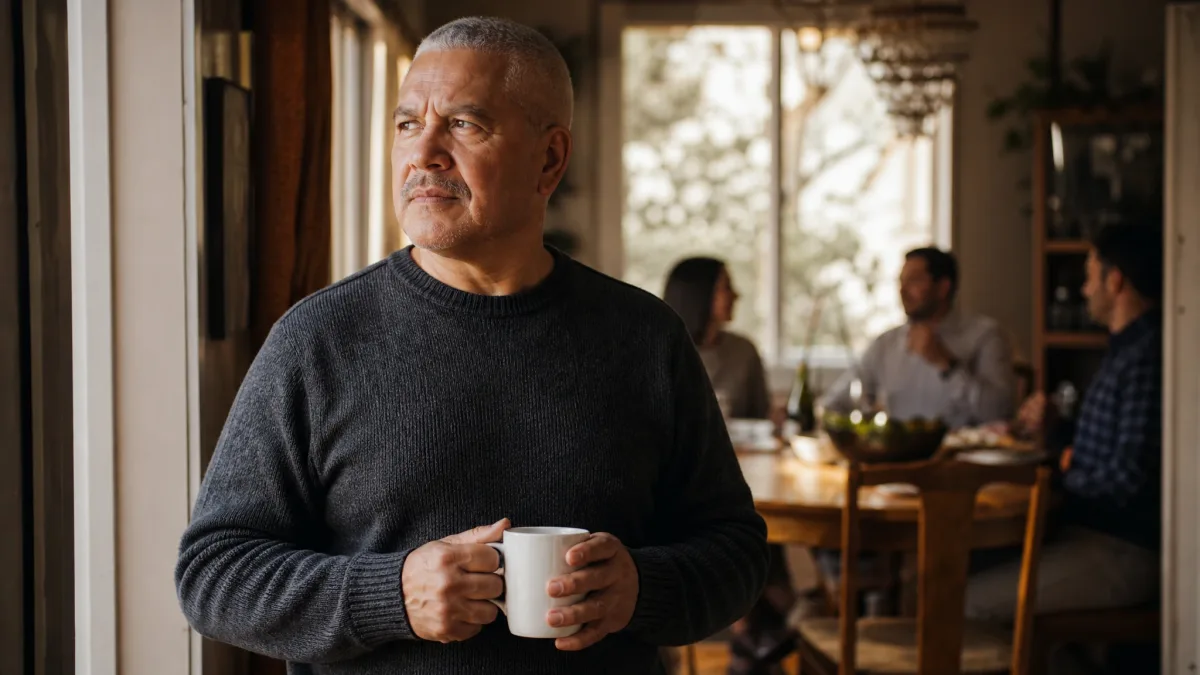
Seventy years is long enough to rebuild a life from scratch, but it is not always long enough for a body to forget an unsafe home. Even in full retirement with financial stability and an empty schedule, an aging relative may remain on continuous physical and emotional guard.
These persistent patterns are not the stubborn eccentricities of late life. They are deeply entrenched nervous system adaptations formed in early childhood, teaching the body to treat peaceful calm as an incoming threat.
Identifying these six survival mechanisms allows you to trade daily exasperation for steady relational safety.
Quick Tips Before You Start
Look at Biology
Recognize that lifelong defense mechanisms are automatic physical reactions, not willful stubbornness.
Drop the Logic
Arguing with an ingrained fear response only reinforces the feeling of being misunderstood.
Spot the Shield
Treat every frustrating habit as an outdated survival tool that once kept someone safe.
1. Hypervigilance Keeps the Body in Constant Restless Motion
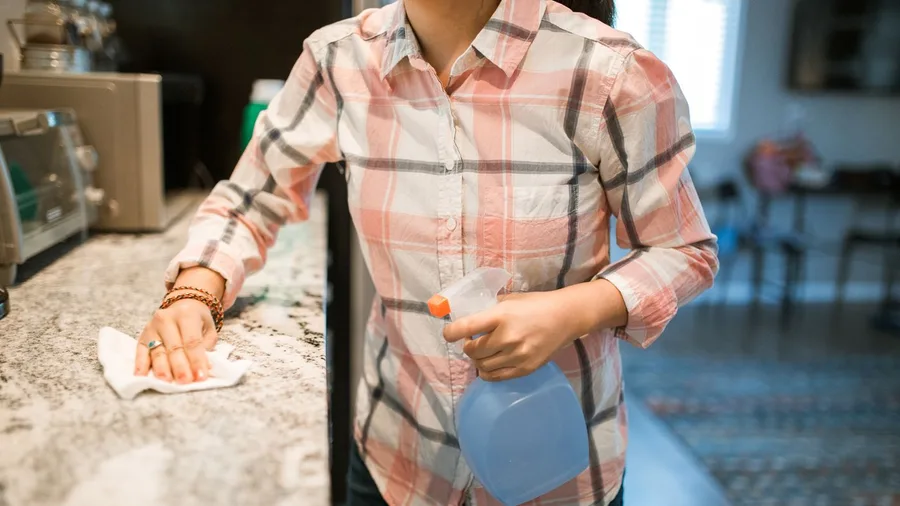
You pull out a kitchen chair, set down two mugs of tea, and ask them to sit down for ten minutes. Instead of sitting, they spot a smudge on the counter, wipe it, pace toward the hallway, and begin refolding clean laundry that was already put away neatly in the basket.
Stillness feels like an ambush waiting to happen.
When a childhood home offers no predictable stability, the autonomic nervous system locks into perpetual arousal. Leisure becomes synonymous with negligence. The child learns that resting means failing to monitor the room, and that failing to monitor the room means getting caught completely off guard by sudden anger or danger.
Decades later, the physical motor still refuses to idle. Inventing urgent household tasks the moment rest is offered is simply an old survival reflex keeping watch long after the threat has disappeared.
The body stays moving to keep itself safe.
💡 Tip: Never command a hypervigilant senior to sit down. Offer seated, repetitive manual tasks instead.
The Spectrum of Nervous System Activation
How early instability shapes lifelong baseline arousal
- Settled Baseline: Physical rest is perceived as safe; the body naturally powers down when tasks finish.
- Guarded Monitoring: Continuous ambient scanning of room dynamics, door sounds, and footstep volume.
- Chronic Defense: Complete inability to sit idle; stillness triggers immediate physical dread.
2. Reflexive Apologies Are Used to Preemptively Disarm Anger
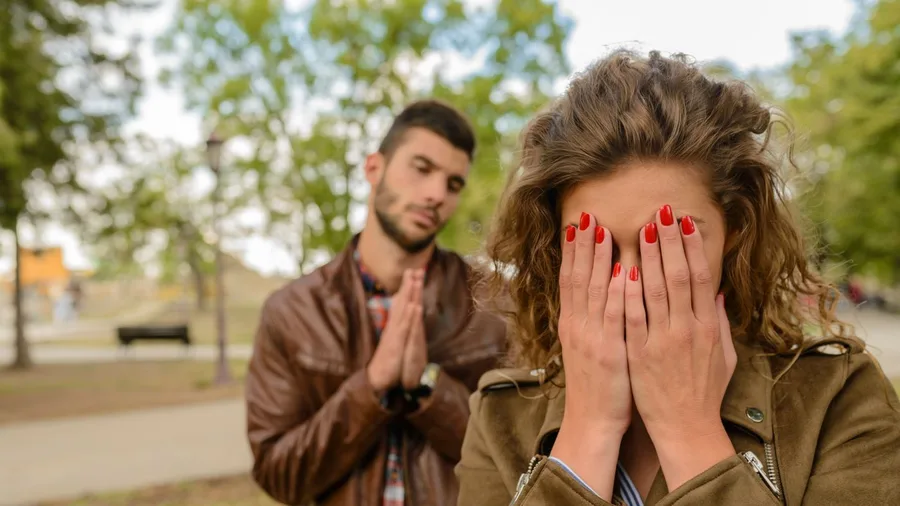
People often tell chronic apologizers to build self-esteem and stop taking blame for everything. But reflexive apologies rarely come from poor confidence; they are calculated moves designed to neutralize explosive anger before it starts.
Children raised around volatile caregivers learn that accepting fault immediately can short-circuit a dangerous explosion. Decades later, that appeasement reflex still fires automatically. An individual blurts out apologies when someone else drops a coffee mug, when they step through an open doorway, or even when unexpected rain disrupts an afternoon walk.
Trading personal fault for safety becomes an automatic shield against imagined hostility.
⚠️ COMMON MISTAKE
Why Correcting Apologies Backfires
Snapping 'stop apologizing!' registers as another reprimand to an anxious nervous system. State that everything is fine in a calm, flat tone instead of policing their language.
3. Hoarding Daily Essentials Guards Against Imagined Sudden Scarcity
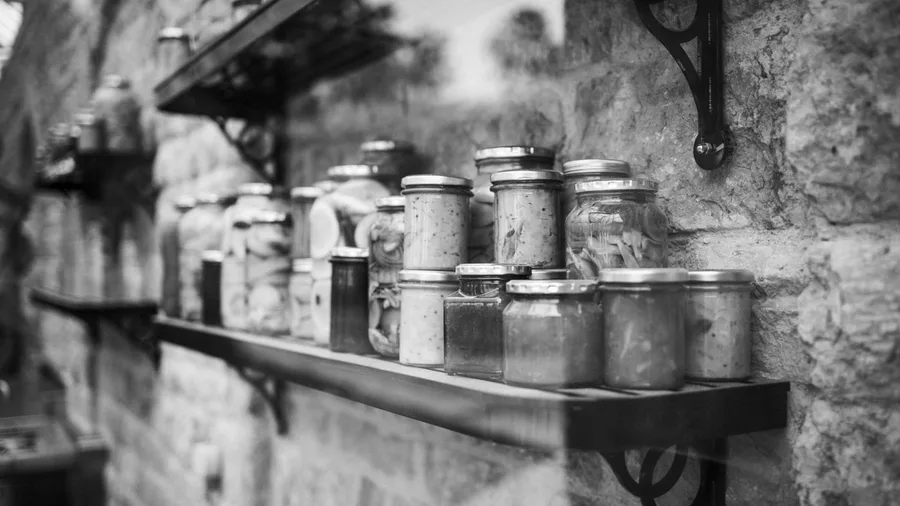
Living among towers of expired canned goods and hoarded containers creates constant domestic friction. Yet family members who dismiss the habit as eccentric thrift miss the deep-seated panic driving the need to hoard.
Therapists who study late-life stockpiling observe that hoarding essentials rarely stems from financial necessity. When a child learns that food, comfort, or shelter can vanish without warning, the fear never fully dissolves. Stacking duplicate tools and overflowing pantries constructs a tangible fortress against an early terror of total starvation and neglect.
Piled possessions become proof that they will survive tomorrow.
💡 Tip: Focus safety clearouts strictly on pathways and expired perishables, leaving dry reserves intact.
Pantry Scarcity Defenses — At a Glance
📦 Common Targets
Canned goods, paper bags, soap
🛡️ Underlying Dread
Sudden abandonment and hunger
❌ Wrong Response
Secretly clearing the shelves
✅ Supportive Move
Organizing clear access paths
Core Driver
Stockpiling is an emotional buffer against vulnerability, not practical economics.
4. Refusing Everyday Assistance Masks a Fear of Vulnerability

When early childhood dependence brought neglect or ridicule, needing help became wired directly to danger.
Material stockpiles guard against sudden physical shortages, but fiercely rejecting everyday assistance guards against human betrayal. A child who faced punishment or abandonment for expressing vulnerability learns that relying on others means surrendering control. They adopt absolute self-sufficiency because trusting another person once meant exposing an open flank to an unpredictable adversary.
Needing someone feels identical to being cornered.
Decades later, that protective reflex turns ordinary eldercare into a persistent battle. An older adult facing severe mobility limits will stubbornly reject a walking cane, dismiss home health aides, and insist on carrying thirty-pound grocery bags up the porch stairs unassisted. That fierce resistance is an act of self-defense against placing survival back in someone else's hands.
Direct arguments about physical decline only trigger their deepest alarms. You make far more headway by keeping the focus completely off their limitations, replacing overt supervision with quiet, matter-of-fact partnership.
Frame the support as casual convenience rather than caretaking: "I am heading up the steps right now, so let me take this heavy sack," or "Let us install this grab bar together so we both have something steady on the landing." That phrasing protects their autonomy while quietly getting the job done.
🤝 Offering Help Without Triggering Defensiveness
Notice the Resistance
Recognize that refusing physical assistance is a protective shield against feeling helpless.
Frame as Mutual Convenience
Describe the task as something you are already doing for yourself rather than a favor.
Preserve Concrete Choices
Give them full authority over timing, brand selection, or the exact placement of items.
Step Back Gracefully
Allow them to complete the final portion of the task independently to reinforce their agency.
5. Downplaying Severe Pain Prevents Becoming an Unwanted Burden

A parent hides a cracked rib or chronic chest tightness until an ambulance is required.
When someone refuses outside help, concealing physical breakdown is the next natural defense. In a home where expressing illness or distress was met with cold annoyance, a child learns that physical needs make them disposable. Total stoicism becomes the price of belonging, teaching the body that showing pain guarantees immediate emotional abandonment.
The common instinct is to scold them for being secretive or reckless with their health. Lecturing someone who expects rejection for being sick only confirms their deepest fear: that their physical needs are an intolerable inconvenience.
That explains why a senior will walk on a fractured hip or hide agonizing abdominal pain for months. They are not trying to be difficult. Withholding medical symptoms is a deeply learned attempt to stay safe by remaining utterly weightless to the people around them.
💡 Tip: Treat medical checkups as routine household maintenance rather than major family crises.
Interpreting Physical Stoicism
Surface Behavior
- Claiming intense pain is just a minor ache
- Refusing to schedule routine doctor visits
- Hiding mobility issues until a fall occurs
- Insisting everyone else needs more attention
Childhood Logic
- Needs were met with anger or irritation
- Illness was treated as personal weakness
- Vulnerability historically led to neglect
- Being low-maintenance kept them safe
6. Over-Interpreting Neutral Facial Expressions Anticipates Sudden Rejection
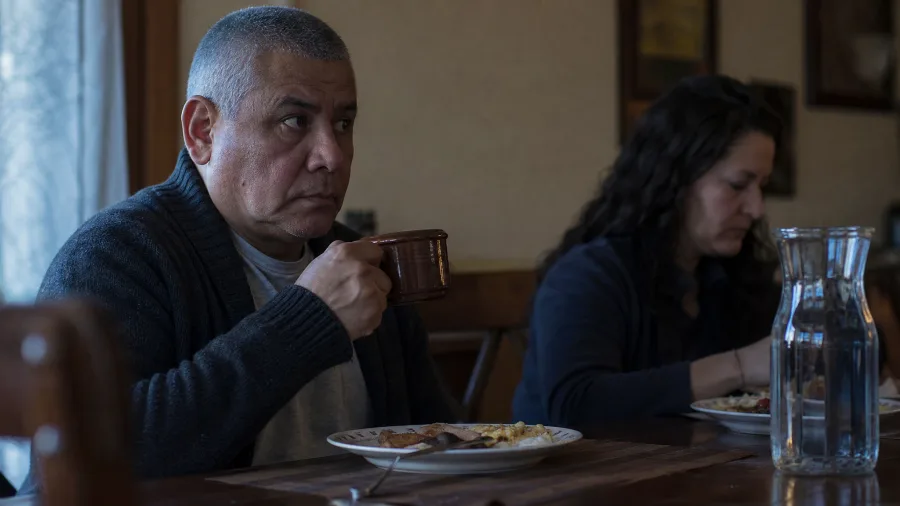
' during dinner just to fish for reassurance. But concealing pain often goes hand in hand with scanning the room for danger. Growing up around volatile moods turns a child into an expert on tiny facial shifts and quiet sighs.
A neutral face looks like a storm rolling in.
If you want to know how someone interprets stillness, watch their reaction to five seconds of silence: do they relax, or do they scramble to apologize? When neutral silence feels like incoming rage, every quiet moment is misread through an old childhood baseline of sudden rejection.
Myths About Late-Life Defensive Quirks
Frequently Asked Questions
Can someone truly change these survival habits in their 70s?
Deeply ingrained neural pathways rarely vanish completely in late adulthood. However, consistent emotional safety, calm environments, and predictable routines significantly soften these defensive reactions over time.
How can I help an older parent who refuses all outside help?
Avoid ultimatums that threaten their independence. Frame assistance as collaborative chores or side benefits of tasks you already handle, preserving their sense of autonomy and control.
Why does a stable retirement savings account not stop hoarding?
Childhood scarcity is an emotional wound, not a financial problem. A healthy bank account does not soothe the deep nervous system panic that basic physical resources could vanish overnight.
What is the best way to handle their constant apologies?
Respond with neutral reassurance rather than frustration. A simple, flat confirmation that nobody is angry and nothing is wrong slowly disarms the urge to appease.
Offering Predictable Calm Instead of Daily Correction
Trying to debate a seventy-year-old out of lifelong armor only spikes their alarm and entrenches the defense deeper. These survival habits were not built through logic, and criticizing the inconvenience will never dismantle them.
The effective response is quiet, consistent predictability. When you validate the protective instinct instead of demanding immediate change, you finally supply the safety that seventy years of hypervigilance was trying to secure.
Review the Defensive Patterns in Your Own Home
Look back at the survival habits in this guide and practice responding to the next anxious reaction with calm neutrality.

Meet Edward Green, the founder of GolfingGoal and a seasoned expert in golf. With years of experience on the course and a passion for the sport, Edward has a wealth of knowledge to share. As our Lead Writer, he contributes articles, tutorials, and resources to help readers to improve their skills and reach their full potential on the golf course. Join Our Team!