
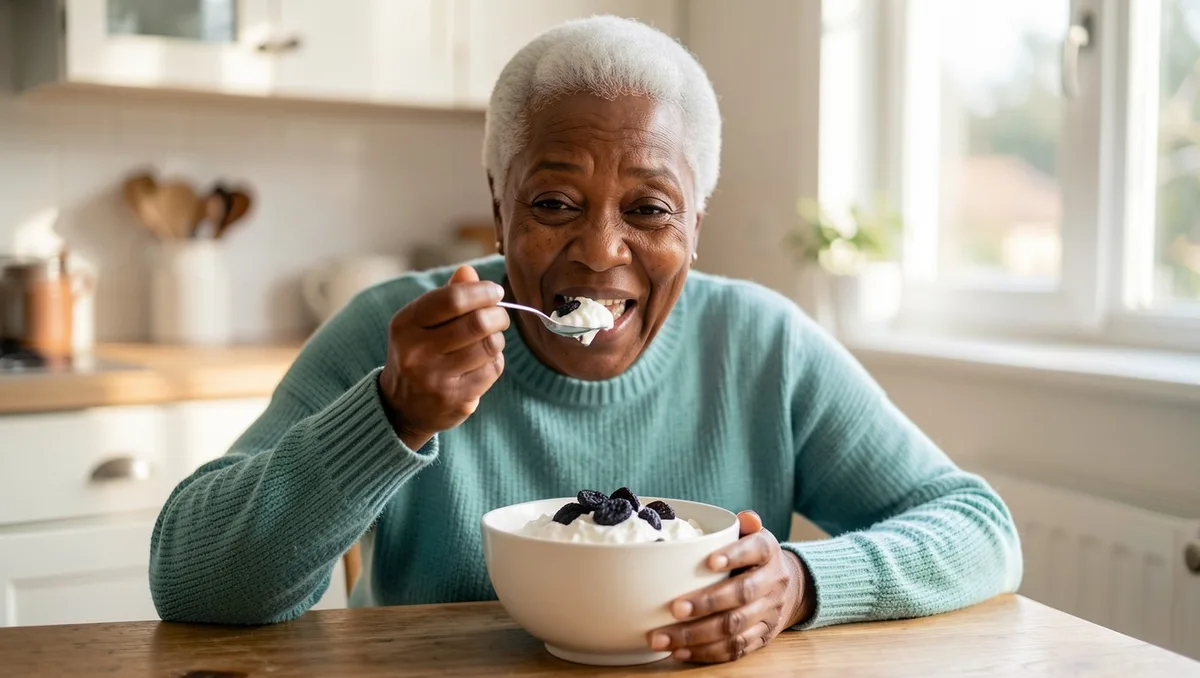
You step off a high curb, feel a sharp jar in your lower back, and spent the rest of the day wondering if your bones are quietly thinning out. It is a quiet anxiety that sneaks up on most of us around fifty.
For decades, the standard advice was simple: swallow a massive calcium carbonate pill every morning and hope for the best. Modern bone specialists now see a very different picture.
Isolated calcium supplementation often fails to reach your skeletal frame without the specific nutrient co-factors found in whole foods. Here are six targeted foods that deposit minerals directly where your body needs them.
At a Glance
Quick Tips Before You Start
Pair with Fats
Fat-soluble vitamins K2 and D3 require healthy dietary fats for proper absorption.
Stay Hydrated
Hydrated tissue helps transport essential minerals across cellular membranes effectively.
Add Impact
Nutrients signal bone building best when combined with weight-bearing walking or lifting.
1. Dried Plumes (Prunes) for Osteoclast Regulation
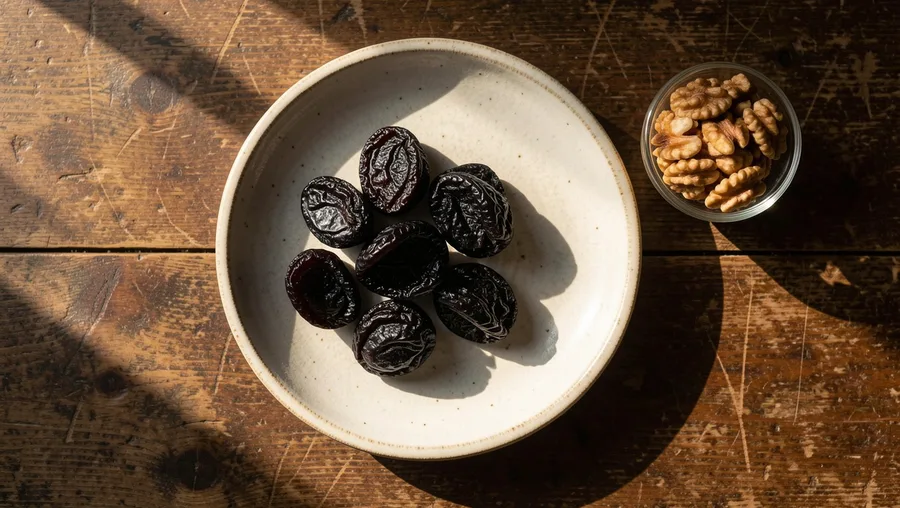
Mention prunes at a dinner party and people immediately think of digestive regularity. Orthopedic researchers look at them with entirely different eyes.
After age fifty, cellular turnover in your bones skews heavily toward breakdown rather than renewal. Osteoclasts strip away mineral matrix faster than osteoblasts can rebuild it.
Prunes contain high concentrations of specific polyphenols that actively slow down osteoclast activity without shutting off natural bone remodeling.
The protocol: Eat 5 to 6 prunes (about 50 grams) daily. Clinical trials show this exact dosage preserves hip bone mineral density over twelve months.
Shed the misconception that dried fruit is just sugar water. The specific boron, vitamin K, and phenolic profile in prunes acts like an direct signal to bone tissue.
💡 Tip: Buy pitted California prunes without added sugar or potassium sorbate preservatives.
Prune Clinical Trial Outcomes
Percentage of postmenopausal women maintaining hip density at 12 months
Best For
2. Natō and Aged Hard Cheeses for Vitamin K2 (MK-7)
You can swallow all the calcium in the world, but without Vitamin K2, that mineral acts like a traveler without a map.
Calcium frequently ends up hardening your arterial walls instead of reinforcing your femoral neck when K2 is absent.
Matrix Gla-protein (MGP) is the primary protein responsible for keeping calcium out of soft tissues and locking it inside bone structure. Vitamin K2 activates this protein.
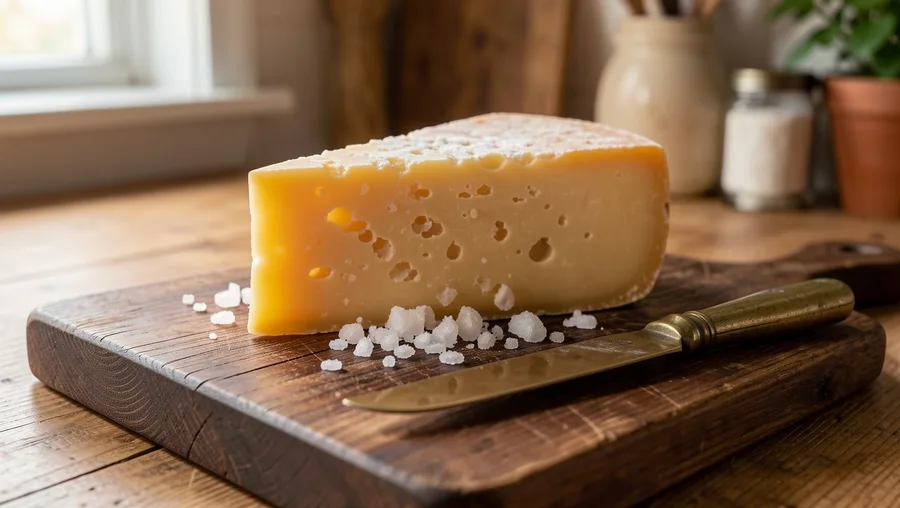
Fermented foods like Japanese natto contain MK-7, the most bioavailable form of K2. Aged Gouda, Jarlsberg, and Edam offer substantial amounts for western palates.
Aim for 45 grams of aged cheese or a small tablespoon of natto daily to satisfy your skeletal K2 requirements naturally.
Aged Gouda — At a Glance
🧀 Serving
45g daily
🧪 Key Compound
Vitamin K2 (MK-7)
🎯 Target
Osteocalcin activation
⏱️ Optimal Time
With main evening meal
Mechanism
Activates proteins that direct calcium straight into bone tissue and away from arteries.
⚠️ COMMON MISTAKE
Over-Relying on Calcium Carbonate
Taking cheap calcium carbonate supplements without K2 or magnesium can increase the risk of vascular calcification while doing little for bone strength.
3. Canned Sardines with Soft Bones for Phosphorus and Collagen
Many people recoil at the sight of canned sardines, opting for clean skinless chicken breasts instead. That choice sacrifices one of nature's best bone-building complexes.
Bone is not a rigid block of chalk; it is a flexible matrix of collagen fibers calcified with mineral crystals. You need structural collagen as much as minerals.
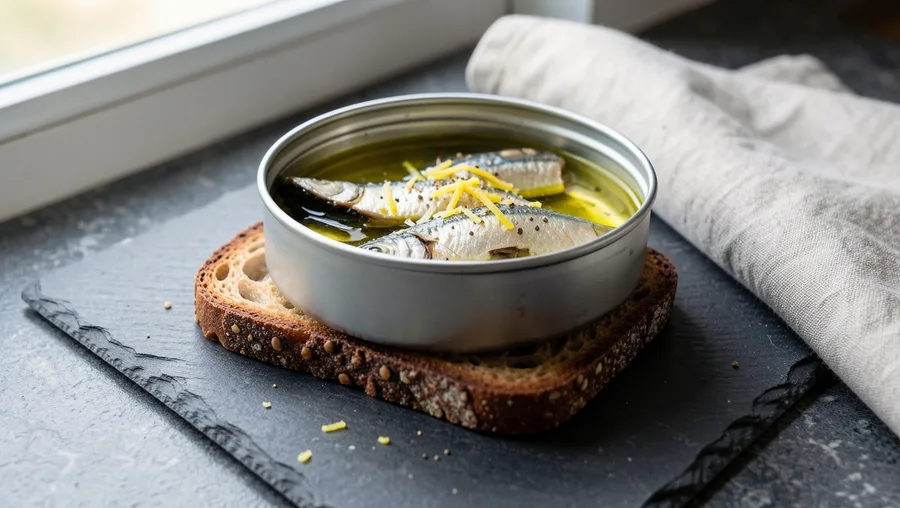
When you eat canned sardines with the tiny, pressure-cooked bones included, you consume the exact mineral ratio your skeleton uses for repair.
Sardines also supply rich concentrations of omega-3 fatty acids, which suppress the chronic low-grade inflammation that accelerates age-related bone decay.
Eat two tins of wild-caught sardines in olive oil per week. Mash them onto sourdough toast with avocado and lemon juice to mask any strong fish taste.
Bone-Building Dietary Setup
-
Stock pantry with wild sardines in olive oil Check labels to ensure bones are included
-
Source aged hard cheese (Gouda, Jarlsberg) Look for aged 12+ months for higher K2 levels
-
Buy plain pumpkin seeds in bulk Raw or dry-roasted without seed oils
4. Pumpkin Seeds for Magnesium and Zinc Co-Factors
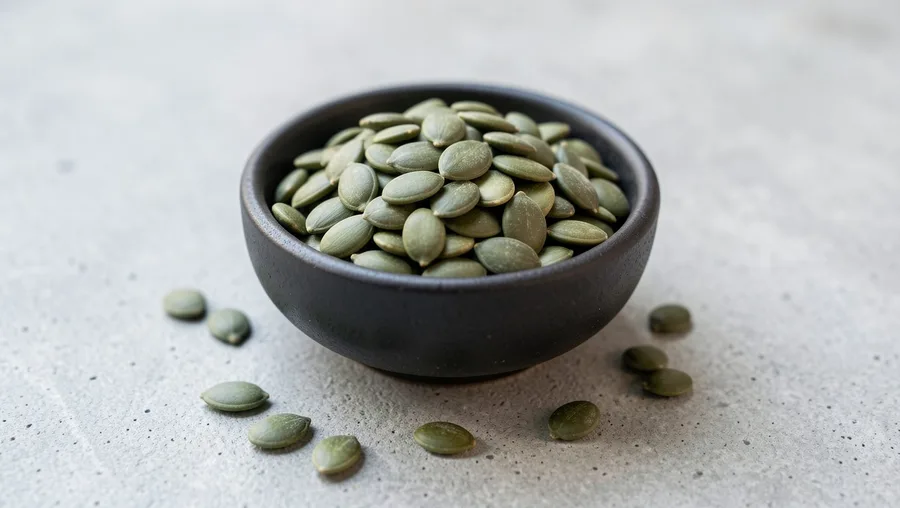
Ask a orthopedic surgeon about bone health, and they will point out that roughly sixty percent of the body's total magnesium lives inside the skeleton.
Magnesium influences the activity of osteoblasts and osteoclasts while directly converting Vitamin D into its active hormonal form inside the kidneys.
If you are magnesium deficient, your body simply cannot utilize dietary calcium or supplemental Vitamin D, regardless of dosage.
A single quarter-cup serving of raw pumpkin seeds delivers over forty percent of your daily magnesium requirement alongside crucial bone-building zinc.
The protocol: Keep a jar of raw pepitas on your counter. Sprinkle two tablespoons over salads, soup, or morning oats every single day.
5. Grass-Fed Bone Broth for Type I Collagen Hydrolysate

People often forget that bone is living, dynamic tissue made largely of protein. Collagen provides the tensile strength that prevents bones from snapping under torsional force.
Think of collagen as the rebar in reinforced concrete. Calcium and phosphorus are merely the cement poured around it.
As estrogen levels decline after fifty, collagen synthesis drops rapidly, leaving bones brittle even if mineral density scores appear normal on a DEXA scan.
Simmering marrow and joint bones releases bioactive peptides like proline, glycine, and hydroxyproline that stimulate bone collagen production.
Drink eight ounces of warm grass-fed bone broth daily, or add unflavored collagen hydrolysate powder to your morning tea.
Bone Structural Composition
The balance between mineral stiffness and protein flexibility
💡 PRO TIP
Combine Collagen with Vitamin C
Your body requires Vitamin C to synthesize collagen peptides into functional bone fibers. Consume bone broth alongside bell peppers or citrus fruit.
6. Dark Leafy Greens (Collards & Bok Choy) for Low-Oxalate Calcium
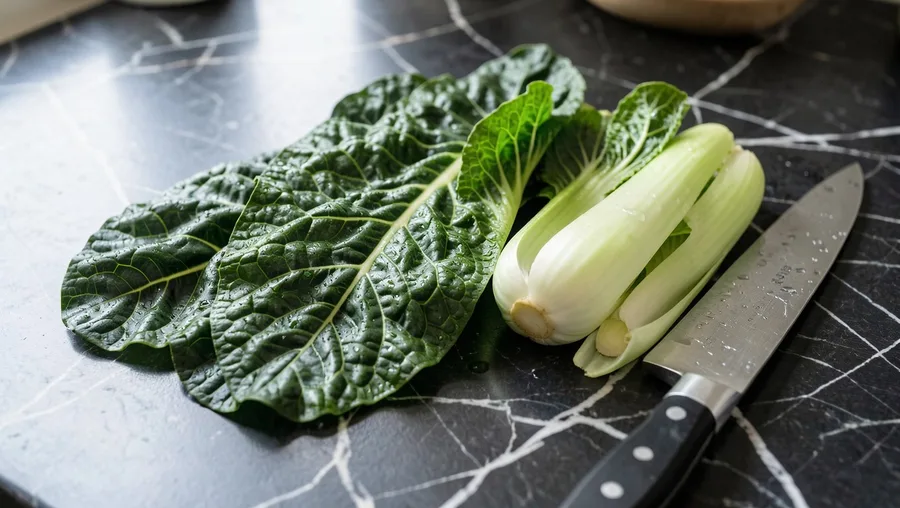
Spinach gets all the glory in traditional nutrition books, but it is actually a poor choice for bone health due to its high oxalic acid content.
Oxalates bind tightly to calcium inside your gut, forming insoluble complexes that pass right through your digestive tract unabsorbed.
Collard greens, bok choy, and kale contain low oxalate levels, allowing your body to absorb up to fifty percent of their available calcium.
These greens also provide substantial doses of potassium, which neutralizes metabolic acids that would otherwise leach minerals from your skeleton.
Steam one cup of chopped collard greens or saute bok choy in olive oil with minced garlic four nights a week.
Choosing Your Daily Leafy Greens
Optimal (Low Oxalate)
- Collard Greens (High absorption)
- Bok Choy (Easy to digest)
- Lacinato Kale (Rich in Potassium)
- Turnip Greens (High mineral yield)
Limit for Calcium (High Oxalate)
- Raw Spinach (Binds up calcium)
- Swiss Chard (High oxalic acid)
- Beet Greens (Blocks mineral intake)
- Rhubarb (Extremely high oxalates)
📅 Your 4-Week Bone Food Integration Plan
Week 1: Prunes & Seeds
Add 5 prunes and 2 tablespoons of pumpkin seeds to your daily routine.
Week 2: Low-Oxalate Greens
Swap spinach for steamed collard greens or bok choy four times per week.
Week 3: Calcium Anchor
Introduce two tins of wild sardines with bones into your weekly lunch menu.
Week 4: K2 & Collagen
Add 45 grams of aged Gouda and daily bone broth to complete the matrix.
Avoid These Common Mistakes
Start With This One
If changing your entire diet feels overwhelming right now, pick just one change for the next thirty days: buy a tub of pitted prunes and eat five every afternoon.
The scientific evidence supporting prune intake for preserving hip density is exceptionally strong and requires zero complex meal prep.
Once that habit sticks, add pumpkin seeds to your morning routine. Your bones rebuild slowly over months, so focus on consistency over perfection.

Meet Edward Green, the founder of GolfingGoal and a seasoned expert in golf. With years of experience on the course and a passion for the sport, Edward has a wealth of knowledge to share. As our Lead Writer, he contributes articles, tutorials, and resources to help readers to improve their skills and reach their full potential on the golf course. Join Our Team!