

You notice it first in how someone stands up from a deep armchair, taking an extra second to find their balance before putting weight on their knees.
That small hesitation tells a quiet story about muscle memory, joint stiffness, and the gradual shift from active movement to cautious preservation.
Quick Tips Before You Start
Prioritize Pace
Keep your natural stride long and deliberate rather than shuffling.
Check Seating
Avoid chairs that are too low to rise from without using your arms.
Stay Hydrated
Drink water consistently throughout the day to keep joints lubricated.
1. The Cost of Spending All Day Seated

Sitting for hours at a time drains muscle tone from the legs faster than almost any other routine.
You finish the morning news, move to the desk to sort the mail, and then settle into the recliner for the afternoon sports broadcast.
The hips tighten, the glutes turn off, and the body adapts to a sedentary baseline that makes standing up feel heavy.
Stand up every forty minutes and walk to the kitchen just to get a glass of water.
⚠️ COMMON MISTAKE
The Danger of Extended Sitting
Treating the armchair as your default station for the entire afternoon accelerates muscle loss.
2. Skipping Resistance Work Entirely
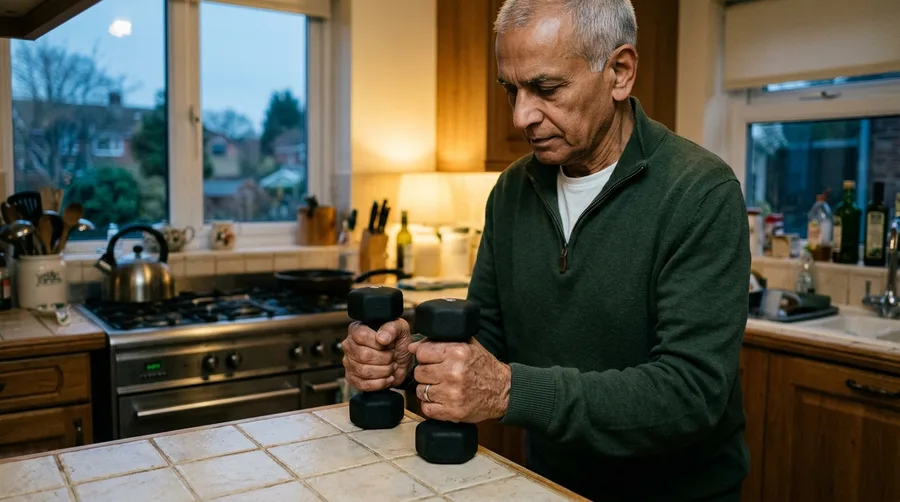
Three times a week, a daily routine leaves out the one form of effort that actually keeps the skeleton dense.
Muscle mass declines naturally with age, but avoiding any form of resistance accelerates that drop significantly.
You might walk three miles a day, which is great for the heart, but it does nothing to challenge the upper body or maintain bone density in the arms and spine.
Strength needs a reason to stick around, and when someone asks you why those small weights are sitting by the stove, the answer is simple. Keep two ten-pound dumbbells near the kitchen counter and do two sets of overhead presses while waiting for the kettle to boil.
💡 Tip: Start with two sets of ten repetitions using light weights every other day.
3. Walking With a Shuffling Stride

You are standing in aisle four of the grocery store, listening to the soft scrape of your own shoes against the linoleum rather than lifting your feet clear of the floor.
Watch how your feet move across the linoleum right now and ask yourself honestly whether you are stepping forward or simply dragging the distance between shelves.
If the soles are dragging, your body is quietly rehearsing a much smaller life that feels safer in the moment but signals fragility to everyone watching.
Force your heels to strike the ground first and let your arms swing naturally with every single stride you take today.
4. Ignoring Protein at Breakfast
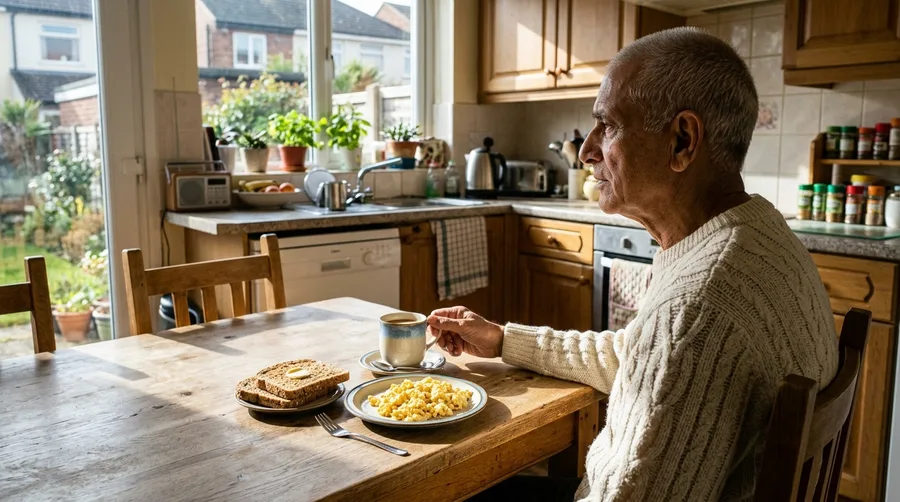
Just grab me a piece of toast and black coffee, I am not a big breakfast person.
You sit down at the kitchen table while the light hits the linoleum floor, cutting a slice of white bread and spreading a thin layer of butter across the crumb. Toast and black coffee get you out the door, but they leave your muscles with zero raw material to repair themselves after the overnight fast.
By noon, your energy dips because your blood sugar spiked and crashed without any protein to steady it, making the afternoon slump feel heavier than it used to.
Scramble two eggs or eat a cup of Greek yogurt instead to give your body the building blocks it needs before the day even begins.
5. Slouching Into Deep Upholstery

There was a time when sinking into a deep, pillowed couch at the end of a long afternoon felt like a well-earned reward, and for years I assumed that any comfortable chair was doing the body a favor.
Cradling your spine in a sagging sofa feels relaxing for twenty minutes, but it forces your lower back into a permanent curve that strains the surrounding muscles.
You sink into the cushions to watch the evening news, letting your chin drop toward your chest and your shoulders round forward while the fabric swallows your lower back.
Over time, that posture hardens into a rounded upper back that makes you look smaller and restricts your breathing capacity by compressing the chest cavity.
Of course, nobody needs to sit at strict military attention on a wooden stool every single minute of the day when a genuinely restful evening is in order.
Place a firm lumbar pillow behind your lower back and sit upright with both feet flat on the floor, or simply move to a supportive armchair when you want to truly rest without collapsing your frame.
6. Wearing Shoes With Zero Support
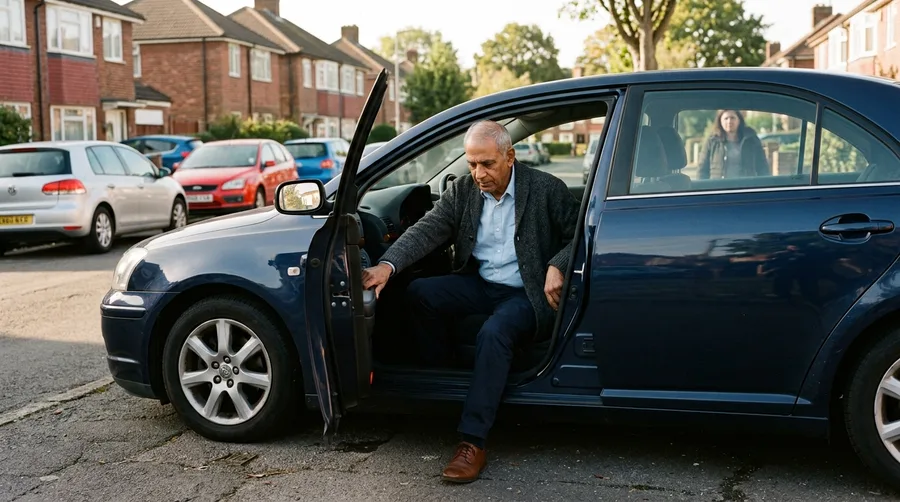
Slip-on loafers and worn-out slippers feel easy to put on, but they offer zero ankle stability or arch support.
You shuffle out to get the morning paper wearing thin cloth slippers with worn-out soles, trusting that a quick trip to the driveway requires no preparation at all. Your feet slide around inside the shoe, forcing your ankles to work twice as hard just to keep you upright on uneven grass.
Wear lace-up walking shoes with sturdy rubber soles whenever you leave the house.
7. Avoiding Stairs Whenever Possible
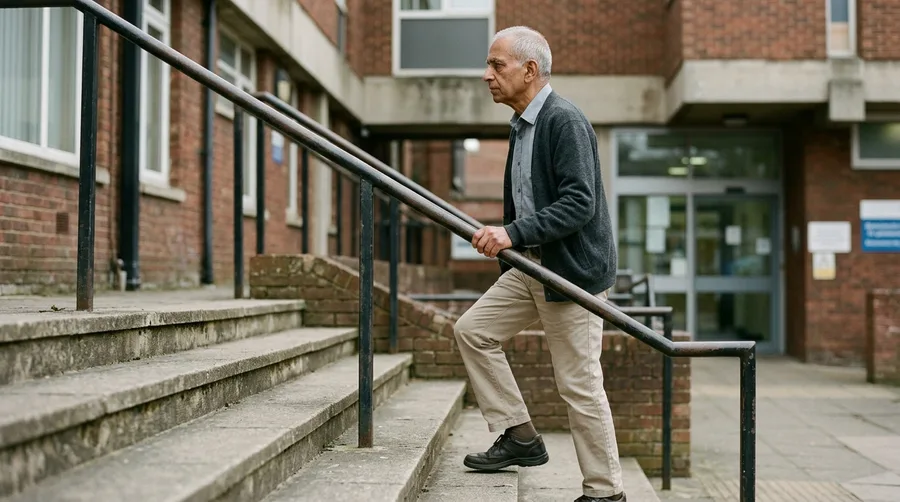
Taking the elevator or avoiding two flights of stairs seems like a smart way to save your knees.
You pull up to the medical building and immediately look for the elevator sign rather than taking the six steps by the door, assuming that preserving your joints means keeping them completely still.
Every time you skip a flight of stairs, you give up a natural opportunity to maintain quad strength and balance, slowly letting the muscles that protect your knees weaken from a lack of daily challenge.
The physical therapy research that tracks functional independence over decades consistently shows that people who stop stepping upward lose the specific eccentric strength needed to safely lower themselves down curbs and inclines.
What feels like a considerate choice for tired joints is actually a quiet decision to stop practicing the exact mechanical movement that keeps you stable.
Climb one flight slowly, using the handrail for guidance, and leave the elevator for everyone else.
8. Skipping Water Until Evening
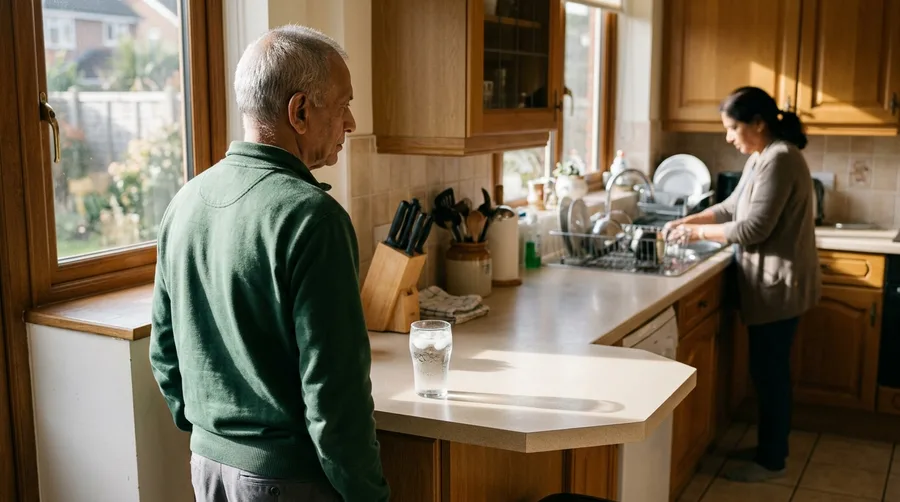
Why does a sudden afternoon fatigue feel less like tiredness and more like your joints have aged ten years over lunch?
Waiting until dinner to drink fluids leaves your tissues dehydrated and your joints dry all day, which reduces muscle elasticity and makes you feel sluggish and stiff when you stand up from a chair after eight hours of neglect.
You realize at eight o'clock that you have only had a single cup of coffee since sunrise, missing the simple baseline your body needs to keep moving smoothly.
Keep a filled sixteen-ounce glass on the kitchen counter and finish it by noon to prevent that dry, heavy feeling before the day even winds down.
9. Stopping Balance Work Altogether

Ten seconds of standing on one foot is all it takes to trigger the small micro-adjustments your brain and ankles need to stay upright.
You think sitting down on the edge of the bed to pull on your socks is simply a smart way to avoid an awkward fall in the morning.
What that routine actually signals to your nervous system is that the challenge is too high, so the system quietly dials back the resources it spends on stability.
Stand near the kitchen counter with one hand resting lightly on the surface, lift a single foot for ten seconds, and let your nervous system remember how to hold its ground.
Frequently Asked Questions
Can you rebuild muscle strength after age 70?
Yes, muscle tissue responds to resistance training and adequate protein intake at any age. Consistency matters far more than heavy lifting.
How much water should older adults drink daily?
Aim for at least six to eight glasses of water spread evenly throughout the day. Pay attention to thirst cues and keep a glass visible.
What is the best footwear for preventing falls?
Choose lace-up shoes with firm rubber soles and low heels. Avoid backless slip-ons, worn slippers, and smooth-soled dress shoes for daily walking.
How often should you challenge your balance?
Practice simple single-leg stands for ten seconds every day while holding onto a stable surface like a kitchen counter.
Where This Actually Starts
Pick one habit from this list to change today, whether it is adding protein to breakfast or choosing the stairs.
Small adjustments compound over months to build lasting physical resilience.

Meet Edward Green, the founder of GolfingGoal and a seasoned expert in golf. With years of experience on the course and a passion for the sport, Edward has a wealth of knowledge to share. As our Lead Writer, he contributes articles, tutorials, and resources to help readers to improve their skills and reach their full potential on the golf course. Join Our Team!