
You carry the groceries up the front stairs, and your knees feel it before your lungs do.
It is a frustrating moment that happens to almost everyone past 60. You walk every morning, you eat decent meals, yet your arms feel softer and opening a jar takes a double take. The immediate reaction is to blame simple aging and accept it.
Your body is not broken, but its internal rules for building muscle have fundamentally shifted.
Why Your Muscles Need a Different Signal After 60

In your thirties, a modest chicken salad triggered muscle repair without much fuss.
Past 60, your tissue experiences what researchers call anabolic resistance. Your digestive tract still processes food well, but the cellular machinery that converts dietary amino acids into lean tissue becomes less responsive. It requires a larger, sharper stimulus to flip the metabolic switch.
That switch relies heavily on a single essential amino acid named leucine.
Physical therapists and geriatric dietitians point out that hitting roughly 2.5 to 3 grams of leucine per sitting is what triggers muscle protein synthesis in an mature body. A tiny portion of protein simply gets burned as fuel instead of repairing muscle fibers.
To rebuild strength, you must choose foods that pack dense, highly bioavailable protein along with anti-inflammatory compounds to protect your joints.
💡 PRO TIP
The Leucine Switch Rule
Think of young muscle like a light switch with a soft touch—a little protein flips it on. After 60, that switch stiffens; you need roughly 3 grams of leucine in a single meal to force the mechanism into active repair mode.
Muscle Growth Myths After 60
1. Greek Yogurt: The Ultimate Bioavailable Dairy Base
Your breakfast routine might be working against your muscle mass.
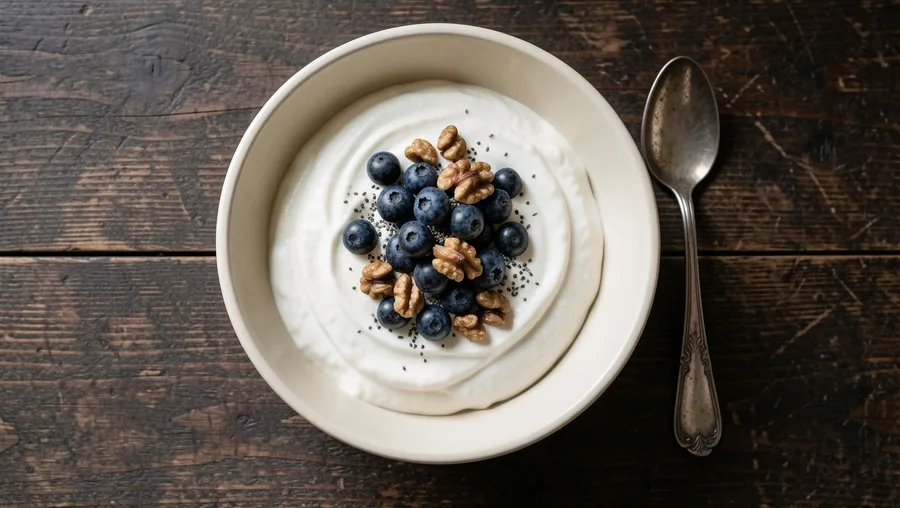
Plain Greek yogurt delivers approximately 15 to 20 grams of dense protein per six-ounce serving. It blends fast-digesting whey protein with slow-digesting casein, giving your system an immediate leucine spike followed by a steady drip of amino acids over several hours.
The live active cultures also support gut health, which helps your body absorb nutrients more effectively as digestive enzymes naturally decline.
Skip the flavored varieties loaded with added cane sugar. Buy full-fat or 2% plain Greek yogurt, then toss in fresh blueberries and walnuts to tame systemic joint inflammation.
💡 Tip: Stir two tablespoons of hemp seeds directly into plain Greek yogurt to instantly boost leucine content by almost a full gram.
Greek Yogurt — At a Glance
🥛 Serving Size
6 oz (170g)
💪 Protein Content
17 grams
⚡ Leucine Level
~1.6 grams
🦴 Key Bonus
Calcium & Probiotics
Why It Wins
Fast whey and slow casein combine to provide both an immediate and sustained repair signal.
2. Wild-Caught Salmon: The Anti-Inflammatory Muscle Engine
Joint stiffness often prevents people from lifting heavy enough to preserve strength.
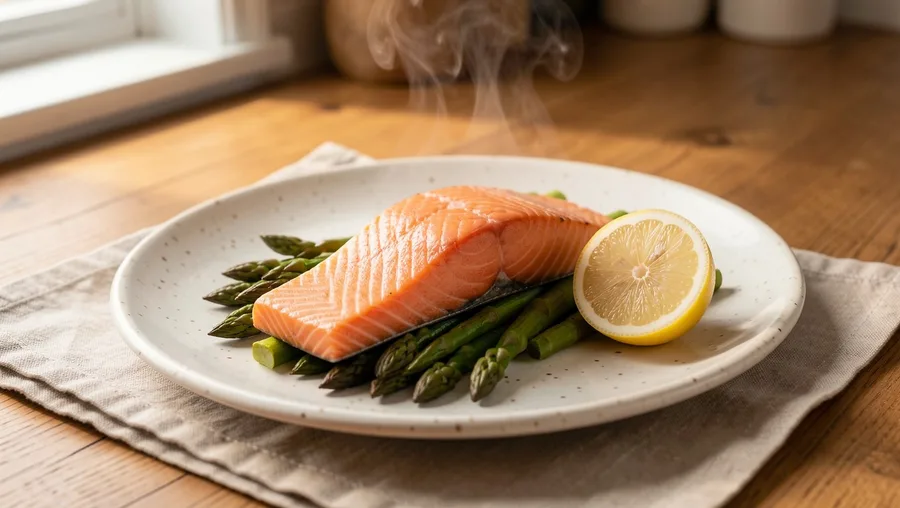
Wild salmon solves two problems at once. A three-ounce cooked fillet offers roughly 22 grams of complete protein alongside a heavy dose of EPA and DHA omega-3 fatty acids.
Omega-3s actually slip directly into muscle cell membranes.
Research shows this structural change improves insulin sensitivity and directly lowers anabolic resistance, making your muscles more responsive to the protein you eat throughout the day.
Bake a six-ounce wild sockeye salmon fillet at 375°F for 12 minutes with olive oil, lemon juice, and cracked black pepper.
Best For
3. Eggs: The Gold Standard for Bioavailable Protein

Throwing away the yolk is a mistake if you want stronger legs.
Whole eggs carry a near-perfect biological score, meaning your digestive system converts almost every gram into usable tissue.
One large egg yields 6 grams of protein.
While that sounds modest, the yolk contains phosphatidic acid and specialized lipids that stimulate muscle protein synthesis far beyond what isolated egg whites can achieve on their own.
Scramble two whole eggs with a half-cup of liquid egg whites to hit a massive 24-gram protein dose without overloading on saturated fats.
4. Lean Beef: High-Density Leucine and Natural Creatine
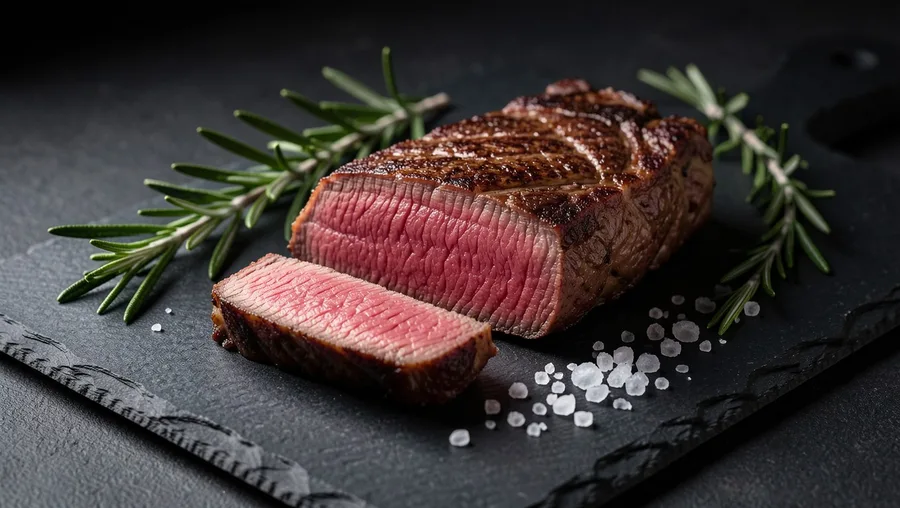
You do not need a massive steak, but lean red meat delivers nutrients plants cannot match.
A three-ounce serving of top sirloin or 90/10 ground beef supplies 26 grams of protein and a whopping 2.4 grams of leucine. It is practically a targeted supplement for aging muscle fibers.
It also delivers natural creatine and heme iron.
Creatine fuels short bursts of power—like standing up from a deep chair—while heme iron prevents the hidden fatigue that often gets misdiagnosed as getting old.
Limit red meat to twice a week, sticking to lean cuts like sirloin, flank steak, or eye of round.
⚠️ COMMON MISTAKE
Don't Skimp on Portion Density
Eating a three-ounce portion of beef gives you the exact leucine punch that would take nearly two cups of black beans to match. Don't crowd out dense protein with heavy carb fillers when recovering from workouts.
5. Cottage Cheese: The Overnight Recovery Shield

Nighttime is when your body enters a prolonged fasting state.
Without available amino acids, your liver borrows fuel from muscle tissue during an eight-hour sleep cycle. Cottage cheese is rich in slow-digesting casein protein, which forms a gentle gel in the stomach and releases amino acids continuously until morning.
A single cup of 2% cottage cheese delivers roughly 28 grams of protein.
That single cup effectively protects your legs and back from catabolic breakdown while you sleep.
Eat a half-cup of low-sodium cottage cheese topped with sliced peaches or cinnamon roughly 45 minutes before turning off the lights.
6. Chicken Breast: Low-Fat Leucine Efficiency

Lean poultry remains a staple for a clear reason: pure efficiency.
A single three-ounce skinless chicken breast supplies 26 grams of high-quality protein for under 140 calories. This allows you to hit high leucine thresholds without exceeding your daily energy intake.
Gaining fat while trying to build muscle creates metabolic friction.
Chicken provides the raw materials for tissue repair while keeping visceral body fat in check.
Batch-poach three chicken breasts in seasoned chicken bone broth every Sunday, then slice them thinly for quick afternoon salads.
Protein Source Verdict Lanes
- Greek Yogurt, Wild Salmon, Eggs, Chicken Breast — Highest leucine efficiency, clean absorption, excellent safety profile for daily intake.
- Lean Beef, Whey Isolate, Tempeh — Fantastic results, but manage frequency due to saturated fat, sodium, or processed origin.
- Processed Deli Meats, Fried Meats, Sugar-Laden Shakes — Triggers systemic inflammation and spikes sodium without providing dense bioavailable amino acids.
7. Edamame & Tempeh: Complete Fermented Plant Power

Plant-focused eaters often struggle with amino acid completeness.
Soy stands out as one of the very few plant foods containing a full spectrum of essential amino acids in proportions that human tissue can readily use. Tempeh takes this a step further through natural fungal fermentation.
Fermentation breaks down anti-nutrients like phytic acid.
This makes the zinc, iron, and protein far easier for an mature digestive tract to pull into the bloodstream.
One cup of cooked edamame delivers 17 grams of protein, while a three-ounce block of tempeh provides roughly 20 grams.
Tempeh vs. Edamame — At a Glance
🫘 Tempeh Protein
20g per 3 oz
🫛 Edamame Protein
17g per cup
🦠 Fermentation
Tempeh only (Better Absorption)
⏱️ Prep Time
5–10 minutes
Dietitian Tip
Choose tempeh over processed soy burgers for higher gut digestibility and zero chemical binders.
8. Whey Protein Isolate: The Targeted Leucine Trigger

Appetite often decreases with age, making large meals unappealing.
When eating another breast of chicken feels like a chore, high-grade whey protein isolate provides an immediate work-around. Isolate undergoes filtration to remove virtually all lactose, fat, and milk sugars.
One scoop delivers 25 grams of pure protein and nearly 2.7 grams of leucine.
Because it digests rapidly, it sends a swift spike of amino acids into your circulation, turning on tissue repair within 45 minutes.
Blend one scoop of unflavored or vanilla whey isolate into your morning oatmeal or water right after a strength training session.
Protein Supplement Processing Scale
Choosing the right powder based on digestibility and purity
- Whey Isolate: Lowest lactose, fast absorption, highest leucine concentration per calorie.
- Whey Concentrate: Contains moderate lactose and fat; can cause mild bloating in sensitive stomach types.
- Generic Mass Gainers: Loaded with maltodextrin sugars and cheap fillers; avoid for muscle isolation goals.
9. Lentils & Pumpkin Seeds: The Synergistic Fiber Pair
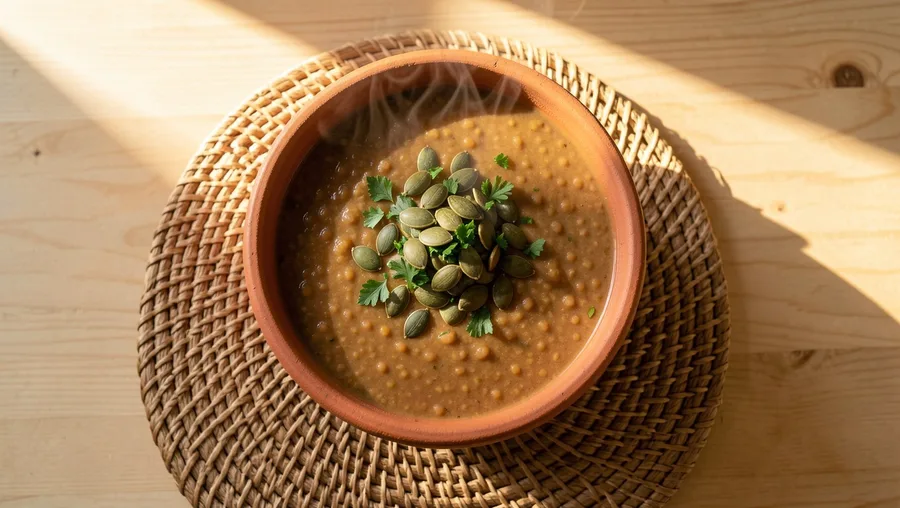
Plant sources become potent when you pair them intelligently.
Lentils provide robust fiber and essential B vitamins, but they fall short on methionine. Pumpkin seeds carry dense methionine and magnesium, which supports neuromuscular signaling and muscle contraction.
Combining them creates a complete, highly functional plant protein profile.
One cup of cooked brown lentils mixed with an ounce of toasted pumpkin seeds delivers 27 grams of total protein and 8 grams of digestive fiber.
Ladle hot lentil soup into a ceramic bowl and sprinkle toasted pumpkin seeds over the top for immediate crunch and balanced aminos.
Dietary Habits After 60
Do This for Muscle Growth
- Target 25–30g of protein at breakfast
- Pair resistance training with protein meals
- Prioritize leucine-dense foods like eggs and Greek yogurt
- Spread intake evenly across 3 main meals
Avoid These Pitfalls
- Relying on tea and toast for breakfast
- Eating 70% of daily protein at dinner only
- Assuming light walking builds leg muscle
- Skipping protein out of fear of kidney strain
The Per-Meal Threshold: Why Spreading Protein Out Matters

Most people eat protein completely upside down.
The standard routine involves 5 grams of protein at breakfast (toast and coffee), 15 grams at lunch (a light sandwich), and a massive 50-gram steak at dinner. For an mature body, this routine leaves you in a negative muscle balance for 18 hours of the day.
Your body cannot store excess amino acids from that huge dinner for the next morning.
Because breakfast and lunch failed to cross the 2.5-gram leucine threshold, your muscle tissue sat in a state of breakdown until 7:00 PM.
Shift to the 30×3 rule: aim for 25 to 35 grams of high-quality protein across breakfast, lunch, and dinner to keep muscle synthesis active all day.
⏱️ The Daily 30×3 Protein Strategy
7:30 AM — Breakfast Anchor
Consume 1 cup of plain Greek yogurt with hemp seeds or a 3-egg white scramble to hit 30g protein immediately.
12:30 PM — Midday Fuel
Build a salad with 4 ounces of canned wild salmon or sliced chicken breast to cross the leucine threshold again.
6:30 PM — Dinner Repair
Enjoy a 4-ounce lean sirloin steak or tempeh stir-fry alongside roasted vegetables for solid evening synthesis.
9:30 PM — Nighttime Shield (Optional)
Snack on a half-cup of cottage cheese to provide slow-releasing casein aminos throughout your sleep cycle.
How Much Protein Do You Need? A Simple Self-Check

The standard government guidelines on protein are outdated for active aging.
The standard Recommended Dietary Allowance (RDA) sits at 0.8 grams per kilogram of body weight. Modern geriatric research consistently shows that this minimum merely prevents deficiency—it does not preserve physical strength or prevent sarcopenia.
Target 1.2 to 1.6 grams of protein per kilogram of body weight if you want to remain strong.
To find your personal daily target in pounds: take your body weight in pounds and multiply it by 0.6.
For a 150-pound individual, that calculation equals 90 grams of total protein per day. Divided across three meals, your goal is simple: 30 grams per plate.
Daily Muscle Preservation Audit
Frequently Asked Questions
Can I actually build muscle after 60, or just stop the loss?
You can absolutely build new muscle tissue past 60. While the rate of growth is slower than in your twenties, progressive resistance training paired with 25–30 grams of protein per meal triggers muscle hypertrophy at virtually any age.
Is eating this much protein dangerous for my kidneys?
For individuals with normal, healthy kidney function, consuming 1.2 to 1.6 grams of protein per kilogram of body weight is entirely safe. If you have existing Chronic Kidney Disease (CKD), consult your nephrologist before altering your intake.
What if I have a low appetite in the morning?
If solid food feels heavy early in the day, liquid protein is an excellent alternative. A scoop of whey isolate blended into water, almond milk, or stirred directly into warm oatmeal delivers 25 grams of protein without feeling heavy.
How long does it take to see strength gains after changing my diet?
Neuromuscular adaptations—feeling stronger when climbing stairs or lifting objects—typically show up within 2 to 4 weeks. Visible improvements in muscle tone and muscle mass generally manifest after 8 to 12 weeks of consistent effort.
Start With Your Very Next Meal
Rebuilding muscle after 60 does not require overturning your life overnight.
Pick one single change for tomorrow morning: upgrade your breakfast to hit 30 grams of protein. Swap the dry toast for a cup of Greek yogurt with seeds, or scramble three egg whites with two whole eggs. Once that single habit sticks, address lunch.
Your body still responds to the right signal—you just have to give it a reason to stay strong.

Meet Edward Green, the founder of GolfingGoal and a seasoned expert in golf. With years of experience on the course and a passion for the sport, Edward has a wealth of knowledge to share. As our Lead Writer, he contributes articles, tutorials, and resources to help readers to improve their skills and reach their full potential on the golf course. Join Our Team!