
You zip up your favorite trousers in the morning, but by 3 p.m., the waistband cuts deep into your skin, leaving a red, angry mark.
Mid-life bloating is rarely just about vanity; it is a physical discomfort that alters how you move, breathe, and select your clothes for the day.
After 40, your digestive tract undergoes subtle structural shifts, including decreased stomach acid production and slower intestinal motility, which means meals linger longer and gas traps easily.
I have spent years researching digestive physiology and testing dietary adjustments on my own 50-something digestive system to separate marketing fluff from authentic relief.
The good news is that targeted gut health foods can change your daily comfort rapidly by addressing the underlying mechanisms of fluid retention and sluggish fermentation. This list contains concrete, everyday options that alter your internal environment without requiring expensive, exotic supplements.
By introducing these specific ingredients into your regular meals, you give your digestive tract the precise enzymes, fibers, and soothing agents it needs to keep your midsection flat and comfortable from breakfast until bedtime.
Quick Tips Before You Start
Hydrate First
Drink 8 ounces of room-temperature water before adding high-fiber options.
Space It Out
Introduce only two new entries per day to avoid initial gas overload.
Portion Control
Stick to the recommended small serving sizes for immediate comfort.
1. Plain Grass-Fed Greek Yogurt
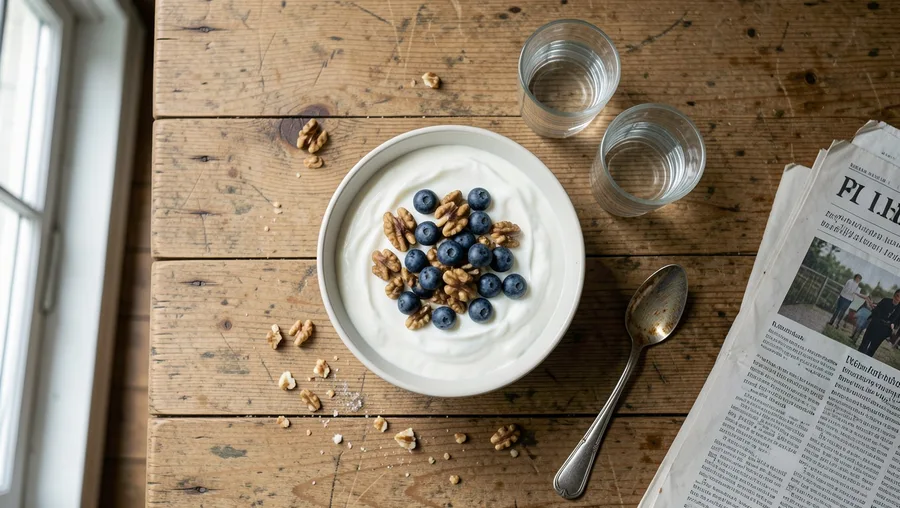
You open the refrigerator seeking a quick snack, but grabbing the wrong tub can trigger hours of lower-belly pressure.
Many commercial yogurts are laden with cane sugar or artificial sweeteners that ferment aggressively in your colon, creating immediate distress. Plain grass-fed Greek yogurt offers a clean alternative, delivering a concentrated dose of live Lactobacillus cultures directly to your microbiome.
After 50, your gut requires a more robust influx of beneficial microbes to keep opportunistic gas-producing bacteria from taking over.
Select traditional brands like Fage Total 5% rather than fat-free alternatives, as the natural milk fat helps stabilize your digestive response.
Eat a half-cup portion mid-morning, garnished with a sprinkle of ground cinnamon to help regulate blood sugar levels simultaneously.
Key Digestive Terms Decoded
2. Fresh Ginger Root Infusions

Waking up with a flat midsection only to feel it expand like a balloon after your morning beverage is an incredibly frustrating pattern. Traditional black coffee or sugary teas can irritate a sensitive stomach lining and accelerate gastric emptying too abruptly.
Fresh ginger root contains gingerols, active chemical compounds that relax the smooth muscles of your intestinal walls, allowing trapped gas to dissipate naturally.
Gastroenterologists frequently observe that sluggish gastric emptying is a primary driver of mid-life abdominal distension.
By accelerating the rate at which your stomach empties its contents into the small intestine, ginger prevents food from sitting long enough to ferment and create pressure. Grate one tablespoon of fresh ginger root into a standard mesh tea ball and steep it in eight ounces of boiling water for ten minutes every morning.
3. Ripe Hass Avocados
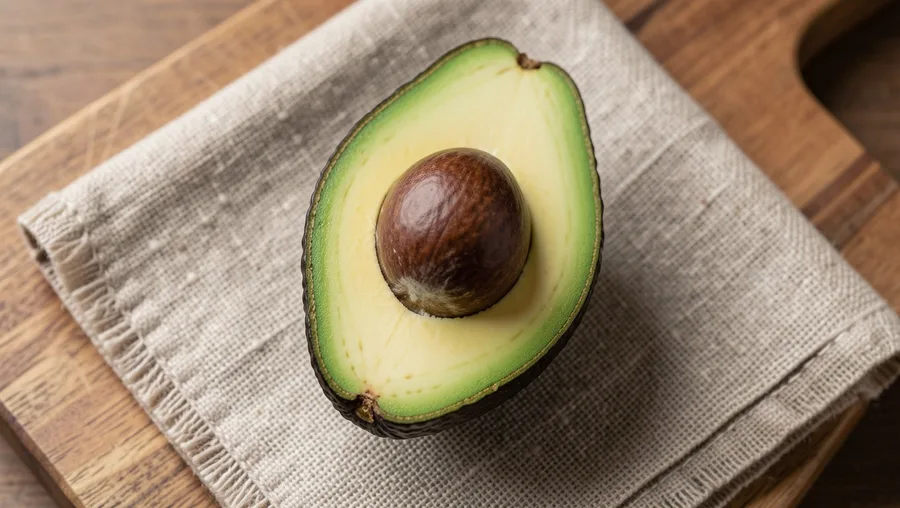
You might avoid fats when feeling full, but cutting out healthy lipids entirely is a classic mistake that actually worsens your regularity.
Ripe Hass avocados deliver a powerful combination of monounsaturated fats and soluble plant fiber that lubricates the intestinal tract gently. This dual mechanism ensures that stool moves steadily through the colon, preventing the backup that causes severe evening bloating.
As we age, our colon walls lose some of their natural elasticity, making mechanical movement more reliant on dietary lubricants.
A half-avocado provides approximately five grams of dietary fiber without overloading your stomach with bulk. Mash it onto a slice of toasted sourdough bread, or drop a few chunks directly into your lunch salad to maintain consistent digestive momentum.
⚠️ COMMON MISTAKE
Avoid Excess Raw Crucial Veggies
Many adults over 50 load up on massive raw kale and broccoli salads to improve their nutrition. These raw brassicas contain a complex sugar called raffinose that our bodies struggle to break down, resulting in massive lower-intestinal gas production.
4. Fermented Unpasteurized Sauerkraut
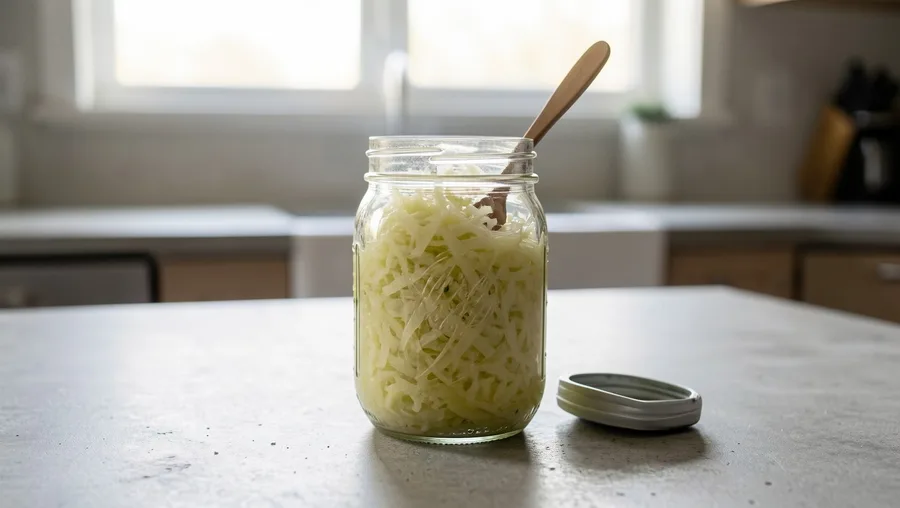
Every practitioner who works with older adults on digestion eventually focuses heavily on the distinct benefits of fermented vegetables.
Unpasteurized sauerkraut is an incredibly potent source of organic acids and active digestive enzymes that help break down your main meals. Unlike shelf-stable varieties, raw sauerkraut from the refrigerated section contains live microbes that actively assist in reducing systemic inflammation.
The practical mechanism relies on the lactic acid bacteria created during the natural fermentation process, which lowers the pH of your stomach. This slightly acidic environment assists your body in digesting heavy proteins and fats before they reach the colon to cause trouble.
Add exactly two tablespoons of Bubbies raw sauerkraut to the side of your lunch plate daily; a larger dose can trigger temporary fluid retention from the natural sodium content.
5. Warm Bone Broth Bowls
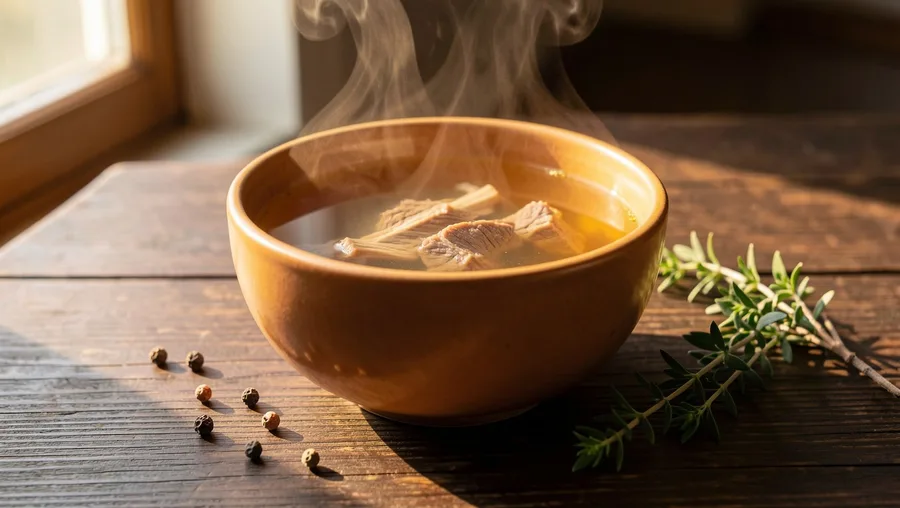
Your evening meal ends, and instead of feeling satisfied, your abdomen feels tight, solid, and tender to the touch. This specific post-dinner swelling often stems from a compromised gut lining that allows partially digested food particles to trigger local immune responses.
Sipping warm bone broth provides your digestive tract with a dense concentration of gelatin, proline, and glycine.
These specific amino acids act as structural building blocks that help repair and maintain the delicate mucosal lining of your intestines.
I started drinking eight ounces of warm grass-fed beef bone broth before dinner at age 49, and it dramatically minimized my evening distress within three weeks.
Heat it on the stovetop in a small saucepan, adding a pinch of unrefined sea salt and a crack of fresh black pepper for flavor.
6. Steamed Atlantic Salmon Fillets
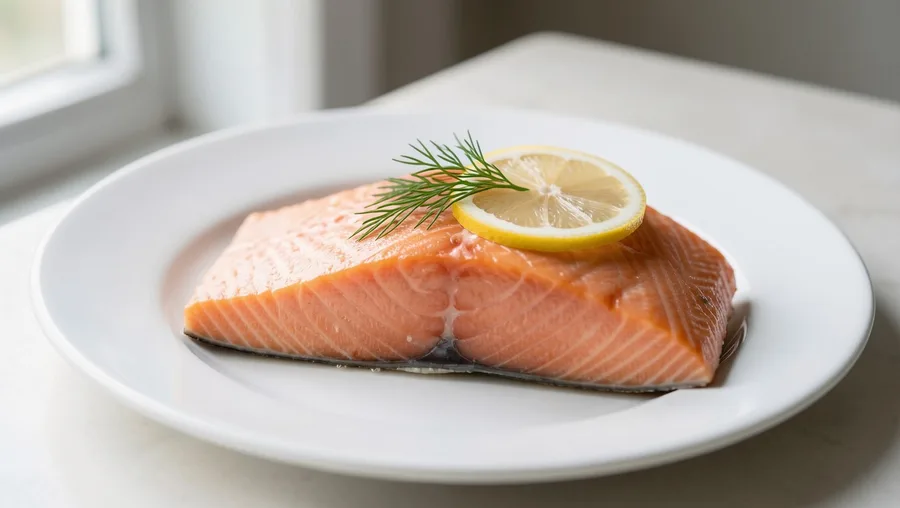
Research on adults over 50 keeps landing in the same place: systemic inflammation directly impairs natural intestinal motility. When your digestive tract is inflamed, the coordinated muscle contractions that move waste along become sluggish and erratic, leading directly to gas accumulation.
Steamed Atlantic salmon offers an exceptional source of marine-based omega-3 fatty acids, specifically EPA and DHA.
These long-chain fats downregulate the production of inflammatory signaling molecules within your gut tissue, restoring a peaceful internal environment.
Cook a six-ounce wild-caught fillet using a simple bamboo steamer basket over boiling water for approximately eight minutes.
Avoid heavy frying or rich commercial marinades, which can irritate a delicate stomach and cancel out the soothing, anti-inflammatory benefits of the fish.
7. Organic Peppermint Leaf Tea
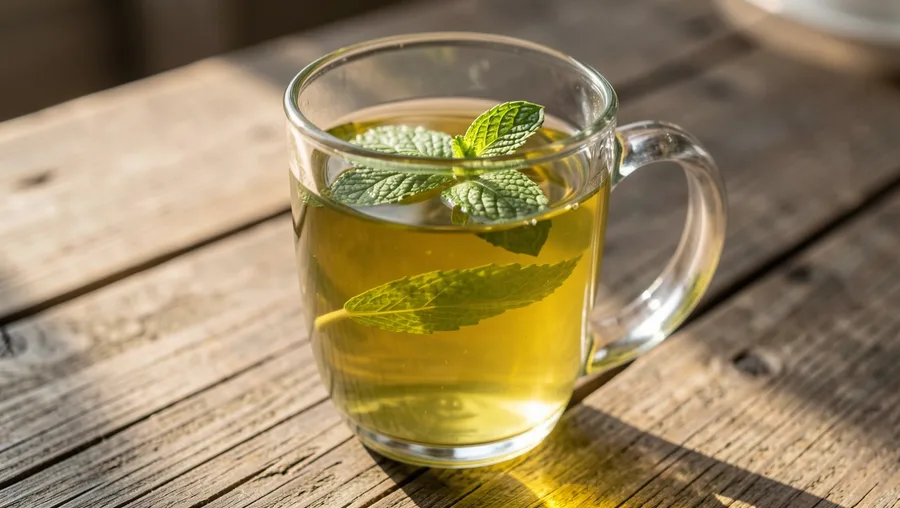
You feel a sudden, sharp cramp in your left side after a modest meal, signaling that trapped gas is stuck at a bend in your colon.
Instead of reaching for over-the-counter antacids that neutralize necessary stomach acid, brew a strong cup of organic peppermint leaf tea. Peppermint contains high levels of menthol, an essential oil that exerts a potent antispasmodic effect on the digestive tract.
Clinical observations show that menthol blocks calcium channels within the smooth muscle cells of the gut, immediately relieving the painful cramping that traps gas.
Use two unbleached tea bags of a high-quality brand like Traditional Medicinals in ten ounces of boiling water. Cover the mug with a small saucer while steeping for twelve minutes to prevent the therapeutic essential oils from escaping with the steam.
The Trapped Gas Transformation
8. Fresh English Cucumbers
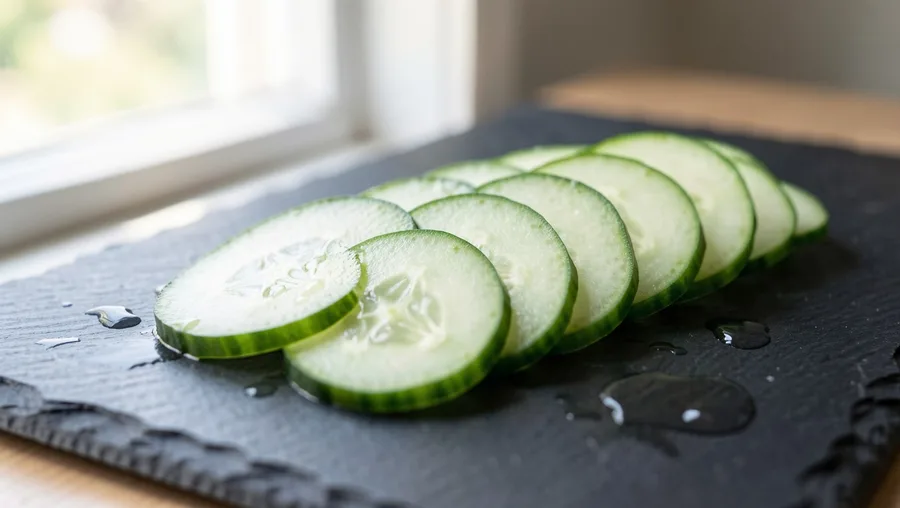
A common misconception states that all water retention occurs in your ankles or fingers when, in reality, your gut can hold onto excess fluid when sodium levels are unbalanced.
English cucumbers are highly effective at combating this internal swelling due to their exceptionally high water content and dense concentration of potassium. Potassium acts as a natural diuretic, helping flush excess sodium out of your intestinal tissues.
Furthermore, the skin of English cucumbers contains a mild, non-irritating insoluble fiber that sweeps waste through the lower digestive tract without causing irritation.
Slice a half-cup of unpeeled cucumber into thin rounds, toss them with a splash of apple cider vinegar, and consume them before your heaviest meal of the day.
The vinegar content also helps stimulate your natural stomach enzymes.
9. Stewed Blueberries With Cinnamon
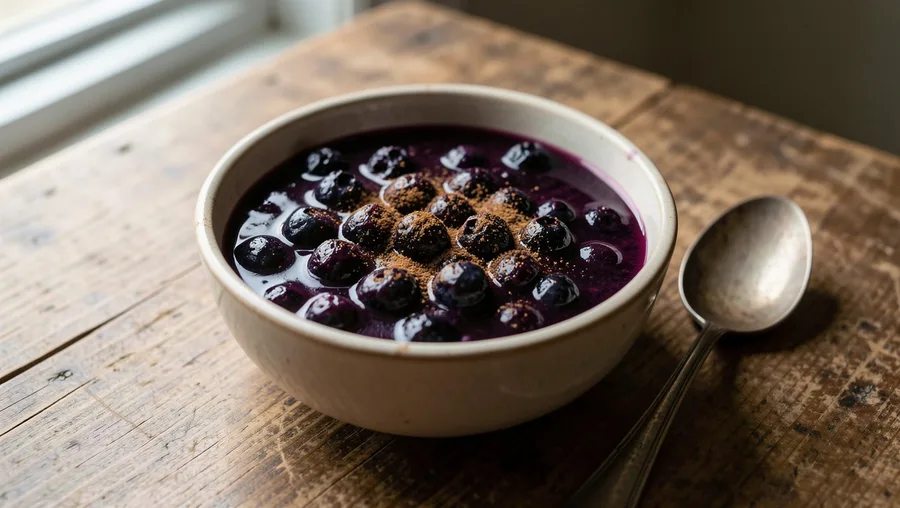
Raw fruit can be a gamble when your digestion is sensitive, as the tough skin and complex fructose often prove difficult for a 60-year-old stomach to process quickly.
Stewing your fruit alters the physical structure, breaking down the stiff plant cell walls before the food ever hits your mouth. Blueberries are naturally rich in polyphenols, organic compounds that selectively feed your good microbes while discouraging gas-producing strains.
Simmer a half-cup of organic wild blueberries in a small saucepan with two tablespoons of filtered water and a pinch of ground cinnamon for five minutes.
The berries will burst and form a warm, easily digestible compote that places zero mechanical strain on your stomach. Spoon this over your morning porridge or eat it warm right out of the bowl as a soothing digestive primer.
💡 PRO TIP
Cook Your Fruit for Comfort
If raw fruits consistently leave you feeling tight and full, always apply gentle heat on the stovetop first. This simple step mimics the first stage of digestion, breaking down stubborn fibers so your upper GI tract doesn't have to work overtime.
10. Raw Apple Cider Vinegar

You sit down to a modest lunch, but after just three bites, you feel an uncomfortable fullness developing at the top of your ribcage.
This premature fullness often points directly to insufficient stomach acid, a standard consequence of natural aging that delays the initial breakdown of your food.
Raw, unfiltered apple cider vinegar contains acetic acid, which temporarily lowers your stomach pH to assist your natural digestion.
By providing an acidic boost, it ensures that proteins are thoroughly denatured before they pass into your small intestine, minimizing subsequent gas production.
Stir one tablespoon of raw apple cider vinegar containing ‘the mother’ into four ounces of lukewarm water. Drink this simple mixture through a stainless steel straw exactly ten minutes before your largest meal to protect your tooth enamel while priming your stomach.
11. Cooked Whole Fennel Seeds
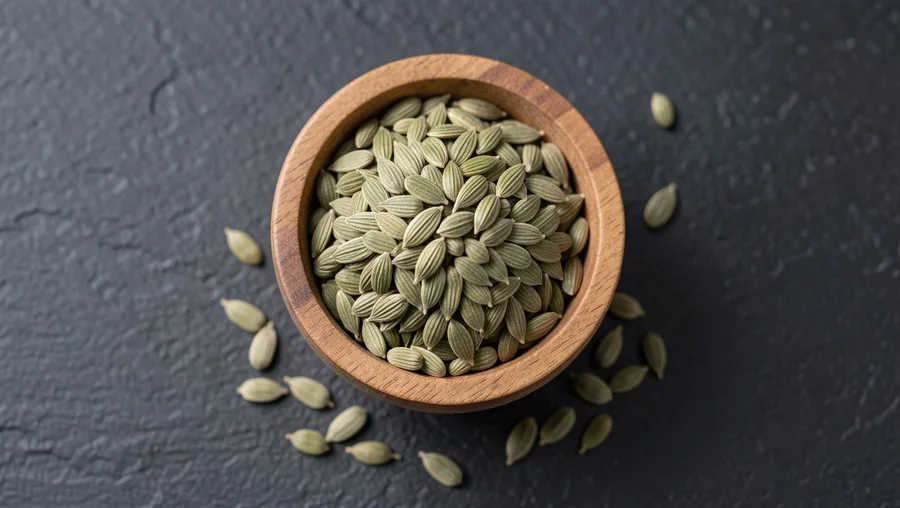
Walk into any traditional apothecary and ask about abdominal distension, and you will hear a consistent recommendation regarding the power of fennel.
Whole fennel seeds contain anethole, a volatile essential oil that acts as a gentle, natural muscle relaxant for an overworked digestive tract. This compound targets the intestinal lining directly, allowing pockets of trapped air to move through without causing painful spasms.
Incorporating these tiny seeds into your warm savory dishes is an excellent preventive strategy against post-meal expansion.
Toast a teaspoon of whole fennel seeds in a dry skillet for sixty seconds until fragrant, then crush them slightly and stir them into your soups, stews, or roasted root vegetables. This practice provides a subtle licorice flavor while delivering immediate, functional support to your lower intestine.
Top Gas-Relieving Elements Ranked
12. Steamed Zucchini Ribbons
Many popular high-fiber health foods are far too abrasive for an aging digestive system, acting like sandpaper on a sensitive intestinal lining.
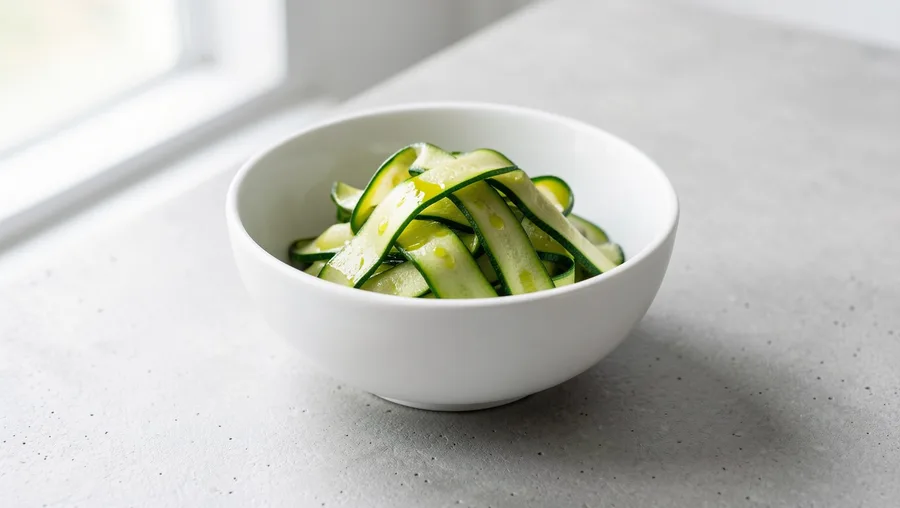
Steamed zucchini provides an exceptionally gentle form of soluble fiber known as pectin, which absorbs water in your tract to form a soothing, gel-like substance. This process helps soften stool and supports regular bowel movements without generating aggressive gas.
Because zucchini is incredibly low in fermentable carbohydrates (FODMAPs), it cannot be easily broken down by opportunistic gas-producing bacteria in your lower gut.
Use a vegetable peeler to slice a medium zucchini into thin ribbon shapes, then steam them for a brief three minutes until translucent. Dress them simply with a drizzle of extra virgin olive oil and a small pinch of sea salt.
13. Traditional Fermented Miso Paste
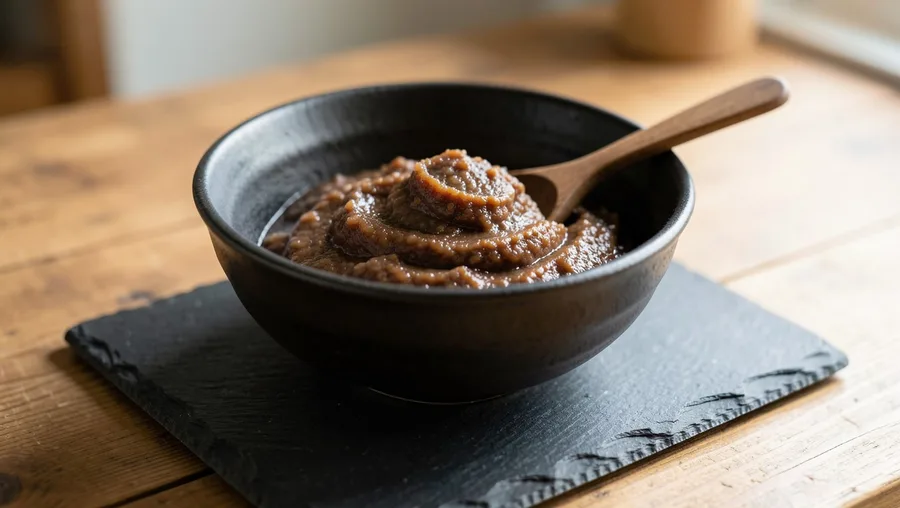
You might assume all savory condiments irritate a sensitive stomach, but authentic fermented miso paste is actually an incredible digestive aid.
Created through a traditional fermentation process using soybeans and koji rice, miso is packed with active enzymes and a hardy strain of bacteria called Bacillus coagulans. These specific microbes survive the harsh journey through your stomach acid far better than many fragile yogurt cultures.
Once they reach your lower intestine, these beneficial bacteria actively suppress the overgrowth of microbes that thrive on refined sugars and cause bloating.
Whisk one teaspoon of organic, unpasteurized yellow miso paste into eight ounces of warm water—never boiling, as extreme heat kills the beneficial live cultures. Drink this savory broth as a satisfying mid-afternoon tonic to curb cravings and stabilize your midsection.
Miso Paste Works Best For
14. Fresh Papaya Fruit Slices
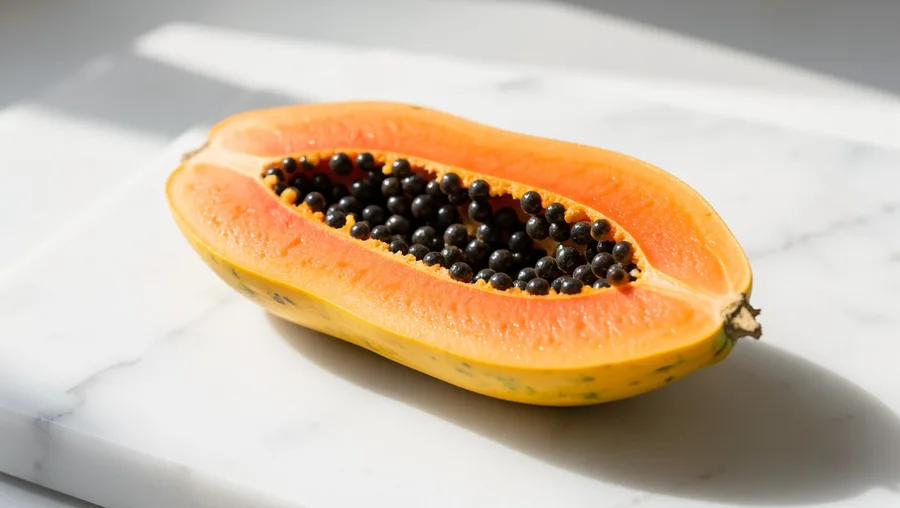
Nobody tells you that your body’s natural production of proteolytic enzymes drops significantly once you pass the age of 45. This decline means heavy protein meals, like a chicken breast or a pork chop, can sit heavily in your stomach for hours, creating upper-abdominal distension.
Fresh papaya contains an incredibly unique, naturally occurring digestive enzyme called papain.
Papain mimics your body’s pepsin, breaking down stubborn protein bonds into easily absorbable amino acids before they can enter the colon and ferment. Enjoy a half-cup slice of fresh, ripe papaya immediately following your main lunch or dinner. Ensure the fruit is fully ripe with yellow-orange skin, as green, unripe papaya contains a different latex compound that can occasionally irritate a sensitive stomach.
15. Pure Cold-Pressed Celery Juice
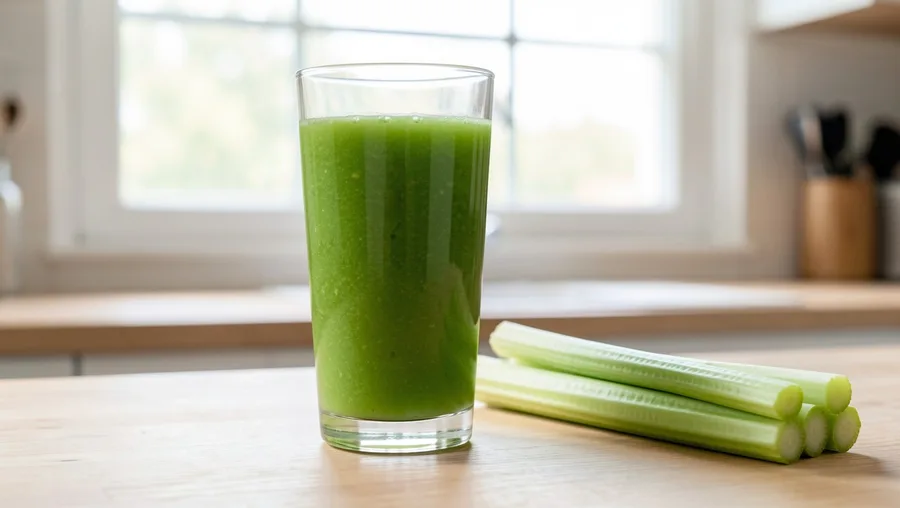
Sipping a large glass of icy, sugary green juice in the morning can easily shock your digestive system and cause immediate lower-belly cramping. Pure, room-temperature celery juice, however, operates on an entirely different physiological mechanism by providing a dense concentration of natural cluster salts. These specific mineral compounds assist your liver and stomach in rebuilding their natural hydrochloric acid reserves over time.
When your stomach acid levels are adequate, the entire digestive cascade runs more efficiently, preventing the half-digested food blockages that result in chronic bloating. Run one entire bunch of organic celery through a juicer, straining out the thick pulp to create roughly eight ounces of clean liquid. Drink this on an empty stomach first thing in the morning, waiting twenty minutes before consuming breakfast.
Fermentation Trajectory Matrix
How different foods rate on the lower-intestinal gas spectrum
- Steamed Zucchini: Minimal fermentation risk; exceptionally safe for sensitive, aging colons.
- Raw Papaya: Moderate risk if fruit is underripe; highly beneficial when fully matured.
- Raw Broccoli: Severe risk of lower-intestinal gas production due to complex raffinose sugars.
16. Soaked Organic Chia Seeds
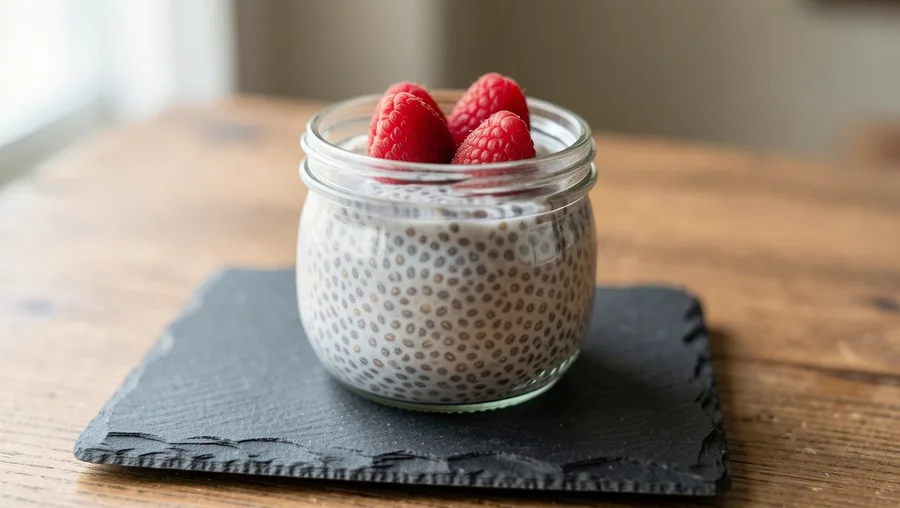
Adding dry, un-soaked fiber supplements to your diet when you are already feeling full is a recipe for severe abdominal pain and stubborn constipation. Chia seeds possess a powerful hydrophilic nature, meaning they can absorb up to twelve times their weight in liquid when properly prepared. When soaked, they form a smooth mucilaginous coating that acts as a gentle, soothing balm for an irritated digestive lining.
This gel-like substance moves slowly through your digestive tract, collecting old cellular debris and supporting easy elimination without creating any gas pressure. Combine two tablespoons of organic chia seeds with six ounces of unsweetened almond milk in a small jar. Stir the mixture thoroughly and leave it in the refrigerator overnight so the seeds fully expand into a pudding-like consistency before eating.
17. Warm Unfiltered Lemon Water

You reach the end of the day and want a simple, evening habit that sets your digestion up for success the following morning. A mug of warm, unfiltered lemon water provides a gentle, cleansing stimulus to your biliary system, encouraging your liver to produce fresh bile. Bile is absolutely essential for emulsifying dietary fats and preventing them from lingering in your small intestine to cause bloating.
The warm temperature of the water also helps relax the abdominal muscles, providing a soothing, comforting sensation before you climb into bed. Squeeze the juice of one half of a fresh organic lemon into eight ounces of purified, lukewarm water. Avoid using boiling water, which can degrade the beneficial vitamin C content and reduce the overall digestive efficacy of the citrus.
Mid-Life Digestion Realities
⏳ Your 30-Day Gut Transformation
Days 1–7: Fluid Balance
Potassium from cucumbers and lemon water flushes out excess stubborn abdominal fluid retention.
Days 8–14: Enzymatic Support
Introducing ginger, apple cider vinegar, and papaya accelerates stomach emptying to stop early fermentation.
Days 15–30: Microbial Shift
Daily servings of miso and unpasteurized sauerkraut successfully optimize your lower-intestinal microbiome population.
Smarter Daily Swaps for Digestive Comfort
Choose This
- Steamed zucchini ribbons
- Stewed warm blueberries
- Warm ginger infusions
- Plain grass-fed Greek yogurt
Skip That
- Raw broccoli or kale salads
- Raw, unpeeled green apples
- Iced commercial green juices
- Fat-free artificially sweetened yogurt
Final Thoughts
If you choose to implement just one single modification from this collection today, make it the fresh ginger root infusion every morning. This simple, inexpensive practice targets the physical mechanism of gastric emptying immediately, ensuring that your breakfast moves along efficiently rather than sitting and expanding your midsection before noon. Commit to a handful of these specific food adjustments for the next thirty days, and you will notice your clothes fitting consistently from morning until night, freeing you from the constant discomfort of a tight, unpredictable waistband.
Track Your Digestive Habits Easily
Grab a simple notebook today and note down which daily gut health foods bring your midsection the fastest relief.

Meet Edward Green, the founder of GolfingGoal and a seasoned expert in golf. With years of experience on the course and a passion for the sport, Edward has a wealth of knowledge to share. As our Lead Writer, he contributes articles, tutorials, and resources to help readers to improve their skills and reach their full potential on the golf course. Join Our Team!