
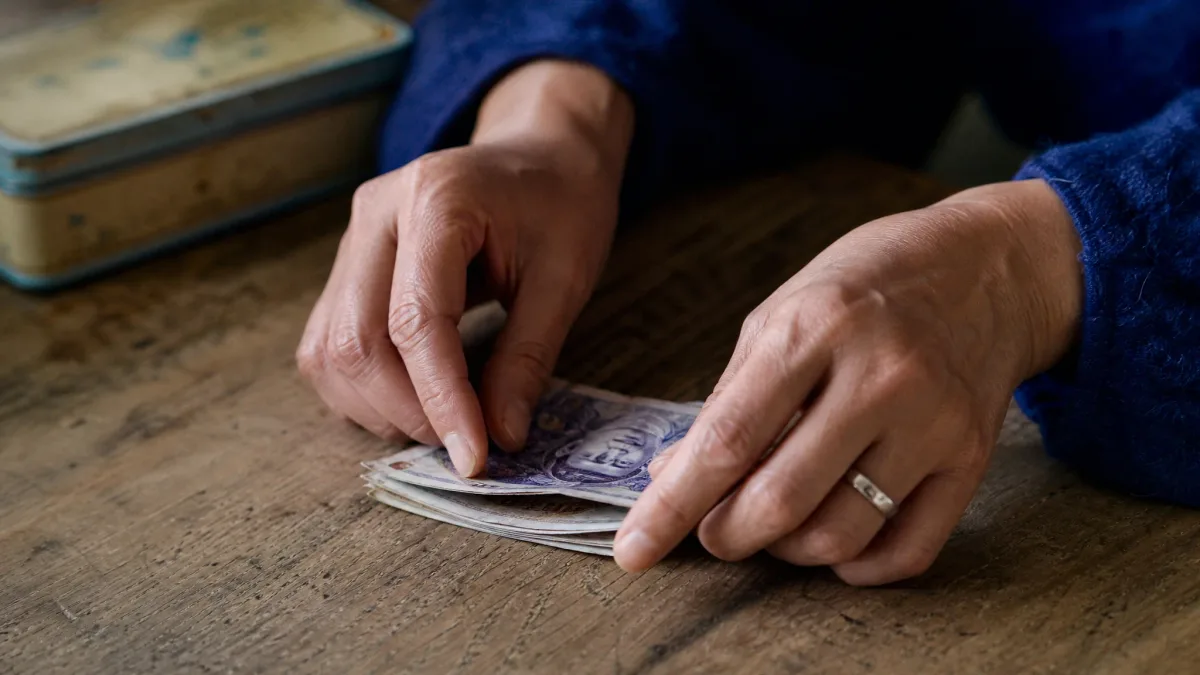
Treating an aging parent's extreme frugality as irrational stubbornness costs families months of bitter arguments while putting an older body in real physical danger.
Adult children regularly discover cash taped beneath drawer bottoms, thermostats pinned at freezing temperatures despite healthy savings, and fierce resistance to basic gifts. When someone grows up in severe poverty, spending money registers as an immediate existential risk rather than a practical trade.
Decades of financial security do not dissolve that survival reflex. Supporting their wellbeing means addressing the emotional need for safety instead of arguing over account balances.
Quick Tips Before You Start
Preserve Dignity
Never mock or discard saved items without permission; scarcity habits represent emotional survival armor.
Frame by Function
Position home repairs and purchases as safety necessities rather than luxury treats or pampering.
Avoid Financial Debates
Focus on daily physical comfort instead of trying to convince them their savings account is full.
Accept Reciprocity
Allow aging parents to contribute in non-monetary ways so accepting help does not feel like charity.
1. Hiding Physical Cash in Household Spots Feels Safer Than Banks

You pull an old metal tin from the pantry shelf and find twelve crisp bills tucked under dried bay leaves.
The obvious fix is depositing it all, but that misreads the survival reflex. For someone whose early years included bank panics or institutional exclusion, digital numbers feel theoretical. An adult holding $50,000 in checking may still stash $4,000 between book pages because paper currency offers tactile confirmation of safety.
Because unrecorded cash risks accidental disposal, visitors stealing, or house fires, quietly transition critical sums into a fireproof safe without confiscating the smaller, comforting envelopes they touch every day.
💡 Tip: Quietly catalog hidden cash locations into a secure notebook so savings are not lost if memory declines.
⚠️ COMMON MISTAKE
Do Not Confiscate Pocket Cash
Emptying hiding spots without warning triggers intense panic. Move large sums to a fireproof lockbox together, but leave a modest cash reserve in their daily wallet to maintain emotional comfort.
2. Treating Personal Comfort as Wasteful Stems From Early Survival

It is easy to misread a freezing house as mere stubbornness, assuming that gifting a warmer coat or replacing worn-out slippers will be welcomed as a simple act of care.
That mistake overlooks how early scarcity binds physical deprivation to personal virtue. When surviving required cutting every non-essential expense, self-denial became proof of moral character. A senior will sit in a 60-degree living room wearing shoes with worn-down soles, tolerating joint aches just to avoid an $18 increase on the heating bill.
Modern solvency does not quiet the physiological alarm of spending.
Buying new clothes or running the furnace triggers visceral guilt and an elevated heart rate. Presenting upgrades as treats or pampering instantly triggers their defenses. The workable alternative is framing interventions as functional necessities: orthopedic shoes prescribed to prevent a fall, or a minimum thermostat setting to keep water pipes from freezing inside the walls.
Reframing Upgrades to Avoid Guilt
3. Refusing Outside Financial Help Protects Hard-Won Autonomy

Many aging parents react with immediate hostility the moment an adult child offers to cover an expense or hire household help.
In decades shaped by economic hardship, accepting municipal relief or family charity carried severe social stigma, branding the recipient as incompetent. Fierce self-reliance became protective armor. An offer to pay a heating bill or hire a cleaning service does not feel like generosity; it feels like forced regression into childhood dependency.
A quick self-test exposes why these offers collapse.
Ask yourself: does your offer sound like collaboration between equals, or does it sound like a rescue? Any phrasing that hints at pity or declining capability will provoke defensive anger. Reframe the help as repayment for past support, access to an earned community entitlement, or a logistical convenience that solves a problem for you.
Protecting their dignity requires removing the appearance of charity, allowing them to accept practical support without feeling their autonomy has been compromised.
💡 Tip: Never use pitying language like 'let me take care of you' when offering household support.
Communicating Support Across Generational Lines
What Triggers Defensiveness
- Calling their habits irrational or outdated
- Surprising them with high-end luxury appliances
- Throwing away saved packaging behind their back
- Offering cash gifts that feel like welfare handouts
What Builds Cooperation
- Framing upgrades around fall prevention and safety
- Asking for their practical advice before buying
- Focusing on durable, repairable household tools
- Creating mutual trades for household assistance
4. Washing and Saving Disposable Containers for Future Needs

Quietly clearing out an aging parent's kitchen cabinets carries a sharp emotional cost. Sweeping away their collection of containers feels practical to you, but to them it registers as a direct attack on their hard-won security.
To someone raised in severe poverty, throwing away an empty margarine tub, a washed bread bag, or a piece of foil feels like reckless waste. During lean decades, manufactured packaging served as free food storage and repair supplies. Every drawer holds plastic takeout trays and rubber bands saved for an unspecified future task because replacement goods once cost money they simply lacked.
An overstuffed pantry drawer still functions as an emotional shield.
Purging these items without permission provokes immediate distress, but allowing towers of slippery plastic to pile up creates genuine kitchen tripping hazards and blocked walkways. The impulse to hoard containers cannot be argued away with logic about cheap modern replacements. Resolving the mess requires setting physical limits that protect their safety without dismissing their lifelong survival instinct.
When helping them sort through kitchen cupboards, use specific scripts that respect their practical impulse while setting a visible, agreed-upon physical limit on the volume.
Try saying: 'Let us keep the five sturdiest plastic tubs with matching lids and recycle the cracked ones so the cabinet stays tidy.' You can follow with: 'That keeps your best containers right at hand without overflowing.' That script establishes a reasonable ceiling, honors their need to avoid waste, and removes genuine household hazards.
The Psychology of Material Preservation — At a Glance
📦 Primary Driver
Fear of sudden shortages
🧠 Emotional State
Security through readiness
⚠️ Real Risk
Clutter and tripping hazards
🛠️ Best Strategy
Set firm volume limits
Core Insight
Preserved items represent stored labor and future preparedness, not mindless accumulation.
5. Postponing Healthcare Checks to Sidestep Out-of-Pocket Fees

Thirty days of avoiding a standard dental visit can turn a minor, painless cavity into an emergency extraction and an infection.
Growing up without health insurance taught a generation that medical appointments were catastrophic expenses to be avoided at all costs. That survival reflex leads seniors to treat checkups and prescription refills as optional luxuries, enduring physical pain in silence to save what they assume will be an unaffordable out-of-pocket fee.
Schedule their preventive care as routine seasonal maintenance, and confirm the exact copay beforehand so unexpected price tags never trigger their instinct to delay treatment until a crisis hits.
💡 Tip: Remind parents that preventative care preserves independence, which is their highest priority.
🌱 GROWING TIP
Book Preventative Care on a Fixed Schedule
Tie dental and vision appointments to seasonal milestones like spring cleaning or birthdays. When appointments are treated as fixed annual habits, the decision to spend money is removed from weekly scrutiny.
6. Wearing Worn Footwear Until the Structural Support Collapses
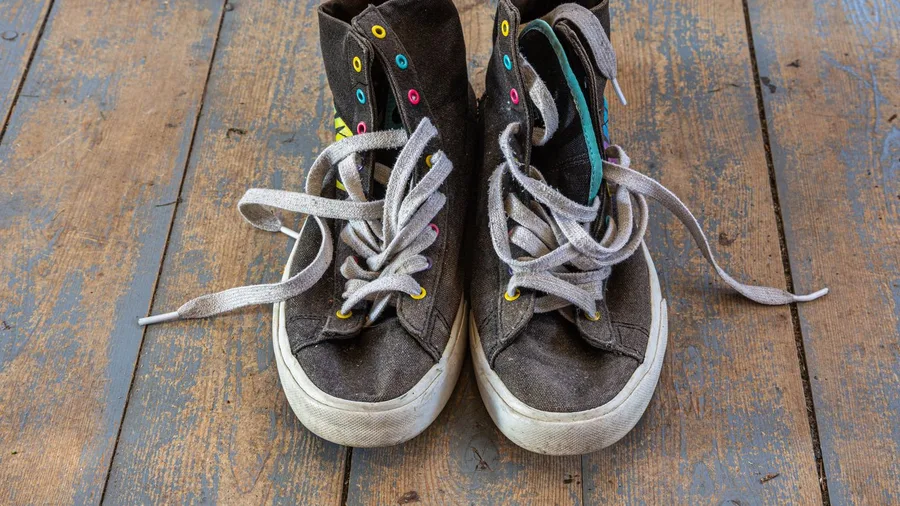
Why do aging parents with comfortable savings continue to walk around in broken-down sneakers with bald treads and crushed heel counters? The explanation lies in how early financial deprivation permanently recalibrates their physical perception of discomfort.
Researchers who study developmental psychology consistently find that growing up with severe economic hardship permanently alters a person's threshold for physical discomfort. Children raised wearing hand-me-down shoes with thin soles learn to treat aching arches as an unavoidable condition. If the exterior is not split open and the rubber has not detached, the shoe is judged completely functional.
Physical discomfort is simply not recognized as a reason to spend.
That lifelong stoicism turns hazardous when smooth soles transform damp driveways and polished hardwood floors into severe slip-and-fall zones. Collapsed internal cushioning eliminates lateral ankle support and strains joints. Telling a parent their footwear looks shabby triggers defensive pushback, because aesthetic appearance carried no value during the lean, formative years that shaped their spending habits.
When you step in to replace their worn footwear, never frame the new pair as a stylish upgrade, a thoughtful gift, or a luxury meant for their comfort.
Point directly to the heavy rubber tread, wide toe box, and firm heel counter, framing the item strictly as medical safety equipment. Try saying: 'The doctor wants you wearing slip-resistant soles to protect your hips on slick floors.' That functional framing sidesteps their guilt around spending on personal comfort while protecting their physical mobility.
Stages of Upgrading Daily Essentials
7. Stockpiling Pantry Staples Past Their Official Expiration Dates

It is easy to assume rows of expired canned goods in a pantry simply mean someone forgot what was back there.
In reality, an overflowing cupboard operates as physical insurance against early memories of genuine hunger. During formative years marked by lean kitchens, a shelf stacked with oats, dry beans, and canned soup signaled family survival, while bare wood meant distress. The stamped expiration dates on tins are often dismissed as corporate tricks invented to force another trip to the register.
Full shelves quiet internal alarms.
💡 Tip: Implement a simple first-in, first-out rotation system rather than aggressively tossing dated pantry goods.
8. Mending Broken Goods Instead of Buying Modern Replacements
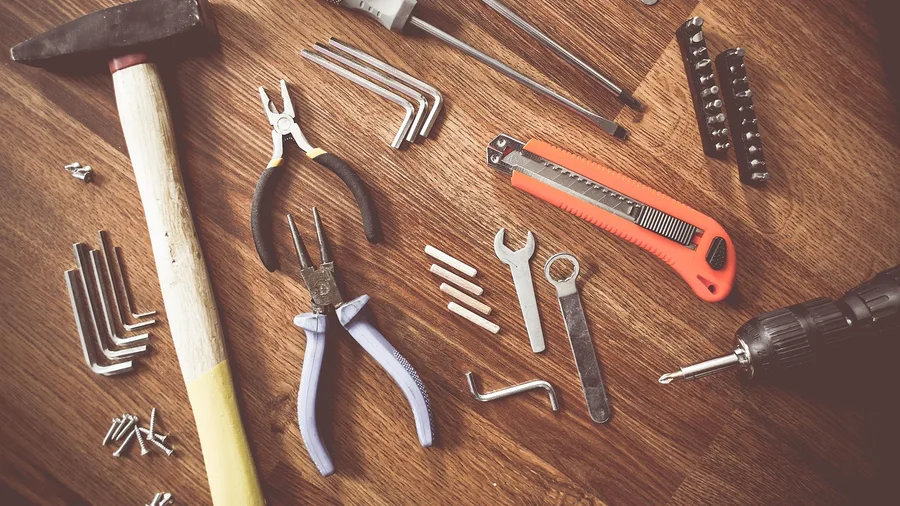
'We do not throw away a good toaster just because the lever sticks,' an eighty-year-old grandfather told his son while examining the appliance on the kitchen counter.
To someone trained in scarcity economics, discarding an appliance with a minor mechanical fault feels like a serious character defect. Spending four hours disassembling a ten-dollar electric kettle or patching a cracked vacuum nozzle with electrical tape is not eccentric stubbornness. That repair labor represents agency and self-reliance, proving they can outwit material degradation through resourcefulness.
Fixing broken household goods provides profound satisfaction by restoring an active sense of competence that buying a modern replacement cannot match.
9. Selecting Cheap Hardware Over Long-Lasting Durable Upgrades
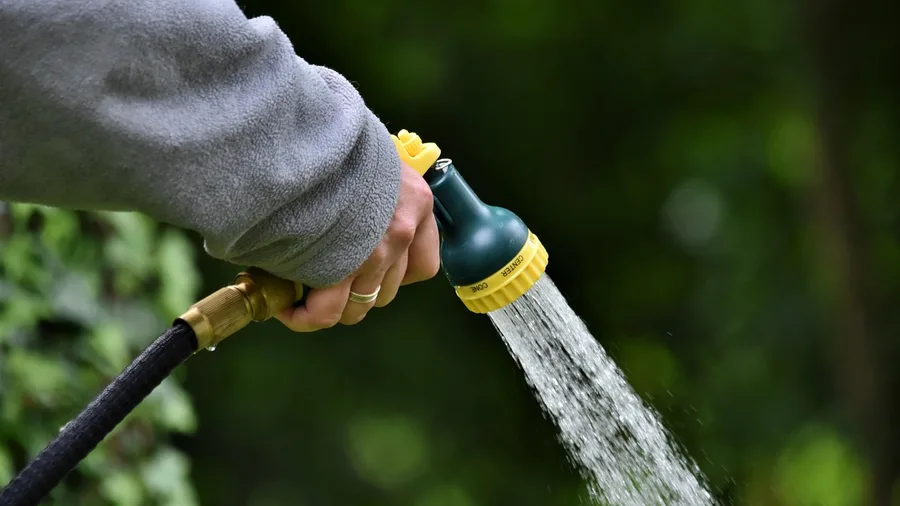
Three hardware store visits in a single summer to buy the cheapest plastic hose nozzle reveals an ingrained survival reflex rather than poor planning.
When forced to replace broken household gear, seniors from scarcity backgrounds default instantly to the lowest sticker price on the shelf. The habit of purchasing cheap items was necessary when household budgets had zero margin for quality investments, conditioning them to focus entirely on minimizing immediate cash outflow instead of evaluating cost over time.
The lowest price feels safest because parting with cash once carried genuine risk, even if buying flimsy tools means replacing them repeatedly.
When purchasing home repair supplies or replacement tools together, avoid debating lifetime value. Personally absorb the price difference at the register and emphasize heavy brass fittings or forged steel construction, focusing on solid utility rather than the receipt.
🪜 Upgrading Senior Living Spaces Without Friction
Audit Hazards Quietly
Inspect the home for eroded shoe treads, dim lighting, and damaged appliance cords during regular visits.
Frame by Property Protection
Explain that heating systems and plumbing fixtures require proper use to avoid costly home structural damage.
Introduce Durable Tools
Replace flimsy plastic items with heavy-duty metal alternatives that appeal to their respect for longevity.
Establish Storage Limits
Designate specific bins for saved containers so preservation never creates walking hazards in high-traffic rooms.
Frequently Asked Questions
Why do aging parents resist modern digital banking so strongly?
Physical cash provides direct sensory confirmation of security that digital account screens cannot match. For adults who grew up during economic collapses, trusting institutions feels far riskier than holding paper currency.
How can I get my parent to turn up the heat during cold months?
Frame indoor heating as home preservation rather than personal indulgence. Explain that keeping the house at sixty-eight degrees protects wall plumbing from freezing and prevents costly structural repair bills.
What should I do if an older relative refuses to replace worn shoes?
Avoid framing new shoes as a gift or fashion purchase. Emphasize medical necessity and slip prevention, explaining that orthopedic rubber soles protect their hips and knees from catastrophic fall injuries.
Is saving empty food containers an early sign of cognitive decline?
Saving clean containers is often a lifelong scarcity habit rather than memory loss. However, if the items become unsanitary or accumulate to the point of blocking walkways, a medical evaluation is warranted.
Preserving Hard-Won Dignity While Protecting Daily Safety
Showing a parent a healthy bank statement will never dismantle habits built to survive real scarcity. The hidden envelopes, the freezing hallway, and the refused offers of help are not financial errors; they are the protective armor that carried them through lean years.
Effective caregiving means securing their physical safety and daily mobility while leaving that identity intact. Frame every home adjustment around practical durability and hazard prevention, letting them keep the security they spent a lifetime building.
Check Your Loved One's Living Space This Week
Review your parent's home for slip hazards, heating settings, and worn footwear to ensure their daily safety.

Meet Edward Green, the founder of GolfingGoal and a seasoned expert in golf. With years of experience on the course and a passion for the sport, Edward has a wealth of knowledge to share. As our Lead Writer, he contributes articles, tutorials, and resources to help readers to improve their skills and reach their full potential on the golf course. Join Our Team!