
You lock the front door, drop your keys in the ceramic bowl, and feel a sharp wave of relief wash over you. Nobody is in your space. Nobody is going to ask you to shift your plans.
That drop in your shoulders gets labeled as fierce independence. But sometimes it is just the quiet hum of a nervous system that learned early on that relying on others carries a steep tax.
What looks like freedom from the outside is often an elaborate system of armor built during times when you had to manage everything alone. Recognizing the difference changes how you let people in.
At a Glance
1. Always Paying Your Own Way Immediately
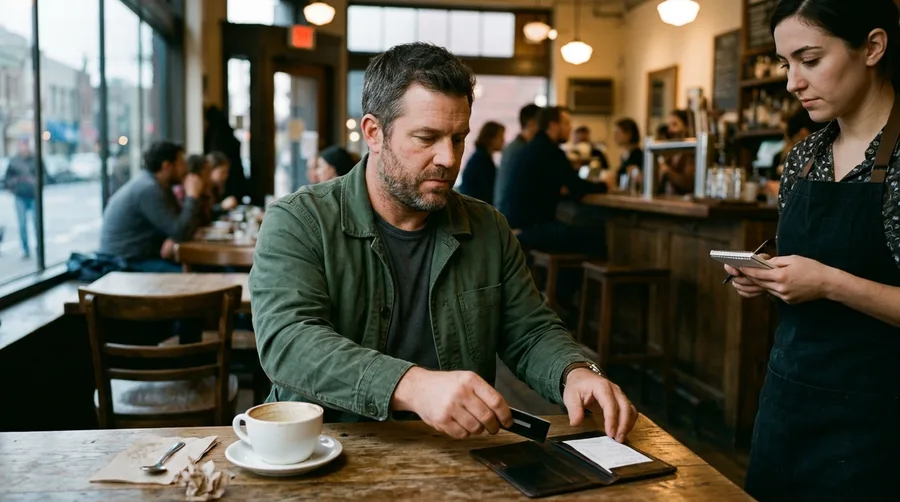
You pay instantly so you never have to owe a debt of gratitude.
You reach for the restaurant check before the server finishes setting it down on the table, believing this lightning-fast reflex is simply financial autonomy and fairness. But underneath, keeping the ledger at zero is actually a way to ensure nobody ever holds an invisible receipt over your head. When you clear every obligation before it can even settle, you block the messy give-and-take that makes relationships feel grounded.
Try putting your card away the next time someone treats you. Say thank you and let the balance sit uneven for a single afternoon.
💡 Tip: Let someone else buy the coffee today and force yourself to offer nothing in return.
⚠️ COMMON MISTAKE
Mistaking Ledger-Keeping for Fairness
Keeping score down to the penny prevents genuine vulnerability from entering your partnerships.
2. Needing Zero Notice Before Leaving
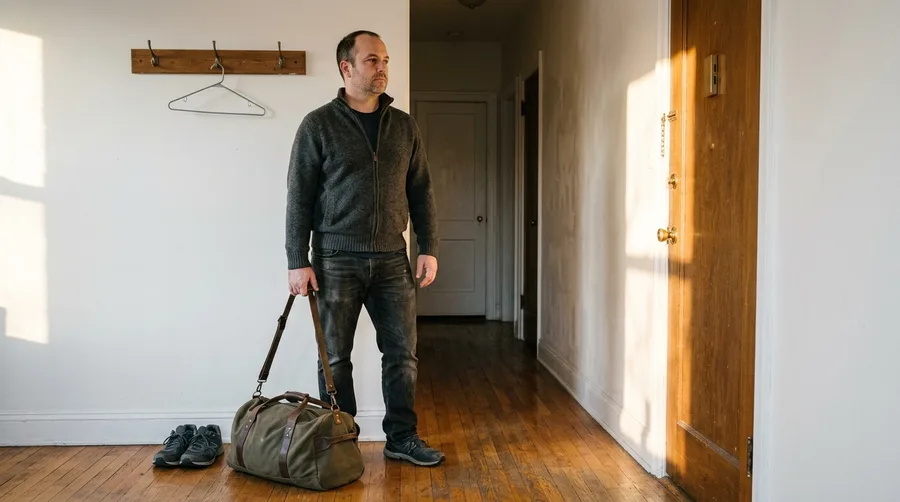
People often praise the ability to adapt to sudden changes as the ultimate sign of emotional maturity, but researchers who study human behavior note that hyper-vigilance often looks like extreme flexibility from a distance.
You keep your weekend entirely open, maintain a go-bag in the trunk, and pride yourself on being able to pack up and move apartments in a single afternoon without breaking a sweat.
When plans change or someone asks to anchor you to a specific timeline months in advance, your stomach drops, yet you smile and call it going with the flow. In reality, keeping your exit routes wide open ensures you never have to experience the trapped feeling of being pinned down by commitments you cannot easily escape.
3. Refusing Help With Routine Repairs
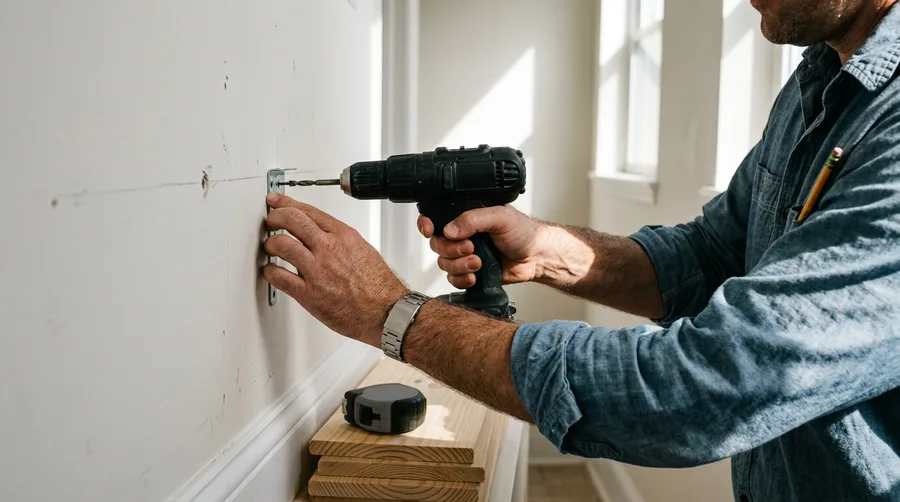
Three shelves sit in the hallway waiting to be mounted into drywall.
A friend offers to bring over a stud finder and a drill on Tuesday evening to knock it out together.
You immediately decline, spend forty minutes searching for your own tape measure, and end up drilling crooked holes that require plaster repair.
You tell yourself you wanted the satisfaction of doing it alone. But the deeper driver is a quiet refusal to let anyone witness you struggling, figuring things out, or making mistakes.
When you insist on being entirely self-contained, you turn your home into a fortress where vulnerability is banned. Asking for help with a drill bit feels risky because it opens the door to being seen as incapable.
Handing over the spirit level to someone else isn't losing your edge. It is letting someone share the physical weight of your living space.
💡 Tip: Ask a neighbor to hold the other end of a curtain rod instead of taping it to the wall.
Autonomy vs. Isolation — At a Glance
🛠️ Task Mode
Solo execution
🔋 Energy Cost
High daily drain
🚪 Exit Plan
Always active
🤝 Ask Rate
Near zero
Core Shift
True freedom includes the capacity to lean on others without losing your footing.
4. Keeping Separate Calendars Indefinitely

I used to think that keeping my calendar entirely unshared was the ultimate mark of an evolved, self-possessed adult.
You have been seeing someone for six months, yet your schedule remains a locked fortress.
They ask what your third week of next month looks like, and you default to saying your schedule is too volatile to pin down.
Admitting you want to keep weekends open for your own decompression feels like a healthy boundary that protects your personal bandwidth.
Yet when it becomes a permanent wall preventing shared future planning, it stops being autonomy and turns into an insurance policy against disappointment.
If you never put shared dates on the calendar, nobody can cancel on you and nobody can disrupt your carefully managed routine.
What this quietly buys you is total insulation from vulnerability, while quietly spending the very intimacy you claim you are trying to build.
The cost accumulates slowly over months until you realize you are merely coexisting alongside someone in separate orbits.
To shift this, put one single recurring Sunday dinner on the calendar two weeks out, and let yourself tolerate the minor risk of having a shared plan.
The Hidden Costs of Total Secrecy
5. Solving Every Crisis Without Telling Anyone

There are times when handling things yourself is the most practical path forward.
Your car breaks down on the interstate during a freezing rainstorm. You call the tow truck, arrange the rental car, reschedule your meetings, and manage the insurance claim entirely on your own. Two days later, you mention it casually over dinner like it was a minor commute annoyance. You admire your own calm competence.
There is a clear difference between genuine self-reliance and the compulsive reflex to erase every sign of distress. When you systematically hide your panic because you learned early that needing comfort only brought more chaos, survival takes the wheel. You became your own first responder out of necessity, not strength.
When a real crisis hits, notice whether you are choosing independence or fleeing from vulnerability. If you can pause, name what is hard, and let someone sit with you in the mess without rushing to fix it, that is the exception that proves you are living, not just surviving.
Common Solo Survival Moves
6. Mastering the Art of Sudden Disappearance

The party is loud, the room is warm, and instead of saying goodbyes that require hugs and explanations, you slip out the side door.
I didn't want to make a fuss, you tell yourself as you slide into the driver seat and breathe out a long sigh of release. It feels efficient and clean.
I am heading out now, thank you for hosting tonight. Say it, turn around, and walk through the door without looking back.
Disappearing acts protect you from awkward social friction, but they also signal to others that you can vanish whenever intimacy requires you to stay.
Your Seven-Day Experiment in Shared Space
7. Practicing Total Emotional Self-Sufficiency
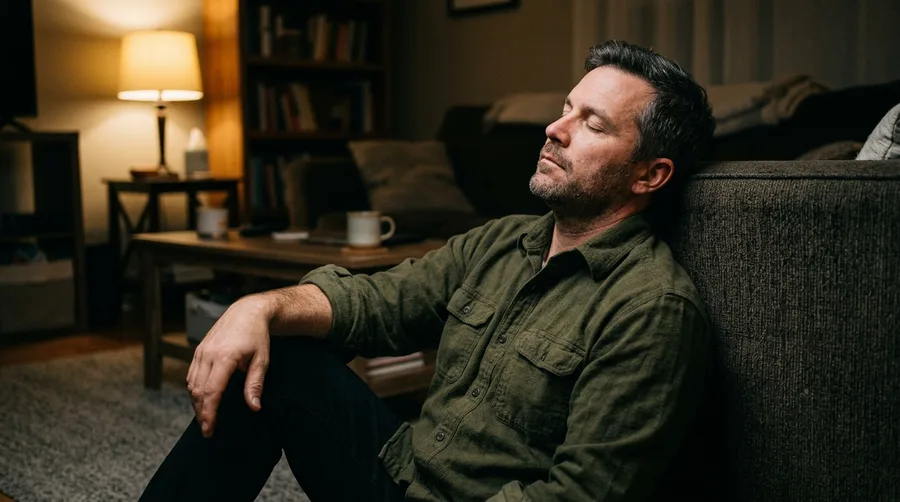
I am completely fine on my own.
Ask yourself this question today: When you feel hurt or anxious, how many hours pass before you share it with another person?
If the answer is that you process everything internally until the storm passes completely, consider what that quiet habit actually costs your nervous system over time.
You call it being low-maintenance and emotionally mature, taking pride in never bringing your bad moods to your partner's doorstep.
The people who study relational health keep finding that true partnership involves bringing unfinished emotions into the room and letting someone sit with you while you sort them out.
Next time the weight hits, skip the solo recovery and say two simple sentences out loud instead: I am having a rough afternoon, and I just need you to sit here with me while it passes.
Survival Independence
- Paying bills instantly to avoid feeling indebted
- Hiding struggles until they are completely resolved
- Keeping exit routes open in every commitment
- Processing all heavy emotions in total isolation
Genuine Autonomy
- Accepting gifts and support with a simple thank you
- Letting others witness you figuring things out
- Planting roots and committing to shared timelines
- Sharing messy emotions before the storm passes
8. Treating Every Relationship As Temporary

Why do you keep a mental foothold outside every door you enter, even when things are going well?
When you view all bonds as transient structures that could crumble at any moment, you never fully unpack your emotional bags.
You label this realism or emotional preparedness, telling yourself that expecting things to end means you will not get hurt when they do.
That is not independence, but rather a survival reflex designed to protect a younger version of you from the shock of sudden absence.
The shift happens when you stop calling it wisdom and start recognising it as a habit of bracing against a fall that may never come.
Next time you catch yourself planning your exit during a quiet Tuesday night on the couch, name the fear out loud to yourself instead of acting on it as fact.
Frequently Asked Questions
Is being fiercely independent always a trauma response?
Not always. Many people simply enjoy solitude and efficiency. However, when self-reliance feels rigid, compulsive, or leaves you feeling deeply lonely, it often stems from early survival adaptations.
How do I start asking for help without feeling like a burden?
Start small with low-stakes requests, like asking a friend to hold a tool or carry a bag. Notice that the people who care about you usually feel valued when you include them.
Why does accepting gifts or money make me feel so uncomfortable?
Many people learned early in life that receiving support came with strings attached or unexpected costs. Accepting gifts requires trusting that the other person expects nothing in return.
Can I be independent and still let someone take care of me?
True autonomy includes the capacity to care for yourself alongside the ability to receive care. Healthy relationships require a fluid give-and-take rather than strict isolation.
Where This Actually Starts
Change does not begin by forcing yourself to lean on people for everything all at once. That only triggers the exact alarm system you are trying to soothe.
It starts the next time you drop your keys in the bowl, notice the urge to manage every single detail alone, and choose to let one tiny moment of support in.
Build Healthier Boundaries Today
Join our weekly newsletter for quiet, concrete insights on relationships, self-reliance, and emotional clarity.

Meet Edward Green, the founder of GolfingGoal and a seasoned expert in golf. With years of experience on the course and a passion for the sport, Edward has a wealth of knowledge to share. As our Lead Writer, he contributes articles, tutorials, and resources to help readers to improve their skills and reach their full potential on the golf course. Join Our Team!