
You sit at the kitchen table with a crossword puzzle, staring at a clue that refuses to click.
Mental sharpness is not about memorizing trivia or drilling flashcards until your eyes ache. It is about how you engage with daily habits that challenge your focus, patience, and attention.
Quick Tips Before You Start
Start Small
Dedicate just fifteen minutes daily to your chosen hobby.
Embrace Mistakes
Clumsy early attempts build stronger neural connections.
Keep Records
Note your progress in a small notebook each week.
Stay Consistent
Regular practice beats sporadic weekend marathons.
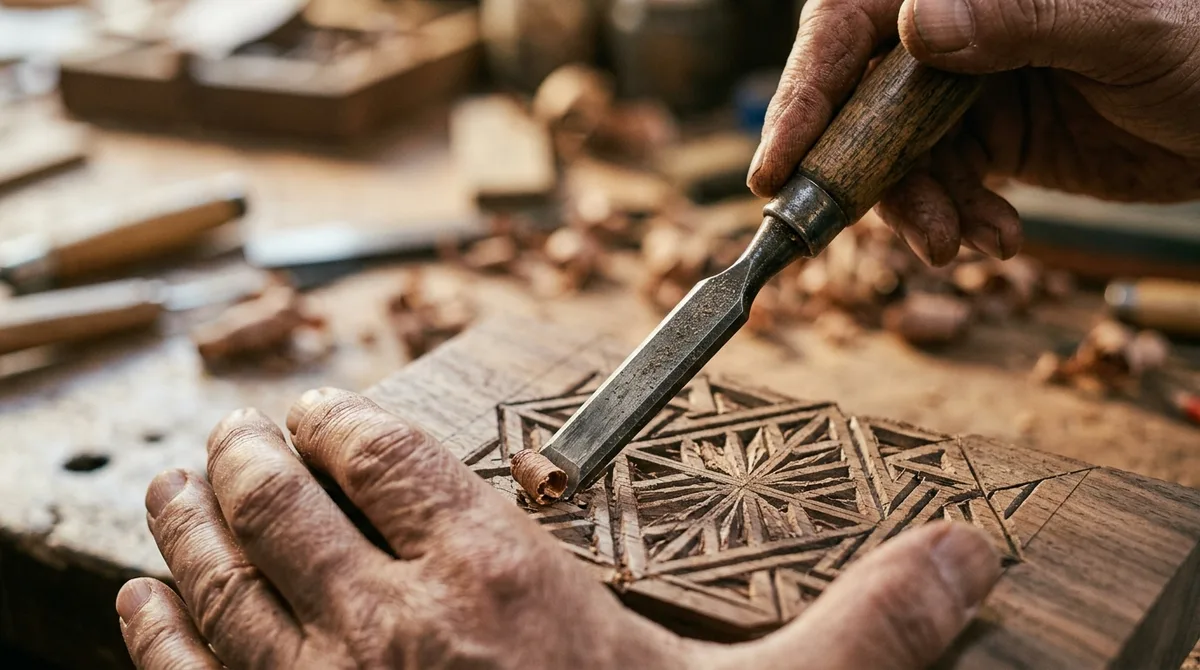
1. Mastering Complex Manual Crafts
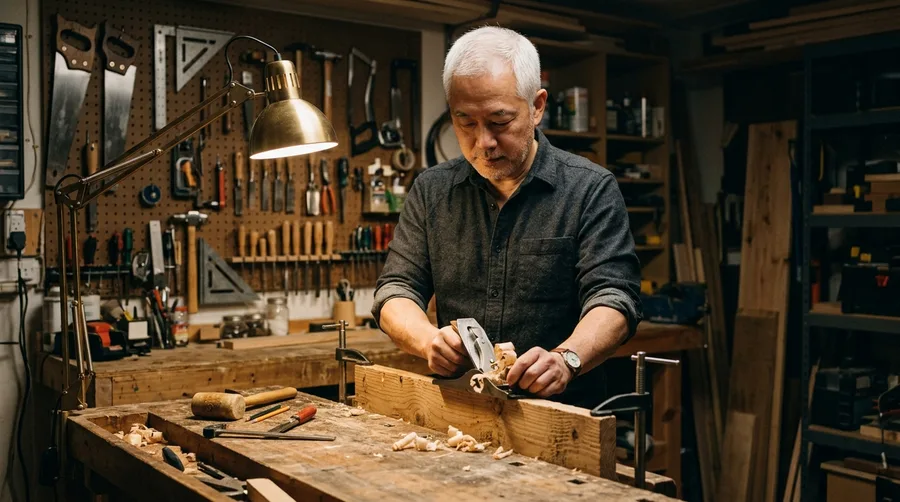
You pick up a piece of timber, measuring twice before setting the saw blade.
Woodworking forces your brain to translate two-dimensional blueprints into three-dimensional reality, demanding sustained spatial reasoning every time you make a cut.
When you make a miscalculation on a miter joint, you have to solve the discrepancy immediately, and that instant feedback loop is what builds cognitive resilience.
💡 PRO TIP
Focus on the Process
Do not worry about perfection on your first project; the learning happens in the correction.
2. Learning a Second Language

You open a notebook and write out five new vocabulary terms in Italian.
Most people assume that picking up a new tongue later in life is just an exercise in rote memorization, a test of how many nouns and verb conjugations you can cram into your memory before lunch.
That is the misread.
You treat it like a school exam where the goal is simply filling your head with foreign equivalents for things you already know in English.
What is actually happening under the hood is a total restructuring of how your mental machinery handles interference and selects among competing pathways.
When you listen to a native speaker or parse a foreign podcast, your brain works overtime to map unfamiliar sounds to meaning while actively inhibiting your native vocabulary from spilling over.
That constant switching between linguistic frameworks keeps your mental processing nimble in ways that staring at a crossword puzzle never quite manages.
Instead of measuring progress by how many flashcards you check off, pay attention to the moment your internal monologue stops translating words back into English and starts holding the concept directly in the target tongue.
⚠️ COMMON MISTAKE
Avoid Rote Memorization
Do not rely solely on flashcards without using the words in practical context.
3. Playing an Acoustic Instrument

You place your fingers on the frets of an acoustic guitar, pressing down until the note rings clear.
Learning an instrument requires coordinating auditory feedback, fine motor control, and rhythmic timing all at once.
Play the chord sequence slowly, then let it ring.
That simple act engages multiple brain regions simultaneously in a way few other activities can match.
4. Botanical Illustration and Sketching

People often assume that drawing plants is just about having a steady hand and a nice eye for nature. The reality is that botanical sketching is rarely about artistic talent and almost entirely about unlearning how your brain shortcuts what you see.
You set a single fern leaf on the desk and pick up a graphite pencil. Drawing botanical specimens forces you to look past your assumptions and observe reality as it is-noting vein structures, asymmetry, and subtle color shifts.
Can you train your eye to see what is actually there? If you catch yourself drawing the symmetrical leaf shape you expect rather than the jagged, tilted reality sitting right in front of your lamp, you are relying on memory instead of vision.
That disciplined observation sharpens visual processing and sustained attention. When you force your brain to slow down and map the actual physical contours of a stem, you build a mental muscle that notices micro-changes in every other part of your life.
5. Competitive Strategic Board Games
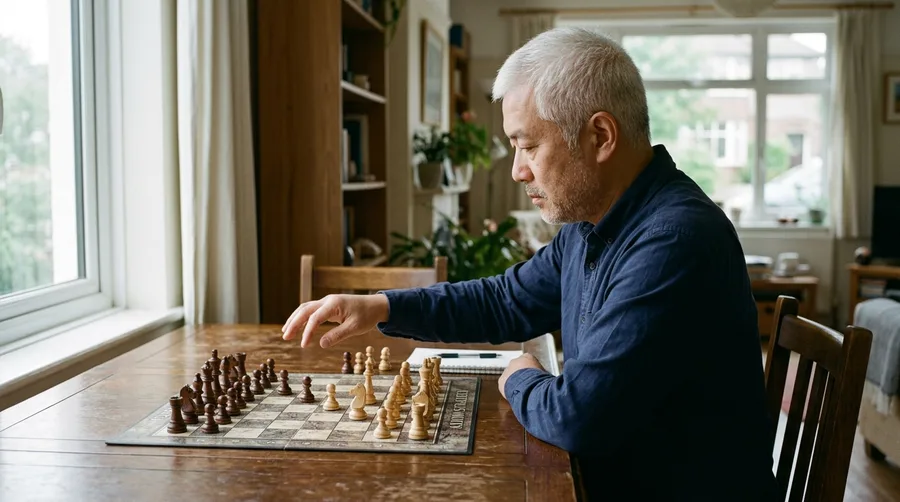
Rushing your turn on a complex board game quietly trains your brain to accept surface-level patterns instead of digging deeper.
You move your wooden game piece across the board, anticipating your opponent's next three moves.
Strategic gaming is not just about winning; it is about holding multiple variables in working memory while adapting your plan on the fly.
Take a breath before you commit your piece, because that pause separates reactive moves from deliberate strategy.
6. Advanced Culinary Fermentation
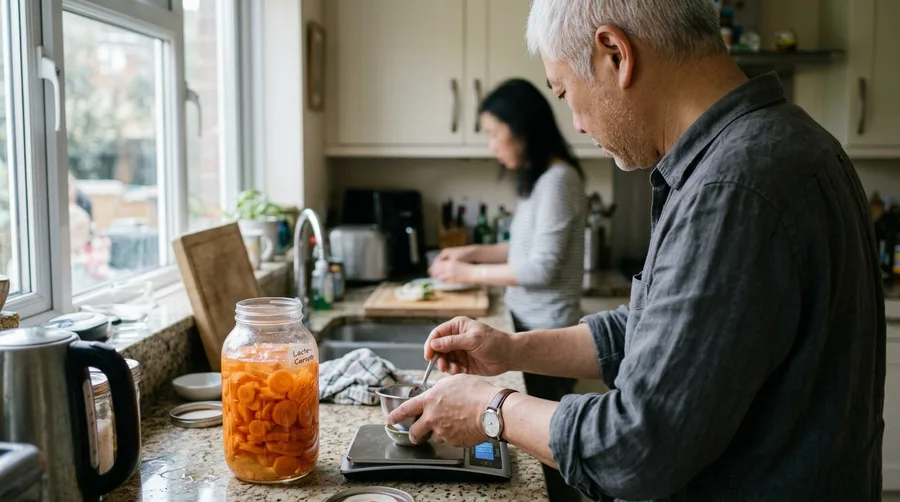
Why does watching a jar of cabbage transform over three weeks actually sharpen how you think? Researchers who study cognitive maintenance find that complex, multi-variable domestic hobbies demand a unique blend of systematic planning and sensory feedback.
You weigh out exact grams of salt for a batch of lacto-fermented carrots.
Fermentation brings together microbiology, precise measurement, and patient observation over weeks. Watch the brine bubble as the beneficial bacteria do their quiet work. Understanding these living systems expands your scientific literacy through hands-on practice.
Instead of sticking to passive reading, start your next batch with a digital scale and a precise percentage spreadsheet.
7. Long-Distance Trail Hiking and Navigation

Let us just take a casual stroll at the park instead of packing the heavy gear today.
That sentence is entirely fine when your feet need a break or the weather turns foul, but it crosses into avoidance the moment every single outdoor plan shrinks into a paved loop around the neighborhood pond. Walking on predictable pavement gives your brain a quiet day off, whereas navigating an unfamiliar trail requires constant spatial tracking and active decision-making at every split in the path.
The real test of the exception is simple. If you skip the tough terrain because you are genuinely resting, you keep your routine flexible, but if you skip it because you have quietly stopped trusting your ability to read the landscape, it is time to lace up the boots and head back to the trailhead.
8. Traditional Analog Bookbinding
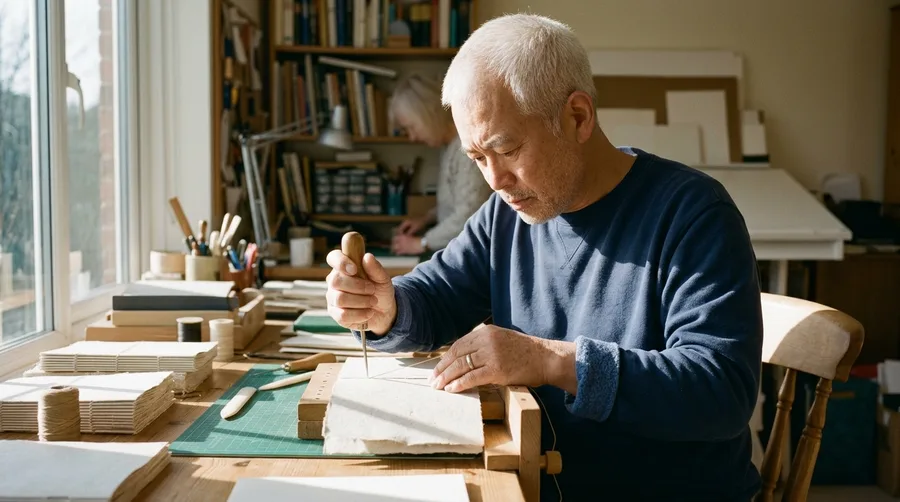
I used to think bookbinding was just a quaint craft for preserving old novels, but I completely missed what it actually does to a busy mind.
You pierce signatures of paper with an awl and pull waxed linen thread tight. Bookbinding combines precise measurement, rhythmic stitching, and structural design into a tactile creative discipline. Feel the tension in the thread as you secure the spine. This methodical work rewards patience and deep concentration.
What this quietly spends is the restless urge to constantly check screens and chase quick digital distractions. What it quietly buys over the coming months is a rare kind of sustained cognitive stamina, training your attention to stay anchored in a single physical task for hours at a time without fatigue.
To bring this into your week, buy a basic bone folder and a spool of waxed linen thread today, and spend one uninterrupted hour folding your first simple signatures.
Frequently Asked Questions
How much time should I dedicate to a new hobby each day?
Aim for fifteen to twenty minutes of focused practice daily. Consistency matters far more than long, sporadic weekend sessions.
Is it harder to learn new skills as we grow older?
While processing speed can change, older adults bring rich life experience and patience, which often makes deep comprehension much easier.
What if I choose a hobby and find I do not enjoy it?
Give yourself permission to pivot. The goal is active mental engagement, so finding an activity that genuinely sparks your curiosity is essential.
Do digital apps offer the same benefits as tactile hobbies?
Tactile hobbies engage fine motor control and spatial reasoning in ways screens rarely replicate, though both have their place.
Your Next Step
Pick one hobby from this list that genuinely sparks your curiosity today.
Dedicate fifteen minutes tomorrow to taking the first small step.

Meet Edward Green, the founder of GolfingGoal and a seasoned expert in golf. With years of experience on the course and a passion for the sport, Edward has a wealth of knowledge to share. As our Lead Writer, he contributes articles, tutorials, and resources to help readers to improve their skills and reach their full potential on the golf course. Join Our Team!