

You reach for a glass of wine to unwind after a long week, but instead of sleeping deeply, you find yourself wide awake staring at the ceiling at 3:14 AM.
That frustrating middle-of-the-night awakening is a common reality for adults over 50, even when the exact same evening routine used to guarantee eight hours of unbroken rest.
The 3 AM Awakening Paradox
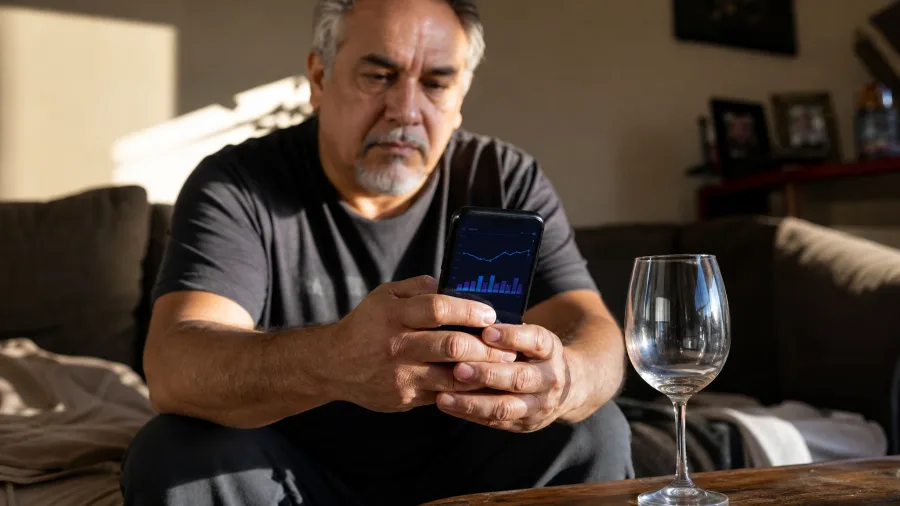
Alcohol sedates the brain initially, but as the liver metabolizes it, it acts as a central nervous system stimulant.
That delayed neurochemical rebound triggers sudden alertness precisely when your body should be cycling through its deepest, most restorative stages of physical repair.
Normal age-related changes in total sleep time make your nervous system far more sensitive to minor internal disruptors than it was decades ago.
Understanding this shift is the first step toward reclaiming your nights.
⚠️ COMMON MISTAKE
The Nightcap Misconception
Alcohol sedates the brain initially, but as the liver metabolizes it, it acts as a central nervous system stimulant.
Why the Aging Liver and Brain Play by New Rules

Your internal chemistry shifts steadily across decades, altering how every chemical compound moves through your tissues.
After 50, reductions in total body water volume and shifts in body fat composition lead to higher peak blood alcohol concentrations from the exact same volume consumed.
Hepatic enzyme efficiency slows down significantly, lengthening the hours that alcohol and its toxic byproducts circulate in your bloodstream.
Simultaneously, the blood-brain barrier becomes more permeable with age, increasing central nervous system sensitivity to these lingering chemical fluctuations.
Metabolic Shifts — At a Glance
💧 Body Water
Decreased volume after 50
⏱️ Clearance Rate
Slower hepatic breakdown
🧠 Brain Sensitivity
Higher barrier permeability
🍷 Peak BAC
Higher from equal volume
The Architecture of Disruption: REM Versus Deep Sleep
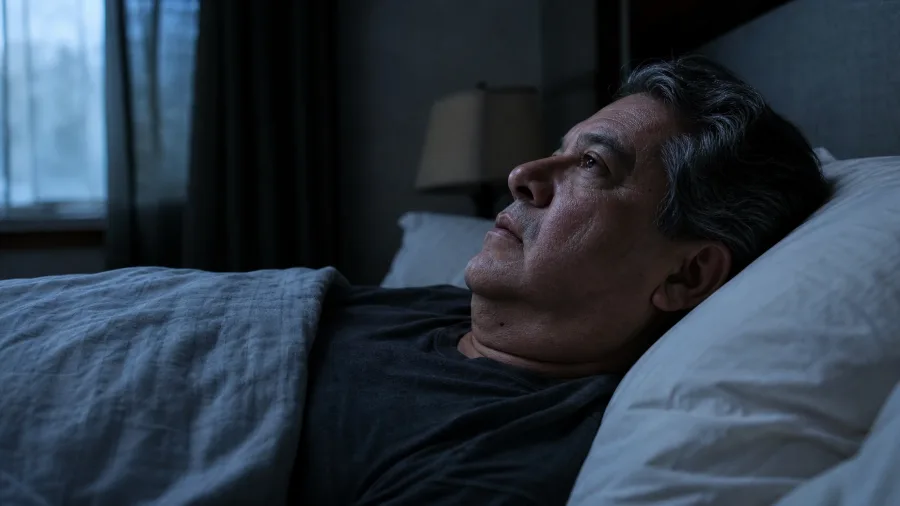
Your sleep architecture relies on a delicate balance between slow-wave sleep and rapid eye movement stages.
Alcohol initially packs the first half of the night with deep slow-wave sleep while actively blocking REM sleep, creating an unnatural imbalance in your nightly rest cycle.
When the alcohol finally clears the system around midnight or 2 AM, your brain triggers a turbulent rebound of vivid, fragmented dreams and micro-awakenings.
Chronic truncation of restorative sleep cycles steadily erodes your daytime cognitive processing, emotional regulation, and immune resilience over time.
🌙 An Alcohol-Influenced Night
Initial Sedation
Hours zero to two feature rapid sleep onset and suppressed REM stages.
Metabolic Processing
Hours two to four involve steady liver breakdown and declining blood concentration.
The Stimulant Rebound
Hours four to six trigger cortisol surges and sudden middle-of-the-night awakenings.
Fragmented Recovery
Hours six to eight consist of broken light sleep and unrefreshing rest.
The Hidden Amplifiers: Breathing, Temperature, and Bladder Control

Secondary physiological mechanisms compound sleep disruption in ways that disproportionately affect individuals over 50.
Age-related loss of pharyngeal muscle tone, combined with alcohol's relaxant properties, exponentially increases the frequency and severity of snoring and obstructive breathing events.
Alcohol also interferes with your body's natural nocturnal core temperature drop, preventing the deep physiological cooling required for restorative rest.
Finally, age-related changes in antidiuretic hormone regulation interact directly with alcohol to trigger multiple inconvenient bathroom trips throughout the night.
Nighttime Physiology: Age 30 vs Age 50+
At Age 30
- Higher total body water buffers concentration spikes
- Rapid enzyme clearance minimizes middle-of-night awakenings
- Stronger airway tone resists minor muscle relaxation
- Stable core temperature regulation preserves deep sleep stages
At Age 50+
- Lower water volume concentrates circulating alcohol levels
- Slower liver processing extends central nervous system stimulation
- Decreased tissue elasticity worsens airway resistance
- Blunted hormone response increases midnight bathroom interruptions
Where Clinical Sleep Science Agrees

Sleep medicine specialists examining aging populations consistently arrive at a clear, unified conclusion regarding evening alcohol consumption.
There is no physiological threshold where alcohol improves long-term sleep architecture after midlife.
While people often report falling asleep faster after a drink, sleep onset speed is merely traded for severe structural fragmentation later in the night.
Sleep architecture resilience drops sharply after your fifth decade, making targeted lifestyle adjustments far more impactful than they were in younger years.
💡 PRO TIP
The Timing Buffer Rule
Clinical data shows that giving your body a three to four-hour window between your last sip and bedtime allows partial clearance before sleep onset.
The Self-Assessment Framework: Finding Your Personal Threshold
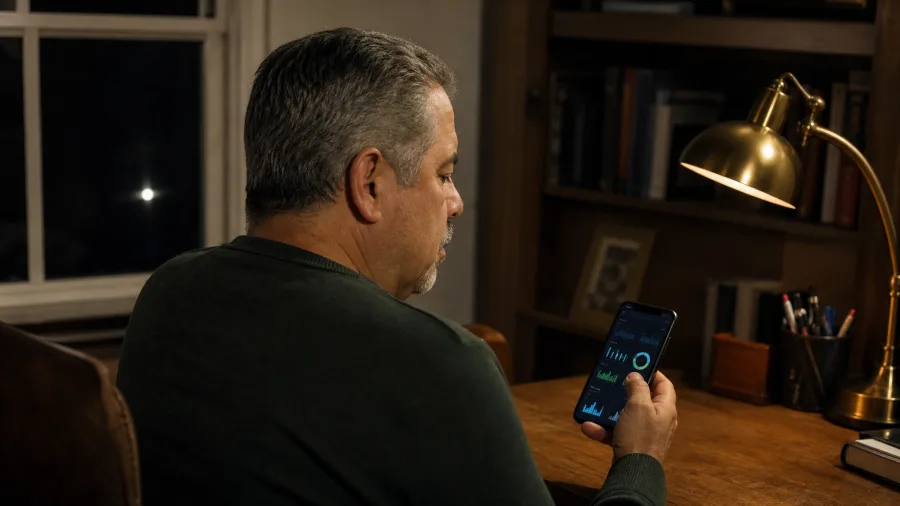
Evaluating your personal tolerance requires a structured approach rather than guesswork.
Start by testing a timing buffer, ensuring your last drink finishes at least three to four hours before your head hits the pillow.
Track how alcohol-free nights alter your morning alertness scores, resting heart rate, or wearable sleep metrics over a two-week testing period.
Pay close attention to red flags like chronic fatigue or unrefreshed waking, which indicate that evening habits are straining your recovery capacity.
Personal Audit Checklist
Restoring Your Rest Starting Tonight
Protecting your sleep quality after 50 does not require total deprivation, but it does demand an honest appraisal of how your changing physiology handles evening habits.
Move your final drink earlier into the evening, widen your hydration buffer, and let your body experience the profound difference of an uninterrupted night.

Meet Edward Green, the founder of GolfingGoal and a seasoned expert in golf. With years of experience on the course and a passion for the sport, Edward has a wealth of knowledge to share. As our Lead Writer, he contributes articles, tutorials, and resources to help readers to improve their skills and reach their full potential on the golf course. Join Our Team!