
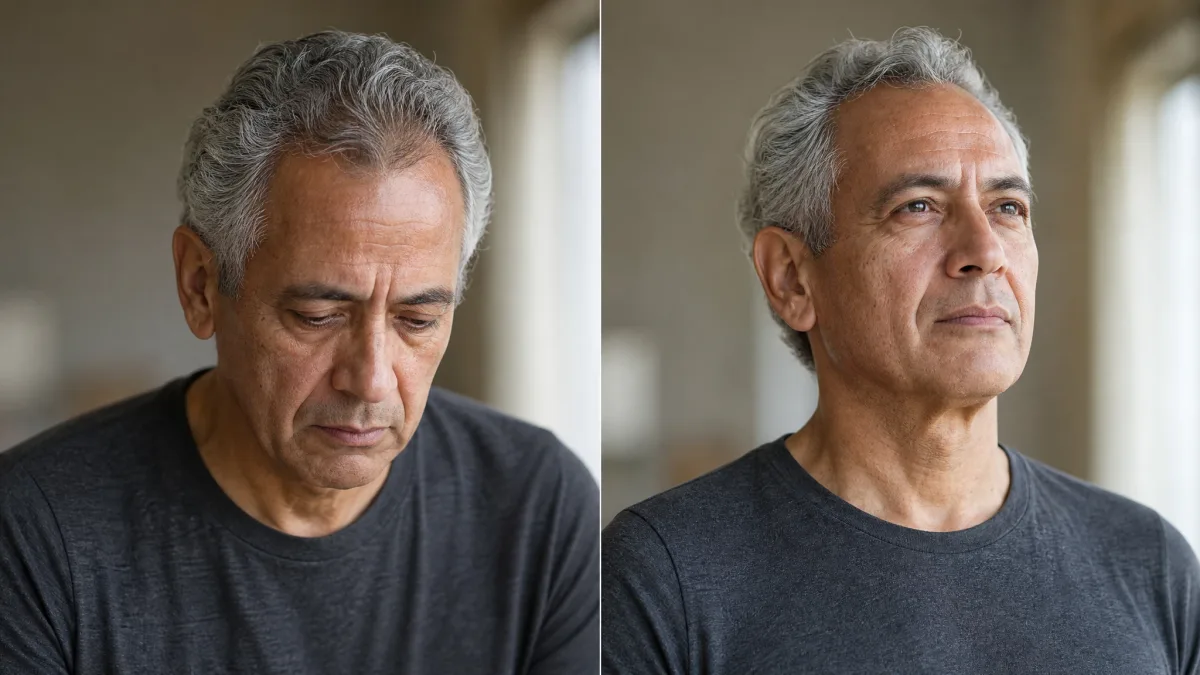
You catch your reflection in the glass of a storefront, spot a posture you did not authorize, and immediately feel a familiar mental sigh.
Cultural conversations obsess over topical anti-aging skincare while ignoring the internal psychological script we hold about getting older, treating chronological decline as an unalterable biological destination.
Longitudinal data proves that psychological self-perceptions rival traditional medical risk factors like cholesterol and blood pressure in predicting physical health outcomes.
💡 PRO TIP
The Aging Paradox Explained
Chronological age is only half the story. Internal expectations actively shape physical stamina and cellular recovery rates over decades.
The Mechanism: How Self-Perceptions Translate into Biomarkers

Your body listens to every internal narrative you tell it.
Through a process known as stereotype embodiment, cultural ageism internalizes into personal self-stereotypes during early and middle adulthood.
This psychological stressor triggers endocrine and cardiovascular responses, elevating baseline cortisol and systemic inflammation markers like C-reactive protein.
Positive self-perceptions encourage proactive health behaviors such as strength training and preventive screenings, whereas negative perceptions foster fatalism and neglect.
Decoding Aging Mindsets
The Landmark Data: What Decades of Longitudinal Research Reveal

Numbers do not negotiate with cultural optimism.
Landmark longitudinal studies, including the Yale Aging and Retirement Study cohort data, tracked individuals over decades to measure the precise impact of baseline age beliefs.
Individuals harboring positive self-perceptions of aging lived an average of 7.5 years longer than those with negative perceptions, an advantage that outpaced lower blood pressure or healthy weight maintenance.
Furthermore, positive age beliefs predict faster and more complete functional recovery from severe physical trauma like myocardial infarctions or hip fractures.
The Longevity Gap
Quantifying the power of mindset
Cardiovascular Resilience and Brain Health: The Mind-Body Spread

Mindset alters organ-level vulnerability across every major physiological system.
Positive aging expectations correlate directly with lower incidence of cardiovascular events and healthier autonomic nervous system regulation during acute stressors.
Cognitive preservation also tracks closely with age beliefs, as neurological data links positive aging frameworks to a reduced risk of dementia and slower hippocampal volume loss.
Cellular-level markers reflect this dynamic, as emerging research examines how psychological stressors linked to systemic ageism influence biological aging markers like telomere length.
📈 The 20-Year Health Divergence
Baseline Assessment
Individuals establish internal age beliefs during early adulthood through cultural exposure.
Subconscious Internalization
Negative stereotypes quietly elevate baseline inflammatory markers over decades.
The Physical Divergence
Cardiovascular and cognitive resilience metrics separate clearly between positive and negative cohorts.
Functional Outcome
Recovery capacity and longevity reflect the accumulated biological cost of internal beliefs.
The Turning Point: Where Science, Culture, and Plasticity Converge
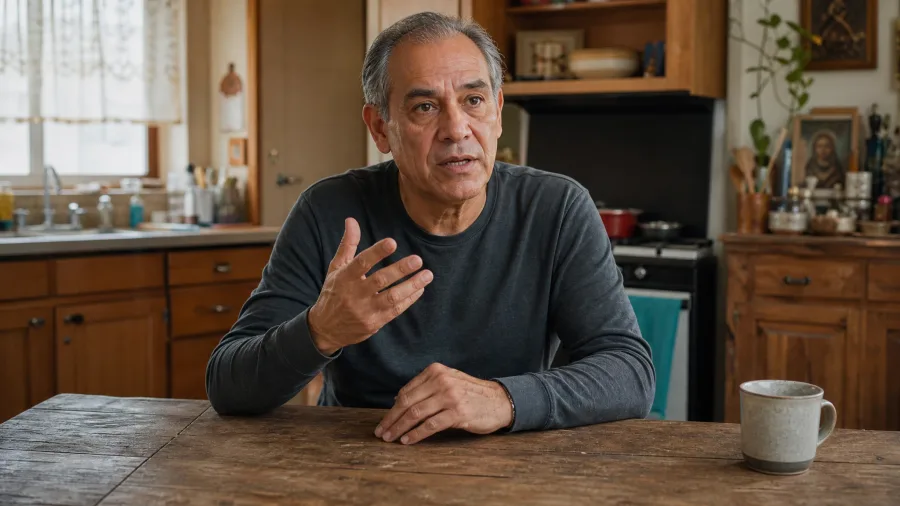
Mindset is not a fixed trait etched in stone at birth.
Public health experts and gerontologists agree that age beliefs are socially constructed and therefore entirely modifiable through targeted awareness.
The plasticity of your internal framework means that adopting a growth-oriented, vital perspective on aging can be intentionally cultivated during any decade of life.
Recognizing this malleability shifts you from passive biological observation into active physical agency.
Plasticity Markers
The Self-Check Payoff: Evaluating Your Own Internalized Age Beliefs

You cannot rewrite a script you refuse to read.
Conduct a structured self-audit of your daily micro-narratives by catching yourself when you attribute every minor joint ache to simply getting old instead of investigating specific physical causes.
Practice age-belief decoupling by separating normal physiological shifts from cultural narratives of inevitable decline.
Curate your informational and social inputs intentionally, identifying how media consumption, peer groups, and casual language reinforce or challenge your expectations of healthy aging.
Self-Audit Focus Areas
Mindset Contrast: Fatalism vs. Agency
Fatalistic Framing
- Attributing every ache to growing older
- Avoiding exercise due to age fear
- Consuming fatalistic media narratives
- Expecting inevitable physical decline
Empowered Agency
- Investigating specific physical root causes
- Prioritizing progressive strength training
- Curating positive peer and media inputs
- Treating the body as adaptable at any age
Audit Protocol — At a Glance
⏱️ Frequency
Weekly 10-minute check-in
🎯 Objective
Identify and rewrite self-limiting age narratives
💪 Target
Subconscious beliefs and daily language
⚠️ Pitfall
Confusing normal mechanics with decline
💰 Cost
Free personal reflection
The Core Rule
Audit your internal script to lower inflammatory biomarkers and protect long-term physical health.
Time and Effort Investment
Frequently Asked Questions
Can changing your mindset about aging actually reverse physical markers of aging?
While mindset does not alter your chronological birth certificate, gerontological research proves it significantly improves functional health, lowers inflammatory biomarkers, and reduces chronic disease risk by acting as a powerful biological buffer.
At what age do self-perceptions of aging begin to impact physical health?
Age stereotypes are quietly internalized during youth and middle adulthood from cultural inputs. These subconscious expectations accumulate over decades, compounding their physiological and hormonal impact as you grow older.
How do cultural differences influence the health effects of aging mindsets?
Cross-cultural studies demonstrate that populations embedding positive elder-respect report lower rates of cognitive impairment and physical decline, proving that societal attitudes directly shape individual physiological outcomes.
Is it possible to shift negative age beliefs formed over a lifetime?
Yes. Psychological plasticity allows you to rewire ingrained age beliefs through intentional cognitive reframing, language audits, and active exposure to vibrant, capable older adults.
The Biology of Belief: Reclaiming Your Physical Future
Your physical health in later decades is shaped not just by your biology, but by the biological cost of the age stereotypes you internalize every day.
Commit to eliminating age-derogatory language from your daily speech starting today, and step into your next chapter with absolute biological agency.

Meet Edward Green, the founder of GolfingGoal and a seasoned expert in golf. With years of experience on the course and a passion for the sport, Edward has a wealth of knowledge to share. As our Lead Writer, he contributes articles, tutorials, and resources to help readers to improve their skills and reach their full potential on the golf course. Join Our Team!