

You walk into the kitchen, stare at the pantry shelves, and completely forget why you opened the door. After 50, these small mental blanks happen often enough to trigger a quiet worry.
Most adults chalk it up to normal aging or too many late-night work emails. But when daytime brain fog pairs with chronic morning exhaustion, the real root cause often lies hidden in the dark hours of the night. Untreated obstructive sleep apnea alters brain tissue in ways that standard fatigue never does.
The Midlife Memory Slip: Is It Aging or Your Breathing?

Everyday forgetfulness feels frustratingly common once you cross into your fifties. You miss a name on the tip of your tongue or lose your car keys in plain sight.
Standard age-associated memory decline happens gradually over decades. By contrast, memory loss driven by nocturnal breathing disruptions hits like a sudden wall, marked by profound mental friction and sluggish reaction times.
You rely on extra cups of strong coffee to push through the morning slump. You assume stress or lack of sleep is to blame, missing the physical reality unfolding in your airway.
⚠️ COMMON MISTAKE
Assuming Brain Fog Is Just Normal Aging
Dismissing persistent daytime exhaustion as an inevitable side effect of turning 50 delays vital screening. When upper airway collapse repeatedly deprives your brain of oxygen, it creates a distinct neurological strain that requires medical intervention, not just more sleep hygiene.
Inside the Brain Under Siege: What Happens During an Apneic Event

During obstructive sleep apnea, the muscles in the back of your throat relax too deeply during sleep. The airway collapses, blocking airflow entirely for ten seconds or longer.
Blood oxygen levels drop sharply, triggering a survival panic response in the brainstem. Your brain jolts you into a brief micro-arousal just long enough to reopen the airway and restart breathing.
You never fully wake up or remember these interruptions, but they happen dozens of times an hour. This continuous fragmentation strips away slow-wave sleep and rapid eye movement sleep, shutting down the glymphatic system responsible for clearing metabolic waste from neural tissue.
🫁 Anatomy of a Single Apneic Event
Airway Collapse
Throat muscles relax completely, sealing off the windpipe during deep or REM sleep.
Oxygen Desaturation
Blood oxygen levels plunge as trapped air fails to reach the lungs or bloodstream.
Cortical Micro-Arousal
The brain surges with adrenaline, forcing a brief awakening to restart breathing.
Glymphatic Disruption
Metabolic waste and cellular debris remain trapped because deep sleep cycles are broken.
The Hidden Toll on Neural Architecture
Clinical findings on untreated respiratory disruption after 50
The Hippocampus Breakdown: Why Episodic Memory Fails First

Your hippocampus acts as the primary switchboard for forming and consolidating new episodic memories. It demands a massive, continuous supply of oxygen to function.
When nocturnal oxygen levels drop repeatedly, this high-metabolic region suffers micro-injuries. The physical architecture required to encode daily experiences begins to degrade.
You struggle to remember recent conversations, misplace household objects constantly, and find yourself unable to stitch together the timeline of your own recent weeks.
Memory Consolidation: Healthy Sleep vs. Untreated Apnea
Healthy Slow-Wave Sleep
- Uninterrupted transfer of short-term traces to long-term storage
- Optimal glymphatic clearance of cellular metabolic waste
- Stable oxygen saturation supporting hippocampal plasticity
- Clear morning retrieval of episodic events and names
Fragmented Apneic Sleep
- Blocked transition into restorative slow-wave stages
- Accumulation of neurotoxic waste products overnight
- Intermittent hypoxia causing cellular stress in the temporal lobe
- Disjointed recall and frustrating daily memory lapses
Hippocampal Oxygenation Efficiency
Comparing normal nocturnal perfusion against interrupted apneic states
Working Memory and Executive Function: The Prefrontal Cortex Toll

Your prefrontal cortex handles high-level cognitive work like task switching, holding multiple instructions in mind, and regulating impulses.
Chronic sleep fragmentation starves this frontal region of clean recovery time. Mental processing speeds slow down, making complex multitasking feel overwhelming.
You might find yourself staring at an open spreadsheet, completely unsure where to start or how to organize simple tasks that used to take minutes.
Prefrontal Cortex Impairments — At a Glance
⚡ Processing Speed
Noticeably delayed reaction times
🎯 Attention Span
Frequent distractibility and focus drops
🗂️ Working Memory
Reduced mental scratchpad capacity
🔄 Task Switching
Difficulty pivoting between duties
Root Cause
Prefrontal tissue requires deep uninterrupted sleep stages to maintain synaptic plasticity.
The Convergence Zone: Where Sleep Medicine and Neurology Agree

Neurologists and sleep specialists now view obstructive sleep apnea as a primary, modifiable driver of vascular cognitive impairment.
Every airway collapse causes a sharp surge in nocturnal blood pressure and systemic inflammation, damaging fragile cerebral small vessels over time.
Unlike fixed genetic risk factors, treating sleep apnea removes a continuous source of neurovascular injury, making it one of the most actionable interventions available after 50.
💡 PRO TIP
Frame Apnea as a Treatable Vascular Risk
When discussing cognitive concerns with your physician, explicitly request an evaluation for sleep-disordered breathing. Treating nocturnal hypoxia protects both your cardiac vessels and your neural architecture simultaneously.
Intervention Urgency Guide
- Occasional light snoring without daytime fatigue or cognitive drag — Monitor during routine annual physicals without immediate invasive testing.
- Persistent daytime brain fog, unrefreshing sleep, and word-finding slips — Moderate indicators warranting a home sleep apnea test or clinical screening.
- Witnessed breathing pauses, loud choking gasps, or severe morning headaches — Immediate red flags requiring a direct referral to a board-certified sleep specialist.
Reversibility and Resilience: Can Treatment Restore Your Memory?
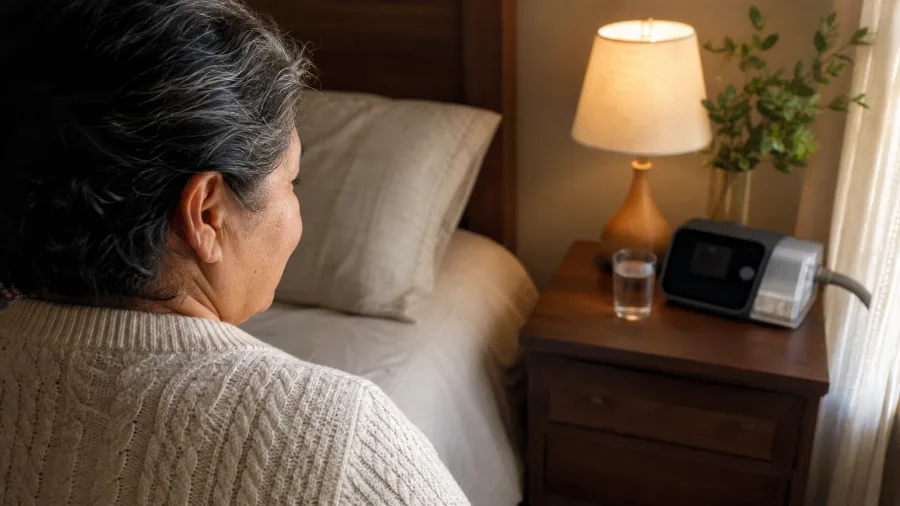
Clinical trials examining continuous positive airway pressure therapy demonstrate remarkable news for adult brain health.
Restoring normal oxygen flow and eliminating micro-arousals allows white matter tracts and regional blood flow to stabilize over several months.
Patients consistently report that the suffocating layer of daily brain fog lifts, replaced by sharper working memory and clearer mental stamina.
Signs Your Brain Is Recovering
Cognitive Trajectory Transformation
Frequently Asked Questions

Navigating sleep medicine and cognitive health raises several practical questions for adults over 50 seeking answers.
Reviewing these targeted clinical nuances helps clarify what to expect during diagnosis and recovery.
Frequently Asked Questions
Can mild sleep apnea affect memory just as much as severe cases?
Even mild cases involve cumulative micro-arousals and oxygen drops that disrupt slow-wave sleep stages. Over years, this sustained disruption chips away at cognitive performance and memory consolidation just like more severe presentations.
Is memory loss from sleep apnea permanent if left untreated for years?
Much of the cognitive deficit stems from functional neurochemical suppression and reversible vascular strain rather than permanent cell death. Introducing effective airway therapy often yields substantial recovery in processing speed and working memory.
Do non-CPAP treatments like oral appliances or lifestyle changes restore cognitive function?
Any medical intervention that successfully normalizes nocturnal oxygenation and eliminates airway collapse will protect brain health. Oral mandibular advancement devices and positional therapy are highly effective alternatives for eligible patients.
How long does it take for memory to improve after starting treatment?
Immediate gains in daytime alertness often appear within days of consistent use. Deeper structural improvements in executive function and verbal memory typically unfold gradually over three to six months of nightly compliance.
Reclaiming Your Nights to Clear Your Mind

Memory lapses after 50 do not have to be an accepted baseline of growing older when a physical breathing barrier stands in the way.
Take charge of your cognitive health today by scheduling a conversation with your primary care physician to discuss nocturnal symptoms and sleep testing options.
Your Next Step Toward Better Cognitive Health
Protecting your memory requires looking past standard daytime fatigue and examining what happens when your head hits the pillow.
Start by tracking your nighttime breathing patterns and bringing your observations directly to a clinical specialist who understands the link between sleep and brain longevity.

Meet Edward Green, the founder of GolfingGoal and a seasoned expert in golf. With years of experience on the course and a passion for the sport, Edward has a wealth of knowledge to share. As our Lead Writer, he contributes articles, tutorials, and resources to help readers to improve their skills and reach their full potential on the golf course. Join Our Team!