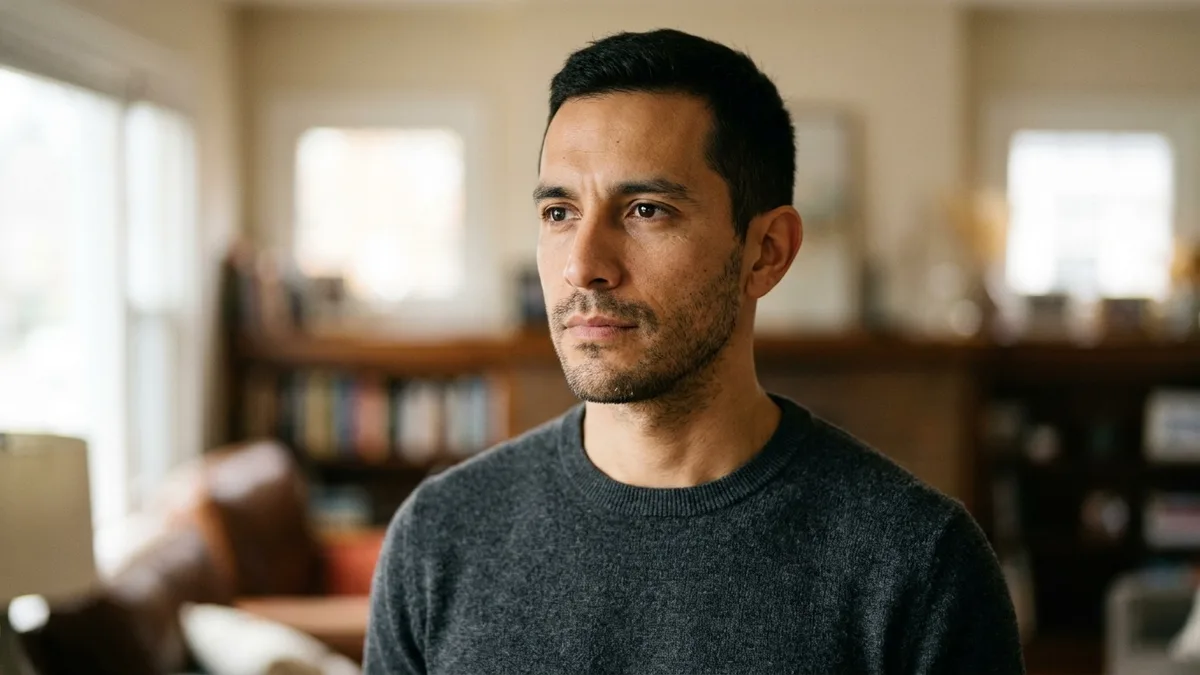
You finish the entire kitchen remodel by yourself over a single grueling weekend, refusing help when your partner offers to carry the heavy slate tiles.
That refusal is not just efficiency at work. It is an old, automatic reflex designed to keep you safe from disappointment.
By the end of this article, you will be able to trace where that absolute self-reliance started and learn how to let someone in without feeling like you are losing control.
At a Glance
Why Absolute Self-Reliance Starts Early
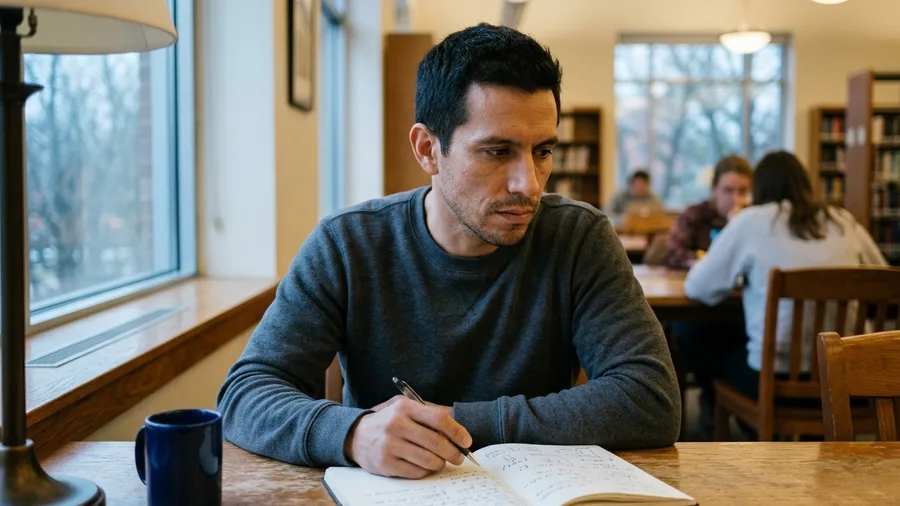
I can handle it myself.
You hear that phrase in your own voice whenever someone offers to carry a bag, proofread an email, or pick up groceries on a late Tuesday night. You think it looks like resilience, self-possession, and an admirable refusal to burden anyone else with your daily friction.
Children learn very quickly who they can depend on when the adults around them are overwhelmed or emotionally unpredictable. If asking for comfort meant facing annoyance or silence, you quickly stopped asking altogether.
You learned to manage your own homework, soothe your own fears, and solve your own crises before anyone else could notice you were struggling. That adaptation kept you safe back then, protecting you from the sharp sting of unmet needs.
The people standing close to you today experience that exact same reflex entirely differently. To them, refusing every offer of help does not look like strength; it looks like a locked door, signaling that your life has no room for them to matter.
The next time someone reaches for your grocery bags or offers to help you move a desk, try pausing instead of instantly declining. Say yes to the small thing, let them carry half the weight, and notice how strange it feels to let someone show up for you.
⚠️ COMMON MISTAKE
Confusing Isolation With Autonomy
Treating every minor inconvenience as a solo mission drains the exact energy you need for genuine creative work.
The Hidden Cost of Never Needing Anything

Carrying everything alone creates a quiet, persistent exhaustion that sleep alone cannot fix.
When you never allow anyone to witness your vulnerability or assist with your burdens, relationships turn transactional or superficial because people cannot love what they are not allowed to support.
There are times when handling things independently is simply practical competence rather than a defense mechanism, particularly during temporary crises where delegating would create more chaos than help.
The difference lies in whether solitude is a temporary tool or an absolute fortress shutting everyone out.
Notice if you are choosing isolation even when a willing hand is right there, and try letting someone carry one small piece of the load today without managing how they do it.
Self-Reliance Profile — At a Glance
🔋 Energy Drain
High Burnout
🤝 Help Acceptance
Near Zero
🧱 Boundary Style
Fortress
Core Pattern
Exchanging vulnerability for absolute control over every outcome.
Recognizing the Reflex in Daily Life
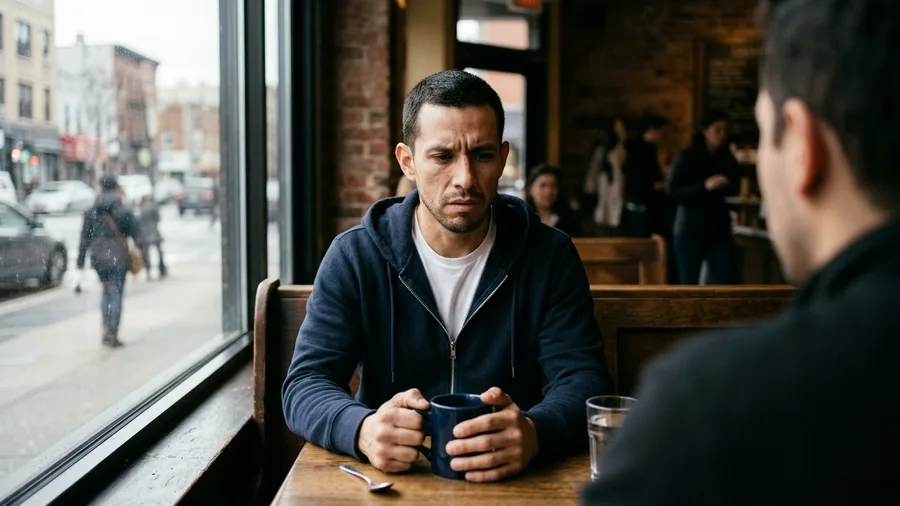
I used to think my refusal to accept help was just standard competence, until I realized how exhausting it was to make every simple errand a solo operation. You pull your hand away when someone reaches to carry your grocery bag, insisting you have it under control even when the plastic handles are cutting into your palms. You spend four hours researching how to fix a leaky pipe rather than calling a plumber or asking a neighbor who owns a wrench.
Ask yourself a simple question in ten seconds: when someone offers to share the load, does your chest tighten with relief or with a sudden, sharp need to push them back? If it is the latter, every shared task feels like a negotiation you might lose because you believe cooperation requires submission. You keep the steering wheel firmly in your own hands, even when you are too tired to drive safely.
The replacement move is remarkably quiet. The next time someone reaches for your bag or offers to take the wheel, let them hold it for thirty seconds without explaining why or taking it back.
Common Triggers
Where the Old Survival Strategy Breaks Down
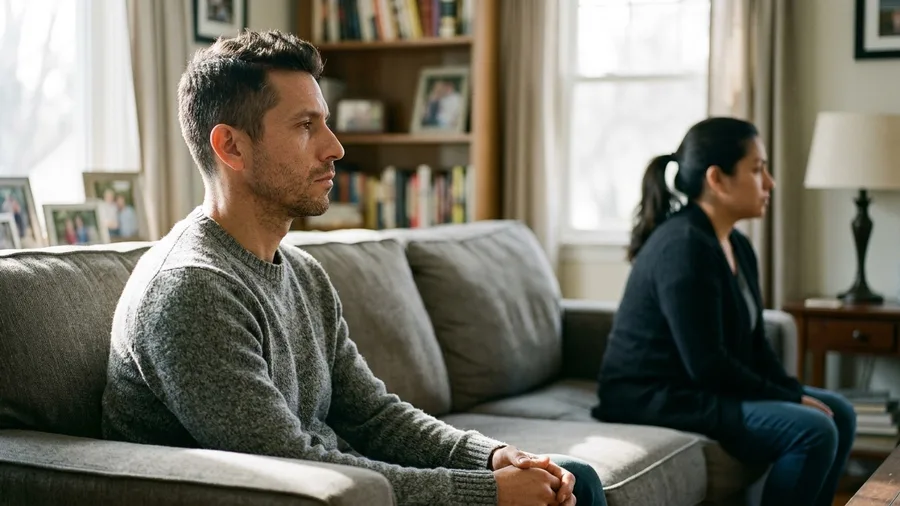
The quiet price of carrying everything alone accumulates over years rather than months, slowly draining the vitality from your closest relationships until only a hollow routine remains.
Adult partnerships require a steady exchange of mutual dependency to survive over decades, but when you treat vulnerability as a core liability, you systematically starve the connection of the very glue that holds it together.
Your partner or trusted friends feel deeply rejected not because you dislike them or wish to push them away, but because your refusal to lean on them signals that they do not actually matter when things get heavy.
The robust wall you painstakingly built years ago to keep pain and disappointment safely out ends up locking intimacy out as well, leaving you completely secure yet profoundly alone in a crowded room.
🌱 Path From Isolation to Connection
Awareness
Notice the automatic rejection of help in low-stakes moments.
Experimentation
Accept one small favor today without paying it back immediately.
Tolerance
Breathe through the nervous system spike that follows asking for support.
Integration
Allow mutual reliance to become your default state of relating.
How to Practice Letting Someone In
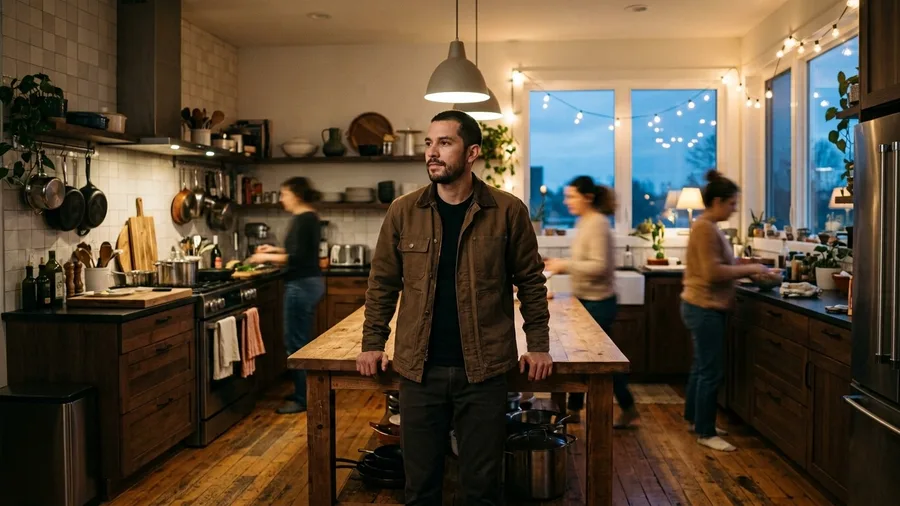
Unlearning decades of self-protection is often treated as a massive lifestyle overhaul, but real change actually starts with micro-doses of exposure. You do not need to rewrite your entire emotional history overnight.
Pick one low-stakes area where you normally refuse help out of pure habit. Let your partner cook dinner entirely unassisted, or let a friend carry the heavier boxes without stepping in to reorganize them.
Notice the sharp spike of anxiety in your chest the exact moment you stop moving and surrender control. Stay still through that physical discomfort and let the world keep spinning around you without your intervention.
The goal is to teach your nervous system that accepting assistance does not invite disaster. Each small concession rewrites the internal script and proves you can survive being supported.
Old Reflex vs New Response
The Old Armor
- Refusing help instantly
- Over-explaining every decision
- Fixing everything in absolute silence
- Viewing reliance as weakness
The New Choice
- Saying yes to small favors
- Allowing unfinished tasks to wait
- Asking directly for support
- Trusting others to show up
What Changes When You Stop Carrying Everything
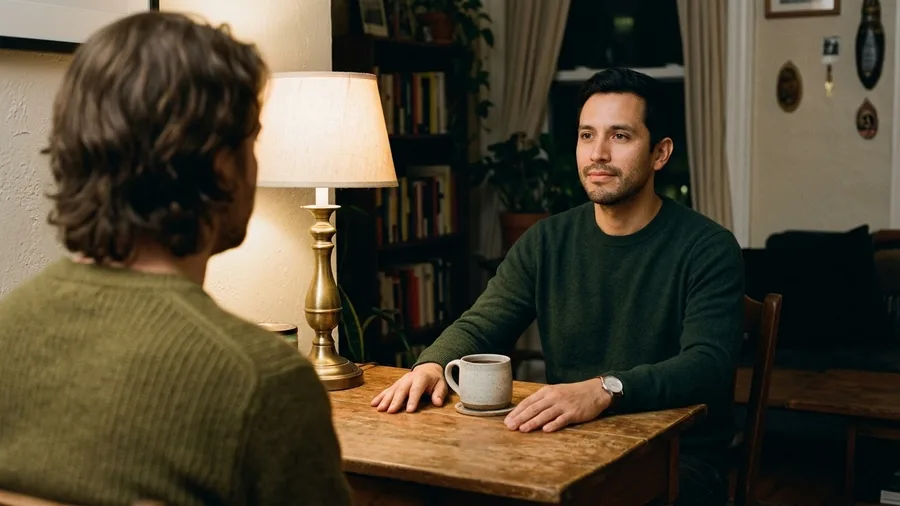
Three weeks into asking for help with ordinary errands, the chronic tightness in your shoulders finally begins to ease.
You notice that your physical posture changes because your nervous system has finally realized it does not have to monitor every single variable in the room.
Relationships deepen in ways you did not expect because people around you finally feel genuinely useful and trusted in your life, proving that true strength is not the ability to stand entirely alone, but the courage to let someone stand right beside you.
Your First Support Check
-
Identify one task you are currently handling entirely alone. Choose something minor like grocery shopping or meal prep.
-
Decide who to invite into that task. Pick someone safe and steady in your life.
-
Make the direct request without adding apologies. Use one clear sentence and stop talking.
A Five-Question Self-Check for Independence
You stare at the kitchen counter loaded with heavy grocery bags while your partner stands right next to you asking if you need a hand, and you snap that you can manage it just fine before carrying them all in one painful, trembling trip.
Run through these questions honestly when you feel that familiar urge to push someone away from a task you could easily share.
Do you feel quietly resentful for doing everything yourself, yet instantly refuse offers of help when they are finally extended?
Does accepting even the smallest assistance make you feel exposed or secretly incompetent, as if your entire foundation is suddenly at risk?
If the answers are yes, your independence has quietly shifted from a practical life tool into a heavy emotional shield.
Recognizing that precise distinction is the first real step toward finding actual peace.
Pick Your Path Forward
Frequently Asked Questions
Why do I feel so uncomfortable when people offer to help me?
That discomfort usually stems from early experiences where help came with conditions or unpredictability. Your nervous system learned to associate reliance with vulnerability, so it triggers a protective alarm when someone steps in.
Is hyper-independence the same as being introverted?
Not at all. Introverts simply recharge by spending time alone and can still have deeply connected, interdependent relationships. Hyper-independence is an emotional defense mechanism built around avoiding reliance on anyone else.
How can I start asking for help without feeling weak?
Start with tiny, low-stakes requests where the outcome does not matter much. Notice the physical sensation of anxiety in your body, breathe through it, and let the other person show up for you without apologizing.
Can hyper-independence ruin romantic relationships?
Yes, over time it starves intimacy. When you refuse to let your partner support you or witness your struggles, they feel shut out and unneeded, turning the relationship into a parallel solo journey rather than a partnership.
How long does it take to unlearn hyper-independence?
It takes months of deliberate practice catching the reflex and choosing differently. Progress happens in small, repeated moments where you choose connection and vulnerability over absolute control.
Where I Would Start Unlearning Absolute Self Reliance
Unlearning absolute self-reliance does not happen all at once.
Pick one small place today where you usually say no to help, and say yes instead.
Notice the brief spike of discomfort, let it pass, and let someone else carry the weight for a change.

Meet Edward Green, the founder of GolfingGoal and a seasoned expert in golf. With years of experience on the course and a passion for the sport, Edward has a wealth of knowledge to share. As our Lead Writer, he contributes articles, tutorials, and resources to help readers to improve their skills and reach their full potential on the golf course. Join Our Team!