

You step on the scale after three weeks of skipping breakfast, and the needle hasn't budged an inch. Meanwhile, your joints feel slightly stiffer, and your morning energy crash hits right around 10 a.m. like clockwork.
I wanted real answers about whether intermittent fasting actually works for health after 50, so I sat down with four registered dietitians who specialize in mature metabolism. Their opinions were far from unanimous, revealing critical nuances most viral diet trends completely ignore.
At a Glance
Quick Tips Before You Start
Prioritize Hydration
Drink 16 ounces of water with electrolytes first thing in the morning to offset fluid loss during overnight fasting.
Anchor Your Protein
Ensure your first meal breaks the fast with at least 30 grams of high-quality protein to protect muscle tissue.
Watch Coffee Additives
Black coffee is fine, but heavy cream or sugar will spike insulin and break your metabolic fast prematurely.
Monitor Cortisol
If fasting leaves you feeling jittery or anxious, your adrenal glands are overproducing stress hormones.
1. The Muscle Mass Trap and Anabolic Resistance
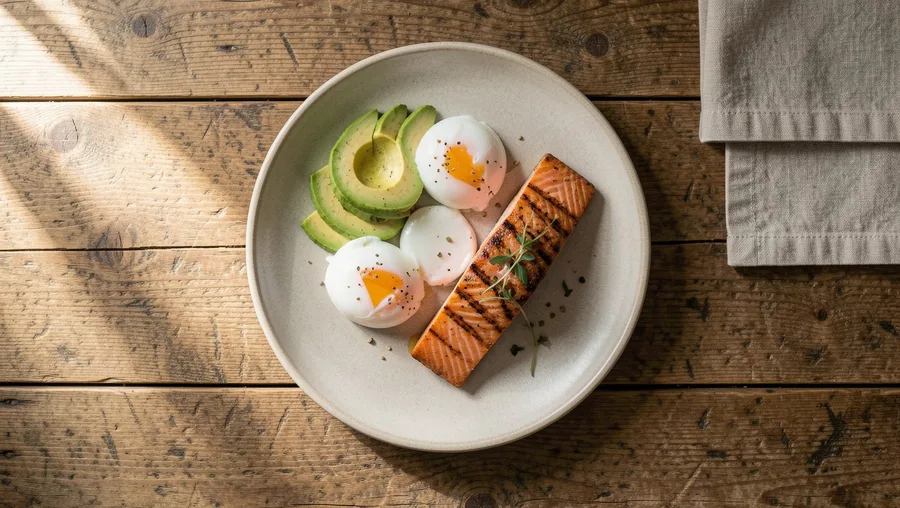
Your body handles protein synthesis differently now than it did in your thirties. After 50, a phenomenon called anabolic resistance means your muscles require higher concentrations of amino acids just to trigger repair.
When you compress your eating window into 6 or 8 hours, squeezing in 90 grams of protein becomes a physical chore. Most people end up under-eating protein, which forces the body to break down lean muscle tissue for fuel.
One dietitian I spoke with stressed that losing five pounds of muscle to drop two pounds of fat is a terrible trade for long-term health. Muscle is your primary engine for glucose clearance and joint stability.
If you choose to fast, you must explicitly plan every single meal around dense protein sources like eggs, salmon, or Greek yogurt to prevent sarcopenia.
💡 Tip: Aim for 30 to 35 grams of protein in your very first meal to effectively kickstart muscle protein synthesis.
Proteins Sourced Over a Fasting Window
Comparing protein utilization between narrow and standard eating windows
2. Cortisol Spikes and Adrenal Overload in Midlife

Fasting is fundamentally a physiological stressor. It triggers your adrenal glands to release cortisol and adrenaline to liberate stored glucose into your bloodstream.
In midlife, stress recovery mechanisms are often already taxed by hormonal shifts, sleep disruptions, and busy schedules. Pushing through a prolonged fast can elevate baseline cortisol levels.
High cortisol signals your body to hold onto visceral abdominal fat—the exact opposite of what most people hope fasting will accomplish. You might feel wired and tired simultaneously.
If you wake up feeling depleted or experience heart palpitations during your fasting window, your nervous system is telling you the current stress load is too high.
💡 Tip: Swap cold water for warm herbal tea during fasting hours to keep your nervous system calm.
⚠️ COMMON MISTAKE
Ignoring Cortisol Warning Signs
Pushing through dizziness, intense brain fog, or cold sweats in the name of discipline drives up stress hormones, actively triggering belly fat storage.
3. Circadian Alignment Over Strict Deprivation

Skipping breakfast is the most common way people implement fasting, but dietitians agree it is usually the wrong approach after 50. Your insulin sensitivity naturally peaks in the morning.
Eating a solid meal earlier in the day aligns with your internal biological clock. Your pancreas processes glucose far more efficiently at 8 a.m. than it does at 8 p.m.
A late-eating window—where you skip breakfast and eat from 1 p.m. to 9 p.m.—forces your digestion to work when your metabolic rate is slowing down for night.
Shifting your fasting window to end early in the evening consistently yields better insulin sensitivity and improved sleep quality across research trials.
🌅 Optimal 12-Hour Circadian Fasting Routine
7:30 AM — Hydrate & Light
Drink 16oz of water and step outside for natural morning light exposure.
8:00 AM — High-Protein Breakfast
Break your fast with 30g of protein and healthy fats to stabilize blood sugar.
1:00 PM — Balanced Lunch
Focus on complex carbs, lean protein, and leafy greens for sustained afternoon energy.
6:30 PM — Early Dinner
Finish your final meal of the day, allowing plenty of digestion time.
7:00 PM — Fast Begins
Close the kitchen for the night to allow natural melatonin release and cellular repair.
4. Bone Density Loss and Calcium Deficits

Estrogen and testosterone drops after 50 naturally accelerate bone mineral density loss. Maintaining strong bones requires consistent micronutrient absorption throughout the day.
Restricting your food intake to a short daily timeframe makes meeting your daily calcium, magnesium, and vitamin D requirements significantly harder.
Dietitians point out that calcium absorption is capped at around 500 mg per meal. Trying to overload your single meal with all your daily calcium is biologically ineffective.
Spreading mineral intake across two or three distinct meals ensures steady bioavailability without overwhelming your gut's transport channels.
Bone Health Essentials — At a Glance
🦴 Calcium Max
500 mg per meal max
⏱️ Ideal Window
12 hours for nutrient spread
☀️ Key Cofactor
Vitamin D3 + K2
⚠️ Risk Factor
Osteopenia acceleration
Why Spacing Matters
Intestinal calcium transporters saturate quickly, requiring meal separation for maximum absorption.
5. Blood Sugar Rollercoasters in Post-Menopausal Women

Hormonal transitions alter insulin sensitivity significantly. While fasting is praised for lowering blood sugar, prolonged gaps between meals can trigger hypoglycemia in mature women.
When blood sugar drops too low during a fast, the liver releases stored glycogen alongside stress hormones, causing a rebound spike before you even bite into food.
This volatility leaves you irritable, shaky, and craving quick-refining carbohydrates when your eating window finally opens.
Two dietitians recommended a modest 12-hour overnight fast instead, which offers metabolic rest without throwing glucose control into chaos.
Best Approach For
6. The Impact on Thyroid Hormones and T3 Conversion

Your thyroid is the conductor of your metabolic rate, converting T4 hormone into active T3. Active T3 requires a steady availability of dietary carbohydrates and calories.
Aggressive fasting routines—like 18:6 or 20:4—can signal to the thyroid that food supply is scarce, slowing down T3 production to conserve fuel.
A sluggish thyroid leads to symptoms often blamed on aging: cold intolerance, thinning hair, dry skin, and unexplained weight plateaus.
Maintaining a moderate 12-to-14-hour window preserves thyroid function while still giving your digestive system a clean break overnight.
7. Gallbladder Health and the 16-Hour Fasting Risk

Here is a physical downside few people discuss: long periods without food cause bile to sit stagnant in the gallbladder, increasing concentration and sludge buildup.
Gallstones become dramatically more common after age 50, particularly for women. Regular meal ingestion triggers the gallbladder to contract and empty regularly.
When you skip meals for 16 to 18 hours daily, stagnant bile has time to crystallize, elevating the risk of painful stone formation.
Dietitians who oppose long fasting windows frequently cite gallbladder distress as one of their primary clinical concerns for older adults.
💡 PRO TIP
Healthy Bile Flow Support
Including healthy fats like olive oil or avocado at your final meal stimulates complete gallbladder emptying before your overnight fast begins.
8. Autophagy Reality Versus Internet Hype

Fasting advocates frequently promise cellular cleanup called autophagy. While autophagy is real, online claims suggest you must fast 18+ hours to unlock it.
Recent cellular research demonstrates that exercise, strength training, and adequate sleep stimulate cellular repair pathways just as effectively as severe food restriction.
You do not need to starve yourself to clean up damaged cellular components. A 30-minute brisk walk paired with a 12-hour overnight fast achieves excellent results.
Relying on severe fasting for cellular health while neglecting physical movement is missing the metabolic forest for the trees.
9. Medication Timing and Nutrient Absorption Interference

By age 55, many adults take daily medications for blood pressure, thyroid, or cholesterol. Many of these pharmaceuticals require specific food conditions for proper absorption.
Taking lipid-soluble medications on an empty stomach during a fast can lead to poor uptake or severe gastrointestinal irritation.
Conversely, taking certain medications alongside massive meals in a compressed eating window alters absorption rates unpredictably.
Always review medication schedules with your prescribing physician before shifting from a normal eating schedule to an intermittent fasting protocol.
💡 Tip: Never take fat-soluble vitamins (A, D, E, K) during a fasting window, as they require dietary fat for absorption.
10. Gut Microbiome Diversity Needs Regular Fiber Input
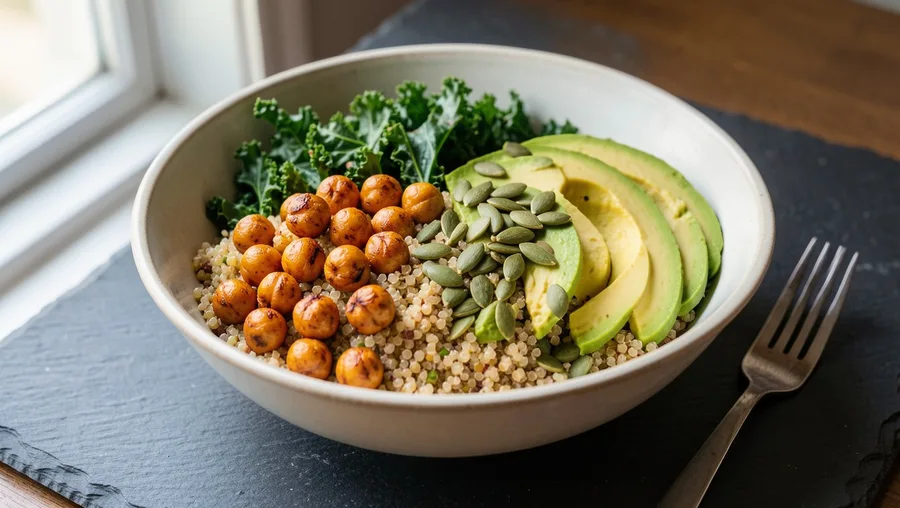
Your gut bacteria thrive on a continuous, diverse intake of prebiotic fibers throughout your waking hours. Compressing meals often decreases fiber variety.
Dietitians noted that fasts exceeding 16 hours daily can starve beneficial gut strains like Akkermansia muciniphila, which rely on regular dietary substrate.
When people eat fewer meals, they naturally reduce their plant diversity—moving from 20–30 plant types per week down to a repetitive handful.
A healthy gut microbiome requires sustained fueling to maintain mucosal barrier integrity and support immune function as you age.
11. The Gentle 12:12 Circadian Fasting Protocol

Every dietitian interviewed agreed that a 12-hour overnight fast is safe, effective, and beneficial for almost every adult over 50.
This simply means finishing dinner by 7:00 p.m. and eating a protein-focused breakfast at 7:00 a.m. It requires no extreme willpower or skipped meals.
You gain all the metabolic benefits of nighttime digestion rest without threatening muscle mass, driving up stress hormones, or compromising bone density.
It provides a sustainable structure that easily fits social dinners, family breakfasts, and consistent medication timing.
Before Starting a Fasting Schedule
-
Calculate daily protein intake goal (1.2g per kg body weight) Ensure you can eat this amount within your target window.
-
Review prescription medication timings with a physician Identify which doses require fat or meals.
-
Set a firm evening kitchen closure time Aim for 3 hours before sleep to support circadian rhythm.
-
Purchase electrolyte powder without added sugar Helps maintain hydration during morning fasting hours.
12. Hydration, Electrolytes, and Fluid Shifts

When insulin levels drop during a fast, your kidneys excrete sodium and water at an accelerated rate. This rapid fluid loss can cause sudden fatigue.
Older adults already have a diminished thirst response, making dehydration a stealthy issue during fasting windows.
Headaches, leg cramps, and lightheadedness when standing up are classic signs of electrolyte depletion rather than actual hunger.
Adding a pinch of unrefined sea salt or a sugar-free electrolyte blend to your morning water prevents these unpleasant symptoms instantly.
13. Overcoming the Midnight Snacking Habit

For many adults over 50, fasting works not because of magical metabolic triggers, but because it eliminates late-night mindless calories.
Eating ultra-processed snacks while watching evening television disrupts sleep quality and keeps insulin elevated throughout the night.
Establishing a firm 'kitchen closes at 7 p.m.' boundary addresses this habit directly without requiring restrictive daytime meal skipping.
Replacing the late-night snack ritual with chamomile tea or a light stretching routine bridges the gap effortlessly.
Fasting Strategies: Moderate vs. Extreme
12:12 Circadian Fasting
- Preserves muscle mass easily
- Supports thyroid T3 conversion
- Maintains stable cortisol levels
- Fits social meals and family life
18:6 Strict Fasting
- Increases sarcopenia risk
- Triggers stress hormone spikes
- Higher gallstone formation risk
- Difficult to hit fiber and protein targets
14. Adjusting Fasting Around Strength Training Days

Lifting weights or performing resistance exercises requires available amino acids for muscle repair immediately following the workout.
Working out in a fasted state at 60 may burn glycogen, but without post-workout protein, your body turns to muscle tissue breakdown.
Dietitians advise aligning your eating window with your workout schedule. Consume 25–30 grams of protein within 90 minutes of finishing strength work.
On heavy training days, consider shortening or eliminating your fast entirely to support recovery and reduce joint inflammation.
Pick Your Path
15. Listening to Subjective Feedback Over Rigid Rules

The ultimate takeaway from all four dietitians was simple: no diet protocol should overrule how your body actually feels.
If intermittent fasting leaves you fatigued, irritable, losing hair, or suffering poor sleep, the protocol is failing you—regardless of what internet gurus claim.
Metabolic health after 50 is built on consistency, adequate protein, strength training, and restorative sleep—not extreme dietary deprivation.
Treat fasting as a flexible tool rather than a rigid religion, adjusting your window based on your daily energy demands.
Avoid These Common Fasting Mistakes
Start With This One
If you want to try intermittent fasting after 50, ignore the extreme 18-hour windows and start with a simple 12-hour circadian reset tonight.
Finish dinner by 7:00 p.m., drink plenty of water, and eat a nutrient-dense, high-protein breakfast at 7:00 a.m. tomorrow. It is safe, sustainable, and gives your body the exact overnight rest it needs.

Meet Edward Green, the founder of GolfingGoal and a seasoned expert in golf. With years of experience on the course and a passion for the sport, Edward has a wealth of knowledge to share. As our Lead Writer, he contributes articles, tutorials, and resources to help readers to improve their skills and reach their full potential on the golf course. Join Our Team!