
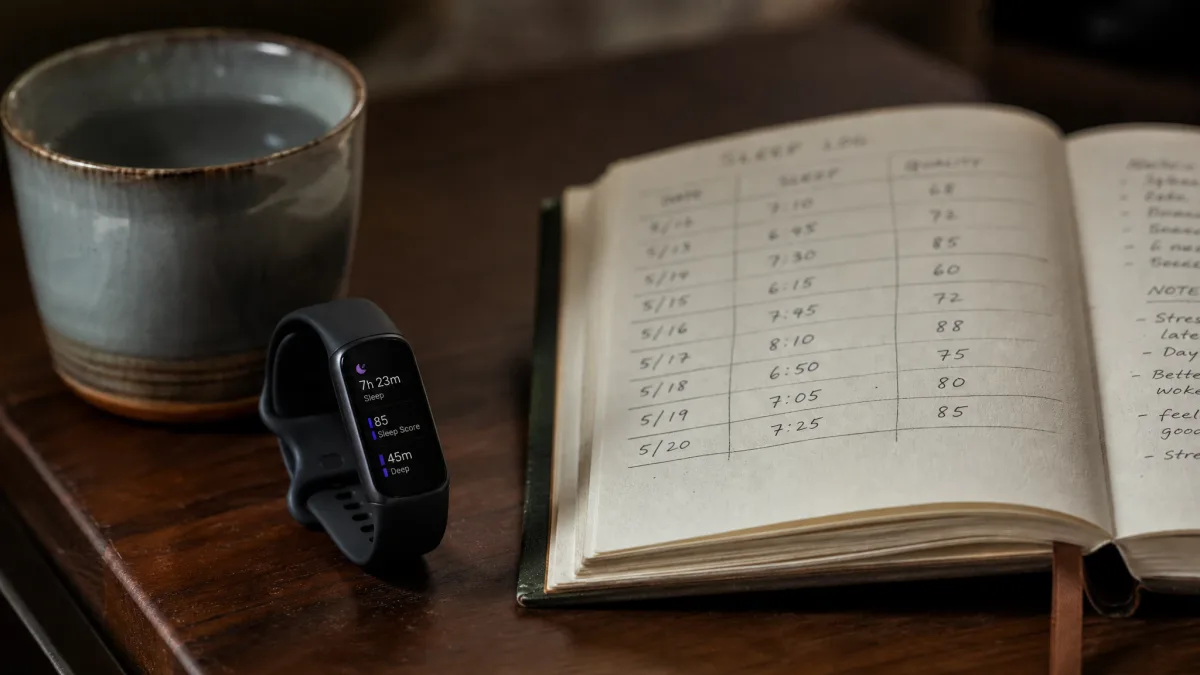
You wake up at 3:14 AM staring at the ceiling, mind racing with yesterday's unfinished emails, while your expensive sleep tracker cheerfully informs you that you had a great night.
That glaring disconnect between digital scores and physical exhaustion drove me to track every sleep metric for ninety consecutive days at age fifty-six.
What I discovered changed my entire approach to rest, proving that our obsession with wearable data is often the very thing destroying our sleep quality.
⚠️ COMMON MISTAKE
The Wearable Data Trap
Midlife sleep disruption is rarely a failure of discipline; it is a structural shift in circadian biology that consumer wearables frequently misinterpret.
Why Midlife Sleep Architecture Shifts Completely

Aging alters sleep structure long before we notice cognitive fatigue.
Physiological research shows a natural reduction in slow-wave deep sleep paired with an increase in nocturnal awakenings as standard parts of adult maturation.
Consumer wearables attempt to measure these shifts using accelerometers and photoplethysmography sensors, which estimate brain waves instead of recording them directly via clinical polysomnography.
Waking briefly during the middle of the night is an evolutionary norm rather than an immediate pathology requiring medical intervention.
Midlife Sleep Metrics Reality
How consumer devices compare to clinical reality
Based on standard sleep medicine observations.
Chasing the Myth of the Unbroken Eight Hours

Modern industrial standards convinced us that sleeping eight solid hours without moving is the only valid way to rest.
I spent the first thirty days of my experiment stressing over twenty-minute middle-of-the-night wake windows, which spiked my cortisol and ruined the remainder of the night.
Historical data reveals that segmented sleep was once entirely normal.
The practical fix requires shifting from viewing night waking as a personal failure to practicing quiet wakefulness until sleep pressure naturally returns.
💡 PRO TIP
Handling 3 AM Wake Windows
Do not check your phone or stare at the clock when you wake up. Get out of bed, sit in low light with a physical book, and wait for genuine sleep pressure to return.
Anxiety Spectrum of Sleep Tracking
Measuring orthosomnia risk from casual use to clinical obsession
- Casual Awareness: Using trends to understand weekly fatigue patterns.
- Score Dependency: Allowing morning numbers to dictate your daily mood.
- Full Orthosomnia: Experiencing clinical sleep anxiety directly caused by device data.
Trusting Absolute Accuracy Versus Long-Term Trends
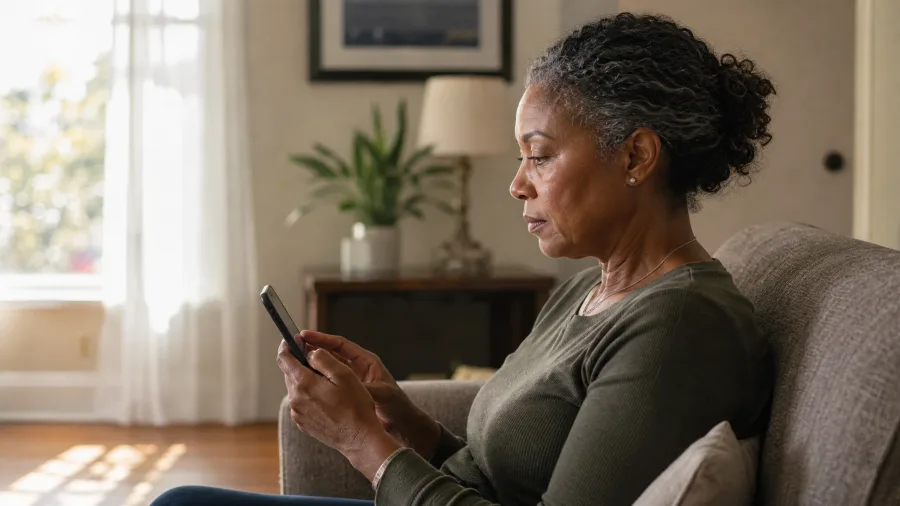
Orthosomnia is the clinical term for sleep anxiety caused by obsessive tracking of wearable data.
My personal experiment proved this instantly when a night of feeling fully rested produced a failing score, while a groggy, restless night received an excellent rating.
Consumer algorithms rely on proprietary formulas that shift with software updates, making daily comparisons meaningless.
Use your wearable for long-term behavioral trends over months rather than seeking daily validation or panic from a single morning score.
Wearable Data Action Guide
- Weekly HRV Trends — Look at rolling seven-day averages rather than daily single points.
- Daily Sleep Scores — treat individual scores as loose estimates, not absolute verdicts.
- Waking Up Panicked — Stop checking the app immediately upon opening your eyes.
Ignoring Daytime Inputs While Fixing Nighttime Habits

I initially hyper-focused on bedtime supplements like magnesium and melatonin while ignoring completely what I did during daylight hours.
Consistent morning sunlight exposure and moderate afternoon resistance exercise drive adenosine accumulation and anchor the circadian rhythm far more effectively than evening routines.
Treating sleep as a twenty-four-hour biological cycle rather than an isolated eight-hour event transforms the quality of your rest.
Get outside within an hour of waking for at least ten minutes without sunglasses to set your internal clock.
The Circadian Shift Transformation
Treating Agewise Recovery as a Static Target
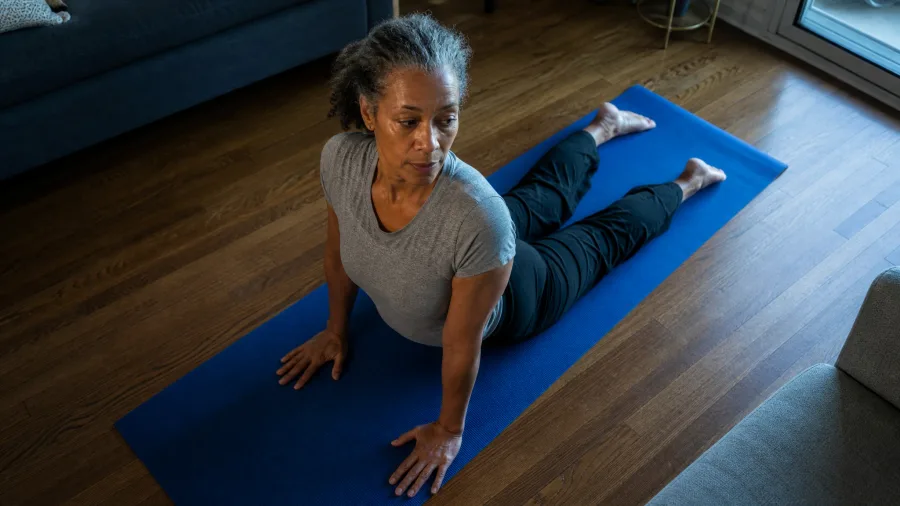
Comparing my fifty-six-year-old sleep metrics against benchmarks designed for twenty-five-year-old athletes was a losing battle from day one.
Hormonal shifts naturally alter core body temperature rhythms and sleep onset latency.
We must reframe success by measuring functional energy levels and cognitive clarity the following day instead of chasing arbitrary recovery percentages on a screen.
Listen to your physical capability rather than letting a wristband dictate your daily stamina.
Frequently Asked Questions
Are consumer sleep trackers accurate enough for adults over 50?
They provide reliable longitudinal trends for general movement and heart rate, but they remain inaccurate for precise sleep staging when compared to clinical lab studies.
Why do I wake up at 3 AM every night as I get older?
Declining deep sleep duration and natural shifts in cortisol and melatonin rhythms make mid-sleep awakenings far more common and entirely normal in midlife.
How long does it take to reset a disrupted circadian rhythm in midlife?
Consistent behavioral modifications, particularly morning light anchoring and structured daytime movement, typically show noticeable improvements within two to three weeks.
When should I consult a doctor about midlife sleep tracking data?
If persistent nighttime awakenings are accompanied by excessive daytime sleepiness, witnessed breathing pauses, or severe mood disturbances, consult a medical professional.
Resetting Your Nightly Baseline
Data is a tool for self-awareness, not a report card on how well you are aging.
Hide the morning score tomorrow, step outside into the morning light, and trust your own body's signals over any algorithm.

Meet Edward Green, the founder of GolfingGoal and a seasoned expert in golf. With years of experience on the course and a passion for the sport, Edward has a wealth of knowledge to share. As our Lead Writer, he contributes articles, tutorials, and resources to help readers to improve their skills and reach their full potential on the golf course. Join Our Team!