
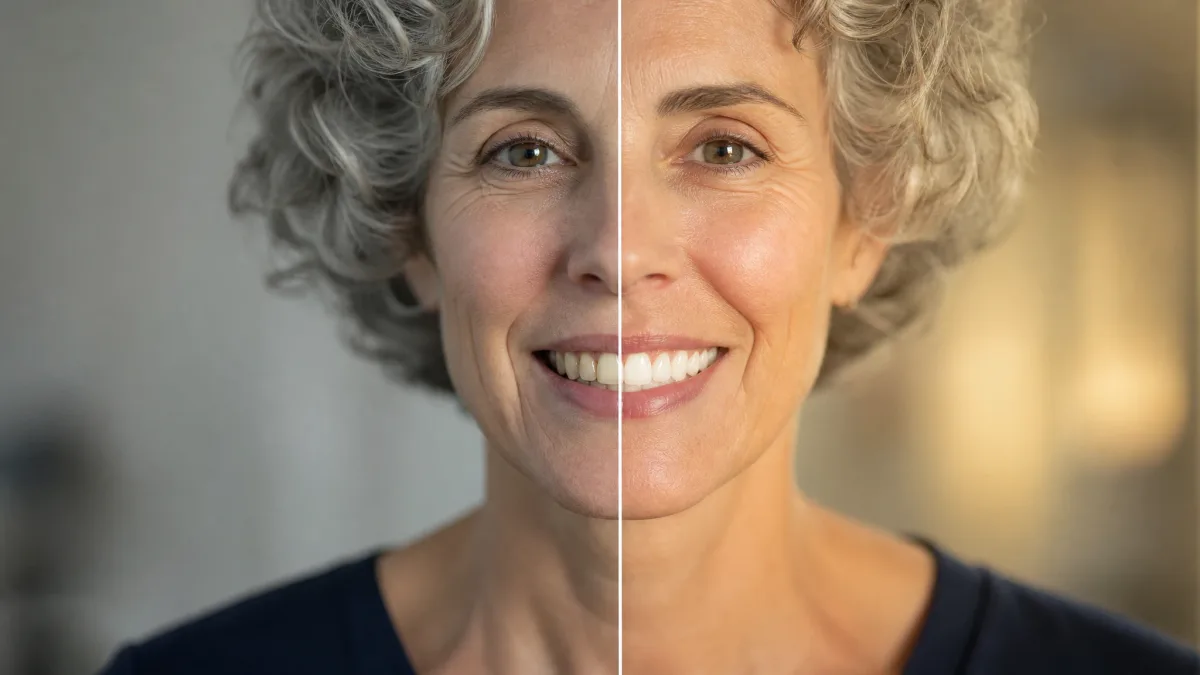
You step in front of the mirror, brush for the required two minutes, and assume your routine is safeguarding your dental health. Yet over time, subtle changes appear along your gum line and biting edges.
Aging teeth are rarely about chronological years alone. Hidden mechanical and chemical wear patterns accelerate dental aging far faster than nature intended.
Let us examine the three specific, overlooked habits that drive premature smile aging and how to correct them starting today.
⚠️ COMMON MISTAKE
Enamel Micro-Trauma Is Permanent
Aging teeth are not just about surface staining; they are about irreversible structural micro-trauma caused by daily habits.
The Biological Markers of Dental Youth vs. Wear

Understanding how teeth age begins with looking at the outer protective layer. Healthy enamel is slightly translucent, allowing the warm, yellowish dentin underneath to show through with a vibrant, natural depth.
As we age, this outer shell thins out considerably. That thinning process makes teeth appear more yellow, dull, and flat across the biting surfaces.
Gum line recession compounds the visual aging effect significantly. When gums pull back, they expose root surfaces that lack enamel entirely, changing the overall proportions of your smile.
The Numbers Behind Dental Wear
Key metrics in structural tooth preservation
Habit One: The Aggressive Scrub Technique
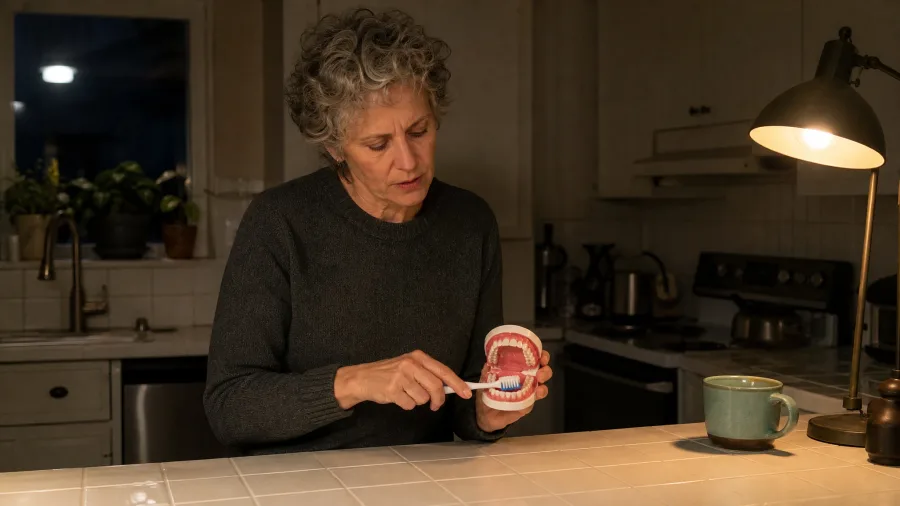
Many adults apply heavy hand pressure because they believe brute force removes plaque better. Your teeth are not kitchen tiles.
Aggressive horizontal sawing motions with a stiff-bristled brush abrade thin enamel margins and cause progressive gum recession known as cervical abrasion.
Switch immediately to a soft or extra-soft bristled manual toothbrush or an electric model with a built-in pressure sensor. Use short, gentle, sweeping strokes at a forty-five-degree angle toward the gum line.
Brushing Technique Showdown
The Aggressive Approach
- Using medium or hard bristle toothbrushes
- Scrubbing back and forth in harsh horizontal motions
- Applying heavy downward hand pressure
- Focusing purely on speed over coverage
The Preservation Method
- Using soft or extra-soft bristles exclusively
- Employing gentle circular or sweeping motions
- Letting electric pressure sensors guide your force
- Spending a full two minutes on all surfaces
Habit Two: Acid Exposure and Immediate Brushing
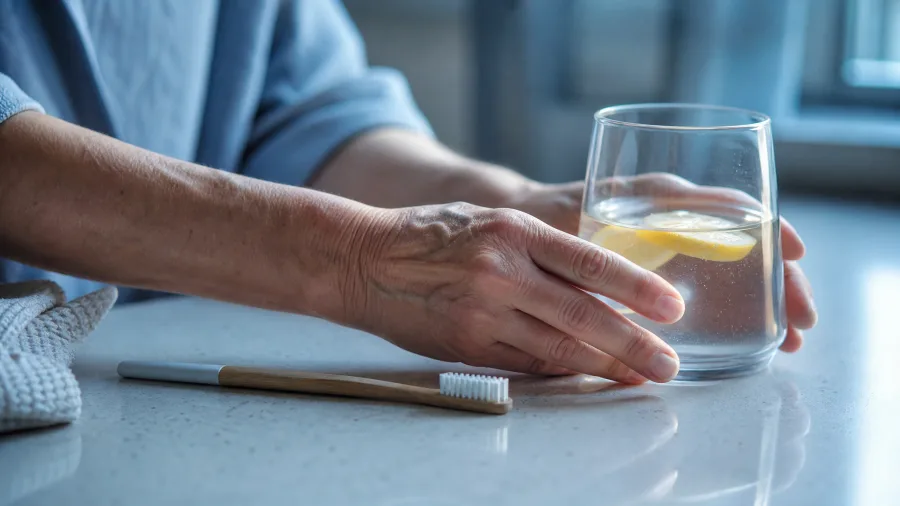
Dietary acids from citrus fruits, sparkling waters, and morning coffee temporarily soften your outer enamel shell. Brushing right after consumption grinds those acids directly into the softened surface.
Your saliva requires time to neutralize acids and remineralize the enamel matrix naturally.
Wait at least thirty minutes after consuming acidic foods or beverages before brushing, or simply rinse your mouth with plain water in the interim.
⏱️ The Acid Recovery Sequence
Acid Intake
Consuming citrus, coffee, or sparkling water lowers oral pH.
Enamel Softening
Outer mineral layers temporarily soften within minutes.
Water Rinse
Swishing plain water accelerates the neutralization process.
Remineralization
Saliva deposits minerals back onto the protected surface.
Safe Brushing
Thirty minutes pass before introducing mechanical friction.
Habit Three: Unrecognized Functional Parafunction

Daytime clenching and nighttime bruxism act as silent destroyers of dental architecture. Stress-induced jaw tension flattens cusps and creates microscopic crazing lines along biting edges.
Over years, this constant micro-trauma shortens teeth and alters facial support structures.
Schedule a professional evaluation for a custom night guard if you wake up with dull jaw aches or morning headaches. Practice mindful daytime positioning by keeping your lips together, teeth apart, and tongue resting on the roof of your mouth.
Habit Safety Lanes
- Soft Bristle Brushing — Protects delicate gum tissue and preserves thin enamel margins.
- Custom Night Guard Use — Absorbs nighttime grinding forces and prevents micro-fractures.
- Water Rinsing After Citrus — A helpful interim step while waiting for natural remineralization.
- Immediate Post-Coffee Brushing — Abrasive friction strips away acid-softened outer mineral layers.
- Unchecked Daytime Clenching — Flattens biting cusps and accelerates structural tooth shortening.
Where Dentistry Agrees: Preservation Over Intervention

Ask clinicians across any dental association and the consensus remains identical: natural enamel cannot regenerate once lost. Conservative habit control always outperforms invasive restorative procedures.
Veneers, crowns, and bonding carry financial and biological costs that pale in comparison to simple daily preventative adjustments.
Protecting your natural structural foundation preserves tooth vitality and facial harmony much longer than any cosmetic fix.
Dental Wear Risk Spectrum
Assess how different daily habits impact long-term structural integrity
- Water Rinsing: Zero abrasive risk; safe and supportive for oral pH balance.
- Soft Brushing: Minimal risk when paired with gentle circular motions.
- Whitening Toothpastes: Higher abrasivity levels can thin enamel over extended use.
- Aggressive Scrubbing: Accelerates gum recession and cervical enamel loss.
- Unmanaged Bruxism: Severe structural fracture risk without a protective night guard.
The Smile Self-Check: Are Your Habits Aging You?

Take a moment to audit your own dental hygiene routine using a few simple observational markers. Look closely at your front teeth in a well-lit mirror.
Check your incisal edges for signs of flattening, vertical micro-fracture lines, or translucent chipping along the tips. Inspect your toothbrush bristles after one month of use; if they flare outward wildly, your brushing pressure is too high.
Bring these observations to your next routine dental checkup to discuss targeted wear patterns with your practitioner.
Daily Prevention Flow
Your Seven-Day Habit Reset Plan
Best For Smile Preservation
Frequently Asked Questions
Can worn enamel grow back naturally once it is lost?
Enamel does not contain living cells and cannot regenerate once completely worn away. Remineralization can strengthen existing weakened mineral crystals, but severe structural loss requires professional restorative intervention.
Are electric toothbrushes safer for enamel than manual ones?
Electric toothbrushes with built-in pressure sensors are generally safer because they prevent aggressive scrubbing. The oscillating motion does the cleaning work, eliminating the temptation to push hard.
Does whitening toothpaste age or thin your teeth over time?
Many whitening formulas rely on high Relative Dentin Abrasivity ratings to polish away stains. Using highly abrasive pastes daily can gradually wear down thin enamel margins, so look for low-RDA alternatives.
How can I tell if I am grinding my teeth at night?
Morning jaw stiffness, dull temporal headaches, and noticeable flattening along the biting edges of your teeth are primary indicators of nocturnal bruxism. A dentist can confirm wear patterns during an exam.
What is the best way to clean teeth safely after drinking morning coffee?
Swish thoroughly with plain water immediately after finishing your cup to neutralize lingering acids. Wait at least thirty minutes before brushing your teeth with fluoride toothpaste to avoid enamel abrasion.
Small Tweaks, Lasting Smiles: Your Next Step
Preserving your smile's youth is not about expensive cosmetic interventions or complex regimens. It is simply about eliminating the daily mechanical and chemical habits that erode your natural enamel over time.
Start with one immediate change during your very next brushing session by lightening your grip and switching to soft bristles.

Meet Edward Green, the founder of GolfingGoal and a seasoned expert in golf. With years of experience on the course and a passion for the sport, Edward has a wealth of knowledge to share. As our Lead Writer, he contributes articles, tutorials, and resources to help readers to improve their skills and reach their full potential on the golf course. Join Our Team!