

You eat a massive leafy green salad every afternoon and skip the heavy dinners, but somehow your energy crashes by three o'clock and your knees ache on the stairs.
It is a common scenario after 50.
You assume you are doing everything right for your health, yet your body feels soft, recovery takes days, and fatigue lingers.
The problem often boils down to a silent protein deficit caused by age-related metabolic shifts.
Here is what is actually happening under the hood and how to fix it.
Why Protein Rules Change After 50

Your body stops processing amino acids with the efficiency it had in your thirties.
Researchers refer to this biological shift as anabolic resistance.
Because muscle tissue becomes less responsive to dietary protein, eating small, scattered amounts throughout the day no longer triggers muscle repair or synthesis. You need a higher concentration at a single sitting to flip that biological switch.
Compounding this issue is sarcopenia, the natural age-related loss of muscle mass that accelerates after age 50 at a rate of 3% to 8% per decade.
Stomach acid production also declines over time, reducing the active pepsin needed to break down dense proteins cleanly. To maintain muscle tone, joint stability, and daily vigor, your target intake must adapt.
💡 PRO TIP
Daily Target Intake vs. Standard RDA
The standard Recommended Dietary Allowance (RDA) of 0.8 grams per kilogram of body weight is built merely to prevent malnutrition, not to preserve aging muscle. Longevity researchers and geriatric specialists recommend 1.2 to 2.0 grams per kilogram daily (roughly 25 to 30 grams of high-quality protein per major meal) for optimal tissue maintenance past 50.
1. Unexplained Muscle Softness and Slower Exercise Recovery

You complete a moderate walk or light strength session and feel sore for three full days.
That is not just getting older.
When your systemic intake falls short, your body strips existing skeletal muscle to supply free amino acids to vital organs. This process leads to sarcopenic obesity, where weight on the bathroom scale remains stable, but your muscle-to-fat ratio shifts dramatically toward soft tissue.
You might notice subtle daily functional losses, like needing to push off your knees to stand from a deep couch or feeling unsteady carrying a heavy sack of potting soil across the yard.
💡 Tip: Aim for at least 30 grams of protein within 90 minutes of finishing a workout to supply the leucine needed for tissue repair.
Muscle Loss & Recovery — At a Glance
⏱️ Recovery Window
24–48 hours post-workout
🥩 Leucine Threshold
2.5g–3g per meal
📉 Sarcopenia Rate
3–8% loss per decade
⚠️ Warning Signal
Soreness lasting over 72 hours
Biological Trigger
Crossing the leucine threshold per meal is necessary to activate muscle protein synthesis in adults over 50.
2. Persistent Afternoon Sugar and Carb Cravings

A sudden craving for cookies or chips hits every day at 3:00 PM.
This is a blood sugar rollercoaster, not a lack of willpower.
Ingesting solid protein triggers the release of peptide YY and GLP-1, hormones that signal satiety to the brain while dampening the hunger hormone ghrelin. When meals consist primarily of fast-burning carbohydrates, blood glucose spikes quickly and plummets shortly after.
Your brain responds to that crash by demanding rapid glucose, driving intense sugar cravings that vanish when meals are anchored by adequate amino acids.
3. Brittle Nails, Thinning Hair, and Dry Skin
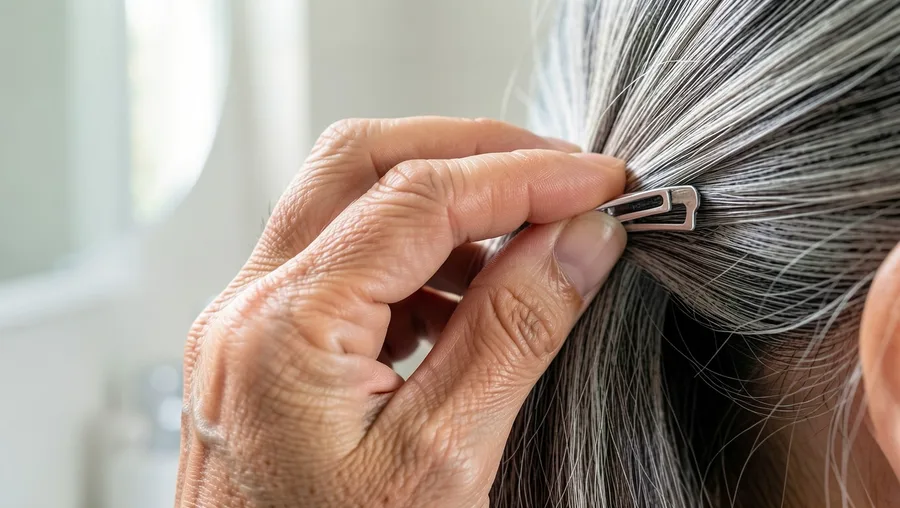
Your body operates an internal metabolic triage system.
When amino acid supplies run low, your physiology channels available protein to life-sustaining organs like your heart, liver, and lungs. Outer structural tissues made of keratin, collagen, and elastin are left to starve.
This shortage shows up visually as vertical ridges on fingernails, easy splitting, and accelerated hair shedding during washing.
It also compromises your skin's natural lipid barrier, causing chronic dryness that topical body lotions cannot fix.
Protein Myths After 50 Debunked
4. Frequent Sniffles and Slow Wound Healing

Minor paper cuts take weeks to heal, and every seasonal bug seems to catch hold.
Antibodies, immunoglobulins, and white blood cells are synthesized directly from amino acid chains.
When intake drops below maintenance levels, the immune system lacks the building blocks to mount rapid defenses against pathogens or assemble collagen lattices for wound repair.
If minor scrapes linger or colds drag on far past their expected timeline, insufficient protein is frequently the underlying culprit.
Protein Source Priority for Longevity
5. Brain Fog and Mood Swings After Meals

Sluggish thinking after lunch is not just an inevitable part of aging.
Neurotransmitters responsible for focus and emotional stability rely on precursor amino acids.
Tryptophan builds serotonin, while tyrosine creates dopamine and norepinephrine. Digesting protein delivers a steady stream of these raw materials to the brain while keeping blood sugar level.
A meal composed purely of simple carbs leaves you irritable, foggy, and reaching for a second cup of coffee by 2:00 PM.
Low Protein vs. Optimized Protein Outcomes
Low Protein Intake
- Prolonged soreness after basic exercise
- Mid-afternoon energy crashes & sugar cravings
- Thinning hair, brittle nails, dry skin
- Gradual accumulation of visceral abdominal fat
Optimized Daily Intake
- Rapid muscle recovery & stable joint support
- Sustained energy levels between major meals
- Strong structural tissues & resilient skin barrier
- Higher resting metabolic rate & lean mass protection
6. Stubborn Abdominal Weight Gain

You eat the same calories as five years ago, yet your waistline expands.
Protein has a Thermic Effect of Food (TEF) of roughly 20% to 30%, meaning your body burns almost a third of its calories just breaking it down.
Carbohydrates demand only 5% to 10% of their calorie value for digestion, while fats require 0% to 3%. Furthermore, as muscle mass drifts downward from insufficient intake, your Resting Metabolic Rate (RMR) drops.
Protecting lean muscle tissue with adequate protein keeps your baseline calorie burn higher, halting middle-age weight creep.
Where Experts Agree: Distribution Matters
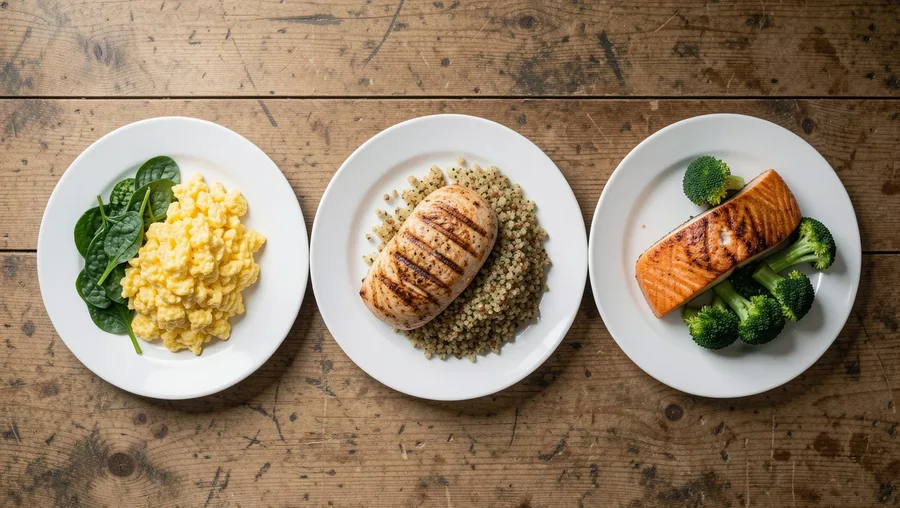
Saving all your protein intake for a large dinner steak is ineffective.
Your body cannot absorb and utilize 70 grams of protein in one sitting for muscle building; the excess gets oxidized for fuel.
To keep muscle protein synthesis active, aim for 25 to 35 grams of high-quality protein per meal across three main eating windows.
This balanced distribution ensures a steady supply of circulating amino acids throughout the waking hours.
⏱️ The Ideal Post-50 Protein Schedule
7:30 AM — Morning Anchor
Consume 25–30g of protein using Greek yogurt, eggs, or a quality whey isolate to halt overnight muscle breakdown.
12:30 PM — Midday Fuel
Aim for 30g of protein via grilled poultry, salmon, or a fortified tofu and lentil bowl.
3:30 PM — Craving Stopper
Snack on 10–15g of protein, such as a hard-boiled egg and a handful of almonds, to keep blood sugar stable.
6:30 PM — Evening Repair
Finish with 30–35g of protein to supply vital amino acids during overnight sleep recovery.
7-Day High-Protein Habit Builder
The 3-Step Protein Self-Check

Take sixty seconds right now to evaluate your current routine.
First, multiply your body weight in pounds by 0.6 to find your minimum daily target in grams.
Second, review your morning meal: did your breakfast contain at least 25 grams of protein, or was it mostly refined carbs?
Third, pick your primary physical signal—whether sore muscles, sugar cravings, or thin nails—and track it over the next three weeks as you raise your intake.
Quick Daily Swaps for More Protein
Frequently Asked Questions
Can eating too much protein harm my kidneys after age 50?
For adults with normal kidney function, scientific research consistently shows that higher protein diets do not cause renal damage. However, if you have pre-existing chronic kidney disease (CKD), you must consult your nephrologist for tailored dietary limits.
Is plant protein as effective as animal protein for muscle preservation?
Plant proteins can preserve muscle effectively, but they generally have lower concentrations of essential amino acids like leucine. To match animal sources, combine varied plant bases (such as grains with legumes) or increase your portion sizes slightly.
Should I use protein powders or rely strictly on whole foods?
Whole foods provide crucial micronutrients and fiber, making them the best foundation. However, protein powders (such as whey isolate, pea, or soy) are convenient tools to reach the 25g threshold at breakfast if you dislike eating heavy morning meals.
Does collagen powder count toward my daily protein goal?
Collagen supports skin elasticity and joint tendons, but it is an incomplete protein lacking tryptophan. It should be treated as a targeted functional supplement rather than your primary daily muscle-building source.
How soon will I notice energy and recovery improvements?
Blood sugar stability and reduced mid-afternoon cravings usually improve within 3 to 5 days. Muscle soreness recovery typically improves within two weeks, while structural changes in hair, nails, and body composition take 8 to 12 weeks.
Start With Your Very Next Meal
You do not need to overhaul your entire diet overnight.
Focus on fixing breakfast first: swap the morning toast for three eggs scrambled with spinach, or a cup of plain Greek yogurt topped with pumpkin seeds.
Once your morning meal hits that 25-to-30-gram threshold, your blood sugar stabilizes, afternoon cravings vanish, and your body gets the baseline raw materials it needs to protect your strength for decades to come.

Meet Edward Green, the founder of GolfingGoal and a seasoned expert in golf. With years of experience on the course and a passion for the sport, Edward has a wealth of knowledge to share. As our Lead Writer, he contributes articles, tutorials, and resources to help readers to improve their skills and reach their full potential on the golf course. Join Our Team!