
You notice a brief lapse in word retrieval during a casual conversation, and a quiet wave of worry settles in about your cognitive future. The multi-billion-dollar puzzle and supplement market promises quick fixes, yet neuroscientists point toward a much more accessible and powerful shield right in your daily community. Social engagement is not merely a pleasant pastime.
It acts as a primary modifiable lifestyle factor for building cognitive reserve. You can actively protect your neural networks through purposeful human connection.
Cognitive reserve is your brain's structural resilience against neuropathology, built by creating alternative neural pathways through complex interpersonal communication. When you engage in dynamic social interactions, your brain works hard to predict, interpret, and respond in real time. This article explores six specific, research-backed social patterns designed to modulate neuroinflammation and preserve your mental sharpness.
💡 PRO TIP
The Reserve Reality Check
Passive cognitive activities like watching television documentaries do not challenge your executive function the way active social discourse does. Real-time social engagement forces your brain to adapt to unexpected conversational turns.
The Social Circuitry of a Sharp Mind: Understanding Neural Resilience

Before looking at specific social habits, you need to understand the physical mechanism making human connection so vital after fifty. Your brain constantly remodels itself in response to environmental demands.
When you isolate yourself, those neural pathways receive fewer maintenance signals.
Interpersonal communication requires your prefrontal cortex to manage working memory, emotional regulation, and linguistic processing simultaneously. Researchers refer to this as social neuromodulation. It triggers the release of neurotrophic factors that support synaptic health.
Key Findings on Social Health
The hard numbers behind connection and brain health
1. Cultivating a Layered Network Beyond Immediate Family
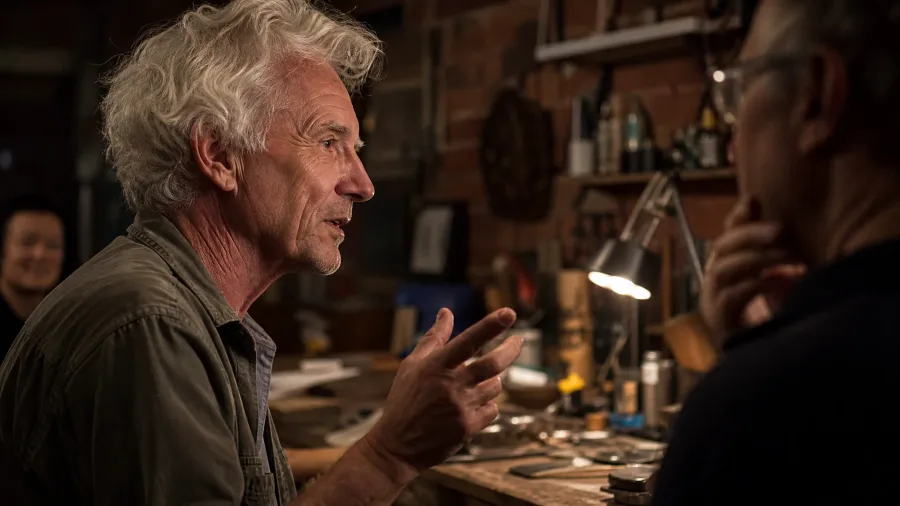
You might rely heavily on your spouse or primary caregiver for daily conversation, but relying on a single conversational partner under-stimulates your executive function over time. Dunbar's social spheres remind us that healthy aging requires maintaining peripheral relationships.
Casual acquaintances, community volunteers, and club members demand code-switching and novel perspective-taking.
Longitudinal aging studies consistently show that individuals with diverse, multi-tiered social circles exhibit slower rates of global cognitive decline compared to those with insular social webs.
💡 Tip: Aim to chat with at least two casual acquaintances outside your home every single week.
Best For Network Diversity
2. Prioritizing Intellectual Debates and Narrative Exchange

Small talk and polite pleasantries feel comfortable, yet they fail to trigger the deep cognitive friction needed to maintain mental agility.
Real mental stimulation comes from intellectual discourse requiring active working memory, hypothesis testing, and error-checking.
The psycholinguistic mechanism of conversational turn-taking requires your brain to simultaneously formulate a response, track social cues, and inhibit impulsive reactions. Gerontological data indicates that regular participation in intellectually stimulating discussions correlates with preserved verbal fluency.
💡 Tip: Bring an interesting article or book excerpt to your next meetup to spark a real debate.
Complex Conversation — At a Glance
⏱️ Duration
30 to 45 minutes per session
📅 Frequency
3 times weekly
🧠 Targets
Working memory and verbal fluency
⚠️ Avoid
Superficial small talk loops
💰 Cost
Free
Why It Works
Active debate forces your prefrontal cortex to process conflicting viewpoints in real time.
3. Committing to Purpose-Driven Community Roles
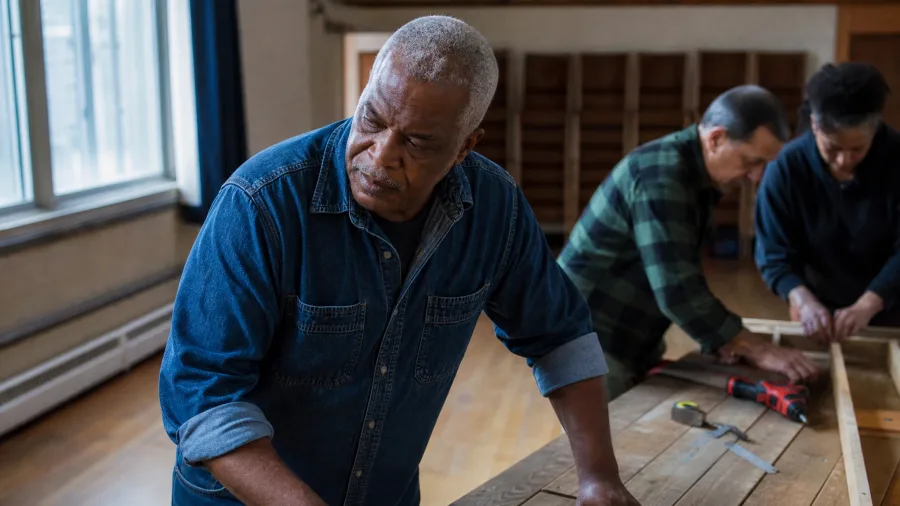
Retirement removes built-in professional structures, leaving a void that can lead to passive isolation if you do not replace it intentionally.
Structured volunteering imposes schedules, goal-directed tasks, and social accountability onto your weekly routine.
Altruistic behavior and community contribution lower chronic systemic inflammation and downregulate stress hormones like cortisol, which otherwise damage hippocampal structures over time. Aging cohorts demonstrate that structured volunteer work reduces the incidence of mild cognitive impairment.
💡 Tip: Commit to a fixed weekly volunteer shift to build automatic social accountability.
⚠️ COMMON MISTAKE
The Isolation Trap
Many retirees wait for social invitations to arrive passively in their inbox. You must treat community scheduling with the same discipline as a medical appointment.
4. Bridging Generational Divides Through Mentorship
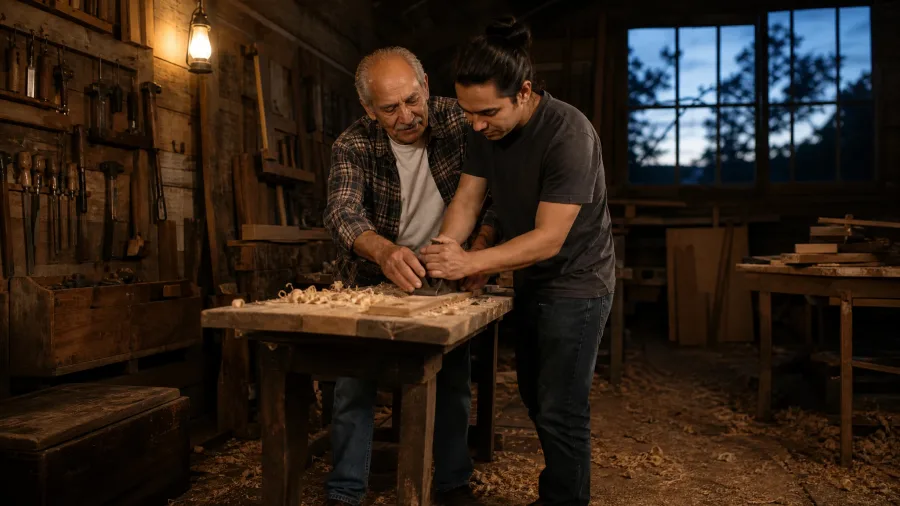
Interacting exclusively with peers of your exact age group creates predictable communication loops that limit cognitive novelty.
Mentoring younger adults or engaging in intergenerational family projects forces your brain to decode modern linguistic shifts and unfamiliar perspectives.
Bridging generational gaps enhances cognitive agility, processing speed, and mental adaptability because you cannot rely on shared generational shorthand.
💡 Tip: Offer your expertise to a local youth program or a young professional startup incubator.
Peer Group vs. Intergenerational Impact
Comparing cognitive novelty across social structures
5. Joining Collaborative, Skill-Based Social Groups

Pairing social interaction with a challenging cognitive task compounds your neurological gains significantly.
Choir groups, book clubs, language classes, and art workshops demand dual-tasking: you process social dynamics while mastering a new motor or artistic skill.
Clinical findings show that group-based educational programs yield better long-term cognitive retention than solitary study.
💡 Tip: Choose group classes where attendance is tracked to maintain your weekly consistency.
Social Learning Approaches
Solitary Practice
- Low social accountability
- Limited emotional feedback
- Faster rates of habit abandonment
- Zero conversational friction
Group Skill Classes
- Built-in peer accountability
- Active real-time communication
- Shared problem solving
- Enhanced neuroplastic stimulation
6. Mastering Constructive Conflict and Emotional Depth

Relationships are a double-edged sword. Toxic or chronically high-conflict relationships flood your brain with neurotoxins that impair memory over time.
Developing emotional regulation, forgiveness, and conflict-resolution skills transforms stressful friction into manageable emotional resilience.
Psychoneuroimmunology studies link stable, deeply communicative long-term bonds with lowered markers of systemic inflammation and preserved brain volume.
💡 Tip: Address minor interpersonal frictions early through calm, direct conversation rather than bottling stress.
The Shift in Relational Health
📅 Your 30-Day Social Brain Action Plan
Week 1
Audit your current weekly interactions and identify your main isolation gaps.
Week 2
Sign up for one structured community class or regular volunteer shift.
Week 3
Initiate a weekly coffee date focused on deep, intellectual discussion.
Week 4
Establish a habit of resolving minor social friction with calm clarity.
The Quality-Quantity Equation: What Gerontologists Agree On
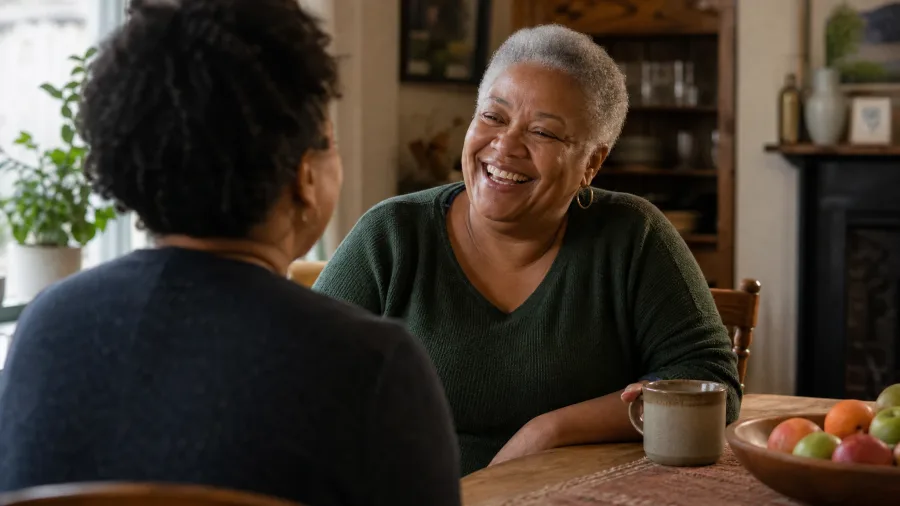
Sheer social volume without emotional safety or intellectual depth does little to protect your cognitive health.
Loneliness acts as an independent neurodegenerative risk factor comparable to physical inactivity.
Perceived subjective loneliness matters far more than simple physical isolation. Cultivating two or three deeply engaged, intellectually demanding relationships outweighs dozens of superficial encounters every single time.
Social Habit Traffic Light
- Multi-Tiered Community Groups — Builds diverse neural pathways and robust cognitive reserve.
- Passive Small Talk Loops — Friendly but lacks the intellectual friction needed for brain stimulation.
- High-Conflict Isolation — Floods the brain with cortisol and accelerates cognitive fatigue.
Your Social Health Audit: Where Does Your Routine Stand?

You need an honest assessment of your current weekly schedule to see where your brain might be missing crucial stimulation.
Evaluate your network diversity, your conversational depth, and your community involvement frequency.
Identify whether you have slipped into an insular comfort zone with predictable daily interactions, then select one high-intensity habit to introduce over the coming month.
Frequently Asked Questions
Can introverts protect their cognitive health without maintaining large social circles?
Yes, absolutely. Introverts thrive on deep, one-on-one connections that fulfill cognitive reserve requirements without draining their personal energy reserves.
Do virtual video calls provide the same cognitive benefits as face-to-face interactions?
Virtual calls offer meaningful support, but in-person contact engages micro-expression processing and spatial awareness that screens often miss.
At what age do these social habits start making a measurable difference?
Neuroplasticity operates across your entire lifespan, meaning mid-life and late-life social interventions both yield powerful protective benefits.
How many hours of weekly social engagement are recommended by researchers?
There is no rigid hourly quota. Consistency, emotional depth, and intellectual stimulation matter far more than total clock hours.
Weaving Connection Into the Fabric of Everyday Life
Protecting your cognitive health is not a solitary chore confined to crossword puzzles. It is a shared human experience rooted in community, conversation, and mutual support.
Reach out, spark a complex discussion, or join a new community group this week to start building your cognitive reserve.

Meet Edward Green, the founder of GolfingGoal and a seasoned expert in golf. With years of experience on the course and a passion for the sport, Edward has a wealth of knowledge to share. As our Lead Writer, he contributes articles, tutorials, and resources to help readers to improve their skills and reach their full potential on the golf course. Join Our Team!