

You sit at the kitchen table, keys in hand, and suddenly draw a blank on why you walked into the room.
That brief flash of panic is enough to make anyone wonder about the long-term resilience of their own mind.
Genetics play a role, but daily lifestyle architecture dictates how your brain handles the passage of time.
We are looking past passive aging theories to examine a specific, actionable 30-minute daily window that acts as a powerful catalyst for neural maintenance.
💡 PRO TIP
What is Cognitive Reserve?
Cognitive reserve is your brain's built-in resilience against neuropathological damage. It acts like a neurological savings account, allowing your neural networks to find alternate pathways when age-related decline or pathology begins to accumulate.
The Cognitive Reserve Paradox and Brain Plasticity
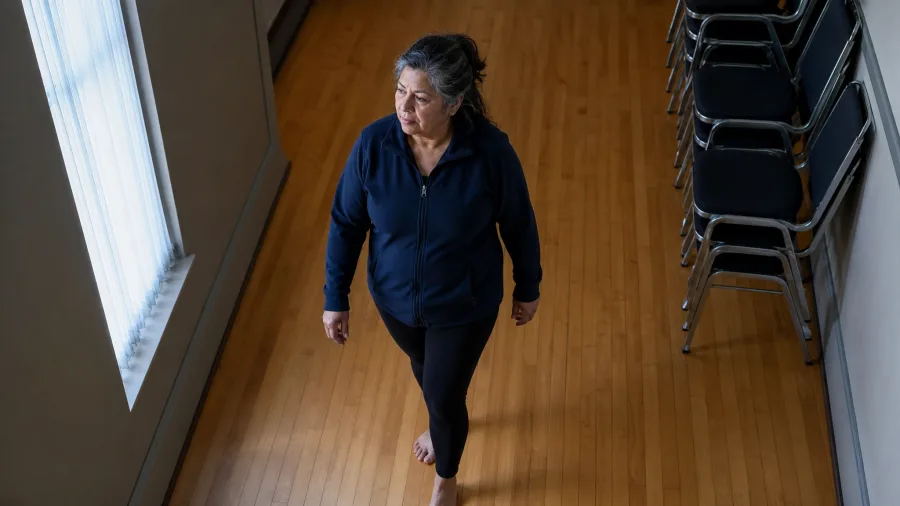
For decades, medical dogma treated the adult brain as a fixed structure that simply deteriorated on a predetermined timeline.
Modern neuroplasticity research completely shatters that pessimistic model by proving that neural pathways continue to adapt, prune, and strengthen well into your later decades.
The difference between rapid cognitive decline and lifelong mental sharpness often comes down to the deliberate accumulation of cognitive reserve through specific daily movement triggers.
Cognitive Decline Misconceptions
The 30-Minute Threshold: What Happens Inside the Brain

When you maintain a steady, moderate pace for half an hour, your physiological systems undergo a profound cascade of beneficial changes.
Your heart rate elevates just enough to increase cerebral blood flow, washing fresh oxygen and vital nutrients through delicate brain tissues.
This mechanical increase in blood flow physically helps clear out metabolic waste products, including the beta-amyloid proteins associated with Alzheimer's disease.
Simultaneously, your brain begins to upregulate Brain-Derived Neurotrophic Factor, often described as fertilizer for the mind.
The 30-Minute Neurological Cascade
⏱️ Activation Time
Minutes 10 to 30
🌊 Blood Flow
+15% cerebral perfusion
🌱 Molecule Released
BDNF and VEGF surge
🧹 Waste Clearance
Beta-amyloid flushing
Mechanism
Sustained moderate movement switches on the cellular repair genes.
Why Duration Trumps Intensity for Long-Term Protection

The fitness industry loves to push high-intensity exhaustion, but your brain responds much better to steady, repeatable consistency.
Pushing yourself to absolute physical exhaustion spikes cortisol and triggers systemic stress responses that counteract neuroprotective gains.
Maintaining a conversational pace for thirty consecutive minutes keeps your nervous system in an optimal zone for cellular repair and maintenance.
This steady-state approach ensures that your body triggers cumulative epigenetic adaptations without wearing down your joints or burning out your motivation.
Exertion Versus Brain Protection Spectrum
Finding the sweet spot for sustainable neurological health
- Sedentary Couch Rest: Zero vascular stimulation or waste clearance benefits.
- Brisk Conversational Walk: Optimal zone for BDNF release, stress reduction, and daily consistency.
- Maximal Sprinting / Burnout: High cortisol spikes and injury risk that hamper daily compliance.
Structuring the Window: Frictionless Habit Integration

Knowing the science is easy, but making a thirty-minute commitment stick amidst a busy schedule requires deliberate environmental design.
Relying on sheer willpower is a losing battle because decision fatigue will eventually sabotage your best intentions.
Anchor your new movement block directly to an existing daily anchor, such as stepping out immediately after finishing breakfast or right when you log off work.
Set out your walking shoes and jacket the night before so visual cues eliminate morning friction and automate your choice.
📅 The 30-Day Habit Installation Blueprint
Week 1: Anchor and Cue
Attach your 30-minute walk to an existing daily trigger like morning coffee.
Week 2: Protect the Time
Treat the slot as a non-negotiable medical appointment on your calendar.
Week 3: Add Environmental Richness
Introduce new routes or educational audio to engage active neural pathways.
Week 4: Automatic Routine
Experience the shift where skipping the walk feels stranger than doing it.
Where Neurology Agrees: The Lifestyle Ecosystem

Physical movement is a powerful anchor, but it cannot single-handedly protect your brain if the rest of your daily ecosystem is broken.
Neurological consensus points to a triad of foundational pillars: daily aerobic movement, deep restorative sleep, and a nutrient-dense diet.
When you combine your daily walk with quality sleep and whole-food nutrition, the synergistic effect multiplies your protection against cognitive decline.
Viewing movement as part of an interconnected web rather than a magic bullet ensures you make meaningful adjustments across your entire lifestyle.
The Personal Assessment: Is Your Routine Brain-Protective?

Auditing your current weekly routine reveals whether your daily habits genuinely support long-term neural maintenance.
Take an honest look at how many consecutive days you achieve a full thirty-minute block of moderate, purposeful movement.
Identify whether your current routine raises your heart rate into the optimal zone or if you are mostly engaging in low-effort sedentary pacing.
Use this self-audit to pinpoint exact friction points and adjust your schedule before minor inconsistencies turn into permanent drop-offs.
Habit Audit: Protective Versus Reactive Patterns
Brain-Protective Habits
- Consistent 30-minute daily movement window
- Conversational intensity maintained throughout
- Environmental variety and novel routes
- Anchored to existing daily routines
Vulnerable Patterns
- Sporadic weekend-only workout binges
- Total daily sitting time exceeding 8 hours
- Relying on erratic motivation instead of cues
- Treating exercise as an optional chore
Investment Versus Return Analysis
Key Neurological Takeaways
Best Practices for Success
Frequently Asked Questions
Does breaking the 30 minutes into three 10-minute walks provide the same benefits?
Yes, accumulated movement throughout the day still delivers meaningful cardiovascular and metabolic benefits. However, a continuous 30-minute block provides a deeper sustained surge in BDNF and cerebral blood flow.
Do alternative forms of exercise like swimming or cycling match walking benefits?
Any form of steady-state aerobic movement that elevates your heart rate safely will trigger similar neuroprotective cascades. Choose the activity you enjoy enough to repeat every single day.
Is it too late to start building cognitive reserve if I am already in my seventies?
Neuroplasticity remains active throughout your entire life, and research shows that starting a regular movement habit at any age yields measurable improvements in brain function and physical vitality.
How long does it take for neuroplastic changes to begin manifesting?
Immediate improvements in blood flow happen during your very first walk, while structural changes in hippocampal volume and enhanced synaptic connectivity typically show up within two to three months of consistent practice.
Your Next Step on the Path
Brain preservation is never built through dramatic life overhauls or expensive quick fixes.
It accumulates quietly through the compound interest of a daily thirty-minute movement habit that protects your cognitive future.
Schedule tomorrow's walking window on your calendar right now, and treat it as the most important appointment of your day.

Meet Edward Green, the founder of GolfingGoal and a seasoned expert in golf. With years of experience on the course and a passion for the sport, Edward has a wealth of knowledge to share. As our Lead Writer, he contributes articles, tutorials, and resources to help readers to improve their skills and reach their full potential on the golf course. Join Our Team!