
The visible signs of aging on your hands do not appear overnight; they are the cumulative result of years of daily habits, slowly compounding unnoticed. You might meticulously care for your face, then catch sight of your hands in a certain light, and realize they tell a different story – one of unexpected spots, fine lines, and a thinner, less resilient texture.
This perceived aging is rarely an unavoidable part of getting older. Instead, it often reflects seemingly minor daily actions that, over time, accelerate their visible wear. Dermatologists and physical therapists consistently point to a few key habits that speed up this process.
Understanding these patterns is the first step toward regaining control. By the end, you will know exactly which specific daily actions are prematurely aging your hands, and how simple, targeted changes can help them maintain a smoother, more youthful appearance.
Unprotected Sun Exposure Breaks Down Skin

Unprotected sun exposure is the single biggest factor in rapidly aging hands, far more than most people realize. Ultraviolet (UV) radiation from the sun aggressively breaks down the essential structures that keep your hand skin smooth and firm, leading to the early appearance of age spots, wrinkles, and a visibly thinner skin texture.
This isn't just about tanning; it's a profound structural change that happens over time. Specifically, UVA rays penetrate deep into the skin, attacking the collagen and elastin fibers that provide plumpness and elasticity.
This deep damage contributes to the thinning skin and prominent wrinkles many of us notice on our hands after 50, where the skin loses its natural resilience.
UVB rays, on the other hand, primarily affect the skin's surface. They are responsible for sunburn and the dark, uneven pigmentation often called 'age spots' or 'liver spots' that appear across the back of the hands.
Over years, this relentless UV exposure directly compromises the skin's ability to renew itself. The collagen and elastin that are damaged simply aren't replaced at the same rate they were in your younger years.
This leads to reduced skin elasticity and firmness, which gives hands that characteristic crepey look and more pronounced lines. These visible markers are a clear sign of cumulative damage, making hands appear decades older than they are.
Sun Damage on Hands — Severity Scale
How different types of UV exposure contribute to visible hand aging.
- Incidental Exposure (Driving, Short Walks): Daily brief exposure causes slow, cumulative damage over decades.
- Occasional Sunbathing/Gardening: Intense, unprotected sessions accelerate collagen breakdown and pigmentation.
- Chronic Outdoor Work/Hobbies: Consistent, prolonged exposure without SPF leads to severe aging signs fast.
Severity reflects the rate of visible aging and accumulated damage.
Skipping Daily SPF Allows Cumulative Damage
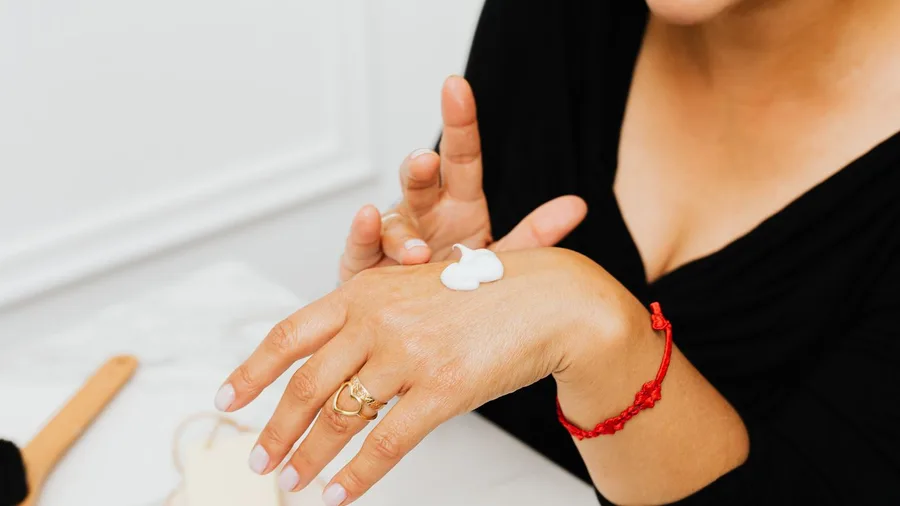
Daily sunscreen on your hands is truly that important, because even brief, incidental sun exposure adds up to significant UV damage over time, making your hands appear years older than they need to. It's not just about dedicated time outdoors; it's the everyday moments.
Consider driving: your hands are often on the steering wheel for minutes or hours, absorbing UV through the windshield. Short walks, errands, or simply sitting near a window all contribute to this daily accumulation.
These regular, short bursts of exposure accumulate silently for decades, especially as the skin's natural repair processes slow after 40. Eventually, this sporadic damage becomes visibly clear as increased dark spots, more prominent fine lines, and a tougher, more weathered texture across the back of your hands.
These changes collectively make hands look less supple and significantly older, reflecting years of unprotected exposure rather than natural aging. Consistent protection matters.
Physical therapists and dermatologists often point to broad-spectrum SPF 30 as the minimum daily standard. Apply a generous amount to the back of your hands each morning, and reapply every two hours if you are spending extended time outdoors, even on cloudy days. This habit genuinely helps shield your hands from the daily onslaught of UV, visibly slowing the development of sun-induced aging.
Hand Protection — The Daily Plan
🧴 Daily Dose
Full finger-length per hand
🧼 Reapply After
Every hand wash
🌘 Aging UV
UVA causes spots & wrinkles
💨 Preferred Formula
Fast-drying, non-sticky lotion
Why It Matters
Skin's repair processes slow after 40, making cumulative UV damage more visible and harder to reverse.
Frequent Harsh Cleansing Damages Skin Barrier
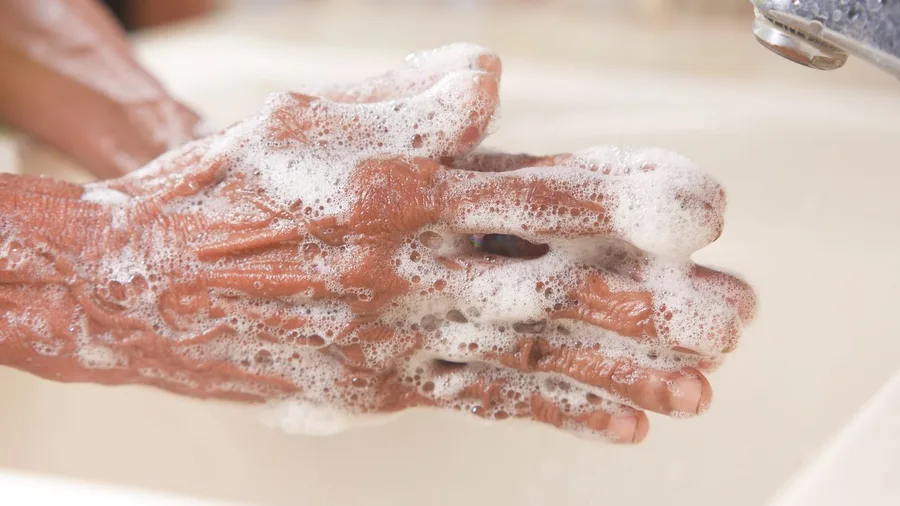
Washing your hands too often with strong soaps and hot water can absolutely accelerate their visible aging, primarily by stripping away the skin's natural protective oils and damaging its crucial lipid barrier. This isn't just about clean hands; it's about maintaining skin integrity over decades.
Your skin barrier is a complex shield of lipids and cells that keeps moisture in and irritants out. Frequent washing, especially with hot water, dissolves these natural oils.
This compromises your natural defenses.
Dermatologists note that this disruption leads to increased transepidermal water loss (TEWL), meaning your skin struggles to hold onto moisture. The result is chronically dry, rough, and less supple hands, a texture that visually emphasizes fine lines and makes skin appear older.
Many common detergents and hand soaps, particularly those with sulfates, are designed to be highly effective at cleaning but are also aggressive. They strip away lipids, leaving your hands vulnerable to irritation and cracking.
As we age, our skin's ability to rebuild this barrier slows down. So, a compromised barrier not only increases sensitivity to everyday irritants but also accelerates the moisture loss that makes existing wrinkles and texture irregularities far more noticeable, contributing to that weathered look on your hands.
⚠️ COMMON MISTAKE
Skip the Squeaky Clean
If your hands feel 'squeaky clean' after washing, your soap is too harsh. This sensation means the natural oils protecting your skin barrier have been completely stripped away, leading to dryness and accelerated aging.
Chemical Exposure Without Gloves Irritates
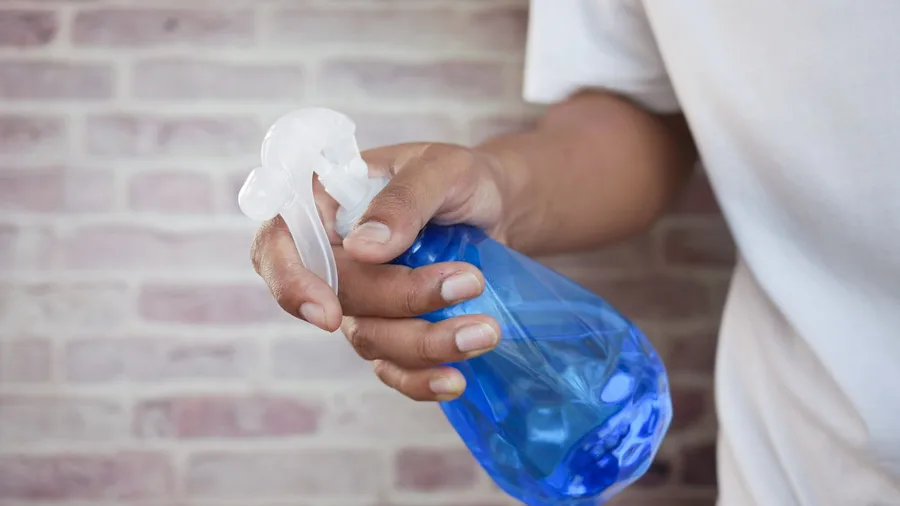
Direct contact with household chemicals without protective gloves severely irritates and dries out hand skin, adding another layer of damage beyond frequent washing and visibly accelerating hand aging.
Many everyday cleaners contain harsh agents that strip the natural oils from your skin, leading to premature hand aging. Think about concentrated dish soap, oven cleaners, and paint thinners, along with common bleach solutions.
These chemicals aggressively dissolve the skin's protective lipid layer, which is essential for holding moisture. This breakdown results in noticeable redness, flaking, and itching, leaving your hands with a visibly damaged, older-looking texture.
Physical therapists and dermatologists consistently see hands affected by these exposures. Without that lipid barrier, your hands are more vulnerable to environmental stressors, which can make fine lines and dark spots appear more pronounced.
Consistent use of appropriate protective gloves is essential for creating a physical barrier. Rubber gloves for washing dishes or nitrile gloves for cleaning with stronger agents are effective.
This simple step prevents direct chemical irritation, visually protecting your hands and maintaining their appearance over time. It's an easy habit that pays off with healthier-looking skin.
For tasks like gardening, thicker work gloves shield against both chemical residue from soil treatments and physical abrasion.
Protective Gloves: The Key Facts
Inconsistent Hand Hydration Leads to Dryness
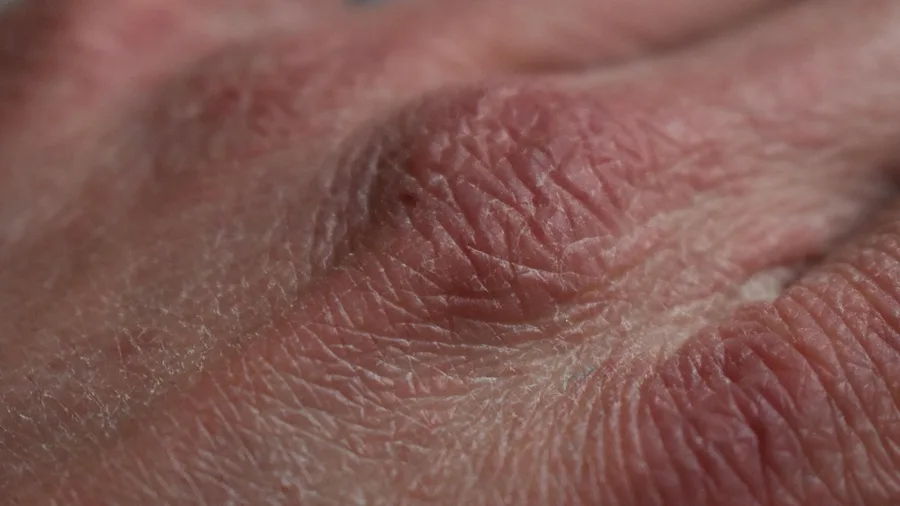
Failing to regularly moisturize allows your hand skin to become chronically dry, which drastically emphasizes existing wrinkles and makes your hands appear significantly older.
After 40, our skin naturally produces fewer oils, and the skin barrier can become less efficient at retaining moisture. Inconsistent hydration exacerbates this, making hands look dull, rough, and crepey.
Moisturizers work by reducing transepidermal water loss, forming a protective layer that locks existing moisture in and often draws more from the air. This helps to counteract the environmental drying factors our hands face daily.
The best hand creams for maturing skin include ingredients like ceramides, which rebuild the skin's barrier, and humectants such as hyaluronic acid and glycerin, which pull moisture into the skin. This combination supports suppleness and resilience.
For visible benefits, apply hand cream immediately after washing your hands to seal in moisture, and reapply several times throughout the day. I started carrying a travel-sized tube in my bag at 47, and it made a tangible difference.
This routine helps to visibly plump the skin and significantly reduces the appearance of fine lines within a few weeks, making your hands look smoother and more hydrated.
Consider a thicker balm at night for an intensive moisture treatment while you sleep.
🧴 Your Daily Hand Hydration Ritual
Post-Wash Recharge
Apply a pea-sized amount of cream immediately after every hand wash.
Mid-Day Boost
Reapply hand cream whenever your hands feel tight or dry.
Night-Time Repair
Use a thicker balm or cream before bed for overnight rejuvenation.
Glove Protection
Wear cotton-lined gloves over balm for intensive hydration during sleep.
Ignoring Hands in Skincare Routine Misses Benefits
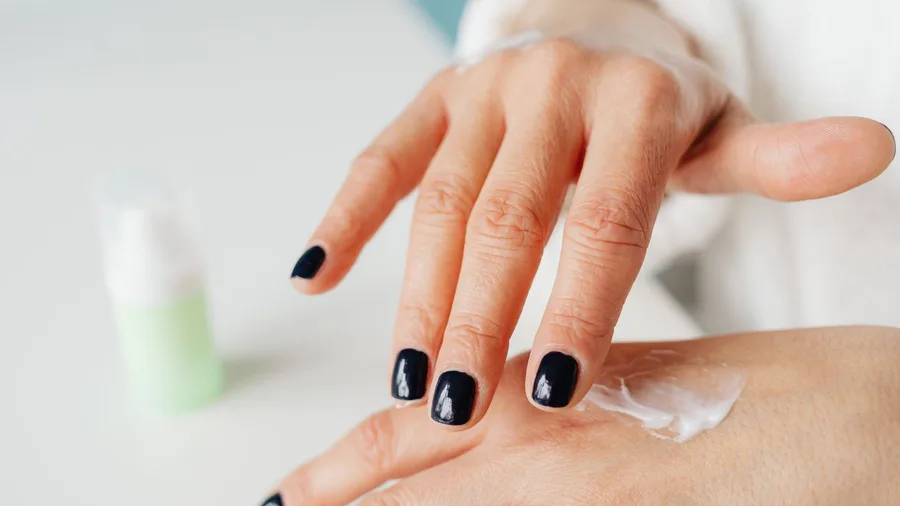
Neglecting your hands in your daily skincare routine means missing out on the significant benefits of anti-aging ingredients often reserved for the face, which can visibly improve their appearance.
While many of us diligently apply serums and creams to our faces and even necks, our hands are frequently overlooked, despite being constantly exposed to environmental damage.
Hands can benefit immensely from active anti-aging ingredients commonly found in facial skincare products. Think of retinoids for encouraging cell turnover, Vitamin C for brightening and evening skin tone, and AHAs for gentle exfoliation.
These ingredients are designed to improve skin texture, reduce hyperpigmentation, such as sun spots, and promote the production of collagen. This process helps restore firmness and elasticity, making the skin on your hands appear smoother and more even.
Using your existing facial retinoid cream on your hands a few nights a week can make a visible difference in texture and tone over six to eight weeks, although initial dryness is common.
You can extend your facial products to your hands, or look for hand-specific creams that contain similar active ingredients. Just remember the delicate skin on your hands may need a slightly lower concentration or less frequent application than your face to start.
💡 PRO TIP
Don't Waste the Leftovers
When you finish applying your facial serum or cream, instead of wiping the excess on a towel, smooth it onto the backs of your hands. This ensures anti-aging ingredients like retinoids or Vitamin C aren't wasted and benefit your hands too.
Repetitive Physical Strain Causes Micro-Trauma

Repetitive physical strain truly makes your hands look older.
Beyond chemical exposure and skincare neglect, certain occupations and hobbies involving consistent hand movements and friction cause micro-trauma, a type of tiny but cumulative damage to your skin and the tissues beneath it.
This constant impact and rubbing directly affect skin elasticity and the health of your joints.
Consider daily habits like prolonged gardening, the rhythmic tapping of excessive typing, or the firm grip required for sports like tennis or golf. These actions repeatedly stress skin cells and connective tissue.
This ongoing micro-trauma hinders your skin's natural repair process, which becomes less efficient as we move through our 40s, 50s, and beyond.
The cumulative effect is a visibly weathered appearance, showing up as thickened skin, noticeable calluses, and a rougher, less supple texture that contributes to an overall aged look on your hands.
Joint changes can also contribute.
Protecting Hands from Repetitive Strain
Avoid Doing
- Barehand scrubbing with abrasive tools
- Gripping sports equipment too tightly
- Prolonged, uninterrupted typing
- Ignoring hand pain or stiffness
Start Doing
- Use soft brushes for cleaning
- Adjust grip for less tension
- Take regular hand/wrist breaks
- Gentle hand stretches daily
Lack of Protection During Manual Tasks Exposes Skin
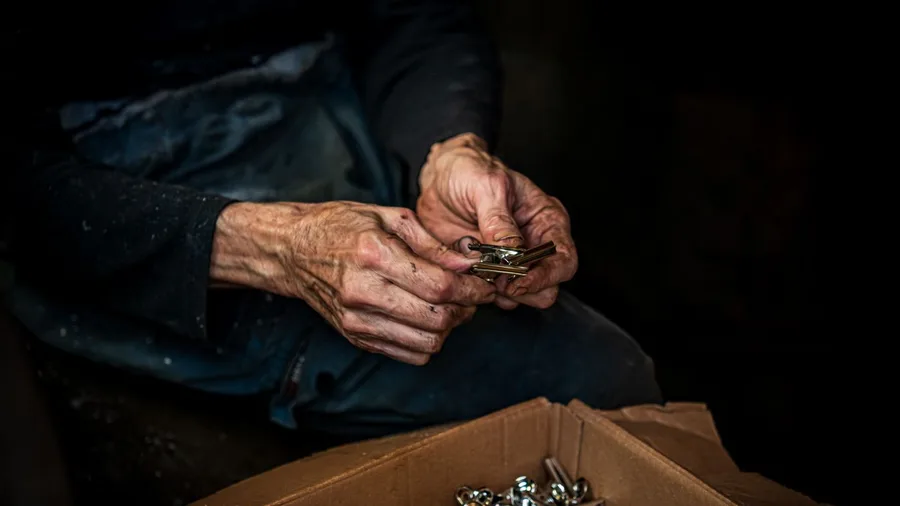
While repetitive strain causes specific micro-trauma, a broader lack of protection during various manual tasks exposes your hands to a multitude of other physical aggressors every day.
Gloves are your first line of defense.
Not wearing appropriate protective gloves during chores, DIY projects, or other hands-on activities leaves your skin vulnerable to abrasion, ingrained dirt, harsh chemicals, and even extreme temperatures.
Consider tasks like scrubbing dishes, tackling garden beds, or using potent household cleaners.
These scenarios, along with DIY repairs or prolonged exposure to cold weather, can directly lead to cuts, scrapes, environmental damage, and significant dryness, all contributing to visibly rougher and older-looking hands.
Different tasks need different gloves.
Rubber gloves are essential for wet work and chemical contact, while cotton-lined options offer comfort and mild protection for lighter tasks, and insulated gloves are key for cold conditions.
Using the right type creates an effective physical barrier that preserves your hands' smoother, less aged appearance over time.
Frequently Asked Questions
Why do hands show age faster than my face?
Hands have thinner skin, fewer oil glands, and are almost constantly exposed to sun, chemicals, and physical tasks. Unlike the face, hands rarely benefit from consistent SPF or anti-aging treatments, making them more vulnerable to premature aging.
Can I reverse age spots on my hands?
While complete reversal is difficult, you can significantly lighten age spots with consistent use of broad-spectrum SPF, Vitamin C serums, and retinoids. Professional treatments like laser therapy or chemical peels can also offer more dramatic results.
How often should I moisturize my hands?
Ideally, you should moisturize your hands immediately after every wash, and then several additional times throughout the day, especially after any task that might dry them out. Keep a tube of hand cream by every sink and in your bag.
Are there specific ingredients I should look for in hand cream?
Look for ingredients like ceramides, hyaluronic acid, glycerin, shea butter, and dimethicone for hydration and barrier support. For anti-aging benefits, seek out Vitamin C, niacinamide, and retinol (if your skin tolerates it) in your hand care products.
Does wearing rings contribute to hand aging?
While rings themselves do not directly age hands, the area underneath them can be neglected during washing and moisturizing, leading to uneven skin tone or dryness. Always remove rings to properly clean and hydrate the entire hand area.
Giving Your Hands the Care They Deserve Today
Protecting your hands from premature aging ultimately comes down to a few critical shifts: consistent, broad-spectrum sun protection, gentle cleansing paired with diligent moisturizing, integrating active skincare ingredients, and always wearing gloves for chemical and physical tasks.
By adopting these deliberate habits, you can directly combat the environmental and mechanical factors that make your hands appear older, addressing that initial jarring realization of hands that look decades beyond how you feel, and allowing them to better reflect the youthful energy you still carry.
Consider extending your daily SPF to your hands, and keep a pair of gloves by the sink. Your hands will visibly benefit from this consistent care.
Start Protecting Your Hands Today
Review your daily routine and pick just one habit from this article to change. Small, consistent steps make the biggest difference in visible hand aging.

Meet Edward Green, the founder of GolfingGoal and a seasoned expert in golf. With years of experience on the course and a passion for the sport, Edward has a wealth of knowledge to share. As our Lead Writer, he contributes articles, tutorials, and resources to help readers to improve their skills and reach their full potential on the golf course. Join Our Team!