

The standard explanation for an over-indulgent grandparent is that spoiling a child is simply fun. What drives relentless over-giving, though, is rarely about the child in the room; it is an automatic reflex rooted in the material scarcity and rigid rationing of their own early years.
You look at a living room flooded with unrequested toys, contraband treats, and waived bedtimes, handed down by someone who raised you under strict austerity. The indulgence is not an intentional revolt against your authority as a parent. It is an unexamined attempt to rewrite an early life marked by deprivation.
Recognizing that reparative urge allows you to set firm boundaries without triggering family warfare, redirecting material excess into structured, lasting connection.
Correcting the Spoiling Dynamic
The Reparative Urge to Heal Early Childhood Scarcity
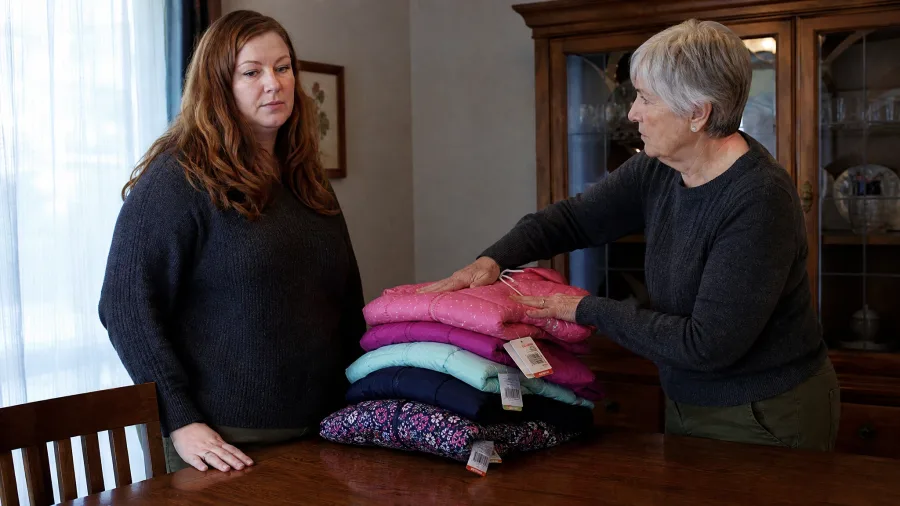
Grandparents often overindulge children because offering someone else the abundance they were once denied provides an immediate, powerful sense of emotional relief.
When an individual grows up under strict material rationing, financial insecurity, or emotional absence, that deficit leaves an enduring mark. It follows them into adulthood as an unconscious reflex, driving an urgent need to make sure the next generation never experiences a single limitation or an empty cupboard.
The excess is rarely about the grandchild at all.
A grandmother who owned only one thin coat throughout her school years might purchase five designer winter jackets for a toddler whose wardrobe is already overflowing. The act does not reflect the child's daily reality; it functions as a unilateral attempt to rewrite a cold personal history.
Intentional giving stays attuned to what a child genuinely requires, whereas compulsive overcompensation serves primarily to soothe the giver's unresolved past, regardless of how many toys already sit on the rug.
Gift-Giving Motivations Compared
Assessing the primary driver behind excessive purchases
Vicarious Joy and Soothing the Inner Child

Watching a grandchild light up with unfiltered delight offers an immediate sense of emotional soothing that quiets old, unresolved childhood distress.
When grandparents hand over a treat or an expensive toy, they frequently project their own younger, vulnerable self onto the child in front of them. In that moment, they are not just watching someone else receive a gift; they are experiencing the generosity as if it were finally being handed to them.
They are buying what they once longed for.
A grandfather who was forbidden from playing Little League might load up a reluctant six-year-old with top-shelf baseball gloves, cleats, and bats. The child may barely care about the sport, but the grandparent feels a surge of vicarious validation that was missing sixty years earlier.
This explains why a simple limit, like refusing a second ice cream, can provoke an intense, defensive reaction. For the grandparent, that refusal feels identical to the harsh deprivation of their own youth.
⚠️ COMMON MISTAKE
Equating Household Rules With Cold Rejection
When you decline an unnecessary toy or enforce bedtime, an overcompensating grandparent often hears an echo of their own childhood denial. Make sure to frame boundaries around the child's routine rather than criticizing the gift itself.
Why They Are Far More Permissive Now Than When Raising You

Grandparents are far more permissive with your children because they no longer carry the heavy, day-to-day pressure of preparing a child for survival.
Primary parenting demands relentless boundary enforcement, tight schedules, and moral correction, all driven by the persistent fear of failing to build an independent adult. Grandparenting removes that daily disciplinary weight, dissolving the fear of ruining a child's future and releasing a warmth they once kept tightly contained.
Their focus has shifted entirely toward immediate harmony.
At this stage, maintaining behavioral control matters far less to them than securing an uncomplicated, affectionate bond before the visit ends. They have the luxury of enjoying the relationship without managing the fallout of a skipped nap or an extra cookie two hours before dinner.
Watching this happen often brings up valid confusion and quiet resentment for an adult child who grew up under strict household rules, cold silences, and uncompromising demands for obedience.
Overcompensating for Their Own Regrets as Parents

Leniency with grandchildren frequently stems from unacknowledged regret over the rigid discipline, chronic exhaustion, or work-driven absence that defined their own early parenting years.
A parent who spent eighty hours a week at the office during your childhood might now arrive with expensive electronics and unprompted gifts for a four-year-old. Those purchases are rarely about the child's actual interests; they function as a quiet, overdue restitution for the developmental milestones they missed decades ago.
Direct verbal apologies feel emotionally threatening to many elders.
Because traditional family norms rarely encouraged open accountability, material generosity becomes a convenient substitute, allowing them to express remorse without having to look at past failures directly.
Authentic security develops through quiet listening and consistent emotional attunement, but guilt tends to favor rapid, transactional appeasement. Lavishing gifts allows the grandparent to temporarily quiet old feelings of inadequacy, even if buying constant excitement does nothing to repair the historical bond.
Guilt-Driven Giving — At a Glance
💼 Underlying Trigger
Past Work Absence
🎁 Typical Expression
Excessive Material Goods
🤐 Communication Style
Silent Restitution
🎯 Constructive Shift
Direct Presence & Time
Core Insight
Material gifts are often an indirect apology for historical unavailability.
The Conflict Between Grandparent Healing and Parental Authority

Household tension spikes because a grandparent's urge to indulge directly collides with the basic rules and routines required to run a calm, predictable home.
When grandparents waive rules around screen limits, bedtime, or processed sugar, it leaves you feeling entirely undermined in your caregiving role. While you see these guidelines as practical necessities for your child's well-being, the grandparent often takes any restriction personally, viewing a boundary on treats or presents as an invalidation of their love.
Children absorb this contradiction and display behavioral regression quickly.
After days of total permissiveness, children return home dysregulated, pushing back against ordinary limits and melting down over simple expectations. The family splits into an adversarial dynamic: you are cast as the punitive warden enforcing unpleasant reality, while the grandparents occupy the glamorous role of generous, fun-loving saviors.
That divide breeds ongoing resentment, turning everyday parenting into an exhausting uphill battle to maintain basic order after every single visit.
Where the Dynamic Clashes
Parental Structure Needs
- Consistent bedtimes and screen limits
- Moderate sugar intake for emotional stability
- Teaching delayed gratification and gratitude
- Preserving order in the shared household
Grandparent Healing Impulses
- Delivering instant gratification
- Creating joyful memories at any cost
- Avoiding all confrontation or denial
- Compensating for past scarcity
Setting Boundaries That Honor Their Intentions Without Ceding Control

You curb excessive spoiling by acknowledging the loving impulse behind the gesture before clearly stating your family's non-negotiable practical rules.
Begin conversations by recognizing their generosity, then channel that urge away from physical clutter and into dedicated shared experiences. Suggest swapping plastic toys for experiential rituals, like a monthly morning trip to the local natural history museum, an afternoon baking bread together, or a weekend matinee at the theater.
Managing material spending also needs clear structure.
Keep a shared wishlist that guides their spending toward practical needs, inviting them to pay for extracurricular activities like weekly swim lessons or deposit directly into a college savings fund.
If oversized or unapproved gifts still arrive, hold the line calmly and without anger. Simply explain that extra toys will stay at grandma and grandpa's house for visits, or return them together without scolding. Neutral enforcement protects your household peace while still honoring their genuine desire to contribute.
🔄 Redirecting Overindulgence into Shared Rituals
Acknowledge the Generosity
Open the conversation by praising their desire to bring happiness into the child's life.
State the Developmental Need
Explain how routine, sleep consistency, and low clutter keep the child calm and happy.
Offer an Experiential Alternative
Redirect their spending budget toward zoo memberships, swimming lessons, or book subscriptions.
Hold the Environmental Limit
Keep excess physical items at their residence so your domestic space remains protected.
Frequently Asked Questions
Why do grandparents get defensive when I ask them not to buy so many toys?
They often perceive your request as an emotional rejection rather than a practical boundary. Because their giving is tied to healing early scarcity or soothing past guilt, limiting their purchases feels like an attack on their love.
How can I stop grandparents from feeding my kids junk food before dinner?
Frame the boundary around physiology rather than judgment. Explain that sugary snacks disrupt dinner and sleep, and invite them to be in charge of a fun post-dinner dessert or a healthy afternoon fruit smoothie instead.
What should I do if a grandparent ignores our boundary completely?
Remain calm and enforce the consequence without drama. If unapproved toys arrive, thank them and gently state that the items will live at grandma's house for visits, or donate excess goods without moral accusations.
Is it harmful for kids to have different rules at their grandparents' house?
Minor differences like slightly later bedtimes are harmless and teach adaptability. Problems only emerge when grandparents actively mock parental rules or encourage children to keep secrets from their parents.
How can grandparents contribute financially without over-spoiling?
Redirect their generosity toward functional long-term goals. Suggest funding swimming lessons, contributing to a college savings account, or paying for annual museum passes that create lasting enrichment.
Redirecting the Giver Toward Lasting Memories
When the gifts pile up, redirect the impulse with a clear script: "We see how much you love bringing them joy, and we want to protect that bond. Because our home needs consistent routines to function, we need your help: please swap the extra toys for a monthly Saturday afternoon outing where you make memories together."
The clutter on your living room floor is no longer an assault on your authority, but a misplaced artifact of an unhealed childhood. Clear boundaries protect your child's daily structure while finally offering the grandparent genuine connection instead of plastic.
Check Your Family Gift Boundaries
Review your household guidelines before the next holiday visit to redirect material excess into meaningful shared experiences.

Meet Edward Green, the founder of GolfingGoal and a seasoned expert in golf. With years of experience on the course and a passion for the sport, Edward has a wealth of knowledge to share. As our Lead Writer, he contributes articles, tutorials, and resources to help readers to improve their skills and reach their full potential on the golf course. Join Our Team!