

You will learn how to let silence work for you instead of rushing to fill it with nervous chatter.
Most people treat a pause in conversation as an emergency that requires immediate rescue words. That reflex destroys your authority before you finish your sentence.
By learning how to hold a steady, quiet boundary, you change the entire dynamic of a room.
Quick Tips Before You Start
Count to Two
Breathe twice before answering a difficult question.
Soften Your Gaze
Keep your eyes steady without staring aggressively.
Drop Your Shoulders
Physical relaxation stops your voice from rising in pitch.
1. Why Rushing to Fill Every Pause Drains Your Authority

Let me just clarify that usually starts a sentence that ruins a good point right when you need it most.
You finish making your case during a team meeting, and two seconds of quiet settle over the table while people process your words. Panic hits your chest because that stillness feels like rejection or a complete failure of your argument.
You start talking again to soften the air and fill the void before anyone else can jump in. That extra paragraph tells everyone in the room that your confidence depends entirely on their immediate approval rather than the strength of your original logic.
Over months, this habit quietly trains your colleagues to wait out your initial statements, knowing you will eventually negotiate against yourself or dilute your message just to escape the discomfort of a quiet room.
💡 Tip: Bite the inside of your cheek lightly to anchor yourself during the first two seconds of quiet.
At a Glance
2. How Group Dynamics Shift When You Stop Rescuing Conversations

Researchers who study group behavior note that the person who owns the quietest moments usually holds the room's attention.
When a question lands in a meeting and you refuse to scramble for an immediate reply, the social pressure shifts immediately to the person who asked it.
They begin to elaborate, often answering their own inquiry before you even open your mouth because humans naturally fill an unexpected vacuum.
Instead of rushing to save the interaction, let the silence sit for three full beats and watch how the entire dynamic of the table reorganizes itself around your restraint.
Before You Speak
-
Check your breathing rate Take one slow belly breath through your nose.
-
Relax your jaw muscles Separate your back teeth.
-
Plant both feet flat on the floor Ground your posture before opening your mouth.
3. The Quiet Three Seconds After a Hard Question

Three seconds of total silence feels like an hour when you are put directly on the spot.
You sit across the desk from a hiring manager, and they ask why you left your last role with a sharp, unexpected tone. Instead of blurting out a rehearsed paragraph or rushing to fill the dead air, you let the room go completely still while you look at them directly.
That small, deliberate gap communicates immense composure, signaling to everyone listening that your eventual answer is deeply considered rather than defensive. When you need to rebuild this habit, count slowly to three in your head before your lips move, letting the quiet work in your favor instead of against you.
Conversation Perception Rates
How listeners judge deliberate pauses
4. What Happens to Your Nervous System in the Quiet

The quiet penalty arrives as an invisible physical tax when you treat a standard conversational pause as an urgent threat to your social survival.
Ask yourself a simple question in the next ten seconds: does your pulse jump and your chest tighten the moment the room goes still after you finish speaking?
If you answer yes, your body is reading empty space as an emergency, releasing stress chemicals that force your tongue to move faster just to escape the stillness.
People who study stress responses point out that this physical alarm bells trigger a cascade of hurried clarifications, nervous giggles, and over-explaining that completely erodes your original point.
The alternative requires treating the sudden silence not as a social void to fill, but as a neutral physical data point that passes harmlessly through your nervous system if you simply keep your shoulders down and your breathing steady.
Try placing your feet flat on the floor, letting the next ten-second silence stretch out without a peep, and watch how quickly your internal panic dissolves into steady composure.
💡 Tip: Exhale completely when the silence starts to keep your nervous system grounded.
Best For
5. Exact Words to Say When You Need a Moment to Think
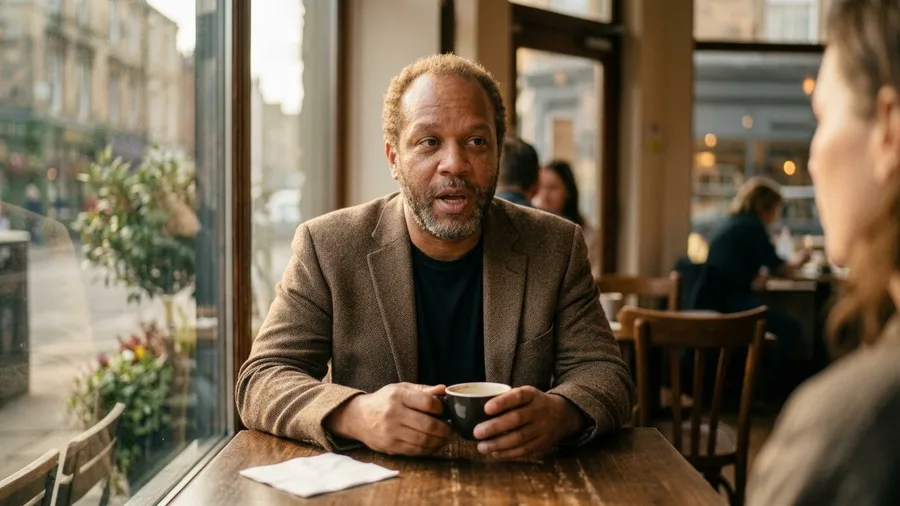
The conventional wisdom claims you must keep up the conversational pace or risk looking unprepared, but rushing forward only compromises your clarity.
You do not need an elaborate preamble or an apology for taking time to form a coherent thought in a fast-moving discussion.
Give me a second on that one.
Deliver those six words in a flat, neutral tone, then close your mouth and stay completely still.
The replacement move is to let the sentence sit without adding a nervous chuckle or a qualifier at the end.
Pause Impact — At a Glance
⏱️ Duration
2-3 sec
📈 Perceived Authority
High
🧠 Cognitive Load
Balanced
Key Takeaway
Silence eliminates filler words and projects instant control.
6. Misinterpreting Silence as Hostility or Rejection
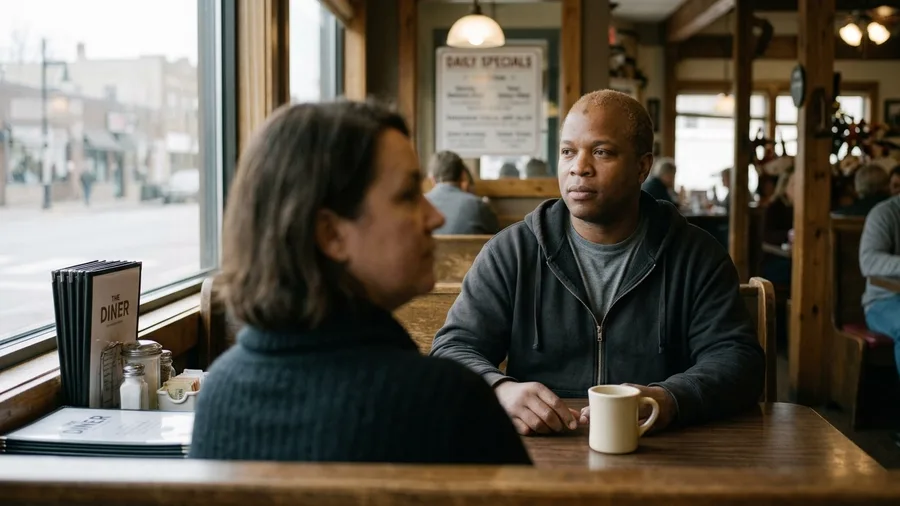
I used to assume that any unexpected drop in conversation meant I had somehow crossed a line or said the wrong thing.
You feel the room go quiet for ten seconds, and your mind immediately jumps to rejection, replaying every word you uttered five minutes ago to find the hidden offense.
What is actually happening on the other side of that table has nothing to do with you at all, because people spend most of their internal bandwidth processing unrelated logistics like what to buy for dinner or how to solve an afternoon work deadline.
Projecting your own social anxiety onto a neutral pause turns a completely peaceful moment into an imaginary conflict, turning silence into a threat when it is just background processing.
The next time you catch yourself filling a sudden quiet with nervous apologies, pause and remind yourself that an unscripted pause is just a pause, nothing more.
Anxiety Spectrum During Conversation Pauses
Measuring internal panic levels from quiet to talkative
- Zero Pause (Constant Talking): High nervous energy and fear of judgment
- One-Second Gap: Moderate awareness of social pacing
- Three-Second Monk Pause: Total calm and grounded presence
7. Why Fast Talking Ruins Your Point Every Single Time

Does speaking faster make your arguments hit harder and win people over faster?
Speed actually signals urgency and internal panic, telling the room that you doubt the value of your own sentence before it even finishes landing.
When you deliberately cut your tempo in half and let short pauses frame your main point, your listeners retain your core argument twice as well because you gave them room to process it.
Drop your pace by thirty percent on your next major point, pause for two full seconds right after the conclusion, and watch how the room leans in to catch what you do next.
⚠️ COMMON MISTAKE
The Over-Explanation Trap
Never follow a powerful silence by apologizing for taking too long to answer. Own the space you created.
8. When Chatter Is Actually Fine and Silence Is Unnecessary

You are standing by the kitchen island at a birthday party, holding a paper cup of lukewarm punch while someone recounts a chaotic commute involving a missed bus and a spilled coffee. Your instinct in professional settings is to let the silence sit, to hold a measured pause before offering a deliberate reply. But here, treating casual small talk like a high-stakes negotiation makes you look stiff and unapproachable.
The mistake is applying heavy conversational tactics to light banter where nothing is actually at stake. People use trivial chatter simply to bridge air and signal warmth, not to test your boundaries or debate a core philosophy. When you manufacture heavy pauses during a quick hallway greeting or a birthday chat, you turn a simple social exchange into an awkward audition.
Reserve the art of the intentional pause for moments that genuinely require weight, focus, and boundary-setting. Let everyday banter flow at its normal, breezy speed so you remain fully human and connected. The replacement is simple: match the lightness of the room, laugh at the spilled coffee story right away, and save your silence for when it actually matters.
9. The Short Take on Holding Space Without Speaking
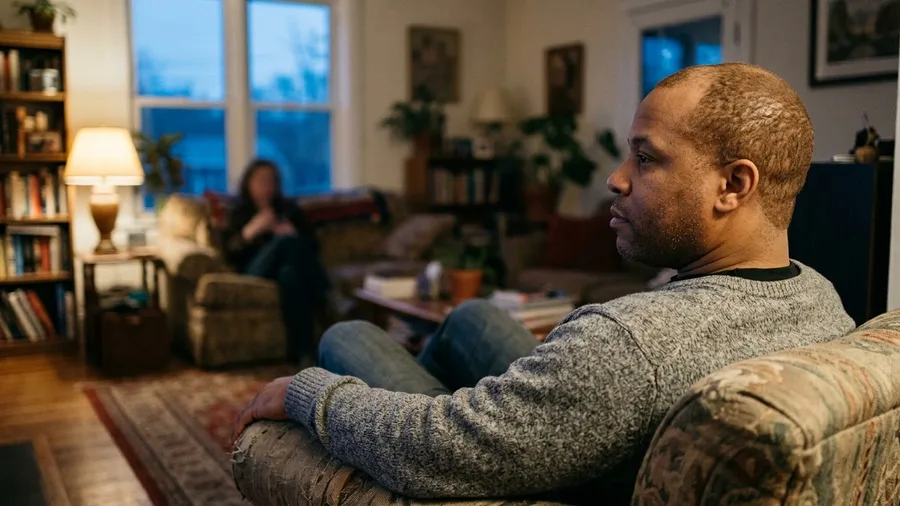
I used to think that staying quiet during a difficult exchange meant giving up the floor.
Stop talking.
That is the whole strategy for handling conversational bullies.
When someone tries to back you into a corner with rapid demands, let the silence do the work instead of rushing in with an explanation.
Hold your gaze, nod once to show you heard the words, and let the space stretch until they feel the need to fill it themselves.
10. Reframing Quiet Moments as Power Rather Than Emptiness

Treating a conversational pause like an emergency leak in a boat guarantees you will always bail out water that never needed to come on board.
You finish a clear sentence about a project timeline, and instead of letting the period sit, you immediately tack on an apology about your schedule.
Researchers who study group communication note that the person who breaks the silence first usually surrenders whatever leverage they held in the exchange.
The emptiness feels loud to you because you are listening to your own discomfort rather than watching the other person process the data.
When you shift your perspective, that same empty space stops looking like a social vacuum and starts functioning like a mirror.
Instead of rushing to supply the missing words, try saying your piece once and then counting to three in your head while looking directly at them.
That small window forces the room to sit with the weight of the statement rather than escaping into your nervous chatter.
11. Mistaking Passive Compliance for Real Agreement

Does everyone agree with this plan? you ask, and absolute silence follows across the room.
You take that quiet as enthusiastic approval and immediately move forward with the project timeline.
Often, that quiet is just people processing underlying anxiety or feeling too intimidated to voice a real concern.
Checking in directly with a simple question beats assuming silence means yes every single time.
💡 Tip: Ask one specific person for their view instead of addressing the whole silent room.
12. Why Giving Immediate Answers Weakens Your Negotiating Power
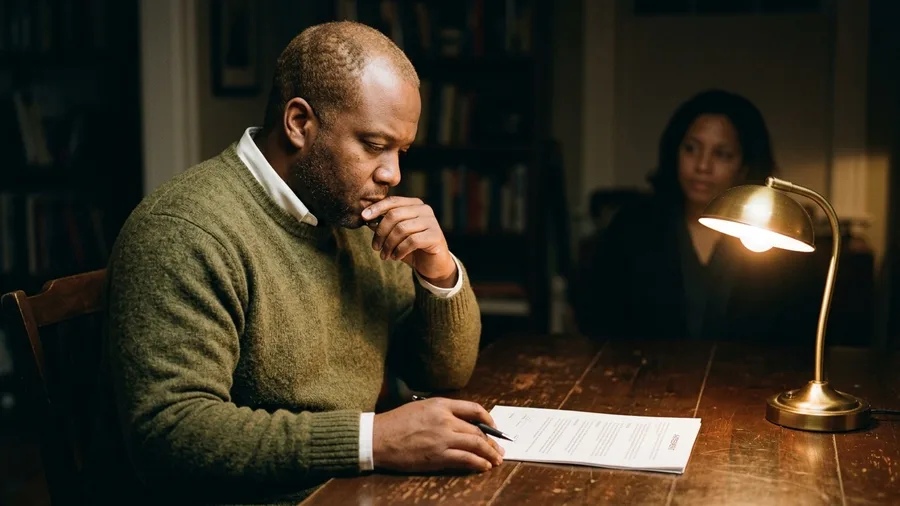
We are taught that quick answers signal competence and sharp thinking.
That instinct quietly destroys your leverage the moment real stakes enter the room.
When an aggressive number lands on the table, your impulse is to match the speed with a counter. Instead, let five heavy seconds of silence sit on top of their demand without a single nod. The person who speaks first after an unreasonable offer usually starts negotiating against themselves to fill the empty air. Hold your tongue, let them look at their own proposal, and watch the terms shift in your direction.
13. What Behavioral Research Shows About Conversational Power
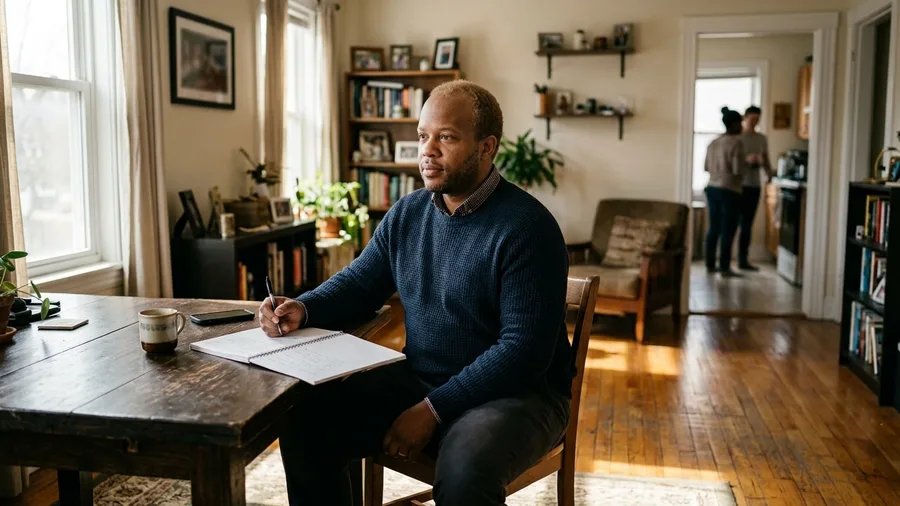
Two seconds of deliberate quiet change the entire room before you even open your mouth.
Researchers who analyze recorded negotiations find a direct link between pause duration and perceived status.
When observers watch recorded negotiation sessions, they consistently rate the participants who wait more than two seconds to reply as the higher-status figures in the interaction.
Speed gets misread as eagerness to please, while a measured response reads as quiet certainty.
Speed was repeatedly correlated with submission and anxiety across multiple demographic groups in these observation studies.
Instead of blurting out your answer the second the other person stops speaking, count quietly to two in your head before you start talking, letting the weight of your presence fill the space instead of a rush of extra words.
14. Viewing Disagreement Through the Lens of Calm Restraint

Why does every sharp challenge in a meeting feel like an immediate personal attack demanding a fast rebuttal?
When someone pushes back against your proposal, your pulse spikes and your brain instantly signals you to defend your position with maximum speed. That reflex treats disagreement as an emergency that requires immediate verbal containment.
Researchers who study group negotiations find that individuals who pause for three seconds after a critique are routinely perceived as more competent than those who fire back instantly. Shifting your internal frame turns that tense challenge from a threat into a simple test of your composure.
The next time someone questions your logic, do not rush to patch the gap. Take a slow breath, nod once, and let the quiet absorb their point entirely before you speak.
15. When Breaking Silence Is Actually the Right Move

There is a distinct difference between holding a steady conversational pause and weaponizing your silence during an interaction.
Sometimes a pause stretches past powerful and enters the realm of punishing cruelty, especially if you notice someone visibly trembling or shutting down under your quiet stare.
When you spot those signs of genuine distress, break the tension immediately with a soft, warm question to restore safety because healthy boundaries should create clarity, not terror.
Frequently Asked Questions
How long should a conversational pause actually last?
Two to three seconds is the sweet spot. Anything past four seconds starts crossing into uncomfortable territory unless you are in a high-stakes negotiation.
What if the other person thinks I am ignoring them?
Keeping your posture relaxed and your eyes steady signals that you are thinking, not ignoring. A soft nod also lets them know you are following along.
Does this technique work in casual conversations?
It works best in professional settings, interviews, and conflict resolution. In casual banter with close friends, it can feel overly formal.
How do I stop feeling anxious during the silence?
Focus on the physical sensation of your feet on the floor and take a slow exhale. Your brain will stop treating the quiet as an emergency with practice.
What if I accidentally blurt something out?
Do not make a big deal out of it. Just stop mid-sentence, take a breath, and reset your pacing for your next point.
The Weight of a Silent Room
Practice letting the next three-second pause in your day sit without rescue words.
Your quiet confidence will change how people respond to you before the week is out.
Try the Three-Second Pause Today
Take a slow breath the next time a conversation goes quiet and watch how the entire dynamic shifts in your favor.

Meet Edward Green, the founder of GolfingGoal and a seasoned expert in golf. With years of experience on the course and a passion for the sport, Edward has a wealth of knowledge to share. As our Lead Writer, he contributes articles, tutorials, and resources to help readers to improve their skills and reach their full potential on the golf course. Join Our Team!