
You scroll through your feed and notice a glaring absence: a close friend or colleague who has not posted a personal selfie, vacation snapshot, or family milestone in years. In a culture that equates digital visibility with existence, this quiet withholding feels radical, leaving you to wonder what motivates someone to stay entirely off the grid.
Choosing to keep your image offline is rarely a sign of shyness or social isolation. It represents an intentional psychological strategy designed to protect intrinsic motivation, preserve personal boundaries, and maintain a quiet, unquantified inner life away from the relentless demands of the attention economy.
💡 PRO TIP
The Shift from Performance to Presence
True psychological freedom often begins the moment you stop translating your lived experiences into digital content for others to consume.
The Modern Anomaly of Private Lives

Hyper-visibility has become the default baseline of modern social existence.
Algorithms actively reward constant broadcasting, turning personal milestones into currency within an endless attention marketplace. When sharing every meal, trip, and major life event is the cultural standard, choosing absolute silence feels disruptive.
This behavior rejects performance-based self-worth.
Instead of curating an idealized digital avatar, non-posters direct their energy inward. They prioritize private validation over public applause, finding deep contentment in experiences that remain entirely unrecorded and unshared.
The Metrics of Digital Exhaustion
How continuous visibility impacts daily cognitive load
Self-Determination and the Internal Locus of Control
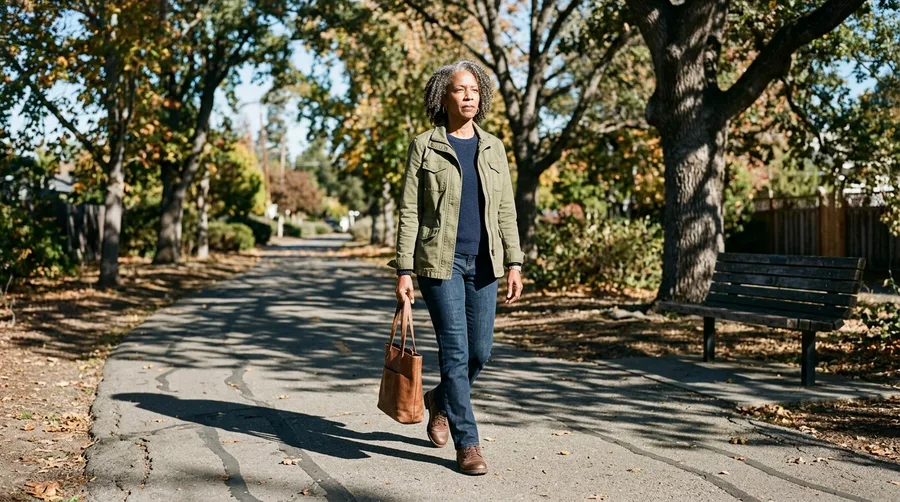
Human motivation hinges on three core psychological needs: autonomy, competence, and relatedness.
Self-determination theory explains how constant photo-sharing can inadvertently externalize your locus of control. When self-worth becomes tethered to quantifiable metrics like likes, comments, and views, your emotional stability relies entirely on external approval.
Context collapse intensifies this exhaustion.
Merging distinct social circles—coworkers, childhood friends, family, and casual acquaintances—into a single digital audience forces you into an exhausting balancing act. You dilute your authentic self to appease a generalized, judgmental crowd.
Stepping back reclaims your psychological autonomy.
Externalized Validation vs. Internal Motivation
Frequent Posters
- Tethers mood to algorithm-driven engagement metrics
- Experiences context collapse across mixed social circles
- Outsources memory creation to digital photo albums
- Maintains a continuous performance for public consumption
Digital Minimalists
- Builds an internal locus of emotional stability
- Maintains clear, segmented boundaries between groups
- Encodes memories deeply in real-time neural pathways
- Protects personal privacy as a high-value asset
The Psychology of the Panopticon and Boundary Maintenance
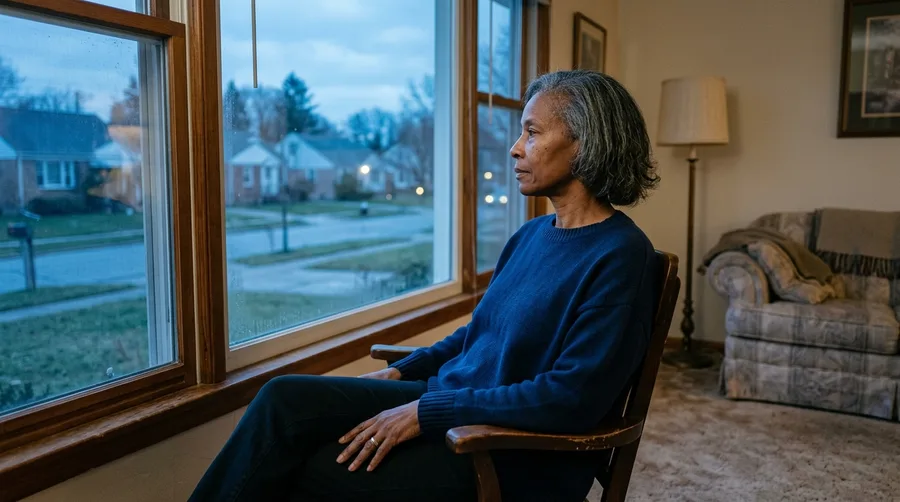
Constant digital presence invites the lateral panopticon into your everyday life.
Peers constantly monitor, judge, and benchmark against each other's highlight reels, creating a low-grade, chronic surveillance anxiety. Withholding personal imagery acts as a vital boundary-protection mechanism against this modern social comparison trap.
Boundary theory highlights the necessity of psychological barriers.
Keeping a distinct separation between your public persona and your private self prevents emotional burnout. When your image remains off-limits, you deny others the ability to dissect, critique, or misinterpret your personal milestones.
Privacy is the ultimate boundary.
📉 The Evolution of Digital Withdrawal
Early Optimism
Viewing social media as a fun, novel way to stay connected with distant friends.
The Performance Trap
Realizing that every shared photo feels like an audition for external approval.
Exhaustion Phase
Experiencing social fatigue from constant comparison and context collapse.
Radical Quiet
Deliberately stopping all personal photo uploads to reclaim mental peace.
The Experience-Sampling Paradox and Memory Encoding

Photography fundamentally alters how the human brain processes and stores memories.
Researchers identify the photo-taking impairment effect, where outsourcing memory capture to a smartphone camera reduces real-time experiential encoding in the hippocampus. When you view a sunset through a lens, you sacrifice direct neural immersion for a future digital file.
Lived moments transform into commodities.
The subconscious urge to document turns a quiet dinner or a morning walk into a staged production meant to be consumed by strangers later. This constant mental framing fractures your ability to anchor fully in the present moment.
Unrecorded experiences belong entirely to you.
Memory Retention and Digital Capture
How photographing moments affects real-time recall
Where Psychologists and Sociologists Agree
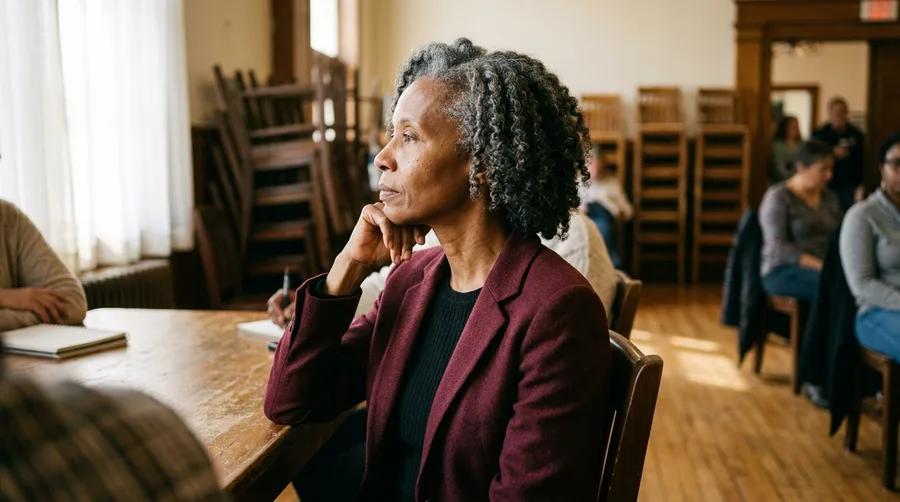
Clinical observations consistently reveal that zero-posting habits stem from emotional maturity rather than social anxiety.
Experts note that individuals who keep their photos offline frequently exhibit high emotional intelligence and secure attachment styles. They do not require digital validation to confirm their worth, nor do they rely on public applause to feel valued.
Privacy has become a luxury status symbol.
In an era where personal data is constantly harvested and broadcast, keeping your image private signals confidence, discretion, and high self-possession. Silent observers often maintain rich, highly active offline social circles.
Quietness is not absence.
The Self-Audit: Unpacking Your Own Posting Motives

Evaluating your own digital habits requires brutal honesty.
Ask yourself why you feel compelled to share specific photos. Distinguish clearly between sharing out of genuine joy versus sharing out of an unconscious compulsion for reassurance and social validation.
Notice how your energy shifts after posting.
Pay attention to whether waiting for likes leaves you restless or drained. Experiment with a deliberate 30-day digital blackout where you document your life exclusively in a private journal or keep memories entirely in your mind.
Observe how your baseline calm returns.
Core Traits of Digital Minimalists
Best Strategies for Going Dark
Frequently Asked Questions
Is refusing to post photos a sign of social anxiety?
Rarely. Clinical observations show that zero-posters typically exhibit high emotional intelligence and secure attachment styles, preferring deep offline connections over public performance.
How do people who don't post manage professional networking?
They maintain professional utility by using text-based updates or maintaining clean, minimal company profiles without broadcasting their personal lives.
What is the difference between lurking and healthy observation?
Healthy observers check feeds infrequently with specific intent, whereas obsessive lurkers experience emotional distress and comparison fatigue from doom-scrolling.
How do non-posters handle major milestone life events?
They celebrate weddings, births, and achievements directly with close friends and family in person, bypassing digital broadcast entirely.
How can I explain my digital privacy boundaries to demanding family members?
Set a calm, firm rule that you prefer keeping personal photos off public platforms, framing it as a choice for privacy rather than a rejection of them.
Reclaiming the Unwitnessed Life
A life lived off-camera loses nothing of its intrinsic value. In fact, keeping your moments unshared and unquantified deepens their emotional resonance, returning them to your sole ownership.
Embrace the profound quietness of keeping your life private. Step away from the spotlight, put down the lens, and let your moments belong entirely to you.

Meet Edward Green, the founder of GolfingGoal and a seasoned expert in golf. With years of experience on the course and a passion for the sport, Edward has a wealth of knowledge to share. As our Lead Writer, he contributes articles, tutorials, and resources to help readers to improve their skills and reach their full potential on the golf course. Join Our Team!