

You stare at a bathroom counter crowded with twelve different bottles, a cabinet full of half-used acids, and skin that somehow feels both tight and greasy.
True skin longevity comes from knowing what to stop doing rather than what else to buy.
💡 PRO TIP
The Core Minimalist Rule
The best routine is often the one doing the least harm. Strip away unnecessary friction to let your skin barrier heal.
The Science of the Skin Barrier
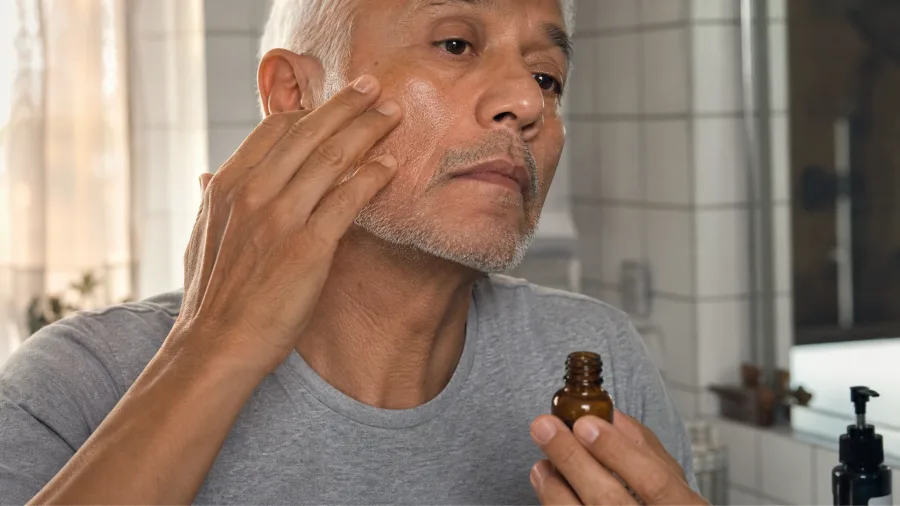
Think of your stratum corneum as a brick-and-mortar wall where corneocytes act as bricks and intercellular lipids form the mortar.
When you over-exfoliate with harsh surfactants, you dissolve that lipid mortar.
This triggers chronic low-grade inflammation and accelerated aging across your complexion.
Preserving a natural skin pH between 4.5 and 5.5 remains an absolute non-negotiable step.
Skin Barrier Vital Statistics
Skipping Daily Broad-Spectrum Sun Protection Indoors or on Cloudy Days
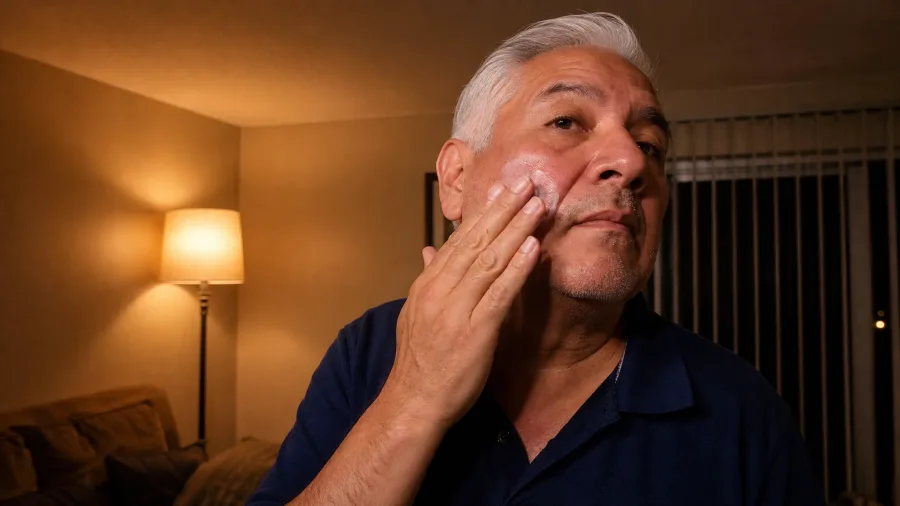
Cloud cover and residential window glass offer a false sense of security while letting aging UVA rays pass straight through.
Dermatologists treat sunscreen as a daily medical necessity rather than a beach accessory.
Apply a full two-finger length of fluid SPF 30 or higher to your face and neck every single morning without exception.
Sun Protection Verdict Lanes
- Daily SPF 30+ Fluid — Non-negotiable morning application regardless of weather or indoor status.
- Skipping on Rainy Days — UVA radiation penetrates heavy clouds and window glass seamlessly.
- Beach-Only Application — Treating sunscreen as seasonal armor accelerates photoaging and collagen breakdown.
Using Harsh Physical Scrubs and Stiff Bristle Brushes

Jagged physical particles like ground walnut shells create microscopic tears in the epidermis, leading to permanent micro-scarring.
Facial skin is structurally thinner than body skin and cannot tolerate aggressive mechanical abrasion.
Dermatologists choose gentle enzymatic loosening or very low-percentage chemical exfoliants over friction every time.
⚠️ COMMON MISTAKE
The Squeaky-Clean Illusion
If your skin feels tight, squeaky, or red after cleansing, your barrier has been compromised by harsh surfactants or physical scrubbing.
Layering Too Many Active Ingredients Simultaneously

Combining retinol, Vitamin C, strong AHAs, and benzoyl peroxide into a single evening routine invites irritant contact dermatitis.
Applying multiple strong acids at once disrupts your skin mantle and triggers severe inflammation.
Rotate your powerhouse ingredients across the week rather than stacking them together.
Picking, Popping, and Extracting Blemishes at Home

Squeezing a pustule forces infection deeper into the surrounding dermis instead of releasing it outward.
Home extractions turn superficial blemishes into deep inflammatory nodules and permanent indented scars.
Apply a hydrocolloid patch overnight instead of taking matters into your own fingers.
Blemish Intervention Risk Spectrum
- Fingers and Metal Extractors: High risk of rupture, deep dermal spread, and permanent scarring.
- Hydrocolloid Pimple Patches: Safe, sterile fluid extraction with zero mechanical trauma.
- Leaving Blemishes Untouched: Natural cellular resolution with minimal post-inflammatory marks.
Falling for DIY Kitchen Skincare Concoctions

Raw lemon juice is excessively acidic and triggers severe phytophotodermatitis when exposed to light.
Baking soda destroys your acid mantle, while pure coconut oil easily clogs facial pores.
Raw food items lack stabilization systems, making them breeding grounds for bacteria.
Sleeping with Makeup On or Ignoring Double Cleansing

Residual makeup and airborne pollution oxidize overnight, generating free radicals that break down collagen.
Dermatologists rely on a two-step cleanse using an oil-based balm followed by a gentle foaming wash.
Never let the exhaustion of a late night skip your evening skin reset.
The Dermatologist Double-Cleansing Flow
Where Everyone Agrees: The Foundation of Skin Longevity

Strip away marketing hype and dermatologists agree that skin health centers on defense rather than forced transformation.
No expensive corrective procedure undoes daily barrier damage caused by neglect or over-processing.
Hydration, gentle cleansing, and sun defense form the unglamorous holy trinity that outlasts every viral trend.
The Skin Health Contrast
What Dermatologists Avoid
- Stiff bristle brushes and walnut scrubs
- Layering three potent acids nightly
- Popping blemishes with bare fingers
- Raw lemon juice and baking soda DIYs
What They Do Instead
- Gentle chemical exfoliation once weekly
- Skin cycling with dedicated rest nights
- Applying sterile hydrocolloid patches
- Formulated, pH-balanced pharmacy staples
Audit Your Routine in Three Simple Steps

Step one: check your cleansers to ensure they leave zero tight or stripped sensation behind.
Step two: count your active ingredients and eliminate any overlapping chemical exfoliants.
Step three: evaluate your barrier resilience by checking for stinging during basic moisturizer application.
Frequently Asked Questions
Can sensitive skin ever use exfoliating acids safely?
Yes, by opting for low concentrations of polyhydroxy acids (PHAs) and limiting application to once weekly.
How long does it take for a damaged skin barrier to repair itself?
Typically two to four weeks of strict skincare minimalism and barrier-repair creams containing ceramides.
Is expensive medical-grade skincare always better than drugstore brands?
No, formulation stability and clinical testing matter far more than price tags or luxury branding.
Should I change my skincare routine seasonally?
Yes, shift toward heavier lipid barriers in winter and lighter hydration in summer to match ambient humidity.
The Quiet Power of Skin Minimalism
Skipping these six harmful habits yields better long-term results than adding a dozen expensive corrective serums.
Let your skin do what it is biologically engineered to do: protect, repair, and renew itself with minimal interference.

Meet Edward Green, the founder of GolfingGoal and a seasoned expert in golf. With years of experience on the course and a passion for the sport, Edward has a wealth of knowledge to share. As our Lead Writer, he contributes articles, tutorials, and resources to help readers to improve their skills and reach their full potential on the golf course. Join Our Team!