

You reach the top of the stairs, your knees ache, and you wonder why cutting calories and logging miles on the treadmill stopped working.
Weight loss after 50 often feels like fighting your own biology, especially when popular fitness routines leave you exhausted rather than energized.
Experienced personal trainers with mature clientele take a completely different approach behind closed doors, swapping punishment for strategic preservation.
💡 PRO TIP
The Core Philosophy Shift
Sustainable fat loss after 50 is an exercise in metabolic protection and joint preservation, not aggressive punishment.
Why Your 30s Playbook Fails After 50

Age-related muscle loss, known medically as sarcopenia, gradually reduces your resting metabolic rate every single year.
When you rely on chronic high-intensity interval training or excessive daily running, you elevate cortisol levels.
This hormonal shift actually encourages your body to store stubborn fat around the midsection instead of burning it.
Preserving lean tissue becomes the primary biological lever for long-term fat oxidation.
Strategy Comparison: 30s Versus 50+
Old Approach
- Chronic daily steady-state cardio
- Aggressive calorie slashing
- Ignoring lingering joint discomfort
- Random workouts without tracking
Trainer Standard
- Progressive resistance training
- Protein-optimized nutrition balance
- Strict adherence to recovery days
- Structured movement variety
Metabolic Jargon Busted
Thing 1: Relying Solely on Steady-State Cardio

Endless hours on the elliptical burn calories during the session but fail to build a lasting metabolic engine.
Repetitive low-load movements often strain tendons and cartilage when they replace proper resistance training altogether.
Trainers swap half of that cardio time for structured resistance circuits to elevate your metabolism safely.
Your joints will thank you for trading mindless mileage for purposeful strength.
Cardio Circuit — At a Glance
⏱️ Duration
20 minutes
📅 Frequency
2 times a week
💪 Focus
Posterior chain
⚠️ Caution
Keep spine neutral
Core Benefit
Builds metabolic resilience without pounding your knees.
Thing 2: Skipping Protein Distribution Across Meals

Cellular aging means your muscles require a higher threshold of amino acids to trigger protein synthesis.
Eating a small token salad for lunch and saving all your protein for dinner misses the physiological window.
Distributing 25 to 40 grams of high-quality protein across every single meal protects your lean muscle mass.
Consistent amino acid availability keeps your body from breaking down muscle tissue during a mild caloric deficit.
Protein Priority Pyramid
How to structure your daily intake effectively
⚠️ COMMON MISTAKE
The Protein Timing Trap
Saving all your daily protein for dinner fails to stimulate muscle repair throughout the morning and afternoon hours.
Thing 3: Training Through Sharp Joint Discomfort
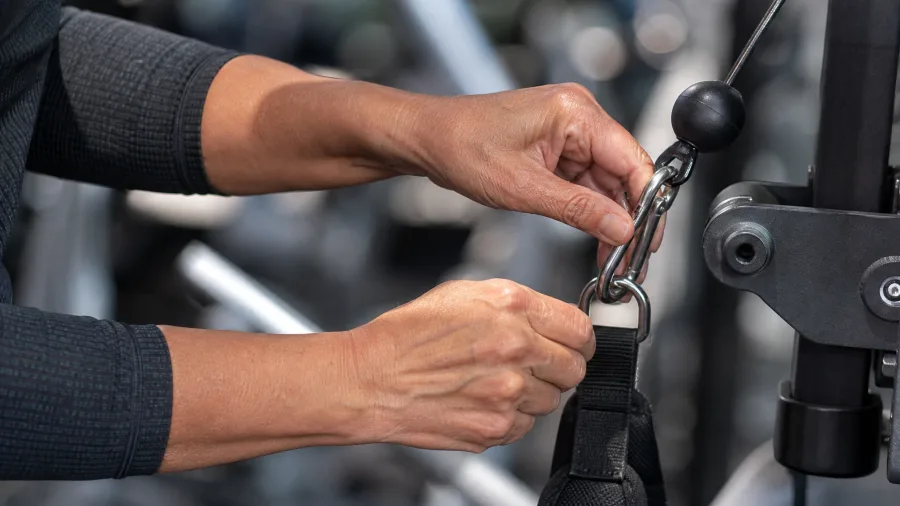
Normal muscular fatigue feels entirely different from the sharp or grinding signals originating inside your joints.
Ignoring these warning signs guarantees an extended layoff that stalls your fat loss progress completely.
Trainers adjust your range of motion and utilize deliberate tempo lifting to protect vulnerable connective tissues.
Slow down your lowering phase to maximize muscle fiber recruitment without unnecessary joint stress.
Joint-Friendly Adjustments
Thing 4: Cutting Calories Below Basal Metabolic Needs

Dropping your daily food intake too low triggers a sharp down-regulation in your active thyroid hormones.
Severe restriction combined with poor protein intake cannibalizes the very muscle tissue you need for fat burning.
Maintain a modest, sustainable deficit of roughly 300 to 500 calories below your calculated maintenance level.
Protecting your daily energy levels keeps your hormones balanced and your weight loss steady over months.
Deficit Metrics That Work
The numbers behind sustainable fat loss
Thing 5: Ignoring Recovery and Sleep Architecture

Age-related shifts in your sleep architecture directly impact growth hormone release and overnight tissue repair.
Sleeping fewer than seven hours spikes ghrelin production while suppressing leptin, driving intense sugar cravings.
Establish consistent evening wind-down routines and maintain a cool sleeping environment for optimal rest.
Quality sleep acts as the invisible anchor for every successful body composition transformation.
Sleep and Hormones
Key metrics impacting your daily hunger cues
Thing 6: Following Routine Without Movement Variety

Performing identical movements on the same weight machines leads to overuse injuries and severe mental boredom.
Smart trainers prioritize five foundational movement patterns: push, pull, hinge, squat, and loaded carry.
Varying your planes of motion maintains neuromuscular coordination, core stability, and everyday balance.
Your body thrives on functional diversity that mimics the unpredictable physical demands of daily life.
🏋️ The 5-Step Movement Framework
Push Patterns
Build chest, shoulder, and tricep strength using incline presses or push-ups.
Pull Patterns
Protect posture and back health with seated rows or resistance band pulls.
Hip Hinge
Strengthen glutes and hamstrings safely through controlled Romanian deadlifts.
Squat Variations
Maintain leg power and knee integrity with box squats or goblet holds.
Loaded Carries
Enhance core stability and grip strength with farmer walks using dumbbells.
The Turning Point: Where Every Trainer Agrees

Strip away conflicting fitness trends and physical therapists and personal trainers share one core belief.
Body composition after 50 is entirely a byproduct of joint health, smart recovery, and long-term consistency.
A brutal workout that leaves you too sore to move tomorrow sabotages your actual weight loss goals.
Showing up four days a week for moderate, intelligent work beats going all-out once a fortnight.
💡 PRO TIP
The Longevity Rule
Consistency always defeats intensity. Choose workouts you can comfortably repeat four days every single week.
The Mindset Shift
Your Blueprint for Sustainable Strength After 50

Audit your current weekly routine against these trainer standards to identify hidden points of friction.
Make one immediate adjustment this week, such as adding protein to breakfast or slowing your lift tempos.
Reclaim your metabolism by working in harmony with your biological age rather than fighting it.
Your strongest, most resilient decades are completely ahead of you if you train with clear purpose.
Frequently Asked Questions
Can I still build muscle and lose fat at the same time after 50?
Yes, body recomposition is entirely possible through progressive resistance training paired with adequate daily protein intake, even without dramatic caloric restriction.
How many days a week should someone over 50 strength train?
Aim for three to four structured resistance sessions per week, ensuring you take at least one full day of rest between targeting the same muscle groups.
Is it safe to start heavy lifting if I have mild arthritis?
Yes, with proper guidance. Utilizing lighter loads with slower tempos allows you to build supporting muscle strength around arthritic joints without aggravating pain.
How much protein do I actually need daily during weight loss?
Most active adults over 50 benefit from consuming roughly 1.0 to 1.2 grams of protein per pound of lean body mass to preserve tissue.
Your Next Step Toward Lasting Vitality
Losing weight after 50 is not about punishing your body into submission through exhausting routines.
Collaborate intelligently with your biology, prioritize your joints, and watch your strength transform.

Meet Edward Green, the founder of GolfingGoal and a seasoned expert in golf. With years of experience on the course and a passion for the sport, Edward has a wealth of knowledge to share. As our Lead Writer, he contributes articles, tutorials, and resources to help readers to improve their skills and reach their full potential on the golf course. Join Our Team!