

Two women at sixty-three notice the exact same forgotten name at a dinner party. One decides her brain is slowing down, quietly retreating to predictable crosswords and familiar routines, while the other alters how she engages with new physical skills and daily challenges every afternoon.
The long-term trajectory of cognitive sharpness starts right at that decision point.
Cognitive psychology shows that daily mental habits shape neural resilience far more than passive brain exercises or genetics alone. What you choose to stop doing today matters just as much as what you start.
Cognitive Health at a Glance
1. Should You Stop Relying on Passive Word Puzzles?

Doing a daily word puzzle feels like a complete mental workout, but cognitive researchers consistently find that familiar routines build narrow skill rather than broad memory protection.
Searching your memory for a seven-letter synonym sharpens vocabulary retrieval, but it will not help you recall where you left your keys or remember a new neighbor's name. Real cognitive reserve builds when you force your brain into unfamiliar territory, like picking up watercolor painting, learning table tennis, or studying an instrument, forcing the brain to construct new pathways.
Swap half an hour of familiar grid-solving for a short lesson in an entirely new physical skill. Challenge beats comfortable repetition every time.
💡 Tip: Trade twenty minutes of word search for ten minutes of coordination drills.
Brain Exercises: Fact vs Friction
2. Stop Keeping the Television On as Background Noise

Filter fatigue quietly erodes your working memory long before you notice a forgotten detail. When your brain constantly filters background audio, it burns through the cognitive bandwidth needed to keep daily memories sharp.
Take this ten-second check: when you walk into an empty room to cook dinner or read, do you immediately switch on the television just to fill the quiet? If silence feels uncomfortably stark, your prefrontal cortex has lost its habit of sustained, single-channel focus. Your mind is still forced to process that background dialogue, even when you think you are tuning it out.
Silence is essential cognitive rest, not empty space to fill.
When you handle tasks that demand clear recall – such as following a new recipe or organizing medical documents – turn off the background media completely. Restoring periods of silent focus allows your brain to record and store information smoothly, ending the constant mental strain of tuning out the room.
Background Audio Thresholds
📻 Audio Threshold
Zero Speech Content
🧺 Exception Allowed
Repetitive Chores Only
📅 Reset Window
7–10 Days to Adjust
Boundary Line
Silence all audio for any task involving numbers, forms, or sequential steps.
3. Why Should You Avoid Offloading Every Detail to Digital Lists?

Isn't pulling up a note on your phone the moment you reach the store just smart organization? Not when it bypasses the daily practice your brain needs to stay quick. Picture standing by the carts, reaching into your pocket for your screen before walking down the first aisle, checking the list before your memory gets ten seconds to work.
Scanning that screen instantly cancels the mental search your hippocampus relies on.
When you delegate every detail to a screen, your brain stops keeping recent information easily accessible. It treats retrieval as unnecessary effort. That quick glance at the entrance feels harmless, but constantly outsourcing your daily memory tells your mind that it no longer needs to hold onto the smaller details of your afternoon.
Pause for fifteen seconds at the entrance before looking at your phone. Try retrieving three visual items from memory first, walking those aisles on your own, and using the written list only as a final verification step right before heading to the checkout counter.
Recall Practice Guidelines
4. Stop Writing Off Frequent Sleep Interruptions as Normal Aging
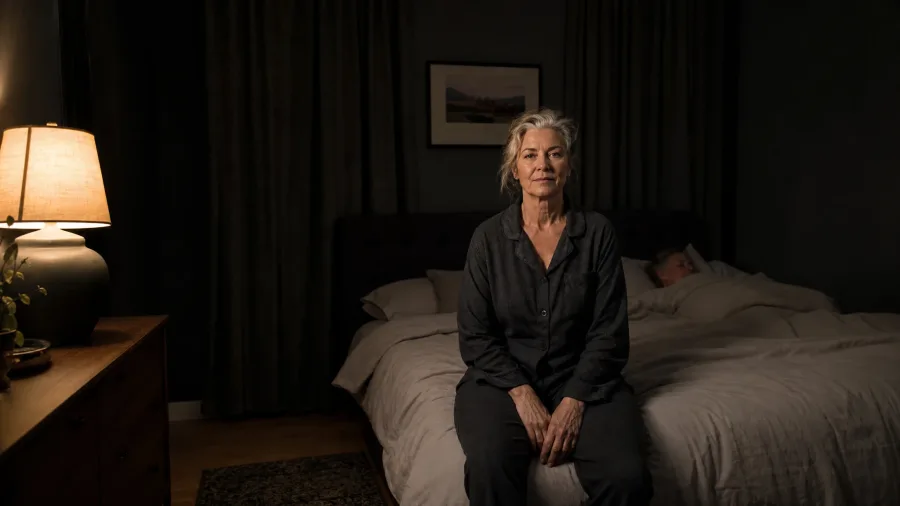
Everyone tells you that waking up three times a night is just what happens after sixty, so you accept the broken rest as an inevitable tax of aging. That comfortable piece of advice is completely backward.
You lie awake at two in the morning, staring at the digital display on your nightstand and convincing yourself that tomorrow's brain fog is harmless. It is not. During deep, slow-wave sleep, your brain's glymphatic system actively flushes out metabolic waste accumulated during the day. When sleep breaks repeatedly, that critical clearing cycle grinds to a premature halt.
Chronic night waking is a solvable mechanical issue, not aging.
Before turning to over-the-counter sleep aids that disrupt REM cycles or buying cognitive supplements, look at physical causes. At your next appointment, say: "I wake up several times every night, and I want to test for airway restriction before trying medication." An overnight pulse-oximetry monitor worn at home will quickly show if oxygen drops are waking you.
Environmental fixes yield immediate structural benefits. Drop your room temperature to sixty-six degrees Fahrenheit, install true blackout curtains, and remove all electronic light sources to let your nervous system sink into deep cycles.
Fixing the physical architecture of your night gives your brain its primary maintenance window back. Everything else you do for your memory depends on that clean slate.
🌙 Nightly Sleep Preparation Protocol
Cool the Environment
Set the room thermostat between 65 and 67 degrees Fahrenheit two hours before bed.
Eliminate Screen Blue Light
Turn off phones, tablets, and bright televisions sixty minutes before sleep.
Darken the Room Completely
Use blackout shades or an eye mask to prevent nocturnal light exposure.
Maintain Fixed Wake Time
Get out of bed at the exact same hour every morning to anchor circadian rhythm.
5. Are You Apologizing Every Time You Misplace Your Keys?

"Sorry, I am having a total senior moment," is a line that needs to leave your vocabulary immediately.
Every time you frame a simple misplacement as cognitive decline, you trigger a quiet burst of performance anxiety. Stress hormones like cortisol quickly rise, scrambling short-term recall in the precise moment you are trying to think. You end up causing the temporary memory failure you were attempting to laugh off.
Replace the apology with a calm statement of action: "I am taking a moment to recall where I set those." State what your mind is doing, not what it forgot.
Reframing Memory Lapses
Phrases to Stop
- "Excuse my senior moment."
- "My memory is completely gone these days."
- "I am too old to learn this software."
Phrases to Use
- "I am pausing to recall that name."
- "Let me give my brain a minute to pull that up."
- "I need a few attempts to master this step."
6. Stop Retreating to the Same Predictable Social Circle

Six months of sticking strictly to comfortable, predictable conversations with long-time acquaintances buys genuine emotional safety. The quiet trade-off over time, however, is a gradual drop in your brain's adaptive cognitive flexibility.
Old friends already know your stories, finish your sentences, and share your familiar reference points. That ease is wonderful, but it means your mind rarely has to decode unexpected accents, rapid topic shifts, or opposing perspectives. Stepping into unfamiliar social settings forces real-time processing, compelling your brain to read fresh non-verbal cues and stay mentally nimble.
Routine protects your comfort; novelty protects your memory.
Schedule one structured group activity each month where you do not know most people in the room. Volunteering at a local garden center or taking a short lecture class forces you to react to unpredictable conversation, providing a dynamic stimulus far stronger than doing another afternoon of quiet word puzzles.
7-Day Cognitive Variety Planner
7. When Is It Fine to Skip Physical Movement?

You swing your legs out of bed and feel a sharp throb in your knee before your feet even hit the rug.
Forcing a high-impact workout on days like this actually backfires. Pushing through severe joint pain floods your system with stress hormones that temporarily impair memory processing and focus. Movement protects brain health through cardiovascular circulation, but straining an inflamed, exhausted body spends energy your brain needs.
On high-fatigue days, swap intense cardio for gentle balance work. Stand near a kitchen counter, gently lift one foot, and hold it for twenty seconds. Balancing activates your cerebellum and vestibular system, delivering real cognitive stimulation without joint strain.
Daily Lifestyle Impact on Long-Term Sharpness
Key daily factors contributing to cognitive health
Frequently Asked Questions
Are brain training phone apps effective for memory protection after sixty?
Most research shows that digital brain games improve performance on those specific software tasks rather than broader real-world memory. Learning a real physical motor skill, an instrument, or a new language provides far superior cognitive benefits.
How does sleep fragmentation directly affect daily recall?
Fragmented sleep interrupts deep slow-wave stages where your brain flushes out cellular waste and consolidates short-term experiences into long-term memory storage. Treating underlying sleep issues yields immediate improvements in clarity.
Is misplacing household keys occasionally a sign of early cognitive decline?
No, misplacing items usually stems from lack of attention during the moment you set them down rather than retrieval failure. Pausing to mentally register where you place an object creates a clear memory entry.
How long does it take to see results after changing cognitive habits?
Simple changes like improving sleep environments and reducing background noise yield noticeable improvements in mental energy within two weeks. Structural neural adaptations develop over three to six months of regular practice.
Where Real Memory Protection Begins
Protecting your cognitive sharpness over sixty is not about buying expensive supplements or spending hours on brain apps. It comes down to eliminating ambient distractions, protecting unbroken sleep, and continually introducing your brain to unfamiliar physical and social challenges.
Pick one habit from this list today—turn off the background television during your afternoon reading—and give your brain the quiet focus it needs to thrive.

Meet Edward Green, the founder of GolfingGoal and a seasoned expert in golf. With years of experience on the course and a passion for the sport, Edward has a wealth of knowledge to share. As our Lead Writer, he contributes articles, tutorials, and resources to help readers to improve their skills and reach their full potential on the golf course. Join Our Team!