
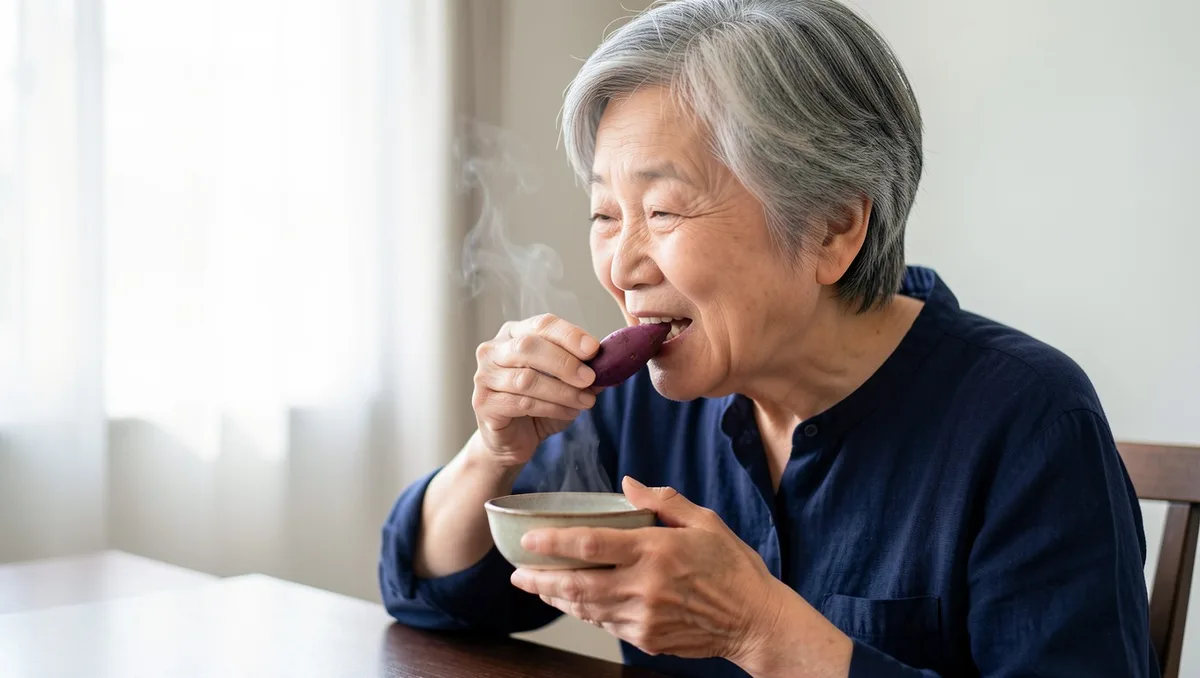
You sit down to dinner around 6:30 p.m., feeling that familiar evening heaviness in your stomach and a slow drain of energy. By 9:00 p.m., acidity settles in, interrupting your sleep before it even begins.
I spent months reading nutritional studies on Blue Zone longevity patterns, talking with health practitioners, and adjusting my own evening meals after turning 50. What I found in traditional Okinawan evening habits was not a restrictive diet, but a practical rhythm that transforms how your body recovers overnight.
At a Glance
Quick Tips Before You Start
Start With Soup
Sip a warm broth before main dishes to trigger gut stretch receptors naturally.
Swap White Starch
Replace white rice with steamed sweet potatoes two nights a week.
Set Chopsticks Down
Rest your eating utensils between bites to slow down your swallowing pace.
Finish With Tea
Drink jasmine or green tea after eating to mark the end of your meal.
1. Practice Hara Hachi Bu to Stop Overeating
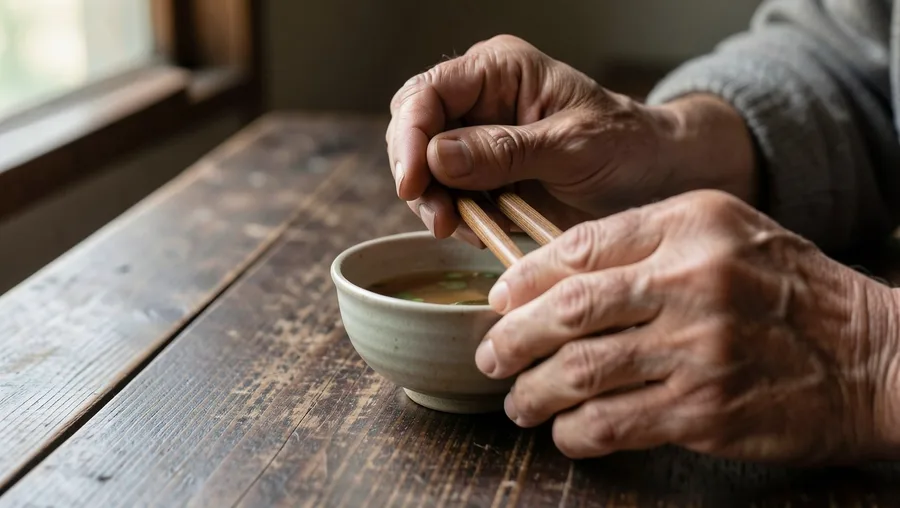
You step away from the dinner table feeling stuffed, sluggish, and forced to unbutton your waistband just to breathe comfortably.
Okinawan elders follow the Confucian teaching 'Hara hachi bu', stopping their meal when their stomach feels exactly 80 percent full.
After age 50, stretch receptors in your stomach wall take roughly 20 minutes to signal satiety to your brain.
When you eat past that initial threshold, your digestive system expends massive energy during the exact hours your body should be repairing tissue.
Serve your meal on an eight-inch salad plate instead of a twelve-inch dinner plate to adjust visual portion cues instantly.
Wait ten minutes before reaching for a second serving, giving your vagus nerve time to process fullness signals accurately.
💡 Tip: Drink a eight-ounce glass of warm water ten minutes before dinner to prevent mistaking thirst for hunger.
⚠️ COMMON MISTAKE
Eating Past the Initial Fullness Cue
Pushing past early fullness overburdens digestive enzymes that naturally drop in activity after 50, leading to nighttime acid reflux and disrupted sleep quality.
2. Make Purple Sweet Potatoes Your Primary Carbohydrate
Most Western dinner plates revolve around refined white starch or heavy wheat pasta that spike blood sugar right before sleep.
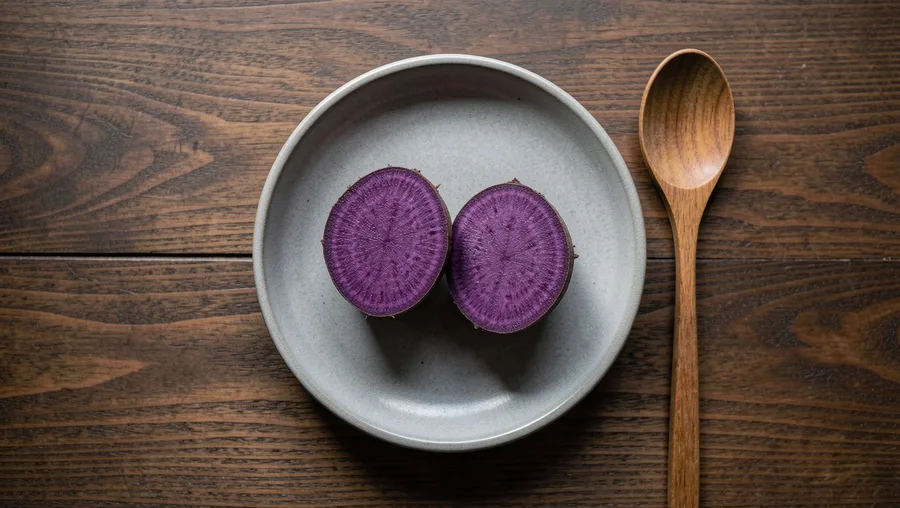
In Okinawa, the daily staple is Beni Imo, a vibrant purple sweet potato rich in anthocyanin antioxidants.
These complex tubers digest slowly, preventing late-night insulin spikes that trigger visceral fat storage around your midsection.
The deep purple pigment provides three times the antioxidant capacity of standard blueberries, supporting vascular health as you age.
Bake two medium purple sweet potatoes at 375 degrees Fahrenheit for 45 minutes until soft to the touch.
Keep the skin intact, as the outer layer contains concentrated dietary fiber that feeds beneficial gut microbiota.
Best For
3. Anchor Your Plate with Fermented Soy Products
You might assume protein requires heavy red meat at night, but dense animal fats slow stomach emptying dramatically.
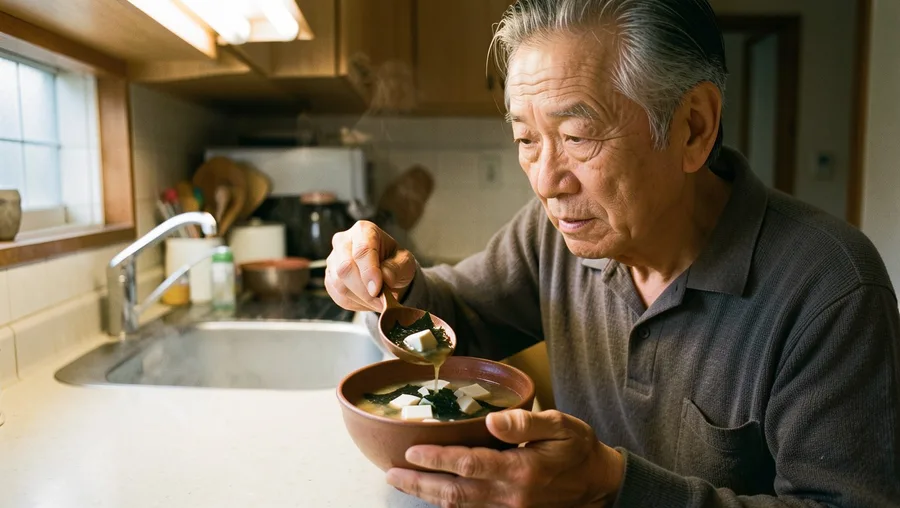
Okinawan centenarians rely on fermented soy like firm tofu, natto, and traditional miso soup for gentle evening protein.
Fermentation breaks down complex soy proteins into easy-to-digest amino acids, eliminating the bloating common with unfermented soy products.
After 50, plant-based iso-flavones in fermented soy help maintain bone density and support arterial flexibility without taxing your liver overnight.
Cube four ounces of organic firm tofu into simmering vegetable broth with wakame seaweed five minutes before serving.
Avoid ultra-processed soy protein isolates found in modern meat substitutes, sticking strictly to simple fermented varieties.
4. Incorporate Bitter Greens Every Single Evening
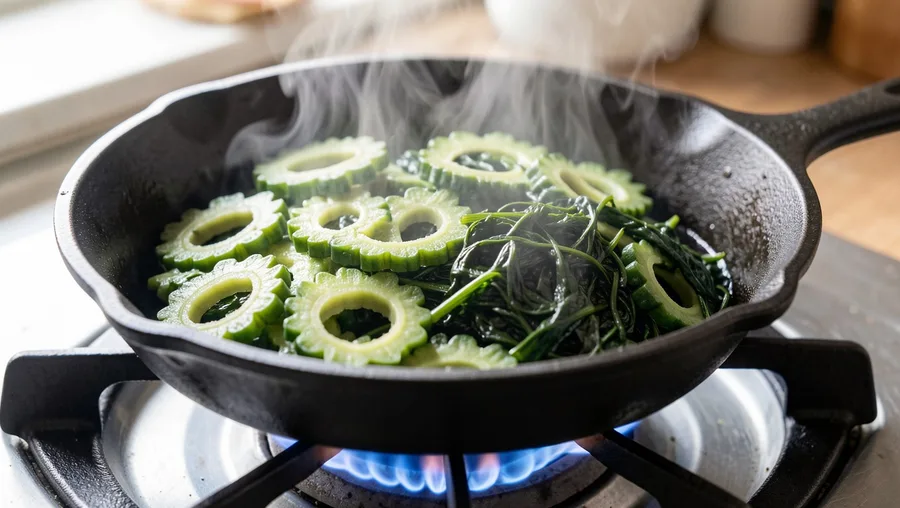
Modern agricultural breeding has eliminated bitter flavors from our vegetables, robbing our digestion of natural stimulation.
Okinawans regularly consume Goya, a bitter melon, alongside leafy dark greens like mustard greens and radish tops.
Bitter compounds trigger taste receptors on your tongue that immediately activate bile production and pancreatic enzyme release.
This enzymatic boost ensures smooth digestion of fats and prevents that heavy, stagnant sensation after eating.
Sauté one cup of chopped bitter greens in a teaspoon of sesame oil for three minutes over medium heat.
If bitter melon is hard to source locally, substitute dandelion greens, escarole, or broccoli rabe for identical digestive benefits.
5. Eat Dinner at Least Three Hours Before Bed
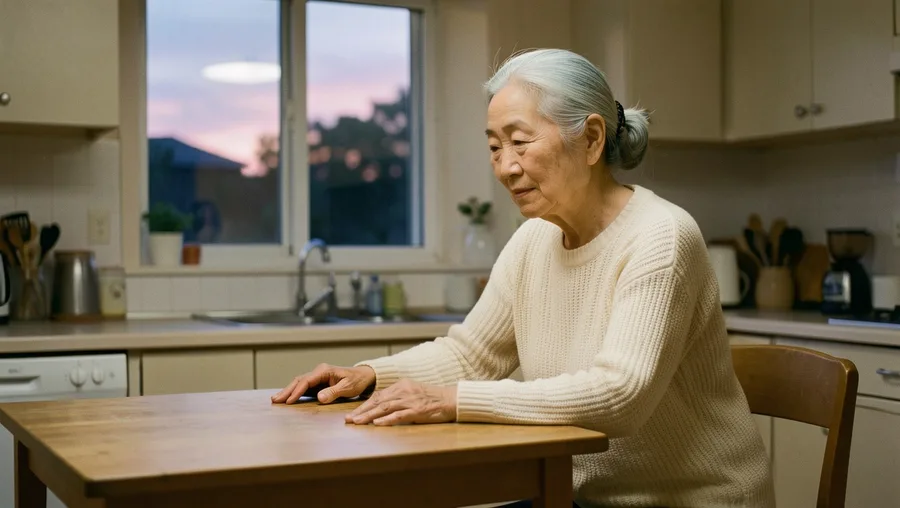
Finishing a meal at 8:30 p.m. and lying down at 10:00 p.m. forces your body to split energy between cellular repair and heavy digestion.
Centenarians in Okinawa finish their evening meal around 5:30 p.m. or 6:00 p.m., leaving several hours before sleep.
Physical therapists and sleep scientists note that horizontal positioning during active digestion causes micro-reflux that ruins deep REM cycles.
Giving your gut three full hours to clear food allows core body temperature to drop naturally for deep, restorative sleep.
Set a firm kitchen closing time at 6:30 p.m. every evening to establish an automatic night-fasting window.
If late hunger strikes, sip warm chamomile tea rather than consuming solid calories that reset your metabolic clock.
💡 Tip: Take a gentle ten-minute stroll after dinner to speed up gastric emptying naturally before sitting down.
Evening Meal Timing Impact
Sleep quality score based on dinner schedule
6. Drink Seaweed Broth to Replenish Mineral Stores
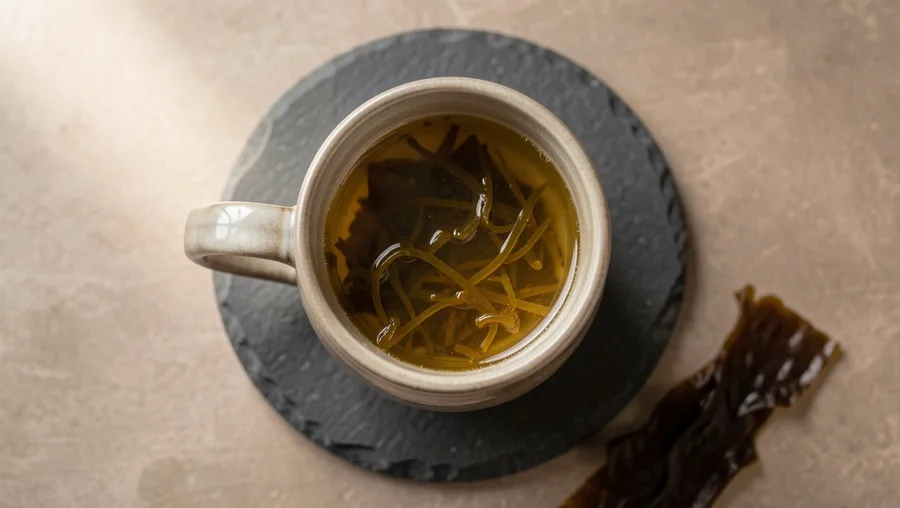
Standard table salt provides isolated sodium without the essential trace minerals required for evening muscle relaxation.
Okinawan broth relies heavily on Kombu and Wakame kelp, yielding a rich umami base packed with magnesium, iodine, and potassium.
Magnesium relaxes vascular smooth muscle, reducing evening leg cramps and helping calm an overactive nervous system.
Iodine supports thyroid function, which regulates resting metabolic rate and body temperature throughout the night.
Simmer a two-inch strip of dried Kombu in three cups of water for fifteen minutes, removing the kelp before boiling.
Sip half a cup of this warm broth as an appetizer before your main meal to prepare your stomach lining for food.
Kombu Broth — At a Glance
⏱️ Prep Time
15 Minutes
🧪 Key Minerals
Magnesium, Iodine, Potassium
🫀 Primary Benefit
Relaxes vascular muscles
☕ Serving Size
4 to 6 Ounces
Why It Works
Bioavailable trace minerals absorb quickly to ease nighttime muscular tension.
7. Use Mushroom Varieties Rich in Bioactive Compounds
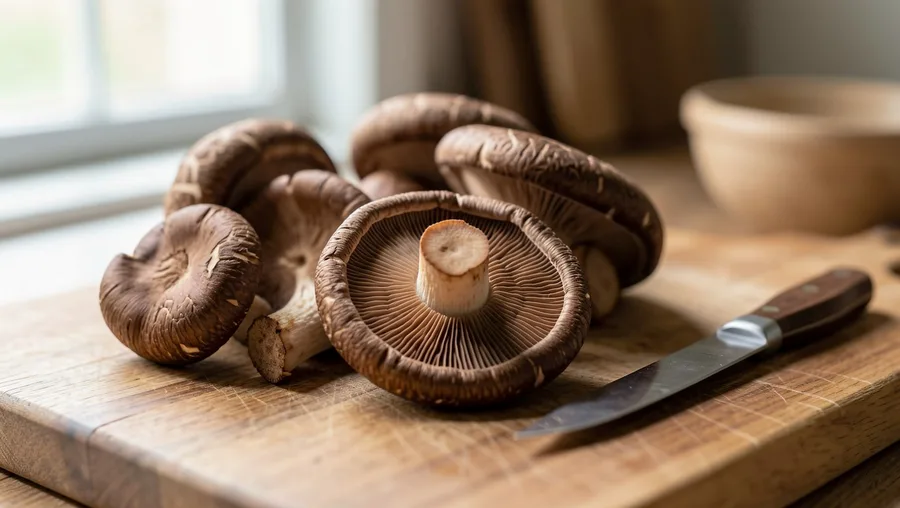
Button mushrooms found in basic salads lack the dense polysaccharide structure needed to support aging immune defenses.
Shiitake, Maitake, and Shimeji mushrooms feature prominently in Okinawan simmered dishes and evening soups.
These medicinal fungi contain beta-glucans that modulate immune cell response without causing systemic inflammation.
They also provide natural ergothioneine, an antioxidant that protects cellular mitochondria from oxidative damage while you sleep.
Sauté sliced Shiitake caps in a splash of tamari sauce until browned, adding them directly to vegetable stews.
Always cook wild or cultivated mushrooms thoroughly, as heat breaks down tough chitin walls to unlock nutrients.
Evening Prep Checklist
-
Pre-soak Kombu kelp in warm water for 10 minutes Unlocks soluble minerals into the broth base
-
Slice bitter greens and sweet potatoes thin Ensures quick, uniform cooking without oil overload
-
Switch to smaller 8-inch salad plates Helps enforce Hara Hachi Bu automatically
8. Prioritize Sea Vegetables for Thyroid and Metabolic Support
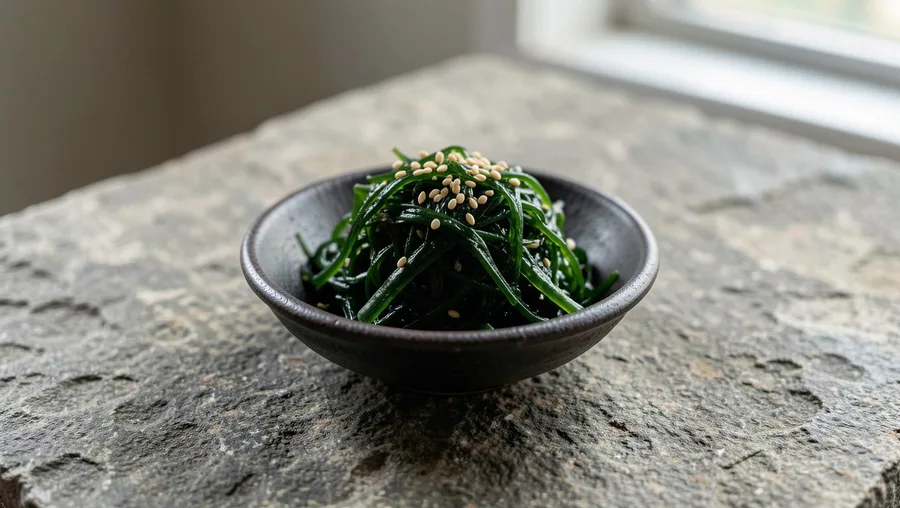
Land vegetables offer essential vitamins, but ocean plants carry thirty times the mineral concentration per dry gram.
Nori, Hijiki, and Mozuku seaweed are daily inclusions on the island, served as cold side salads or soup garnishes.
Mozuku seaweed is exceptionally high in fucoidan, a complex fiber studied for its ability to protect stomach mucosa.
This protective gel layer prevents stomach lining irritation caused by natural digestive acids produced during sleep.
Rehydrate a tablespoon of dried Wakame flakes in cold water for five minutes, drain, and toss with rice vinegar.
Serve this small seaweed salad as your very first bite to coat your stomach before eating denser cooked foods.
9. Eat Whole Plants Instead of Extracted Vegetable Oils
Highly processed seed oils like corn, canola, and soybean oil oxidize easily under high heat, fueling systemic inflammation.
Okinawan cooking uses minimal added fats, obtaining healthy lipids directly from whole seeds, soy, and small fish.
By avoiding hot oil frying, they preserve vascular health and avoid overloading the gallbladder before rest.
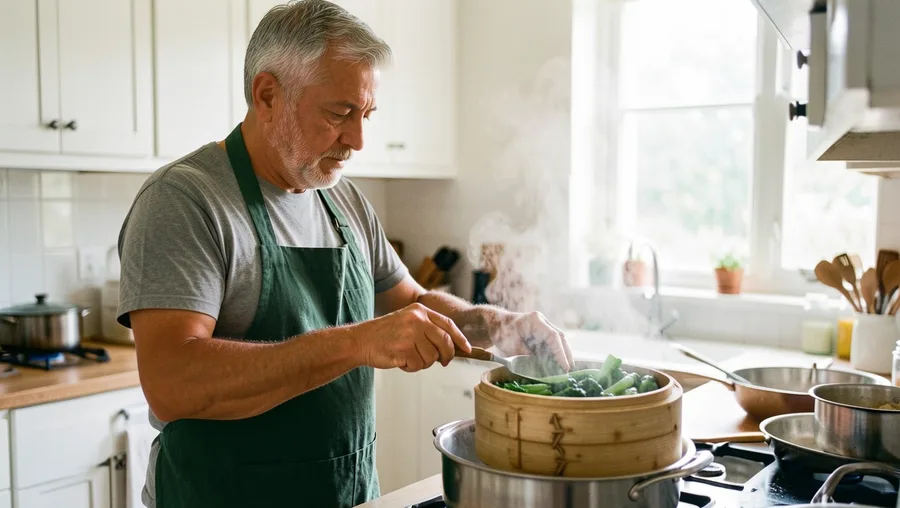
Steaming, simmering, and raw fermentation take priority over heavy pan-frying or deep-frying at dinner.
Swap vegetable frying oil for vegetable stock or water when sautéing your evening greens and vegetables.
Drizzle a quarter-teaspoon of cold-pressed toasted sesame oil onto your dish right before serving purely for aroma.
Choose Your Evening Carbohydrate
10. Include Small Portions of OMEGA-3 Rich Wild Fish
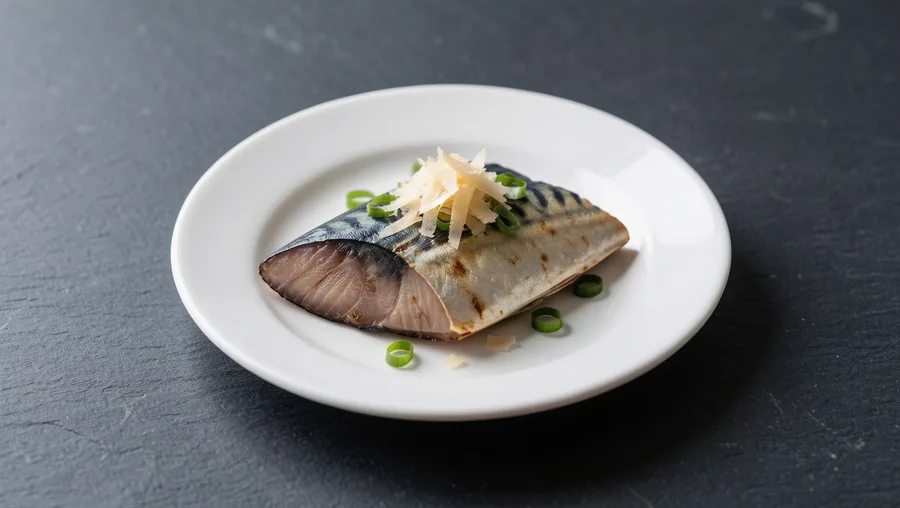
Large steaks and heavy poultry demand hours of intense stomach acid production, elevating heart rate late into the evening.
Okinawan dinners feature small two-ounce portions of wild-caught fish like mackerel, sardine, or small sea bass.
These small fish sit low on the marine food chain, providing high omega-3 fatty acids without heavy mercury accumulation.
Omega-3s EPA and DHA lower resting heart rate and combat joint stiffness that makes waking up uncomfortable.
Bake a three-ounce mackerel fillet with ginger and tamari at 400 degrees Fahrenheit for twelve minutes.
Treat fish as a nutrient-dense side dish rather than the massive center of your dinner plate.
11. Season Foods with Fresh Turmeric and Ginger Root
Pre-packaged sauce mixes rely heavily on hidden corn syrup, sodium preservatives, and artificial flavor enhancers.
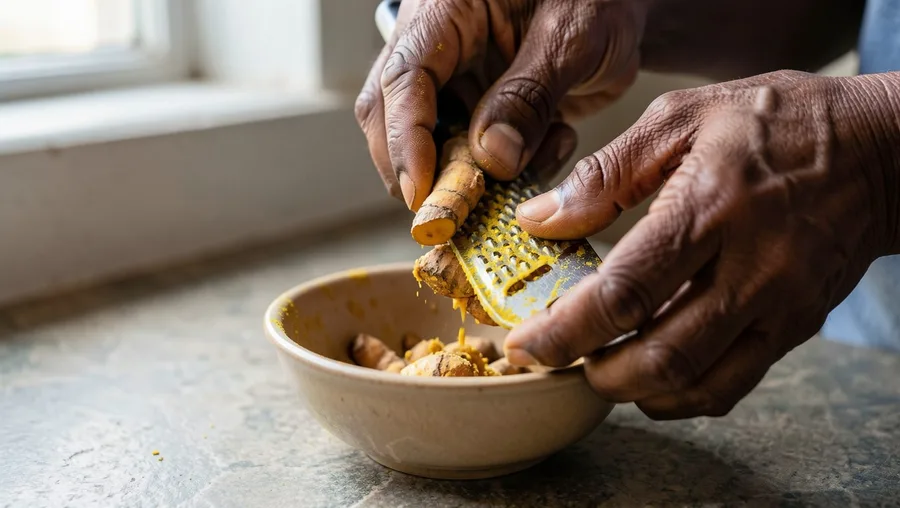
Okinawan elders grate fresh turmeric (Uchon) and ginger root directly into almost every evening soup and stew.
Turmeric contains curcumin, a potent anti-inflammatory compound that suppresses inflammatory pathways linked to joint pain.
Gingerol in fresh ginger accelerates gastric emptying, preventing food from lingering in your stomach long after bedtime.
Grate half a teaspoon of fresh ginger and raw turmeric root into your dinner broth during the last two minutes of cooking.
Pair turmeric with a tiny pinch of ground black pepper to increase curcumin absorption by up to 2,000 percent.
💡 Tip: Keep fresh ginger root in your freezer and grate it skin-on directly into soups using a microplane.
12. Drink Warm Jasmine Green Tea Immediately After Dinner
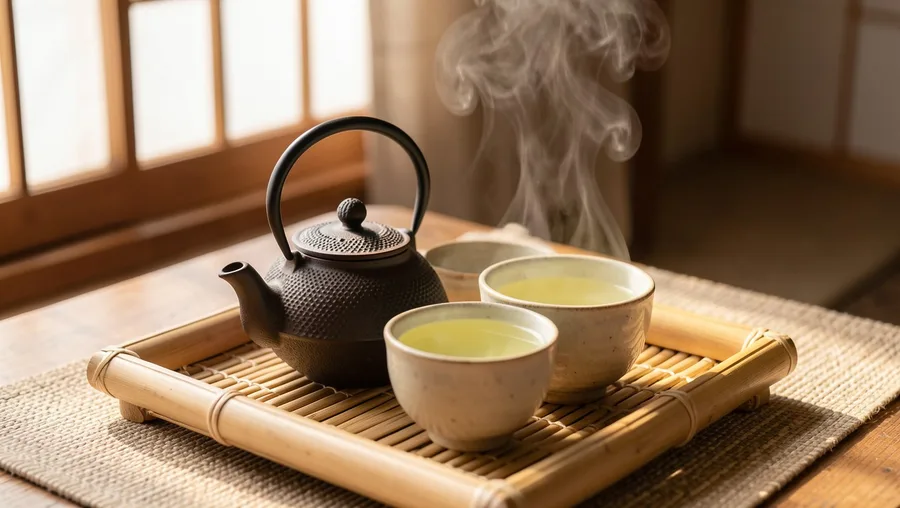
Pouring cold ice water down your throat during or right after a meal dilutes digestive juices and slows breakdown.
Okinawans finish their meal with a warm cup of Sanpin-cha, a blend of green tea leaves and jasmine flowers.
The gentle polyphenols in green tea support vascular function and help regulate post-meal blood glucose levels.
Jasmine aroma provides a mild aromatherapy effect, signaling to your parasympathetic nervous system that dining is complete.
Steep one teaspoon of jasmine green tea leaves in 175-degree water for precisely two minutes to avoid harsh bitterness.
Sip the tea warm twenty minutes after your final bite, refraining from adding dairy milk or sugar.
💡 PRO TIP
Water Temperature Matters
Steep green tea at 175°F rather than boiling 212°F water to keep delicate catechins intact and prevent bitter tannin release.
13. Eat in Silence Without Digital Screen Distractions

Watching news broadcasts or scrolling through smartphones while eating triggers a sympathetic fight-or-flight nervous response.
In traditional Okinawan homes, dinner is eaten in a relaxed, mindful atmosphere with complete attention on the meal.
Eating under stress inhibits saliva production and slows intestinal peristalsis, causing food to ferment improperly in the gut.
Paying attention to sensory details—chewing each bite twenty times—enhances fullness signals and digestive enzyme secretion.
Turn off television screens and leave mobile devices in another room fifteen minutes before sitting down to eat.
Focus entirely on the taste, texture, and aroma of your food to train your brain to recognize true satisfaction.
Evening Dining Habits Contrast
Standard Western Dinner
- Heavy meat-centered 12 oz plates
- Process seed oil pan frying
- Eating while watching news screens
- Late dining 1 hour before bed
Traditional Okinawan Dinner
- 80% full rule (Hara Hachi Bu)
- Steamed purple sweet potatoes & greens
- Quiet, mindful dining environment
- Finishing meal 3 hours before sleep
14. Cultivate Social Connection During the Evening Meal
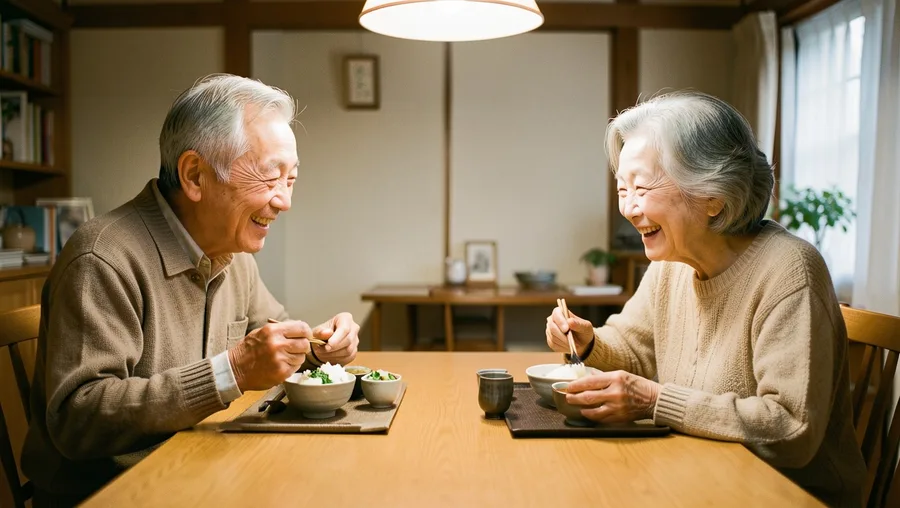
Solitary dining often leads to rushed chewing, mindless overeating, and an elevated sense of isolation.
Okinawan elders regularly share evening meals with family or local 'Moai' social support groups.
Laughter and calm conversation release oxytocin, which directly lowers cortisol levels and promotes parasympathetic digestion.
Studies on adults over 60 show that regular shared meals correlate directly with higher self-reported vitality and better sleep.
Invite a neighbor, partner, or friend to share your dinner table at least three evenings every week.
Keep table topics light and uplifting, avoiding stressful family logistics or contentious political debate during mealtime.
🌙 The Okinawan Evening Rhythm
5:30 PM — Mineral Prep
Sip four ounces of warm kombu sea vegetable broth to prime stomach stretch receptors.
6:00 PM — Mindful Meal
Eat a plant-centered plate of sweet potatoes, greens, and tofu until 80 percent full.
6:30 PM — Kitchen Close
Clear the dining table and stop all solid food consumption for the remainder of the night.
7:00 PM — Post-Dinner Walk
Take a gentle ten-minute walk to encourage natural gastric emptying and lower blood glucose.
9:30 PM — Sleep Transition
Retire to bed with an empty stomach, enabling deep repair cycles without digestive interference.
15. Keep Evening Portions Small and Nutrient Dense
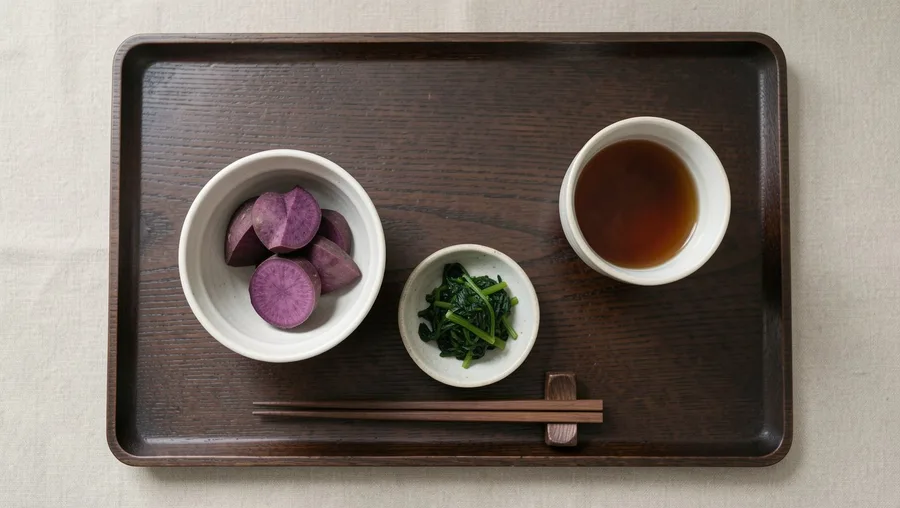
Treating dinner as the largest meal of the day forces your body to work hardest when its metabolic rate is lowest.
Okinawans follow a declining calorie gradient throughout the day, eating their smallest cooked meal in the evening.
Consuming fewer total calories at night prevents liver fat accumulation and maintains high nighttime growth hormone release.
Higher growth hormone levels allow your body to repair muscle tissue and joints efficiently while you sleep.
Cap your total evening meal volume at two visual fists of food—one fist of complex starches/greens, one fist of broth/protein.
Shift your primary calorie intake toward breakfast and lunch when your physical activity and insulin sensitivity peak.
Calorie Distribution by Meal
Traditional Blue Zone daily intake balance
Avoid These Common Mistakes
Start With This One
You do not need to overhaul your entire kitchen pantry by tomorrow evening to see real changes in your digestion and morning energy.
If you make only one modification tonight, enforce the three-hour buffer between your last bite of food and lying down in bed.
Giving your body the space to digest food before sleep clears the path for deeper rest, lighter mornings, and long-term metabolic health.

Meet Edward Green, the founder of GolfingGoal and a seasoned expert in golf. With years of experience on the course and a passion for the sport, Edward has a wealth of knowledge to share. As our Lead Writer, he contributes articles, tutorials, and resources to help readers to improve their skills and reach their full potential on the golf course. Join Our Team!