
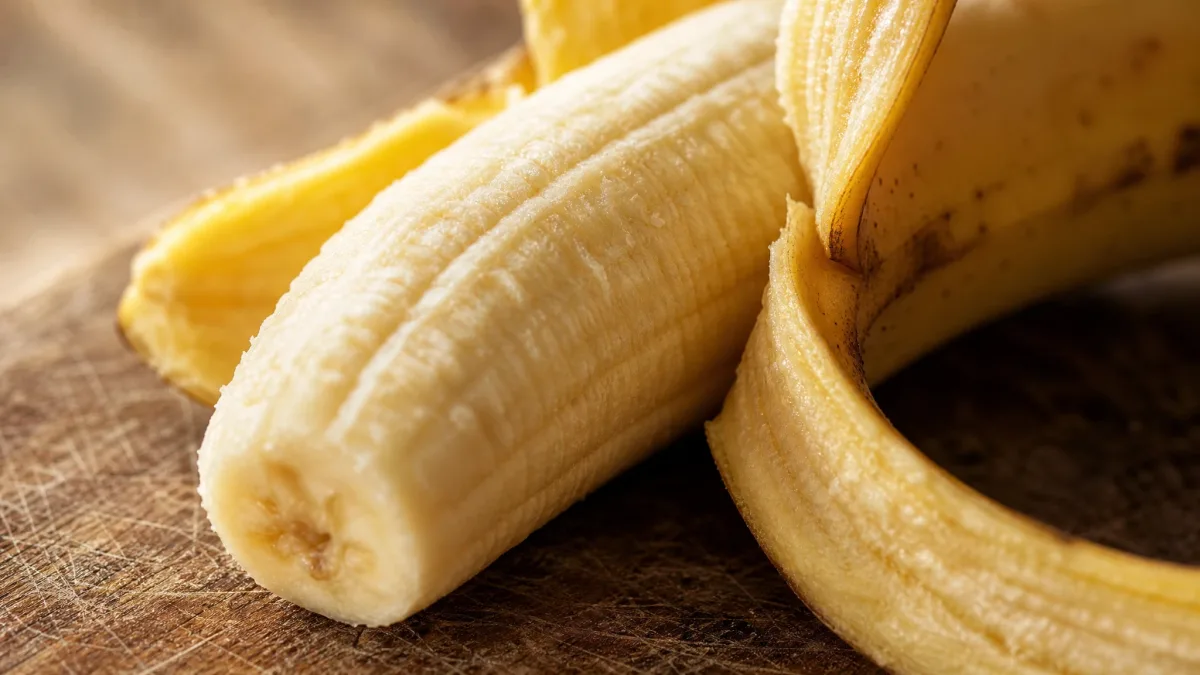
You reach for the fruit bowl every single morning, peel back the yellow skin, and wonder if that daily habit is actually helping your health or sabotaging it.
Millions of people eat one every single day, yet modern wellness feeds label it a sugar bomb because of its fourteen grams of natural carbohydrates.
Let us strip away the social media noise and examine the exact physiological cascade that occurs across twenty-four hours and thirty consecutive days of daily consumption.
You do not need to fear fruit carbohydrates when you understand how your metabolism processes them.
💡 PRO TIP
Baseline Nutritional Profile
A standard medium banana delivers approximately 105 calories, 422 milligrams of potassium, 3 grams of dietary fiber, and 20 percent of your daily Vitamin B6.
The First Hour: Digestion and Blood Sugar Realities

Enzymatic breakdown starts the moment you chew, releasing starches into your stomach and upper small intestine.
Resistant starch found in slightly firm bananas acts as a powerful prebiotic, passing undigested into the lower gut.
The glycemic response remains balanced because dietary fiber and pectin slow down the absorption of fructose into your bloodstream.
This prevents the sharp metabolic spikes caused by processed sweets.
Unripe green fruit offers higher resistant starch and a lower glycemic index, while fully spotted fruit delivers higher free sugars and rapid absorption.
Debunking Daily Banana Myths
Potassium and the Cardiovascular Cascade

Potassium is the quiet workhorse of your circulatory system, driving fluid balance across every cellular membrane.
Each medium fruit provides roughly 422 milligrams of this essential electrolyte, directly counteracting sodium-induced vasoconstriction.
Maintaining this precise sodium-potassium gradient supports stable resting blood pressure and reduces strain on arterial walls.
Major health authorities consistently link adequate dietary potassium intake with a reduced long-term risk of stroke in adults over fifty.
Potassium Sources Compared — At a Glance
🍌 Banana (Medium)
422 mg Potassium
🥔 Baked Potato
900 mg Potassium
🥬 Spinach (1 Cup Cooked)
839 mg Potassium
🥑 Avocado (Whole)
975 mg Potassium
Cardiovascular Impact
Consistent daily potassium intake helps regulate vascular tone without requiring supplementation.
Gut Microbiome and Short-Chain Fatty Acid Production
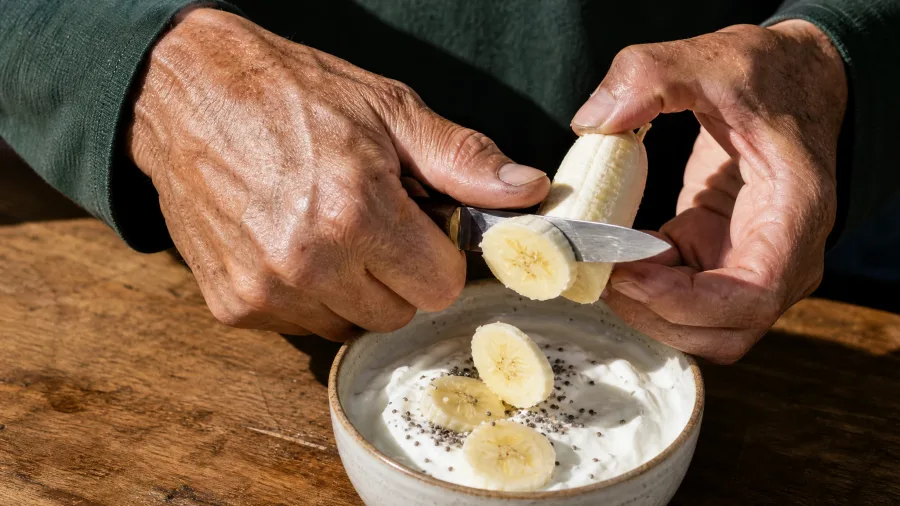
Your lower digestive tract responds immediately to the influx of specialized dietary fibers.
Fructooligosaccharides pass untouched through upper digestion to nourish beneficial bifidobacteria colonies in your colon.
Bacterial fermentation of these compounds produces vital short-chain fatty acids like butyrate, which directly nourish colonocytes.
Daily pectin intake also adds reliable bulk to stool, supporting smooth transit time without harsh laxatives.
Nervous System Support: Vitamin B6 and Mood Regulation

Neurological function relies heavily on steady micronutrient availability throughout your busy week.
Vitamin B6 acts as an essential cofactor in over one hundred enzymatic reactions involving protein metabolism and neurotransmitter synthesis.
Adequate pyridoxine helps your body convert amino acids into serotonin and dopamine, supporting stable mood and cognitive focus.
Magnesium and potassium work synergistically here to support muscle relaxation and prevent painful nocturnal cramps.
Key Micronutrient Pathways
The Turning Point: When 1 Banana Daily Becomes Too Much

Scientific consensus agrees that for healthy adults, one banana daily is entirely safe and deeply beneficial.
Exceptions exist for individuals managing advanced chronic kidney disease who must strictly monitor potassium intake.
Those managing severe insulin resistance or Type 2 diabetes must also account for total carbohydrate loads in their daily meal planning.
Adding surplus calories on top of an already hypercaloric diet will inevitably lead to weight gain, regardless of the healthy food source.
⚠️ COMMON MISTAKE
Medical Exemption Notice
If you have stage 4 or stage 5 chronic kidney disease or hyperkalemia, consult your physician before adding high-potassium foods to your daily routine.
Self-Check Payoff: Is Daily Consumption Right for Your Metabolic Type?

Audit your personal activity levels before deciding how this fruit fits into your nutritional framework.
Endurance athletes benefit immensely from rapid glycogen replenishment, while sedentary individuals should balance total daily carbohydrate limits.
Select your preferred ripeness stage based on digestive sensitivity and blood sugar management goals.
Pairing your daily fruit with a healthy fat or protein source creates an ideal metabolic buffer.
📅 Your 30-Day Dietary Integration Roadmap
Week 1
Notice improved digestive regularity as prebiotic fibers nourish your gut microbiome.
Week 2
Experience stable afternoon energy levels as steady potassium supports your circulatory rhythm.
Week 3
Observe reduced muscle cramping during physical activity due to balanced electrolyte levels.
Week 4
Seamlessly integrate your daily fruit as a natural cornerstone of your holistic wellness plan.
Nutritional Contribution Breakdown
Percentage of recommended daily intake provided by one medium fruit
Choosing Your Ripeness Stage
Green-Tipped Fruit
- Higher resistant starch content
- Slower glycemic absorption rate
- Ideal for blood sugar management
- Firmer texture with earthy flavor
Fully Spotted Fruit
- Higher simple sugar concentration
- Faster digestion for athletic recovery
- Softer texture with sweet flavor profile
- Easier for sensitive stomachs to process
Metabolic Impact of Daily Inclusion
Best Pairing Strategies
Frequently Asked Questions
Does eating a banana every day cause weight gain?
Weight gain is driven by an overall caloric surplus rather than individual whole foods. At approximately 105 calories with zero fat, a daily banana fits easily into most weight management frameworks when balanced against your total daily energy intake.
Are green bananas better for blood sugar than ripe ones?
Yes. Green and slightly firm bananas contain higher amounts of resistant starch, which digests more slowly and results in a more gradual glycemic response compared to fully ripe, sweet bananas.
Can you get too much potassium from eating one banana a day?
For individuals with healthy kidney function, one banana daily is well below the threshold of hyperkalemia. Your kidneys efficiently excrete excess dietary potassium without medical intervention.
Is it better to eat a banana before or after a workout?
Both approaches work effectively depending on your specific goals. Before exercise, it provides quick-digesting carbohydrates for immediate energy; afterward, it helps replenish depleted glycogen stores when paired with a quality protein source.
Can diabetics safely eat a banana every day?
Many individuals managing diabetes successfully include a banana by monitoring total carbohydrate counts, choosing slightly less ripe fruit with higher resistant starch, and pairing it with healthy fats or proteins to blunt the glycemic curve.
Your Daily Fruit Protocol: Making It Work for Your Metabolism
Integrating a single banana into your daily routine is a simple, evidence-backed habit that supports your gut, heart, and nervous system.
Choose your ripeness based on your metabolic goals, pair it thoughtfully with proteins or healthy fats, and enjoy the reliable nourishment it brings to your table.

Meet Edward Green, the founder of GolfingGoal and a seasoned expert in golf. With years of experience on the course and a passion for the sport, Edward has a wealth of knowledge to share. As our Lead Writer, he contributes articles, tutorials, and resources to help readers to improve their skills and reach their full potential on the golf course. Join Our Team!