
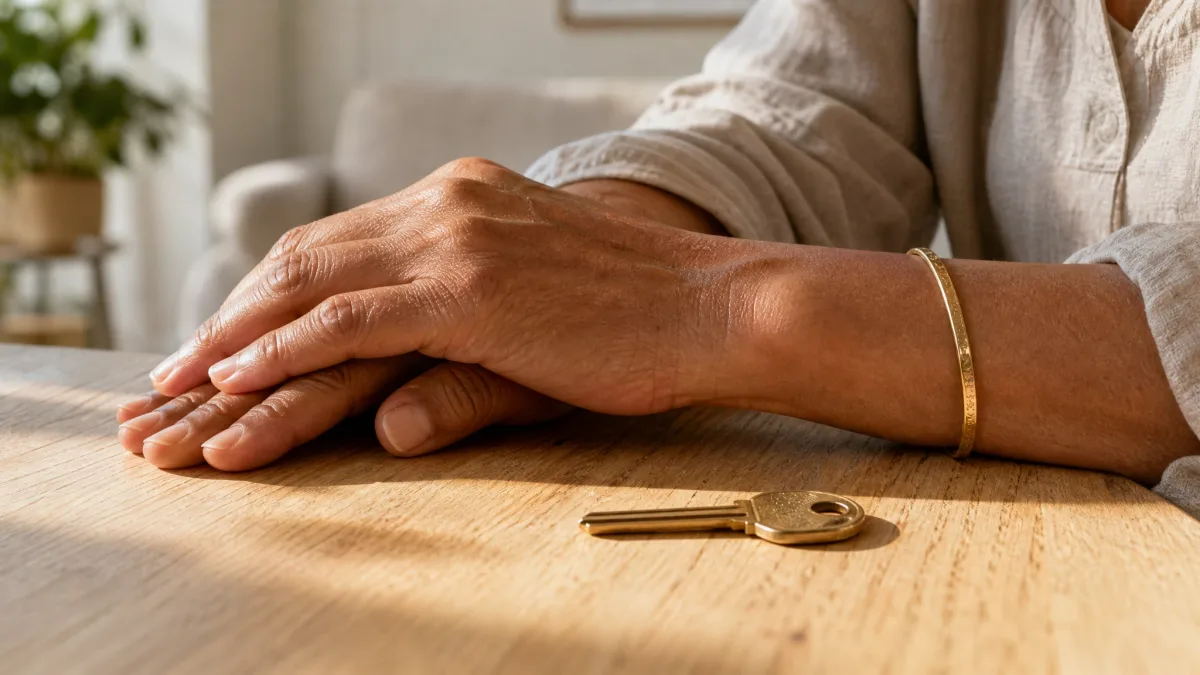
Is choosing to live alone after 50 a recipe for isolation, or is it the most liberating move of your adult life? Here is how sole occupancy shifts from an unfamiliar silence into a deeply sustainable, thriving reality.
Decades of managing family schedules often cause an unshared household to be mistaken for an emotional loss or involuntary loneliness. In reality, stepping away from domestic caretaking removes continuous low-grade compromise, giving your nervous system immediate space to decompress.
Running a home on your own terms restores your natural biological rhythms, financial clarity, and personal identity without sacrificing close bonds. Supported by deliberate local connections and practical safety systems, living solo functions as an enduring foundation for autonomy.
Solo Living Realities at a Glance
Caretaking Duties End and Personal Energy Returns

Shedding the constant mental tally of other people's schedules and emotional states releases cognitive energy rather than leaving an empty void. You are no longer tracking who ate what, what needs restocking, or whose mood needs soothing across the dinner table.
The quiet kitchen is a relief, not an absence.
For women past 50, sole accountability for meals and maintenance brings an immediate physiological ease. Making a single plate of scrambled eggs at eight in the evening replaces the exhausting cycle of planning, grocery shopping, and preparing multi-course family dinners to suit competing preferences.
The sudden disappearance of caregiving routines can trigger sharp disorientation for anyone carrying unresolved empty-nest grief. When thirty years of continuous domestic rhythm stop, the initial quiet can temporarily feel like a loss of purpose.
Yet shifting away from constant accommodation redirects that reclaimed attention inward, allowing you to direct your mental capacity toward personal projects that sat on hold for decades.
The Shift in Daily Emotional Bandwidth
How solo living alters daily household patterns for women past 50
Solitude Rebuilds Identity Outside Past Family Roles

Living alone provides the unobserved physical space required to separate personal preferences from decades of domestic service. When decades spent primarily as a mother or partner tie your identity to utility and external approval, being unwatched allows long-dormant interests, creative pursuits, or university coursework to resurface naturally.
No one is waiting for the table to be cleared.
Leaving a set of watercolor paints and wet paper spread across the dining table all week marks a concrete shift from serving family routines to honoring your own focus.
Unstructured evenings can feel unnerving at first, especially when you are accustomed to measuring time by other people's demands. It takes weeks for the nervous system to recalibrate that quiet stillness from an uncomfortable vacuum into a restorative state of self-governance.
Unmediated by the expectations of adult children or partners, idle hours turn into steady identity building, shaped entirely on your own terms.
Independence Removes the Daily Friction of Cohabitation
Sharing a home with someone you love still requires an endless stream of silent, low-grade compromises that solo living quietly removes.
Constant micro-negotiations over thermostat dials set at 68 versus 72 degrees, sink clutter, late-night television volume, and differing standards of tidiness keep the nervous system in persistent, low-level vigilance. Stripping away those perpetual micro-adjustments allows resting blood pressure to stabilize, sleep cycles to run uninterrupted, and daily emotional regulation to restore itself naturally over time.
Intimacy often deepens once domestic friction disappears.
Many women sustain committed, deeply affectionate partnerships through living-apart-together arrangements, maintaining two entirely separate physical residences. Meeting for planned weekend dinners or theater dates feels deliberate and engaging because neither person is quietly harboring resentment over unwashed pans, forgotten errands, or conflicting evening habits that compound over decades under the same roof.
True autonomy cleanly separates genuine affection for another human being from the compulsory, exhausting compromise of sharing a single physical hallway every day.
🌱 GROWING TIP
The Living-Apart-Together Model
Maintaining separate households while dating protects your domestic independence without sacrificing emotional intimacy. Set clear expectations around weekly visit schedules and personal quiet days early in the relationship.
Daily Schedules Run Entirely on Personal Rhythms

Daily autonomy feels like an immediate reduction in baseline physical fatigue as waking, eating, and resting align completely with your natural circadian rhythms.
Sleeping in an undisturbed bedroom eliminates the nightly disruptions caused by a partner shifting weight, pulling blankets, or snoring into the early morning hours. That unbroken rest directly sharpens cognitive focus and strengthens immune health, converting sleep from a shared compromise into deep, predictable physical recovery.
Reading under a bedside lamp until 2:00 AM requires no permission.
You can prepare dinner at nine o'clock or skip cooking entirely, eating without defending your appetite, scheduling around someone else's arrival, or coordinating shared kitchen space.
The absence of a rigid household schedule does demand conscious self-discipline to prevent erratic bedtimes and missed meals from quietly setting in. Still, anchoring daily effort to your personal biological peaks builds sustained stamina, permanently replacing the habit of living on someone else's clock.
Domestic Living Comparison
Shared Household Compromise
- Thermostat and noise battles
- Fragmented sleep from partner movement
- Constant negotiation over meal timing
- Guilt over private hobbies and clutter
Autonomous Solo Living
- Complete environmental control
- Undisturbed nightly sleep cycles
- Meals planned around natural hunger
- Total freedom to leave projects out
Living Spaces Reflect Purely Personal Tastes

Domestic decor matters because an environment shaped entirely by your aesthetic instincts directly anchors emotional stability and reinforces daily personal agency.
Selecting paint colors, hanging artwork at your preferred height, and setting baseline clutter standards without negotiation creates a quiet, enduring sense of pride. When every surface answers only to your preferences, the home stops functioning as a site of ongoing domestic compromise and becomes a restorative personal sanctuary.
You can furnish a sunlit corner solely for your morning reading.
That means keeping space for a single comfortable armchair and a low bookshelf, without having to accommodate an oversized television console or a partner's bulky secondary recliner just to keep the peace.
Total spatial freedom does introduce the practical challenge of managing upkeep alone, where seasonal maintenance tasks like changing furnace filters or inspecting roof flashing can easily be overlooked. Establishing regular inspection routines protects the property, keeping the home an empowering physical reflection of deliberate self-determination.
Solo Home Sanctuary — At a Glance
🛋️ Aesthetic Control
100% Personal Choice
🧹 Cleaning Standards
Zero Shared Friction
🌡️ Climate Control
Exact Preferred Temp
🔧 Maintenance Plan
Scheduled Monthly Audits
Design Principle
Every room should serve your daily habits, not traditional expectations.
Financial Decisions Belong Exclusively to One Person

Living alone remains financially sustainable and rewarding because sole authority over household spending permanently eliminates the friction of joint accounts and misaligned priorities.
Ending the habit of justifying minor purchases or managing a partner's conflicting habits removes a major source of chronic domestic anxiety. Discretionary money directs itself straight toward your own chosen values, whether enrolling in a university course, renovating a garden patio, or funding solo travel.
Booking a solo walking trip through Portugal requires zero financial negotiation.
You allocate the deposit, choose the travel dates, and purchase tickets without debating whether the expense is justifiable or offering a compensatory trade-off on next month's shared household budget.
Single-income living does require strict logistical prudence, specifically building a liquid emergency reserve that covers six full months of baseline expenses. That cash buffer provides genuine security, allowing every single dollar to reflect your personal goals rather than a series of draining financial compromises.
Financial Priorities for Solo Living Stability
Chosen Friendships Replace Obligatory Social Obligations

Managing your own household allows you to build social connections out of genuine interest rather than defaulting to company out of habit.
Loneliness is the sharp ache of feeling disconnected, while intentional solitude is the steady, restorative state of resting in your own company. Cohabitating couples often let their social world shrink down to the living room couch. Solo dwellers, by contrast, tend to maintain broader, more active networks across their communities.
Proximity is never a substitute for real affinity.
Evenings once spent making polite conversation with a partner's colleagues give way to standing Thursday dinners and neighborhood book groups you actually look forward to. Still, self-reliance requires attention: a bad flu or a minor mobility injury can turn quiet days into sudden isolation if you have not organized practical social routines in advance.
Active community building means your social calendar reflects mutual care and conscious choice, rather than the automatic convenience of sharing a hallway.
⚠️ COMMON MISTAKE
Assuming Proximity Equals Connection
Living with another person does not protect against loneliness if emotional intimacy is missing. True connection comes from intentional vulnerability and shared interests with chosen friends.
Proactive Safety Networks Replace Partner Reliance
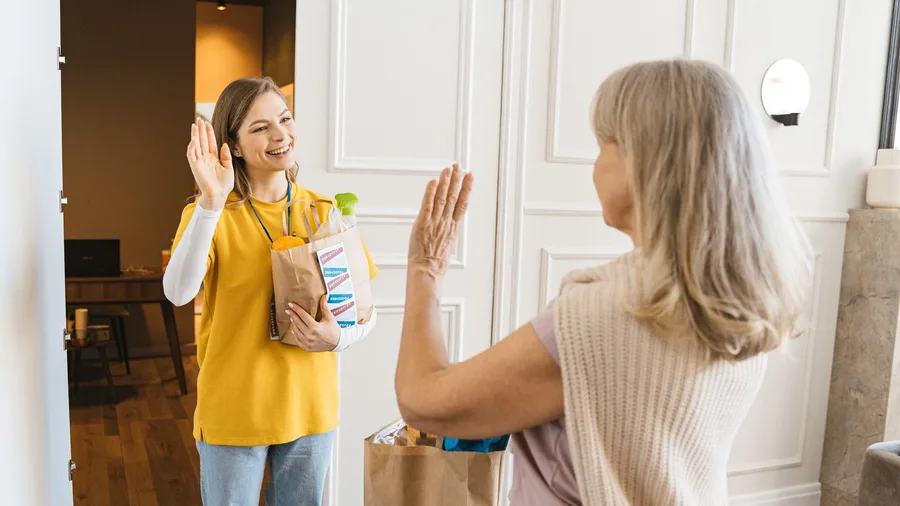
Strong community ties allow you to replace the passive security of a live-in partner with deliberate, organized support systems of your own.
Managing physical vulnerability in an independent household depends on clear logistics rather than hoping someone in the next room hears a fall. Exchanging spare front-door keys with two dependable neighbors and setting up automated daily check-in mobile apps provides reliable daily backup without intruding on your private domestic space.
True security is built through design, not assumption.
Practical confidence deepens when you have clear medical directives on file, visible emergency contacts on the refrigerator, and accessible utility shutoffs. At the same time, recognizing changes in your health – like recurrent dizzy spells, unmanaged fall hazards, or progressive memory issues – marks the exact boundary where solo living should give way to assisted residential support.
Explicit safety planning turns what might otherwise feel like physical exposure into a dependable, well-ordered foundation for long-term independent living.
🛡️ Building Your Solo Household Safety Net
Exchange Neighbor Keys
Give spare physical keys to two dependable neighbors living on your immediate block.
Establish Daily Check-ins
Set up a mutual morning text routine or automated mobile check-in with a trusted friend.
Consolidate Emergency Docs
Store healthcare proxies, medical histories, and insurance policies in one visible binder.
Compile Trade Directory
Keep vetted phone numbers for a trusted plumber, electrician, and handyman on your fridge.
Frequently Asked Questions
How do I handle sudden loneliness when living alone after 50?
Acknowledge the feeling as a temporary signal for connection rather than a permanent state. Step outside for a walk in a bustling neighborhood, call a close friend, or dive into a focused creative project to shift your emotional focus.
Is living apart together practical for serious long-term relationships?
Yes, many couples over fifty successfully maintain separate residences for decades. It preserves personal space and daily autonomy while providing consistent emotional intimacy, romantic dates, and companionship.
What is the biggest initial adjustment to solo living?
Recalibrating your nervous system to silence is usually the hardest hurdle. Developing intentional daily morning and evening routines helps turn an initially quiet house into a comforting sanctuary.
How much emergency savings should a single woman maintain?
Aim for a minimum of six months of essential living expenses kept in an accessible high-yield savings account. This buffer protects you against sudden home repairs, auto expenses, or medical bills without taking on debt.
Claiming One Space Entirely for Yourself
Solo living after 50 is a deliberate choice for emotional recovery and spatial sovereignty, not a passive fallback.
Test your readiness before making a permanent leap. Spend two weeks in a rental alone to experience the rhythm firsthand, exchange keys with three dependable local neighbors, establish an automated daily check-in routine, and secure a dedicated six-month cash reserve.
The question was never whether living alone after 50 brings isolation or liberation. Once you put practical support in place, that quiet front door becomes the gateway to the most peaceful freedom you have ever known.
Review Your Home Safety and Social Anchors
Take ten minutes today to establish your emergency neighbor contacts and audit your weekly social routines for true long-term independence.

Meet Edward Green, the founder of GolfingGoal and a seasoned expert in golf. With years of experience on the course and a passion for the sport, Edward has a wealth of knowledge to share. As our Lead Writer, he contributes articles, tutorials, and resources to help readers to improve their skills and reach their full potential on the golf course. Join Our Team!