

Misjudging the shift into retirement costs couples years of daily friction, eroded goodwill, and an unexpected emotional distance in the home they planned to share peacefully.
Most partners anticipate an endless vacation after decades of managing separate commutes, office deadlines, and competing domestic logistics. Yet constant, unscheduled proximity quickly strips away the built-in structural buffers that once absorbed differences and masked growing relational gaps.
Proximity alone does not generate intimacy. Whether a post-career partnership deepens or fractures depends on how deliberately both people renegotiate personal autonomy, domestic territory, and a shared sense of direction.
| Relational Dynamic | Couples Who Drift Apart | Couples Who Grow Closer |
|---|---|---|
| Daily Physical Space | Hovering in shared rooms and monitoring each other's routines | Establishing dedicated solitary zones and scheduled alone time |
| Staggered Retirement | Holding silent resentment over chore splits and daily free time | Forming explicit temporary agreements on domestic administration |
| Leisure Calendars | Expecting total consensus and constant joint travel | Splitting schedules into solo hobbies, peer outings, and select shared trips |
| Identity & Status Loss | Demanding total emotional validation and entertainment from a partner | Processing career grief while building outside personal purpose |
| Social Connection | Restricting socializing to joint couple dinners and shared circles | Maintaining independent friendships and distinct weekly groups |
| Domestic Authority | Micromanaging pantry organization, cooking methods, and daily chores | Assigning distinct ownership domains for household tasks |
Unmanaged Daily Togetherness Overwhelms Personal Space

Constant togetherness feels suffocating because decades of working life provided built-in decompression buffers without either partner needing to ask for them. Separate commutes, distinct workspaces, and solitary morning routines quietly absorbed daily tension. When those structural buffers disappear overnight, uninterrupted presence turns from a long-awaited luxury into sensory fatigue.
Proximity alone does not create warmth.
Without structured solitude, partners often slide into micro-monitoring trivial habits, silently tracking when the other person makes coffee, checks their phone, or leaves the room.
Struggling couples tend to drift through common living areas all day, letting simple movement register as continuous noise. Those who adapt establish distinct physical territories early on, setting up a garage workshop, a corner desk, or a garden shed where each person can work on their own tasks uninterrupted.
Solitude is an active relationship tool.
Deliberately scheduling quiet hours protects each person's emotional balance, making the time you share in the evening feel like a conscious choice rather than an unavoidable default.
The Daily Reality of Post-Career Time
How structural time shifts affect partnership bandwidth
Staggered Retirement Timings Breed Resentment and Guilt

Disparities in retirement timing distort domestic balance when one partner leaves for an early commute while the other inherits an entire day of unscheduled freedom. The sharp contrast in daily pressure creates friction before the working spouse even walks back through the front door.
Bitterness takes root when household chores remain split down the middle despite one person possessing eight extra hours of daylight.
The retired partner rarely feels relaxed either.
Guilt often leads them to postpone personal hobbies, downplay outings with friends, or tiptoe around home projects so they do not seem too comfortable. They spend the afternoon pacing their leisure, bracing for the working spouse to arrive home drained from an office environment they no longer share.
Thriving couples resolve this imbalance by drafting temporary agreements, shifting daily administrative errands and meal planning onto the partner at home without turning that interim distribution of labor into a lifelong expectation.
💡 PRO TIP
The Staggered Transition Rule
If one partner works while the other is retired, hold a monthly 15-minute logistics review. Rebalance errands and meal responsibilities so the working partner genuinely enjoys shared evenings instead of inheriting second-shift chores.
Clashing Expectations of Shared Activity Trigger Disappointment

Friction explodes after leaving work when one person envisions an active calendar of travel while the other wants uninterrupted domestic stillness. What seems like an argument over plane tickets or weekly schedules is really an unexamined collision between two fundamentally different modes of recovery.
Conflicting energy levels are easily mistaken for emotional indifference.
When one partner declines a social weekend to stay on the porch with a book, the more active spouse frequently interprets the refusal as emotional withdrawal. In reality, one person rebuilds energy through movement and external novelty, while the other requires low sensory input to decompress from career demands.
Demanding total consensus for every weekday outing turns ordinary recreation into a source of chronic marital negotiation and mutual fatigue.
Resilient partners protect their bond by separating their itineraries into independent hobby circles, solo day trips, and a shared core of joint plans that both genuinely want to pursue.
Managing Daily Schedules and Activities
Couples Who Drift Apart
- Insist on participating in every hobby and outing together
- Interpret a partner's need for quiet as rejection or boredom
- Abandon outside peer groups to socialize exclusively as a duo
- Expect spontaneous agreement on every daily plan
Couples Who Grow Closer
- Maintain independent sports, classes, and volunteer schedules
- Treat different energy levels as natural biological preferences
- Protect solo friendships and distinct weekly group gatherings
- Designate specific, high-quality shared days on a monthly calendar
Losing Professional Status Can Strain Emotional Equilibrium

The abrupt loss of professional standing often turns a spouse's sudden irritability or clinginess into a substitute for the authority, daily problems, and built-in validation their workplace provided yesterday.
Leaving a job ends decades of being needed on schedule, and when that disorientation goes unnamed, it usually surfaces at home as silent withdrawal or hyper-critical commentary over minor chores. The house becomes the only remaining arena where a disoriented partner can try to exert influence or seek significance.
No marriage can carry the entire weight of someone's self-worth.
Expecting one person to provide every drop of social feedback, purpose, and daily structure strains the relationship until resentment builds on both sides of the breakfast table.
Couples who handle this shift well acknowledge how hard it is to lose a career identity without letting one partner become the full-time manager of the other's days. They listen to the grief, but they maintain clear boundaries that require each person to build their own meaning beyond the former desk.
Preserving Outside Friendships Keeps Marital Attraction Alive

Merging every social interaction into a package deal drains the energy out of a relationship rather than drawing two partners closer together.
When couples drop their separate friends to spend every dinner and weekend as a unit, conversation naturally stalls. If both of you saw the same people, heard the same stories, and experienced the exact same hours, there is nothing fresh or surprising left to report across the dinner table.
Shared history requires separate inputs to stay interesting.
Solo dinners, separate volunteer circles, and independent peer groups give each person an external outlet for venting and humor that does not burden the marriage. Coming home after an afternoon spent apart restores genuine curiosity, giving partners a reason to ask questions and listen rather than simply coexisting in silence.
Sustained attraction depends on seeing a partner as an independent person with their own thoughts and ties, rather than merely an extension of the living room couch.
Healthy Post-Career Boundary Framework
🏡 Physical Space
Separate Solo Zones
👥 Social Life
Independent Friendships
🍳 Kitchen & Chores
Sole Domain Ownership
🧭 Major Goals
Co-Created Projects
Core Rule
Interdependence functions best when personal autonomy is firmly defended by both partners.
Relinquishing Kitchen and Home Control Sparks Turf Wars
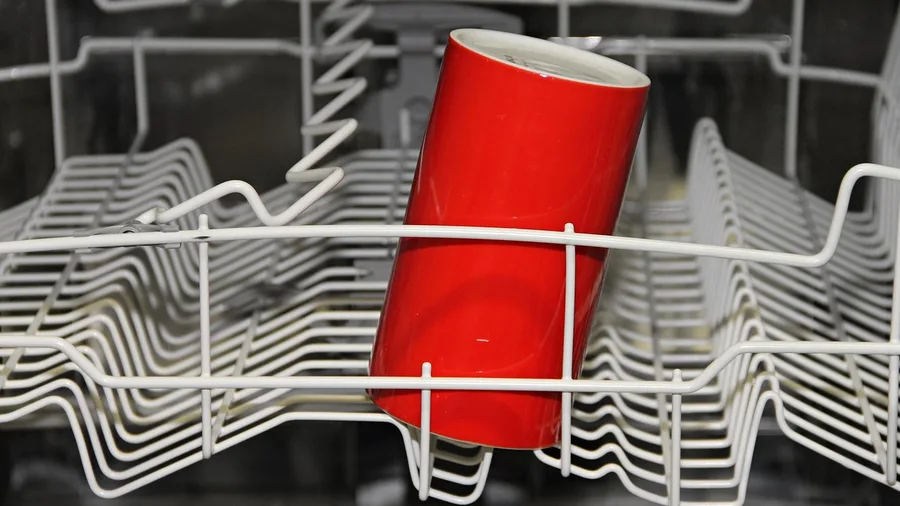
Petty clashes over grocery brands or how to pack the dishwasher are rarely about the dishes; they are about territorial control over spaces quietly governed for decades.
When one partner has spent years running the domestic routine, sudden critiques from a spouse attempting to streamline the pantry feel less like helpful collaboration and more like intrusive auditing. Offering process improvements to a system that already worked dismisses the labor and ownership established over thousands of ordinary days.
Efficiency advice frequently lands as unspoken disrespect.
Instead of trying to co-manage every shelf and task, thriving couples divide operational authority into clean, separate territories. One partner takes full ownership of dinner menus and food purchasing, while the other oversees vehicle maintenance and home finances, eliminating the need to debate every small decision.
Clear domains prevent daily surveillance, allowing both people to contribute meaningfully without stepping on toes in the kitchen.
📋 Step-by-Step Transition to Shared Domestic Harmony
Map Existing Household Domains
List every routine domestic responsibility from meal preparation to automotive maintenance without assigning blame.
Assign Autonomous Ownership
Divide major tasks so each partner has total decision-making authority over specific operational areas.
Establish Territory Agreements
Designate physical spaces in the home where each individual can work, read, or create without interruption.
Agree on Non-Interference
Commit to never criticizing how your partner executes their assigned domains, even if their methods differ from yours.
Unresolved Historical Grievances Surface Without Work Distractions

Old arguments resurface because the daily scramble of career demands and family logistics no longer functions as an emotional buffer between partners.
For decades, pressing deadlines and packed evening calendars kept historic marital deficits safely out of focus. When those daily distractions disappear, the resulting quiet exposes unresolved wounds – a past breach of trust, mismatched parenting sacrifices, or unaddressed financial decisions from twenty years ago – that were simply shelved rather than healed.
Unscheduled time makes old grievances feel immediate again.
Couples who struggle get trapped in chronic re-litigation, rehashing the same historical complaints during routine mornings and entrenching mutual defensiveness. Partners who build closeness instead treat these moments as a signal that the original rupture needs closure, using structured conversations or therapeutic mediation to finally resolve the grievance rather than recycling it.
Clearing that historic backlog is what makes room for actual warmth, freeing both people from reacting to twenty-year-old ghosts during ordinary daily moments.
The Post-Career Relationship Readiness Audit
-
Define physical quiet zones where each person can spend solitary hours daily. Ensure neither partner feels obligated to ask permission for alone time.
-
Clarify domestic management duties to avoid overlapping micromanagement. Assign full ownership of specific chores to eliminate silent scorekeeping.
-
Maintain at least two independent weekly social commitments outside the house. Protects conversational novelty and broadens external emotional support.
-
Schedule a monthly logistics and calendar check-in. Review joint plans, solo trips, and budget expectations calmly.
Co-Creating Novel Shared Projects Builds Lasting Closeness

Once past grievances are cleared, building genuine closeness requires actively working together toward a shared goal rather than merely occupying the same room.
Spending long evenings watching television side by side offers convenience, but passive consumption generates almost no interpersonal connection or vitality. Intimacy develops when partners tackle novel, demanding efforts as a team – whether that means organizing a neighborhood initiative, designing a major home renovation, or learning a complex craft from scratch together.
Shared effort creates a reason to admire each other.
Facing an unfamiliar challenge forces both people to solve problems collaboratively, trade ideas, and witness each other's competence in an entirely new context. That mutual respect replaces the predictability of old routines with fresh curiosity, giving the relationship an active sense of forward momentum instead of static coexistence.
Having a concrete, co-created mission gives the partnership an enduring anchor, protecting two people from quietly drifting apart when the calendar is completely clear.
Frequently Asked Questions
Why do some couples fight more right after both partners retire?
The sudden loss of daily work routines, private physical commutes, and professional identity places total social and emotional weight onto the marriage. Without deliberate boundaries and separate spaces, small domestic differences easily escalate into chronic power struggles.
How can we handle different energy levels and travel desires?
Decouple your leisure calendar by balancing solo trips, outings with independent friend groups, and a curated selection of shared adventures. Recharging differently is a biological reality, not a lack of commitment to the relationship.
What is the best way to divide chores when one partner retires first?
Establish an explicit temporary agreement where the retired partner absorbs a larger portion of household administration as a practical gift to the family. Revisit and adjust the agreement every month to ensure neither person feels taken for granted.
How do we prevent one partner from micromanaging the household?
Assign complete, autonomous ownership over specific domains, such as one partner managing meal planning while the other oversees vehicle care. Agree that the non-managing partner will not critique the process or methods used.
When should a couple seek professional guidance during retirement?
If you notice persistent resentment, chronic re-litigation of decades-old arguments, or sustained emotional withdrawal that lasts more than three months, brief mediation with a counselor can help re-establish healthy communication patterns.
Structuring Your Post-Career Relational Contract
Sit down together this week to draft an explicit relational agreement centered on three distinct areas: protected solo hours, unambiguous ownership of specific household tasks, and one substantial project to build together over the coming year.
Retirement never manufactures closeness on its own; it simply magnifies the operational habits and communication patterns already in place. Designing those boundaries deliberately is what protects your daily peace and turns shared time into genuine companionship.
Audit Your Shared Daily Space Today
Review the domestic territory and boundary checklist above to establish designated quiet zones and protect your daily personal autonomy.

Meet Edward Green, the founder of GolfingGoal and a seasoned expert in golf. With years of experience on the course and a passion for the sport, Edward has a wealth of knowledge to share. As our Lead Writer, he contributes articles, tutorials, and resources to help readers to improve their skills and reach their full potential on the golf course. Join Our Team!