
Failing to recognize that post-work anxiety is a natural neurological adjustment leads people to mistakenly treat a normal life transition like a personal crisis, costing months of unnecessary daily dread.
A retiree sits in a quiet house surrounded by eight to ten hours of newly open time, experiencing an unexpected wave of unease despite complete financial security.
This unsettling feeling is not a sign of personal failure or danger, but a predictable reaction during the first six to eighteen months of retirement.
The hidden roots of this post-work unease can be understood and addressed through a clear mental reframing exercise.
By examining the sudden disappearance of built-up daily frameworks and professional identity, you can intentionally introduce predictable rhythms and cognitive acceptance to restore daily calm.
At a Glance
The Loss of Built-In Structure
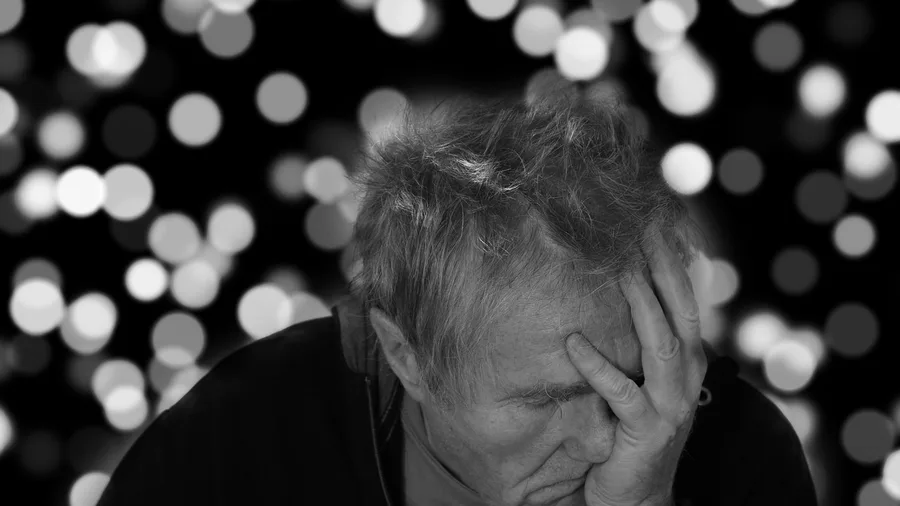
Rigid corporate routines dictate every minute of waking life for 30 to 40 years in a primary career role, creating an external framework that organizes the day automatically.
Dropping into retirement leaves 8 to 10 hours of newly open time, which the brain interprets as unpredictable uncertainty rather than freedom.
The first 6 to 18 months of retirement induce psychological disorientation as the mind loses its automatic compass. Removing external schedules strips away automatic daily purpose, leaving the mind to manufacture anxiety.
⚠️ COMMON MISTAKE
Filling Every Single Hour
Trying to pack the empty hours immediately with endless chores mimics the burnout of a full-time job without restoring any real sense of calm.
The Identity Shift Crisis
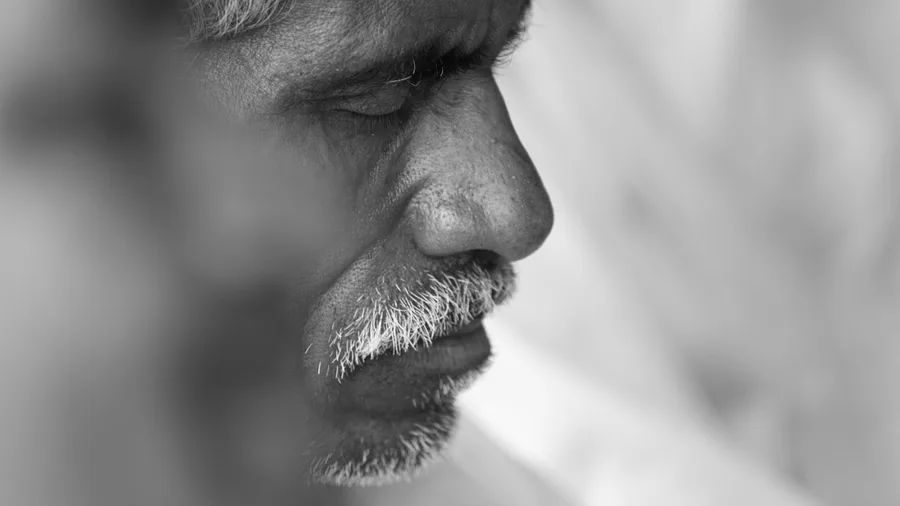
Stepping away from a 30 to 40 year career triggers the psychological shock of losing a professional title and daily social relevance.
Self-worth becomes untethered from productivity once external workplace validation disappears, creating a deep internal vacuum.
A retiree stops receiving performance reviews or project deadlines, leaving self-acceptance unsupported by external metrics. Stepping away from a lifelong career role triggers a subconscious loss of self-worth and social relevance.
The Numbers Behind the Transition
Key metrics of the post-career adjustment period
Based on common psychological patterns observed in early retirement.
The Hyper-Vigilance of Freedom

The human brain maintains a neurological habit of scanning for threat, developed across decades of active career problem-solving.
Retirement quiet removes active workplace challenges, leaving the brain with no external fires to put out.
Free time creates a psychological vacuum that the idle vigilance machinery fills by manufacturing worries about health, finances, or family. Without daily tasks to solve, the human brain often redirects its natural problem-solving energy inward, scanning for nonexistent threats.
Myth Versus Fact in Early Retirement
The Habit of Anticipatory Grief

The tight knot in your stomach on a Tuesday afternoon is often the quiet ache of mourning an expired role rather than a reaction to an immediate emergency. When thirty-five years of professional identity vanish overnight, the resulting void frequently gets mistaken for a sign of danger. Sitting at the kitchen table with an empty schedule, you might feel a sudden rush of physical tension in your shoulders, misinterpreting the natural sorrow of closing a monumental life chapter as something going fundamentally wrong.
That heavy emotional weight carries genuine loss that manifests directly as bodily unease. You look at the desk where reports used to land or the calendar that once dictated every hour, and the absence of those milestones feels physical.
A reflective method of journaling past achievements allows a retiree to acknowledge milestones without clinging to an expired professional title. Writing down specific career milestones, completed projects, and solved crises on a blank pad of paper creates a healthy boundary between who you were and who you are right now. Looking back at a completed career with gratitude instead of quiet panic stops the mind from treating a natural life transition like a sudden crisis.
🌱 GROWING TIP
Honoring Past Milestones
Write down three major career accomplishments on a clean page, then close the notebook to symbolically honor the chapter you finished.
The Power of Intentional Micro-Rhythms

Reclaiming your days does not require recreating the crushing pressure of a full-time job. Intentional micro-rhythms involve establishing three small, predictable daily anchors that dissolve the paralyzing weight of a completely blank calendar without mimicking a rigid corporate schedule.
Low-pressure morning anchors include brewing coffee at an exact time, a brief morning stretch in the living room sunlight, or a fifteen-minute neighborhood walk before the rest of the street wakes up. These tiny, repeatable touchpoints give the hours a gentle shape without demanding constant productivity or performance metrics.
Predictability in small routines lowers physiological stress responses and signals safety to an overactive nervous system. When your morning coffee happens precisely at eight, or your evening walk takes the exact same route past the corner mailbox, your body learns to trust the passage of time again. Reintroducing three small, predictable daily anchors dissolves the paralyzing weight of a completely blank calendar, turning unstructured hours from a source of dread into a quiet canvas for ordinary peace.
The Daily Anchor Hierarchy
Building structure from the ground up
The Simple Shift to Acceptance

Labeling vague anxiety as a normal neurological adjustment neutralizes its power and restores emotional equilibrium. When a nameless wave of unease washes over you on a quiet afternoon, trying to fight it or figure out what you are doing wrong only adds unnecessary fuel to the fire.
Fighting the feeling of unease amplifies distress, whereas accepting it as a transitional phase shortens the nervous system's alarm cycle. You stop struggling against the silence of the house and simply let the sensation sit there without treating it as an enemy that needs to be defeated.
The step-by-step reframing exercise for anxious moments involves pausing at the kitchen counter, naming the physical sensation of tightness in your chest, and identifying it as standard retirement adjustment rather than a real crisis. You take one slow breath, acknowledge that your brain is simply recalibrating after decades of high-speed problem-solving, and let the wave pass on its own terms.
Anxiety in early retirement is not a malfunction; it is the nervous system searching for the map it used for forty years.
— What psychological research keeps revealing about post-work transitions
Frequently Asked Questions
How long does retirement anxiety typically last?
For most individuals, the heightened sense of unease peaks during the first 6 to 18 months as the nervous system adapts to unstructured days. Establishing predictable micro-rhythms helps shorten this adjustment phase significantly.
Why do I feel guilty for relaxing during the day?
Decades of conditioning tie self-worth directly to productivity and workplace output. When those external metrics vanish, the brain misinterprets rest as unearned idleness, generating guilt.
How can I build structure without feeling like I am back at work?
Focus on personal rituals rather than obligations. Choose three small, enjoyable anchors like a morning walk or reading time rather than filling your calendar with chores.
Is it normal to miss my career even if I wanted to retire?
Yes, missing the social connection, daily purpose, and clear structure of a career is entirely normal. Acknowledging this grief helps you process the transition smoothly.
What is the best first step to quiet an anxious mind?
Pause when the unease arises, name the physical sensation in your body, and label it as a normal neurological adjustment phase rather than an actual crisis.
Building Calm Through Small Daily Anchors
Building calm through small daily anchors
Embracing open-ended time requires building a brand new daily rhythm rather than waiting for calm to arrive on its own.
A retiree sitting in a quiet house with hours of unstructured time can transform dread into agency simply by deciding what comes first.
Schedule a single anchor activity for tomorrow morning as the one immediate step to reclaim peace of mind and turn that quiet room back into your own.
Schedule Your First Anchor Tomorrow
Take control of your transition by planning a single, low-pressure morning anchor activity for tomorrow right now.

Meet Edward Green, the founder of GolfingGoal and a seasoned expert in golf. With years of experience on the course and a passion for the sport, Edward has a wealth of knowledge to share. As our Lead Writer, he contributes articles, tutorials, and resources to help readers to improve their skills and reach their full potential on the golf course. Join Our Team!