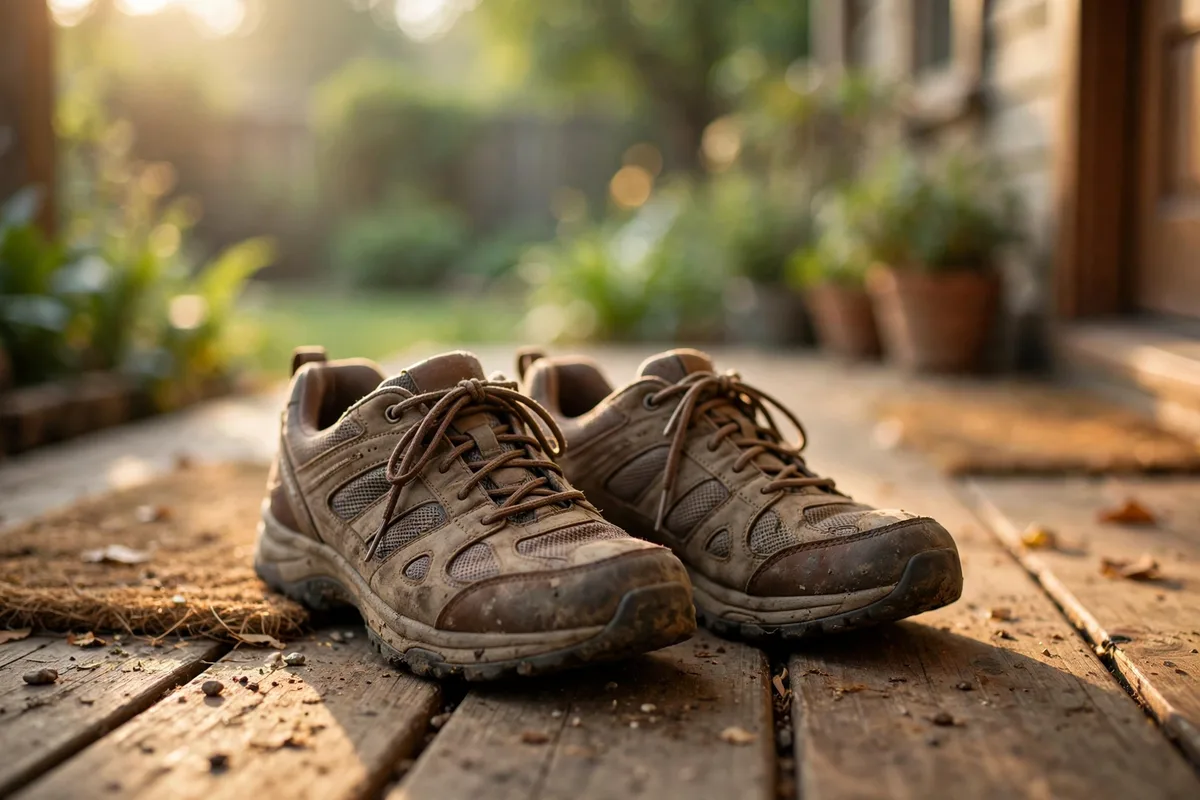
Your favorite shoes are lying to you.
Not on purpose. They fit perfectly for years. Then one day they pinch. They rub. Your toes feel cramped by lunch.
You blame the brand. The style. The pair. But the shoes did not change. Your feet did.
After 55, feet get longer and wider. Not because the bones are growing. Because everything holding them together is slowly loosening. And once you understand why, shoe shopping gets a lot less mysterious.
If your shoes suddenly feel like they shrank in the wash, you are in crowded company. This happens to most people. It is not your imagination and it is not a bad batch of shoes.
Your bones are not growing. Something else is happening.
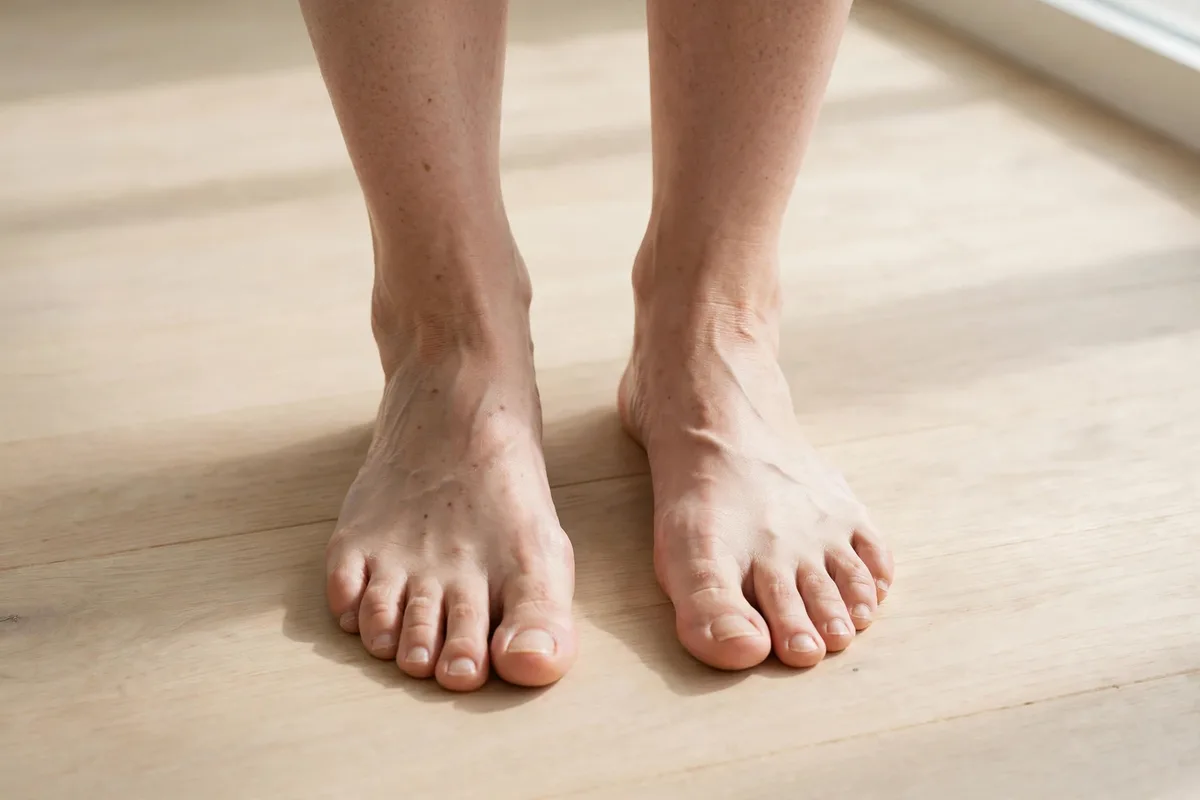
Let us clear up the biggest myth first. Adult feet do not keep growing the way they did in childhood. As orthopedic surgeon Dr. Kimberly Koury put it, calling it “bigger” is misleading. The shape of the foot gradually changes with age.
Think of your foot as a bridge held up by cables. The cables are ligaments and tendons. Over decades, they lose some of their spring. The bridge sags a little. The arch lowers, and as it does, the foot spreads. Longer. Wider. Same bones, new footprint.
By age 50, most people have walked around 75,000 miles. That is three trips around the Earth at the equator. The wonder is not that feet change. The wonder is that they hold up as well as they do.
Researchers have measured it directly. One study of 68 women found clear increases in several foot dimensions across age groups. Even small changes add up over decades, which is why a shoe that fit at 40 can feel like a different shoe at 60.
This matters because shoes are built for the foot you had, not the foot you have. Understanding the change is the first step to fixing the fit.
Reason one: your arches are settling

The arch is the main event. Ligaments lose elasticity with age, and the tendons that support the arch can weaken. The result has an unflattering name: fallen arches. Your foot flattens, lengthens, and often gains half a shoe size or more.
This is also why old shoes feel like a betrayal. A shoe molded to your 45-year-old arch cannot cradle your 60-year-old one. UCLA foot specialist Dr. Joan Williams notes that many people, especially women, never realize foot size can change, so they buy the same size year after year without asking whether their feet hurt in them.
Weight speeds the process. Extra pounds press down on those already tired ligaments, year after year. Pregnancy can do it permanently too, since the hormones relaxin and progesterone loosen ligaments throughout the body, including the feet, to prepare for childbirth.
You cannot reverse a fallen arch, but you can support it. Arch supports, orthotic inserts, and simple foot exercises like toe curls help the remaining structures do their job.
Reason two: the padding is wearing thin
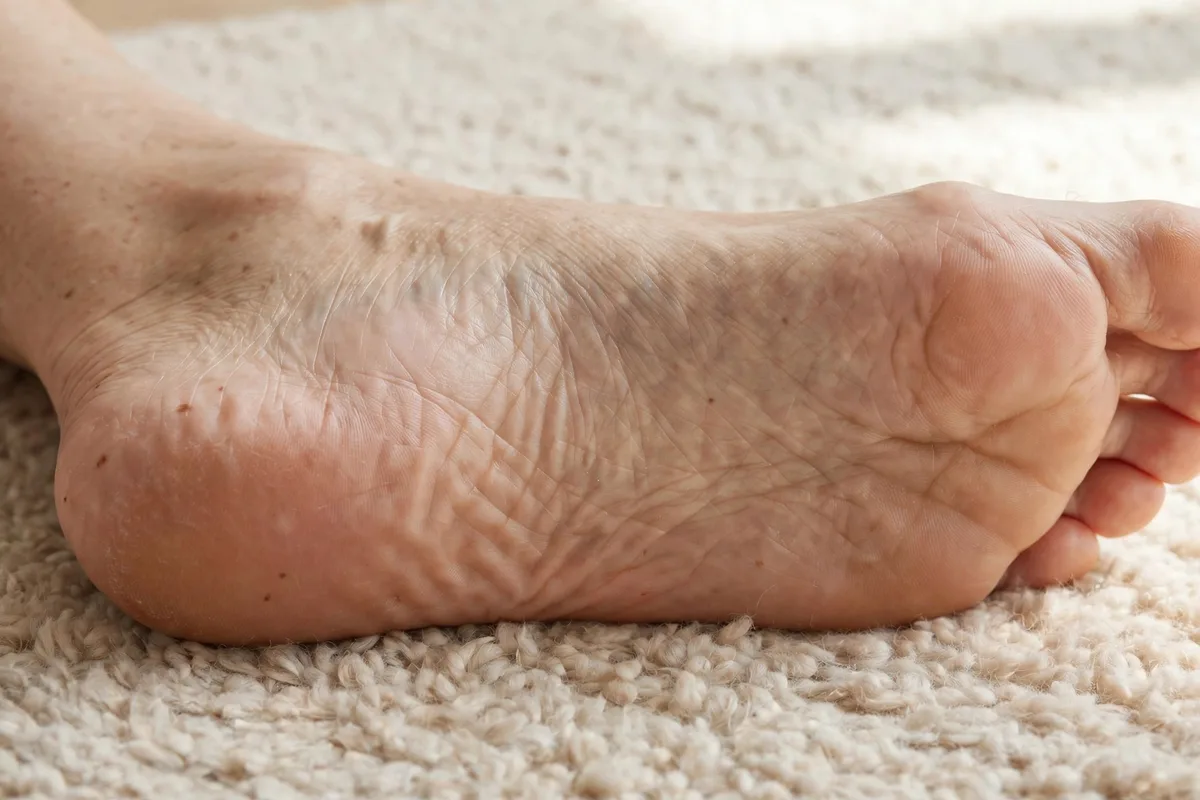
Under your heel and the ball of your foot sits a natural fat pad. It is your built-in cushioning, absorbing shock with every single step.
By 50, you may have lost half of it. The pad thins and sometimes shifts out of place, leaving bones closer to the ground. Less shock absorption means more pressure on the same spots, which is why corns, calluses, and aching heels show up more with age.
Mayo Clinic physicians point out that fat pad atrophy is one of the most consistent age-related foot changes. The fix is straightforward: cushioning. Supportive shoes, quality insoles, and gel pads give back what time took away.
This is also why going barefoot on hard floors gets less comfortable with age. That tile floor did not get harder. Your natural padding got thinner. House shoes with real soles are not a luxury after 55. They are equipment.
Reason three: your toes are changing shape
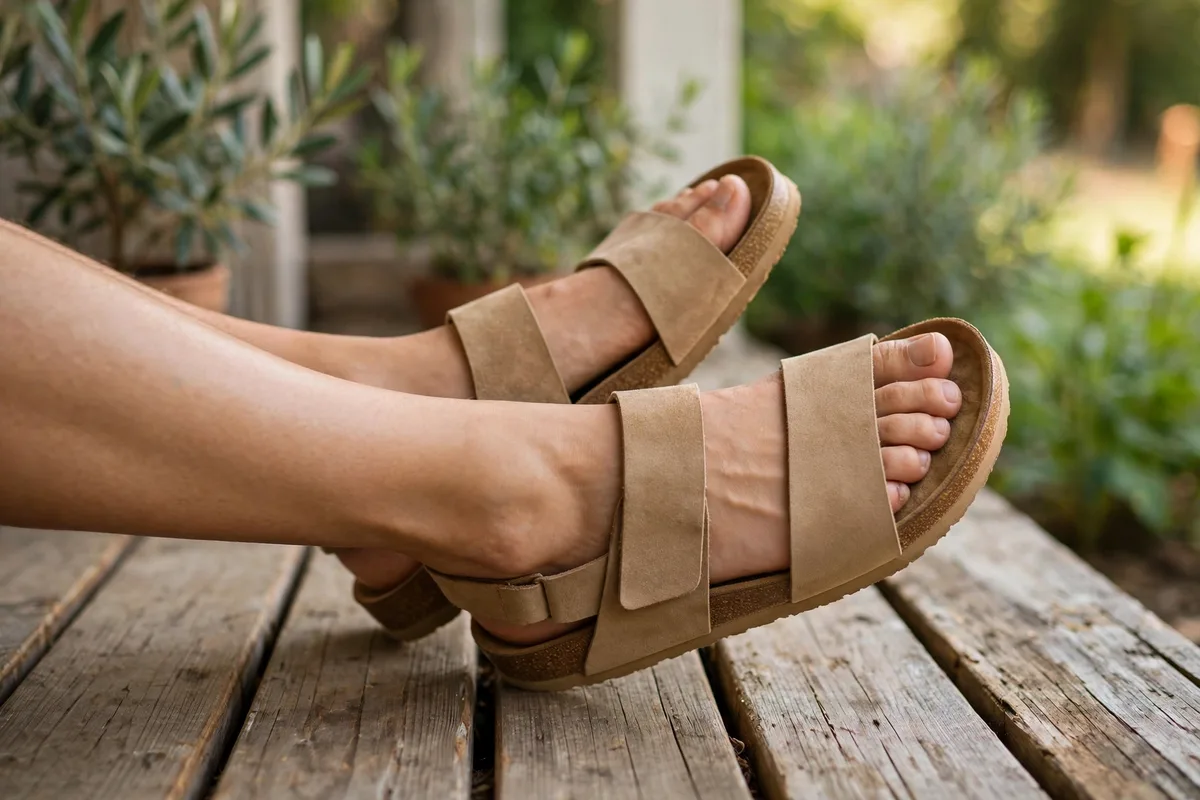
Toes have opinions, and with age they express them. Bunions, those bony bumps at the base of the big toe, affect more than 30 percent of women. Hammertoes, where a toe curls upward instead of lying flat, often follow.
Blame a mix of genetics, decades of narrow shoes, and changing foot mechanics. As the arch falls and the foot widens, toes get crowded. Crowded toes rub. Rubbing creates corns and calluses. It is a chain reaction that starts with fit.
Roomy toe boxes break the chain. Toes should never be crunching against each other, which rules out most pointy fashion shoes as daily wear. Save those for short outings, not all-day duty.
If a bunion or hammertoe is already severe and painful, see a foot specialist. Splints and pads help mild cases, but significant deformities sometimes need professional treatment. Do not suffer in silence through something fixable.
Reason four: weight, history, and hormones
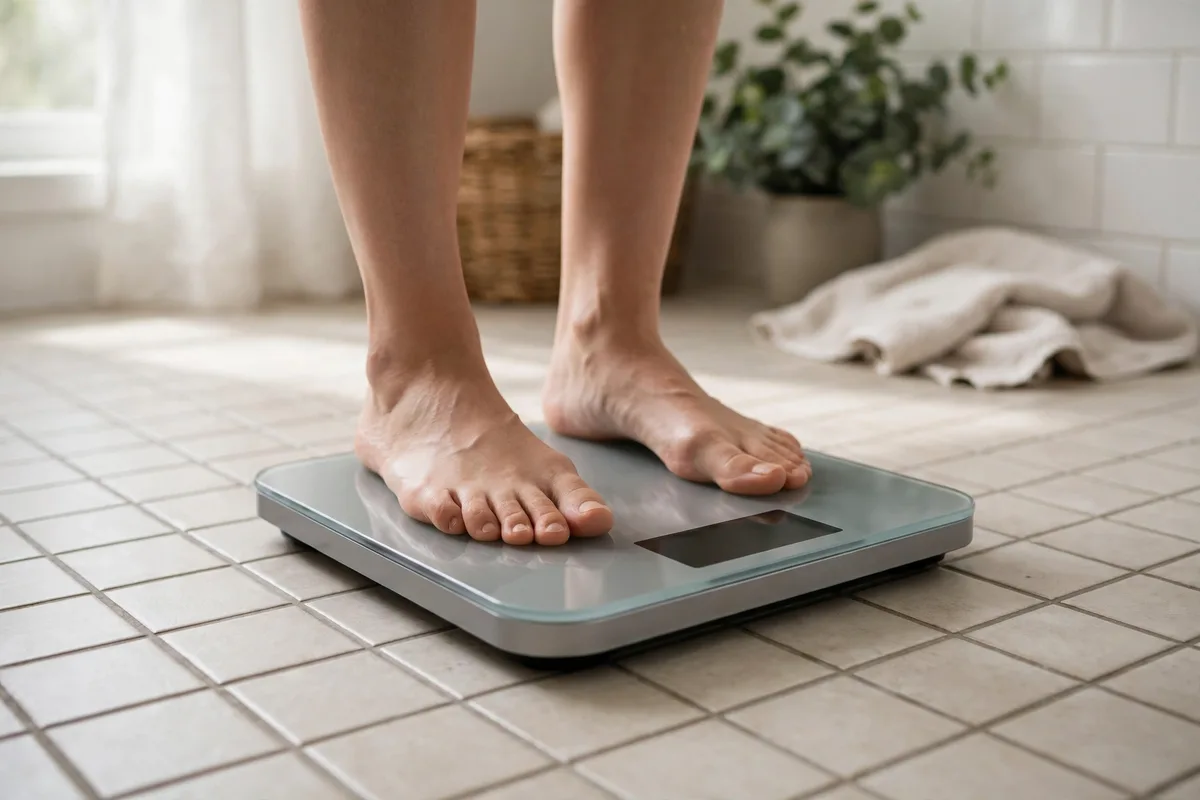
Not all foot change is pure aging. The supporting cast matters.
Weight gain presses down on foot ligaments year after year. Diabetes can damage nerves and change how feet feel and function. Rheumatoid arthritis can reshape the small joints of the foot. Past ankle injuries leave weak spots that show up decades later.
For women, there is an extra chapter. Pregnancy loosens foot ligaments, sometimes permanently, and menopause affects collagen throughout the body, including the tissues that support the arches. Years of high heels add their own structural opinion.
Verywell Health summarizes the full list: injuries, weakened muscles, fallen arches, bunions, and health conditions can all reshape feet later in life. If your feet changed fast, look at what else changed with them. Sudden change deserves a conversation with your doctor.
What this means at the shoe store
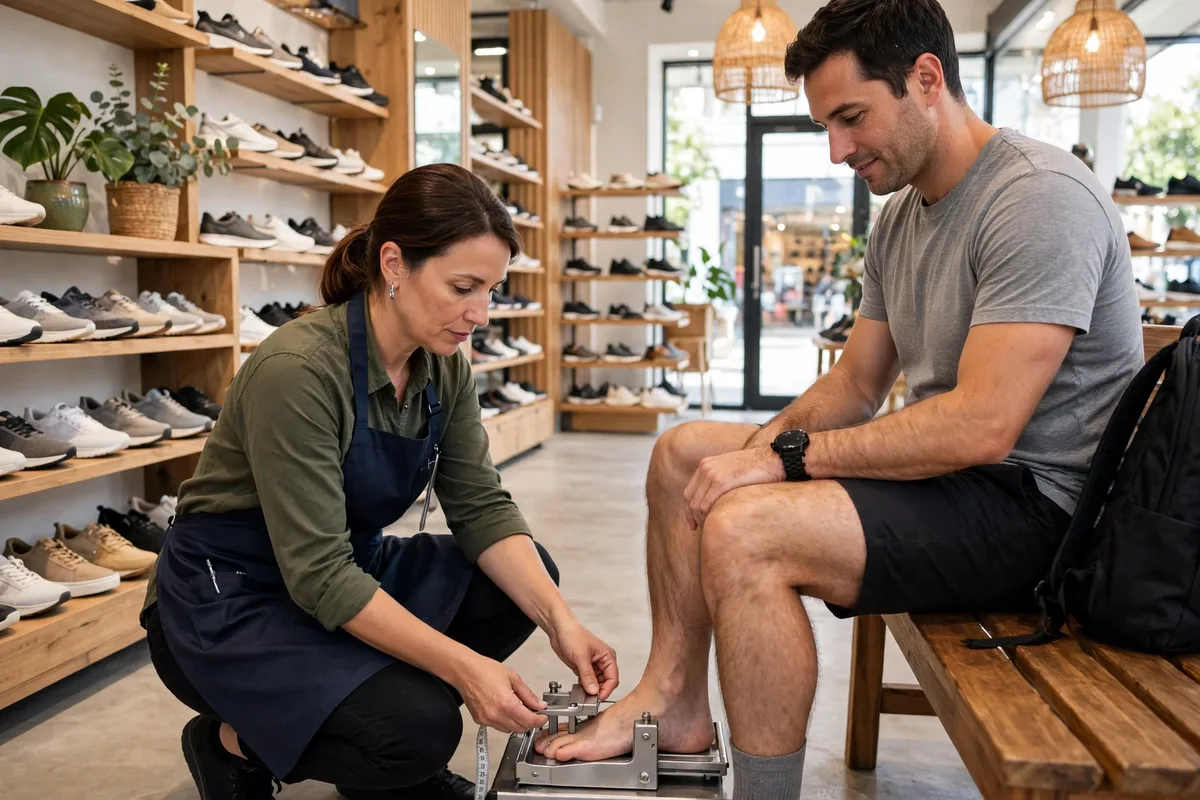
Here is the practical fallout. Your longtime shoe size is a memory, not a measurement.
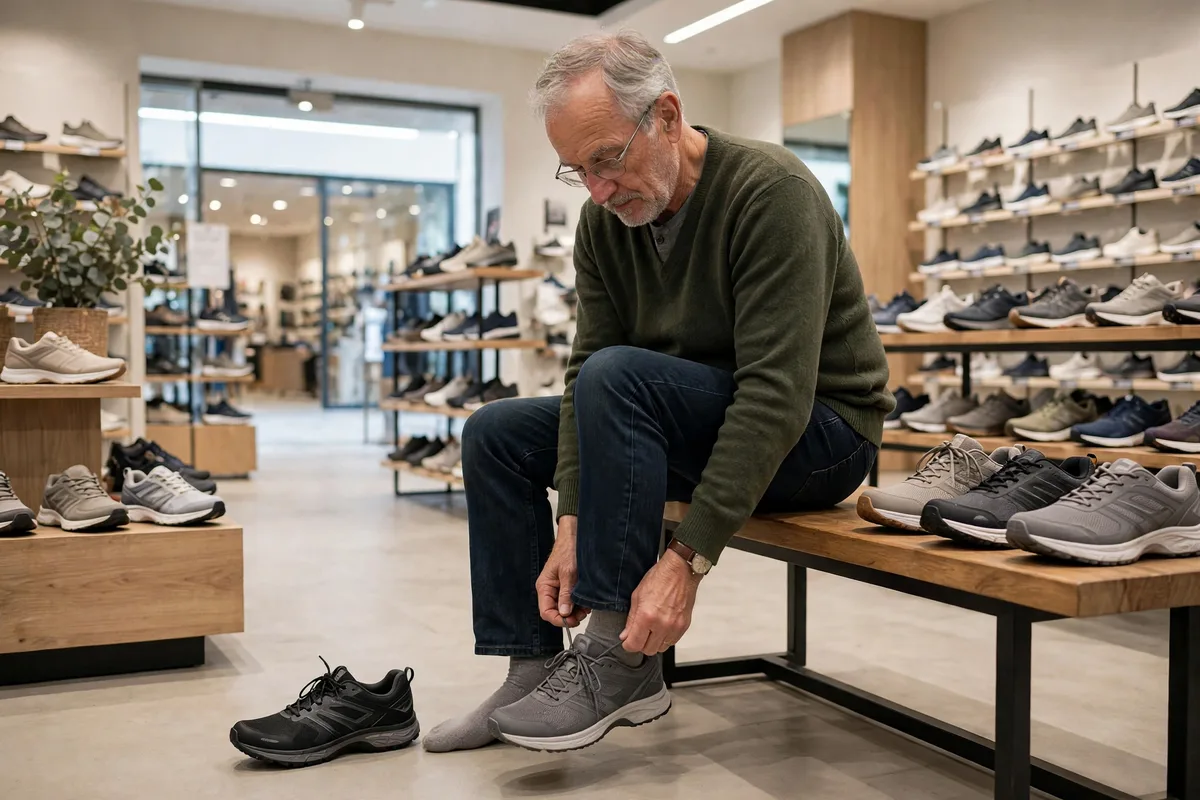
Get both feet measured, standing up, every time you buy shoes. Feet are often different sizes, so fit the larger one. Shop in the afternoon, when feet are at their widest. And choose a wide toe box with real arch support over anything pointy or flat.
Do not trust the number on the box either. Sizes vary wildly between brands. Try them on, walk around the store, and trust your feet over the label. If a shoe needs “breaking in,” it does not fit. Full stop.
Consider aftermarket insoles if your favorite shoes lack support. A good insole can rescue an otherwise fine pair, adding the arch support and cushioning that aging feet need.
When to stop blaming age and see someone

Most foot change is normal. Some of it is a message.
See a foot specialist if you have persistent pain, sudden swelling, numbness or tingling, sores that will not heal, or skin color changes. People with diabetes should be especially vigilant, since nerve damage can hide injuries until they become serious.
As Dr. Williams says, foot pain is never normal. If you have it, get it diagnosed and treated. Too many people wait until the pain is unbearable, and by then a small problem has become a big one.
One honest note: this article is information, not medical advice. Feet can reveal a lot about circulation, nerves, and joints, so when something seems off, talk to your doctor or a podiatrist.
Measure, do not assume
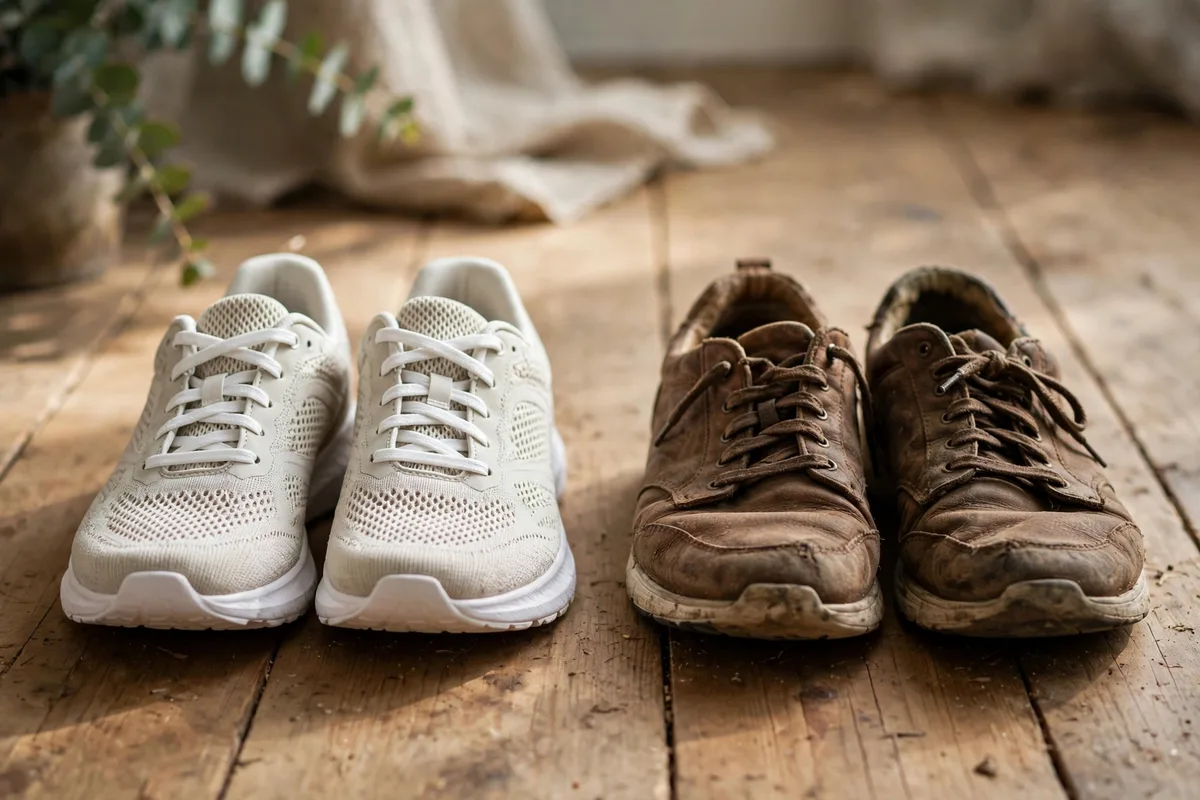
Your feet carried you 75,000 miles without complaint. The least you can do is believe them when they ask for a bigger shoe.
Get measured. Buy the size you are now, not the size you were. Your feet will thank you with every step.

Eliza Mercer, the renowned golf coach with unmatched expertise in the sport, is our Lead Instruction Coach. Eliza provides exclusive and personalized coaching sessions to help golfers of all levels improve their skills. With her wealth of knowledge and experience, Eliza is a valuable resource for readers looking to elevate their game. Join Our Team!