
You sit down to a massive steak dinner, confident you are checking the box for your daily health goals. Yet you still feel sluggish in the mornings, and that nagging muscle weakness in your legs isn't budging.
After 50, your body develops anabolic resistance, meaning it processes protein less efficiently than it did at 30. Meeting your daily target in one single evening meal does not work anymore; you need a strategic shift.
1. The Morning Protein Deficit

You skip the eggs, grab a piece of toast, and figure you will make up for the missing nutrition when dinner rolls around.
Dietitians consistently warn that a skimpy breakfast leaves your muscles starving for hours. After an overnight fast, your body breaks down muscle tissue for energy unless you supply it with immediate amino acids.
Aim for at least 30 grams of high-quality protein before 9 a.m. to stop muscle loss cold.
2. The Dinner Backload Mistake

You sit down to an 8-ounce ribeye because you think saving your protein allowance for the end of the day is perfectly fine.
Your liver can only process about 35 grams of protein at a single time for muscle synthesis. The excess from that giant steak is simply converted into fuel or stored, wasting your hard-earned money and effort.
Cap your dinner size and redistribute that protein to your earlier meals where it actually builds strength.
Your muscles require a steady drip of amino acids throughout the entire day, not a massive tidal wave at dinner.
— What clinical dietitians keep repeating to over-50 patients
3. Ignoring the Leucine Trigger
You eat a generic protein bar, but your recovery from walking or lifting weights still feels painfully slow.
Muscle synthesis requires a specific amino acid called leucine to act as an on-switch for cellular repair. Adults over 50 need about 3 grams of leucine per meal to activate this metabolic pathway successfully.
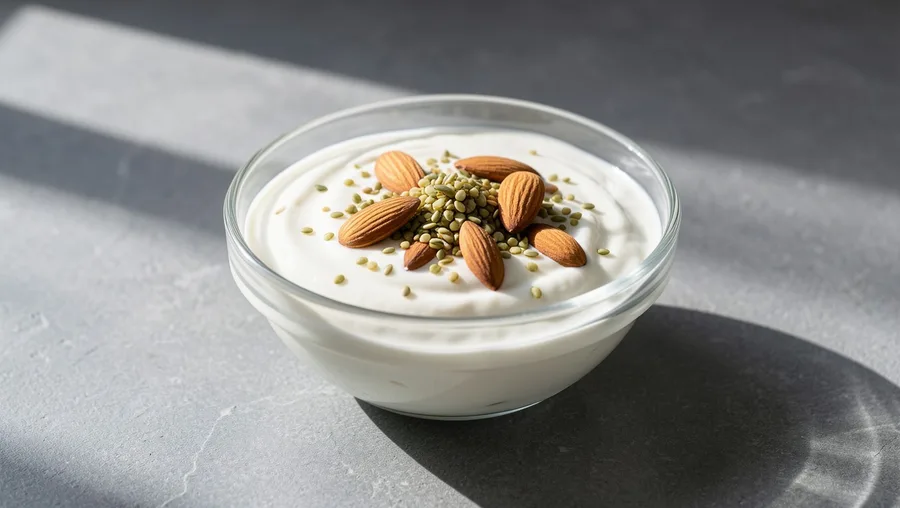
Include leucine-dense whole foods like liquid egg whites, cottage cheese, Greek yogurt, or a scoop of whey isolate.
⚠️ COMMON MISTAKE
Assuming All Protein Is Identical
Collagen powder does not contain the complete branch-chain amino acids needed for muscle retention. Do not rely on collagen as your primary breakfast source.
4. Overlooking Plant Protein Densities

You swap out your chicken for a standard cup of black beans, assuming the substitution is a direct one-to-one swap.
Plant proteins are wonderful for health, but they are less concentrated and harder for an older digestive tract to break down completely.
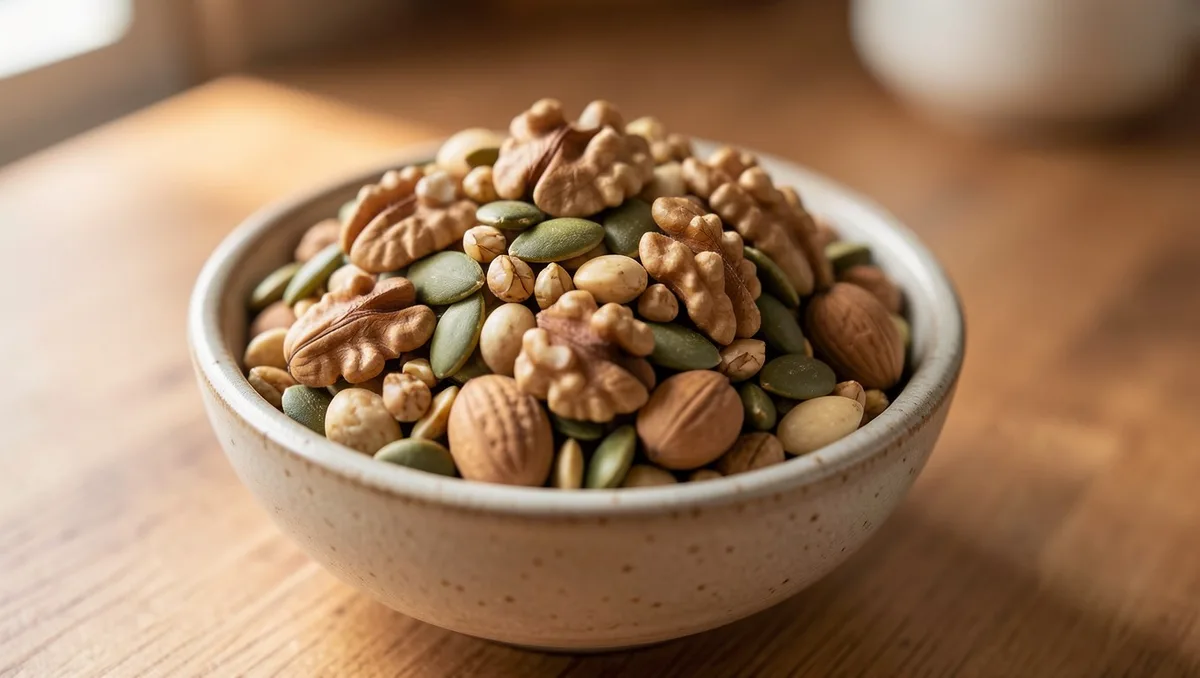
You must eat a larger volume of plant sources, or combine things like lentils and pumpkin seeds, to hit that crucial amino threshold.
Plant vs Animal Protein Densities
🍗 Chicken Breast
31g per 100g
🍲 Cooked Lentils
9g per 100g
🍳 Egg Whites
11g per 100g
🫘 Black Beans
8g per 100g
The Takeaway
You need roughly three times the volume of beans to match the pure muscle-building protein found in poultry.
5. Neglecting Post-Workout Windows

You finish a brisk walk or a light dumbbell routine, then wait three hours before eating lunch.
Exercise sensitizes your muscle fibers to nutrients, opening up a critical window where your body actively craves raw materials for structural repair.
Consume 30 grams of easily digestible protein within 45 minutes of finishing any physical workout to maximize your physical mobility.
6. Fearing Liquid Supplements
You avoid protein powders because you think they are only meant for young bodybuilders chasing massive bulk.
High-quality whey isolate or micellar casein is incredibly efficient for older digestion because it removes the heavy lifting of chewing and breaking down tough meat matrixes.
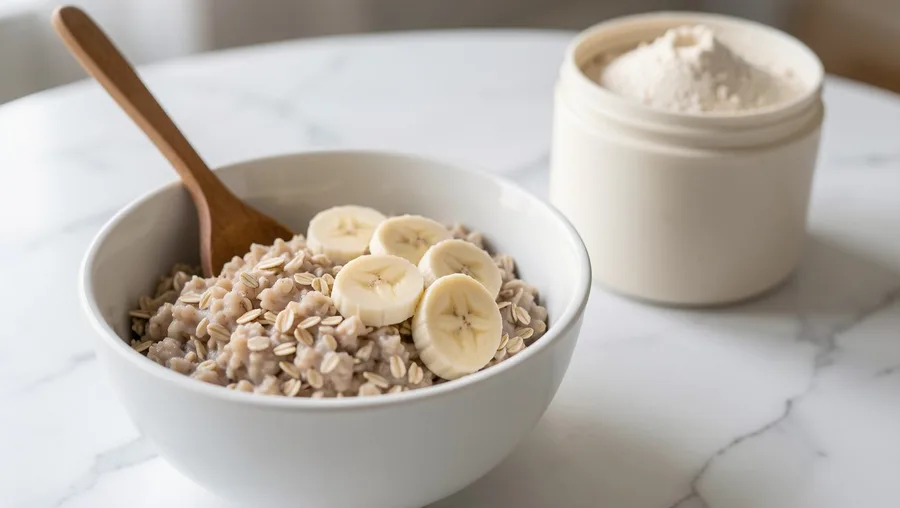
Stir a scoop of unflavored whey isolate into your morning oatmeal to easily hit your daily requirements without added sugar.
📅 How to Build a Protein-First Day
08:00 AM — Breakfast On-Switch
Eat three eggs or a scoop of whey isolate in oatmeal to stop overnight muscle breakdown.
12:30 PM — Midday Maintenance
Consume 35 grams of protein via canned tuna or shredded chicken over a large mixed green salad.
04:00 PM — The Mobility Snack
Have a cup of low-fat cottage cheese to keep amino acid levels stable before dinner.
07:00 PM — Balanced Dinner
Finish with 4 to 6 ounces of wild-caught salmon to support nighttime recovery without overeating.
7. Underestimating Overall Requirements

You rely on standard government guidelines that tell you to eat a mere 56 grams of protein per day.
Geriatric nutrition researchers now agree those base recommendations are too low to maintain physical independence and healthy bone density as we age.
Aim for closer to 1.2 to 1.5 grams of protein per kilogram of body weight to keep your skeletal frame genuinely strong.
Our Top Easy-Digestion Protein Picks
8. Skipping Bedtime Casein Options

You eat dinner early at 5 p.m. and go to sleep with an empty stomach for twelve hours straight.
Your body enters a fasted state overnight, and without raw material, it can steadily degrade delicate muscle tissue while you sleep.
A small snack of cottage cheese or a casein shake right before bed provides a slow, steady release of aminos to heal your body overnight.
9. Forgetting the Fiber Balance
You ramp up your daily turkey, egg, and chicken consumption but suddenly find your digestion grinding to an uncomfortable halt.
High protein intake requires adequate soluble fiber to move smoothly through an aging gastrointestinal tract.
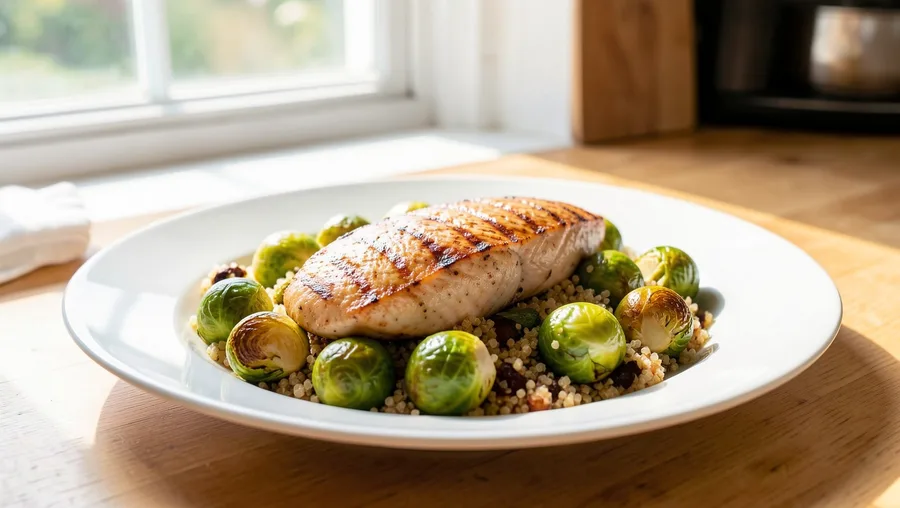
Pair every major protein source with chia seeds, broccoli, or Brussels sprouts to maintain exceptional gut health.
💡 PRO TIP
Hydration is Essential
Processing more amino acids requires your kidneys to clear out more urea. Increase your daily water intake by 16 ounces whenever you step up your dietary protein targets.
10. Relying on Ultra-Processed Bars
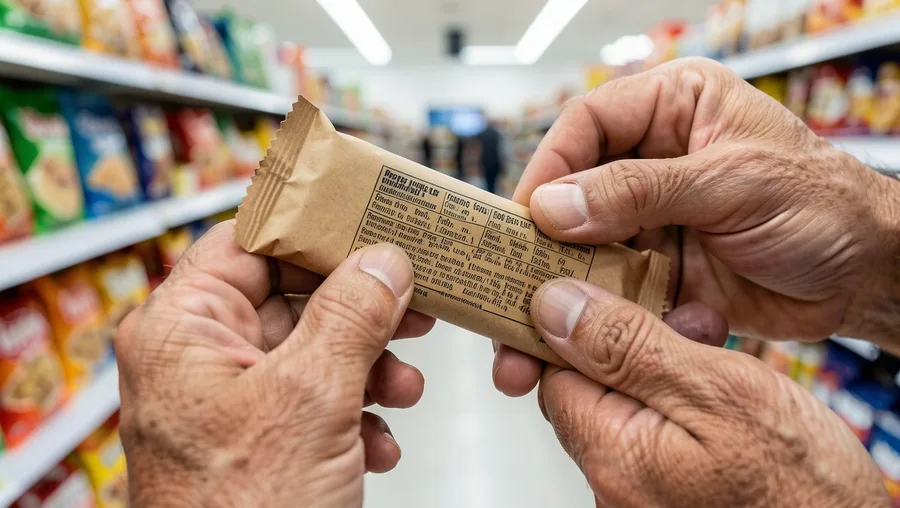
You buy highly marketed protein bars from the pharmacy aisle, assuming they are a healthy medical choice.
Most of these commercial options are packed with cheap soy isolates, sugar alcohols, and industrial seed oils that trigger systemic inflammation.
Read the ingredient label carefully and choose bars with fewer than six whole food items, or stick to real food.
Protein Source Verdicts
- Fresh Pasture-Raised Eggs — Gold standard bioavailability and rich in healthy brain-boosting choline.
- Commercial Soy Bars — Often loaded with artificial sweeteners that cause significant gut distress after 50.
- Processed Deli Meats — High sodium levels strain blood pressure and contain inflammatory chemical preservatives.
11. Ignoring Crucial Micronutrient Synergies

You eat plenty of protein but completely ignore your falling vitamin D and calcium counts.
Amino acids cannot build strong bones or mend muscle tissue effectively without adequate micronutrient support inside your bloodstream.
Pair your meals with natural sunlight, leafy green vegetables, or high-quality sardines that contain soft edible bones.
12. Failing to Track Honestly

You guess your daily intake based on memory, assuming you are easily meeting your health targets.
Most adults over 50 overestimate their actual daily protein intake by nearly 40%, leaving themselves wide open to muscle wasting.
Spend just one week using a simple digital kitchen scale to weigh your portions and get an accurate baseline.
13. Sticking Only to Meat

You eat chicken breast every single day for lunch and dinner because it feels safe and familiar.
Limiting your choices reduces your gut microbiome diversity, which can impair overall nutrient absorption over time.
Rotate your weekly menus to include wild seafood, organic eggs, kefir, and varied plant options.
14. Misjudging Collagen Claims

You drop scoopfuls of premium collagen into your morning coffee and think your muscles are fully covered for the day.
Collagen is completely missing tryptophan, an essential amino acid, making it an incomplete protein source that cannot repair skeletal muscle tissue.
Use collagen solely for your skin and joints, but count on whole eggs or whey for muscle protection.
15. Neglecting Resistance Exercise Support

You increase your protein intake but remain completely sedentary throughout the typical week.
Amino acids require the mechanical stress of resistance training to properly latch onto muscle fibers and trigger growth.
Incorporate basic bodyweight squats or resistance band exercises twice a week to force that dietary protein into your muscles.
Protein Optimization Strategy
The Right Approach
- Aim for 30g+ of protein at breakfast.
- Space out intake every 3 to 4 hours.
- Use high-leucine, whole food choices.
- Pair protein with routine strength exercises.
The Common Mistakes
- Eating a massive 70g protein dinner.
- Relying heavily on incomplete collagen.
- Using processed bars with artificial sweeteners.
- Remaining sedentary without muscle stimulation.
Quick Metabolic Realities
Final Thoughts
If you make only one modification today, focus entirely on your morning routine. Swap out the breakfast cereal or toast for three whole eggs or a high-quality whey isolate shake. Over the next thirty days, notice how your morning energy stabilizes and that stubborn muscle fatigue begins to clear away.

Meet Edward Green, the founder of GolfingGoal and a seasoned expert in golf. With years of experience on the course and a passion for the sport, Edward has a wealth of knowledge to share. As our Lead Writer, he contributes articles, tutorials, and resources to help readers to improve their skills and reach their full potential on the golf course. Join Our Team!