
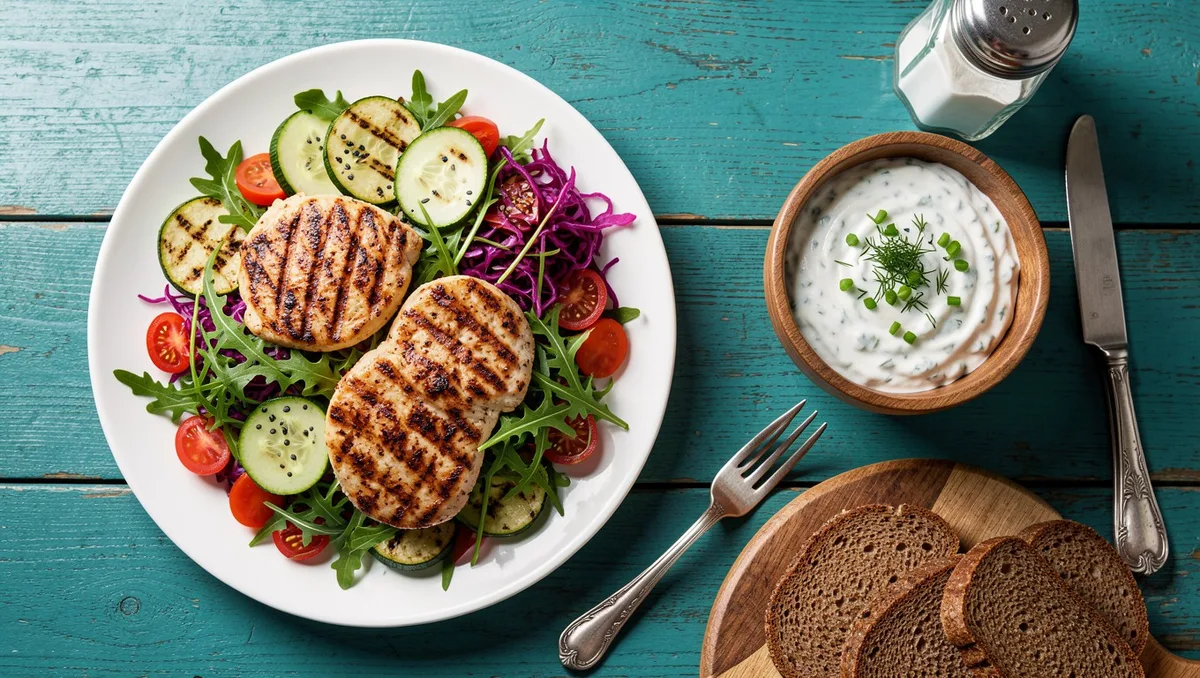
You roll out of bed at 6 a.m. and your ankles immediately demand a slow, careful walk to the kitchen. That was my daily reality at 58, alongside a creeping afternoon brain fog that no amount of dark roast coffee could fix.
I spent the last 90 days completely overhauling my kitchen, trading processed convenience for extra virgin olive oil, wild sardines, and heavy handfuls of greens. Here is the unvarnished data on how shifting my metabolism changed my joint mobility, sleep quality, and daily energy.
Quick Tips Before You Start
Check the Bottle
Buy extra virgin olive oil harvest-dated within the last year to ensure active polyphenols.
Stock Canned Fish
Keep skin-on sardines and mackerel in the pantry for instant, zero-prep anti-inflammatory protein.
Hydrate First
The increased fiber intake requires an extra 16 ounces of water daily to prevent bloating.
1. Swapping Butter for Cold-Pressed Extra Virgin Olive Oil
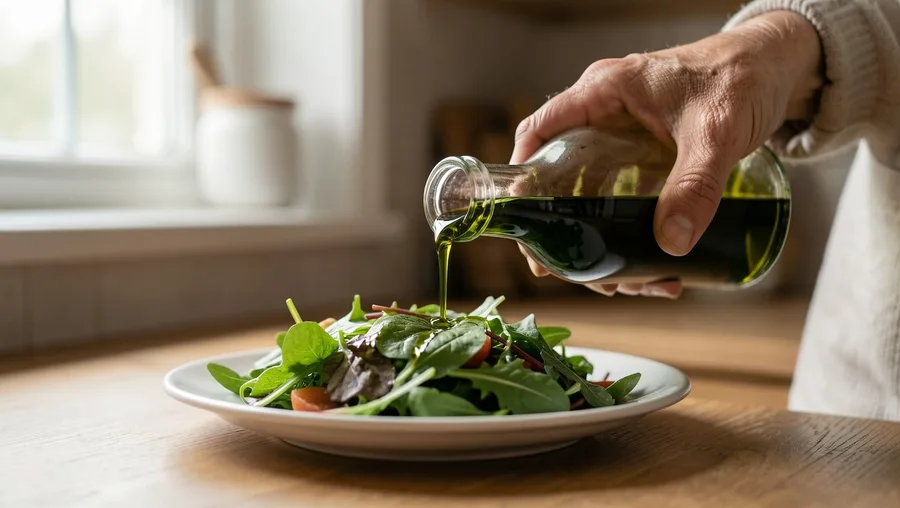
You melt butter into your morning eggs out of pure habit, but switching to liquid fat changes everything. After 50, cellular membranes stiffen, making it harder for nutrients to pass through efficiently.
I started using two tablespoons of unfiltered California Estate extra virgin olive oil every single morning instead of butter. The throat-scratching burn you feel from high-quality oil comes from oleocanthal, a natural compound that behaves similarly to low-dose ibuprofen.
Within three weeks, the persistent dull ache in my left knee during stair climbs felt notably quieter. Do not cook on high heat with it; pour it raw over your food just before serving to protect those delicate compounds.
💡 Tip: Keep your olive oil in a dark cupboard, never on the counter next to a hot stove.
Mediterranean Terminology Decoded
2. Eating Salmon and Sardines Three Times Weekly
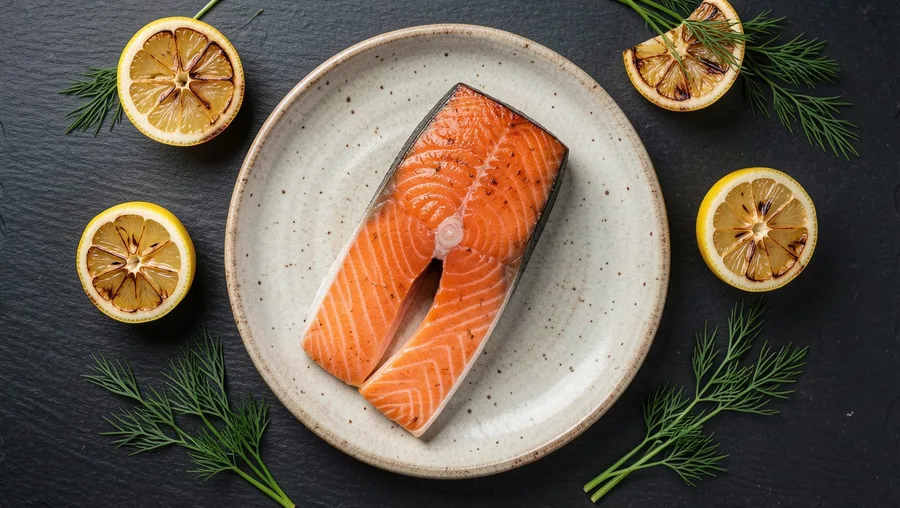
Your joints require lubrication, yet most modern diets leave us deficient in the specific fats that build joint cartilage. Skipping the processed poultry and prioritizing heavy oily fish provides a massive dose of bioavailable omega-3 fatty acids.
I integrated wild-caught Alaskan salmon and canned King Oscar sardines into my weekly meal prep rotations. These marine fats help reduce the production of inflammatory cytokines that break down joint tissue as we age.
By day 45, my morning hand stiffness had decreased enough that gripping my steering wheel at 6 a.m. felt entirely normal.
Oily Fish Profile — At a Glance
⏱️ Frequency
3× per week
📅 Joint Relief
Visible in 6 weeks
💪 Key Nutrients
EPA, DHA, Vitamin D
⚠️ Avoid
Farmed varieties
The Mechanism
Omega-3 fatty acids displace pro-inflammatory fats in cellular membranes, dampening overall body discomfort.
3. Aiming for 30 Grams of Protein Every Meal
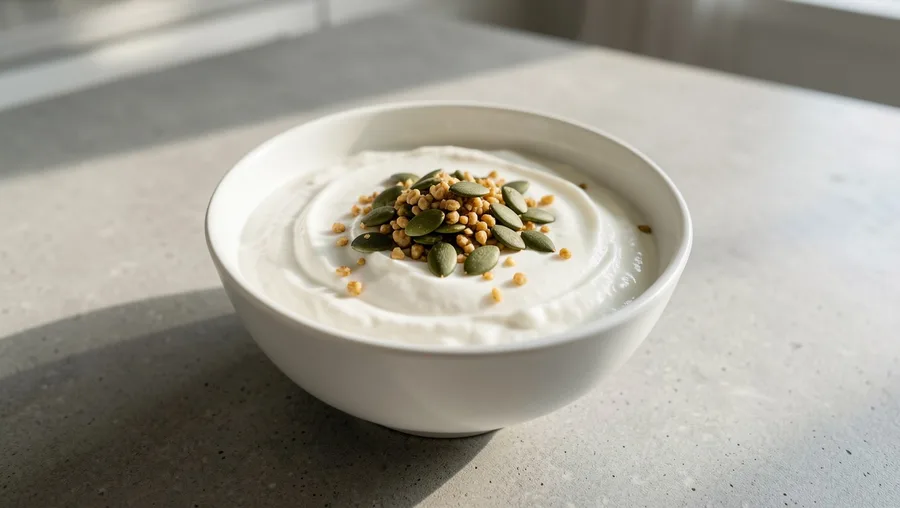
Every trainer who works with older clients warns about muscle loss, but few explain that your aging body requires more protein to stimulate synthesis. Nutritionists call this anabolic resistance, meaning a light sprinkle of nuts on oatmeal will no longer cut it.
I structured my meals around hitting a strict 30-gram threshold using Greek yogurt, lupini beans, and fresh fish. Spacing this out evenly across breakfast, lunch, and dinner prevents the late-day energy crashes that trigger sugar cravings.
The payoff was a subtle but undeniable firmness in my thighs and core that made hauling heavy grocery bags uphill feel significantly easier.
⚠️ COMMON MISTAKE
The Skimping Breakfast Trap
Eating only fruit or toast for breakfast starves your muscles of amino acids during your highest-need morning hours. Always include at least three eggs or a cup of genuine plain Greek yogurt to hit your anabolic baseline.
4. Switching to Whole Grain Farro and Barley
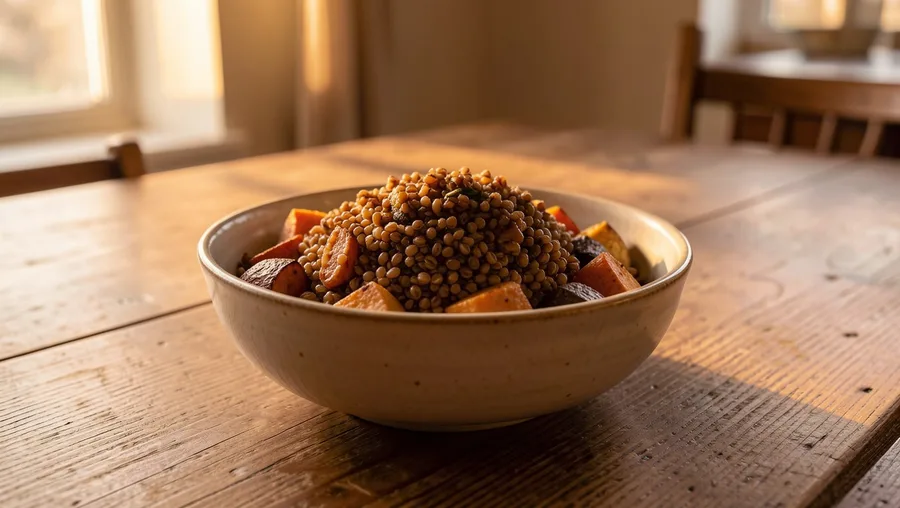
White rice and processed flour cause rapid insulin spikes that leave you feeling sluggish and drained within ninety minutes. Older metabolisms struggle to clear blood glucose quickly, leading to increased systemic inflammation.
I completely cleared my pantry of white grains and filled it with Bob's Red Mill farro and pearled barley. These ancient grains retain their fibrous outer husks, which slows down digestion and provides a steady release of steady energy.
My late-afternoon brain fog vanished entirely by week four, replaced by a consistent level of alertness that lasted until evening.
5. Adding a Daily Handful of Raw Walnuts
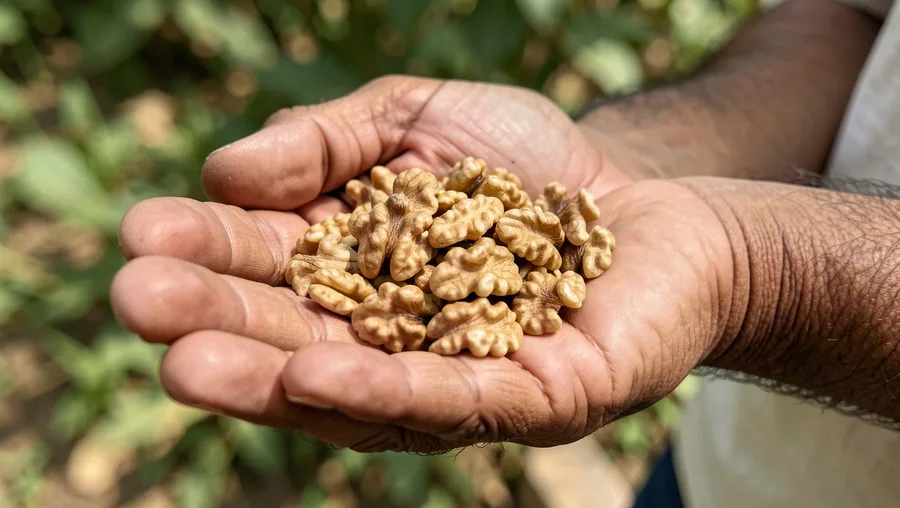
You want to protect your brain health, but most processed snacks provide empty calories that drive up overall cell inflammation. Walnuts look exactly like miniature brains for a reason; they are packed with alpha-linolenic acid.
I started eating exactly one ounce of raw, unsalted walnuts every afternoon around 3 p.m. to beat the midday slump. This specific dose offers a heavy concentration of plant-based omega-3s that support cognitive health and steady blood pressure.
It successfully eliminated my old habit of foraging for dark chocolate or stale crackers late in the day.
💡 Tip: Buy raw walnuts in bulk and store them in the freezer to keep their fragile oils from oxidizing.
My 90-Day Metric Tracking
The concrete changes after three months
6. Eating Two Cups of Dark Leafy Greens
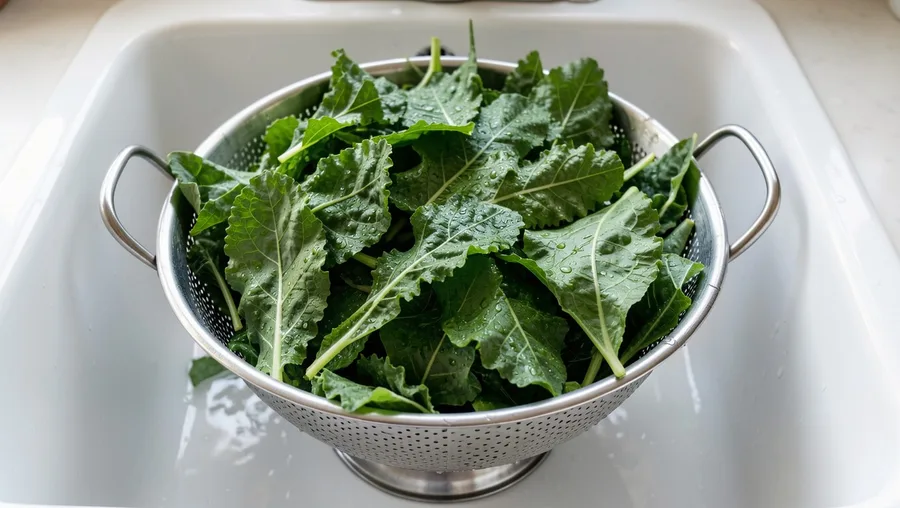
Your vascular system loses flexibility over time, causing your heart to work significantly harder during basic walks or light exercise. Leafy green vegetables contain dense dietary nitrates that your body converts directly into nitric oxide.
I committed to eating two full cups of raw dinosaur kale or steamed Swiss chard every single afternoon. This natural compound relaxes blood vessels, which actively improves circulation and helps manage baseline blood pressure readings.
My recovery time after brisk three-mile neighborhood walks dropped dramatically after the first month of this routine.
7. Swapping Sweet Desserts for Fresh Berries

Refined sugar compromises your sleep quality by triggering nocturnal insulin drops that wake you up sweaty at 3 a.m. Skipping the evening ice cream helps stabilize your overnight glucose cycles.
I swapped my post-dinner treats for a half-cup of organic blackberries or wild blueberries dusted with true Ceylon cinnamon. Berries are packed with anthocyanins, which clear out oxidative stress while you rest.
My sleep tracker showed a significant increase in deep, uninterrupted sleep cycles within two weeks of making this swap.
Best Berry Options
8. Consuming Prebiotic Cultured Foods Daily

Ask a gastroenterologist about digestive changes after 50 and they will focus heavily on thinning stomach linings and sluggish gut biomes. A compromised gut cannot absorb nutrients efficiently from the healthy foods you eat.
I introduced a daily half-cup of unflavored, triple-strained plain Greek yogurt or traditional live-culture kefir into my morning routine. These foods supply active bacterial strains that reinforce your intestinal barrier and improve natural nutrient absorption.
The persistent abdominal bloating that used to follow my evening meals completely vanished by day thirty.
9. Restricting All Meals to a 10-Hour Window

Late-night snacking forces your digestive tract to work during hours meant for cellular repair and deep metabolic rest. Restricting your eating window gives your liver and pancreas a clear break to process stored glycogen.
I set my daily eating window strictly from 8:30 a.m. to 6:30 p.m., consuming only water or herbal tea outside those parameters. This schedule aligns food intake with your natural circadian rhythms, optimizing insulin response.
I stopped waking up with puffy eyes and morning fluid retention after the first week of this shift.
10. Drinking Two Liters of Filtered Water Daily

Your natural thirst signals weaken considerably as you age, leading to chronic mild dehydration that mimics joint pain and fatigue. Increasing your plant fiber intake without adding matching fluids results in severe digestive discomfort.
I tracked my water intake using a plain 32-ounce stainless steel Hydro Flask, filling it exactly twice over the course of each day. Hydrating properly keeps your spinal discs plum and your digestive tract moving smoothly.
My regular afternoon headaches disappeared completely by day ten, and my skin lost its crepey, dry texture.
11. Incorporating Half a Cup of Legumes Daily

You might assume protein only comes from animal sources, but legumes offer a dual benefit that stabilizes long-term heart health. Soluble fiber binds to bile acids in your digestive tract, encouraging your liver to clear circulating cholesterol.
I added a half-cup of organic brown lentils or plain chickpeas to my mid-day vegetable soups. This small dietary habit populates your gut with short-chain fatty acids that actively lower systemic body inflammation over time.
My regular lab work at the end of the 90 days showed a substantial improvement in my lipid panel.
💡 PRO TIP
The Rinse Routine
Always thoroughly rinse canned beans under cold water for 60 seconds before cooking. This removes the complex sugars in the canning liquid that trigger abdominal gas and bloating.
12. Using Fresh Herbs Instead of Excess Salt

Heavy sodium intake causes immediate fluid retention that stiffens arterial walls and increases overall workload on your heart. Replacing the salt shaker with potent aromatics delivers dense doses of protective plant compounds.
I began mincing fresh rosemary, Italian flat-leaf parsley, and garlic cloves into every warm dish I prepared. Rosemary contains rosmarinic acid, a powerful antioxidant that helps preserve cellular integrity as we age.
Food tasted dramatically more vibrant within two weeks, and my morning finger swelling resolved completely.
13. Eating One Cup of Cruciferous Vegetables
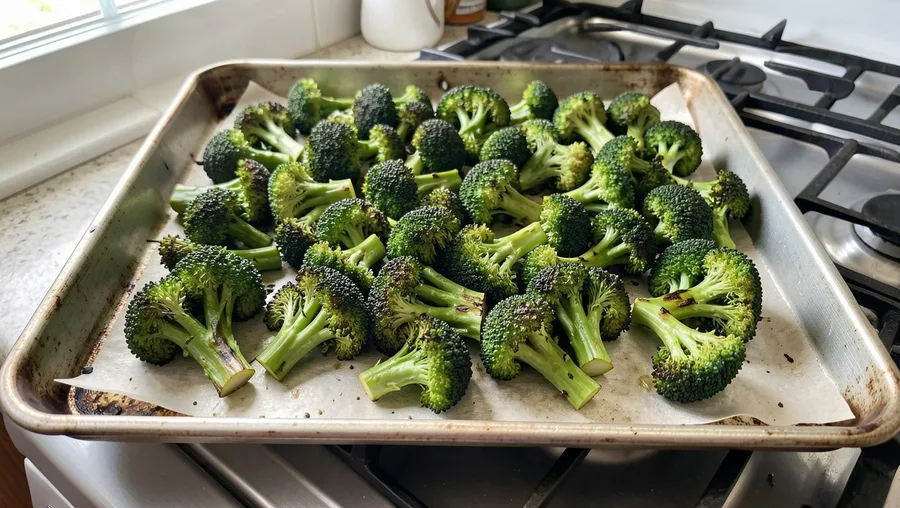
Your liver function slows down gradually with age, reducing your body's natural ability to process metabolic waste and environmental toxins. Cruciferous plants contain glucoraphanin, which optimizes natural detoxification pathways.
I integrated one cup of roasted broccoli florets or shaved Brussels sprouts into my daily dinner routine. Roasting them lightly with olive oil preserves their sulfur compounds while making them significantly easier to digest.
I noticed an overall improvement in my skin clarity and a steady baseline of physical energy within a month.
14. Snacking on Pumpkin and Sunflower Seeds
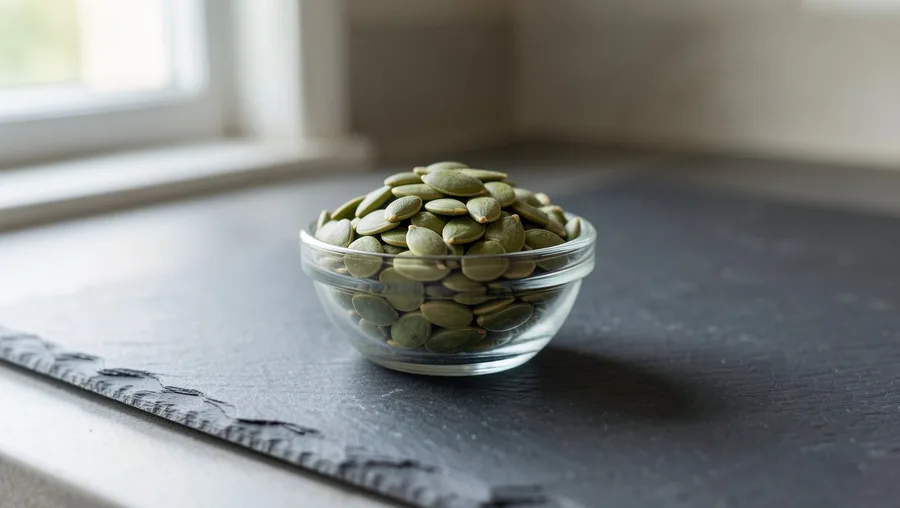
An aging nervous system requires ample magnesium to maintain steady nerve conduction and prevent painful nocturnal leg cramps. Commercial snack bars hide huge amounts of cane sugar behind health labels.
I substituted my afternoon snack bars with two tablespoons of raw sprouted pumpkin seeds. These seeds provide a massive hit of organic zinc and magnesium, supporting muscle relaxation and immune health.
Those frustrating midnight calf cramps that used to wake me up entirely stopped by week six.
15. Enjoying One Square of Dark Chocolate
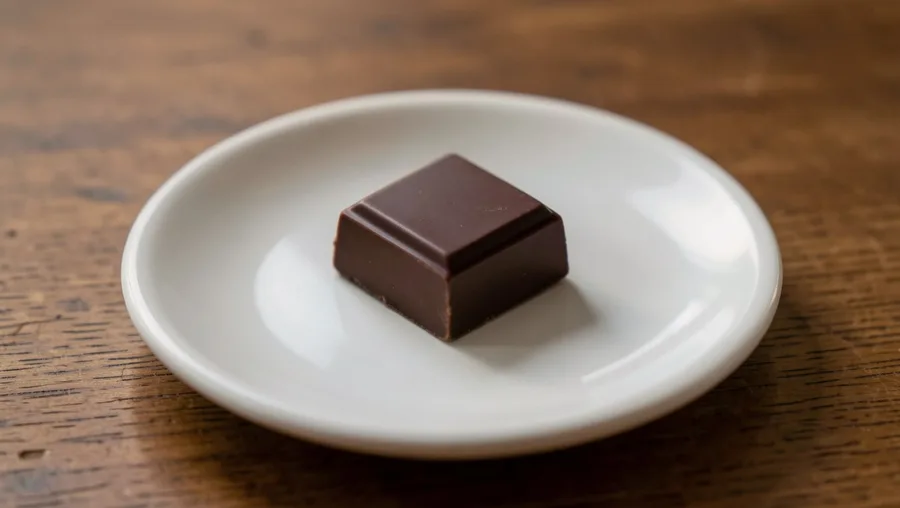
Restricting yourself too harshly leads to mental fatigue and eventual diet abandonment within the first forty-five days. A healthy lifestyle must include sustainable pleasure that actually benefits your cardiovascular tissue.
I ended my evenings with exactly one square of unflavored Lindt 85% dark chocolate melted slowly on my tongue. High-percentage cacao contains flavanols that improve blood flow directly to the brain.
It provided a perfect sense of culinary closure to my day without causing a midnight glucose spike.
The Ingredient Traffic Light
- Extra Virgin Olive Oil & Wild Sardines — Consume daily to suppress cellular inflammation and lubricate your joints.
- Whole Grain Farro & Cultured Kefir — Incorporate regularly to stabilize blood sugar and optimize nutrient absorption.
- Red Wine & Lean Poultry — Limit strictly to small, occasional portions to protect your sleep quality.
- Refined White Sugar & Soybean Oil — Avoid completely to prevent rapid insulin spikes and arterial stiffness.
90-Day Diet Transition Summary
What to Swap Out
- Morning butter for frying eggs
- Afternoon processed snack bars
- White rice and refined flour sides
- Late-night sugary ice cream dishes
What to Bring In
- Raw extra virgin olive oil drizzles
- Two tablespoons of pumpkin seeds
- Nutty cooked farro or pearled barley
- Fresh blackberries with true cinnamon
📅 Your 90-Day Metabolic Plan
Week 1: Clean the Pantry
Remove all refined vegetable oils, white flours, and sugary processed snacks from your kitchen.
Week 4: Fluid Stabilization
Notice a reduction in morning finger swelling as your body clears excess retained water.
Week 8: Joint Comfort Shifts
Experience quieter knee tissue during stair climbs as active olive oil compounds build up.
Week 12: Baseline Optimization
Verify your improved internal metrics with a standard lipid and glucose panel from your doctor.
Final Thoughts
If you choose to make only one single adjustment from this entire list tomorrow morning, make it the extra virgin olive oil swap. Replacing your daily cooking butter with two tablespoons of high-quality, raw cold-pressed olive oil delivers the fastest, most noticeable reduction in morning physical stiffness within your first thirty days.

Meet Edward Green, the founder of GolfingGoal and a seasoned expert in golf. With years of experience on the course and a passion for the sport, Edward has a wealth of knowledge to share. As our Lead Writer, he contributes articles, tutorials, and resources to help readers to improve their skills and reach their full potential on the golf course. Join Our Team!