

You finish your morning coffee, but by 11 a.m. your energy plummets and your joints feel stiff. While fitness ads scream that you need more protein powder, clinical nutritionists working with older adults are quietly shifting the focus elsewhere.
After age 60, your body experiences metabolic and structural changes that alter how you process nutrients. True health at this stage depends on systemic fixes that protein alone cannot provide, starting with your digestive tract.
Quick Tips Before You Start
Hydrate First
Add one full glass of water for every five grams of fiber you add to your diet.
Go Slow
Increase your daily intake by just three grams per week to prevent gas.
Whole Foods
Prioritize intact grains and legumes over processed fiber supplements.
1. Insulin Response and Blood Sugar Stability

You watch your carbohydrate intake, yet your post-meal blood sugar numbers still spike. After 60, insulin sensitivity naturally drops, making glucose management much harder.
Soluble fiber forms a thick gel in your small intestine. This physical barrier slows down the absorption of glucose into your bloodstream.
Instead of sudden spikes, you get a steady release of fuel. This keeps your energy level constant all afternoon without taxing your pancreas.
Essential Fiber Terms Decoded
2. Short-Chain Fatty Acids and Systemic Inflammation

Your knees complain when you wake up, and your lower back throbs. Many adults attribute this to simple aging, but systemic inflammation often drives this daily discomfort.
When your gut bacteria ferment prebiotic fiber, they produce short-chain fatty acids like butyrate. These compounds travel through your blood and signal your immune cells to quiet down.
Nutritionists emphasize that this internal cooling mechanism directly targets joint discomfort. Protein builds the joint tissue, but fiber dampens the fire that breaks it down.
3. Satiety Signaling and Weight Management Shifts
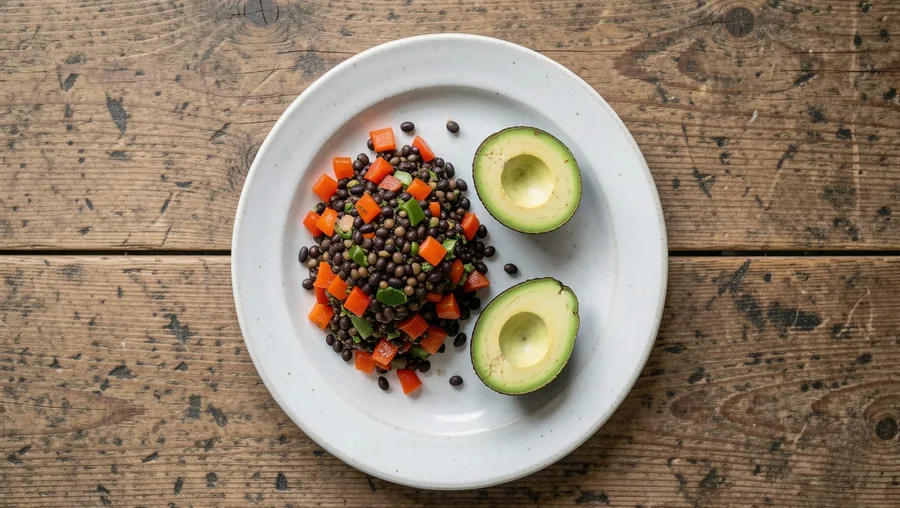
You find yourself reaching for snacks just two hours after eating a large chicken breast. Protein satisfies you initially, but it does not stretch the stomach walls long enough.
Fiber physically fills the stomach space and triggers mechanoreceptors that tell your brain you are full. It also stimulates the release of long-acting satiety hormones like PYY.
This hormonal shift stops the nagging urge to graze between meals. It helps maintain a healthy weight without constant calorie restriction.
⚠️ COMMON MISTAKE
The Danger of Replacing Fiber with Extra Protein
Adding more meat while ignoring plant walls can stall digestion. Without fiber to move waste, protein breakdown byproducts sit in your colon longer, increasing cellular irritation.
4. Regularity and Lower Colon Pressure Dynamics

You experience chronic constipation that leaves you feeling heavy and bloated. As the intestinal muscles slow down with age, waste moves through the tract sluggishly.
Insoluble fiber acts like a soft broom, adding weight and holding moisture inside the stool. This keeps waste soft and pliable as it travels.
By speeding up transit time, you drop the physical pressure inside the colon walls. This protects the delicate tissues from structural strain.
5. Cholesterol Clearance and Bile Acid Binding

Your doctor notes a steady rise in your LDL cholesterol despite your clean diet. Your liver continuously uses cholesterol to produce bile acids for digestion.
Soluble fiber binds tightly to these bile acids in the intestinal tract, carrying them out of the body as waste.
To replace them, your liver must pull circulating LDL cholesterol directly out of your blood. This provides a natural clearing mechanism that protein cannot duplicate.
The Fiber Verdict Lanes
- Lentils, Chickpeas, and Split Peas — Excellent choice. Delivers over 15 grams per cup along with clean minerals.
- Processed Fiber Bars and Fortified Snacks — Use caution. Often contains isolated fibers that cause sudden gas and bloating.
- Refined White Flour and Sugary Cereals — Avoid. Stripped of all natural bran layers, stalling your digestive tract.
6. Diversity in the Gut Microbiome Ecosystem

You notice your stomach reacts poorly to foods that never used to bother you. The collection of bacteria in your gut naturally thins out as the decades pass.
Microbes do not eat meat or whey protein; they thrive on the diverse complex carbohydrates found in plant cell walls.
Eating a wide variety of plant foods rebuilds this microbial ecosystem. A diverse microbiome helps process nutrition efficiently and supports your baseline health.
7. Diverticular Disease Prevention and Structural Health

You worry about sharp, sudden abdominal pains that point to diverticulosis. These small pouches form when high pressure forces the inner lining through weak spots in the colon.
A high-fiber diet keeps the stool bulky, which naturally expands the colon lumen. This prevents the muscle walls from spasming and generating extreme localized pressure.
Gastroenterologists stress that keeping stool moving softly is the primary structural defense against pocket formation.
Pinto Beans — At a Glance
🥣 Fiber Content
15g per cup
💪 Protein Content
15g per cup
⏱️ Prep Method
Soak overnight, boil 1 hour
⚠️ Skip If
Active digestive flare-ups
Why It Works
Dual-action nutrient delivery provides equal parts building blocks and prebiotic fuel.
8. Calcium Absorption and Bone Density Support

You take your calcium supplements faithfully but still see bone density markers slip. Your body needs an acidic environment in the lower gut to absorb minerals well.
When good bacteria ferment soluble fibers like inulin, they produce acids that lower the pH of your cecum and colon.
This chemical shift makes calcium and magnesium more soluble, allowing your bones to access them easily. Fiber sets the stage for mineral absorption.
9. Cellular Longevity and Telomere Length Links

You look for ways to protect your cellular health beyond simple cosmetics. Researchers trace longevity markers directly down to the caps on your DNA, known as telomeres.
Large-scale health surveys track a distinct relationship between high fiber intake and longer telomeres in older populations.
The connection lies in how fiber controls systemic oxidative stress. Lowering internal cell irritation preserves these genetic caps over time.
The Daily Fiber Targets
10. Pelvic Floor Strain Reduction and Muscle Protection

You perform your core exercises diligently, but ignore how bathroom habits affect your lower muscles. Chronic straining weakens the pelvic floor tissue over time.
Straining acts like a blunt force against the pelvic base, leading to structural issues or physical discomfort.
Bulky, fiber-rich stool allows the bowels to empty without forced effort. This simple daily relief protects your core stability far better than extra protein shakes.
💡 Tip: Mix two tablespoons of chia seeds into water or oatmeal daily to add 10 grams of easy fiber.
11. Plant Protein Ingestion and Kidney Longevity

You load up on animal proteins, but your blood work shows rising filtration markers. Your kidneys must work harder to clear the nitrogenous waste from heavy meat consumption.
Getting your protein alongside fiber via lentils, beans, and whole grains changes the biological math.
Plant sources generate far fewer metabolic waste products. This lightens the daily filtration workload on your kidneys while delivering clean fuel.
Best Fiber Packages for Kidney Health
12. Cardiovascular Wall Flexion and Plaque Mitigation
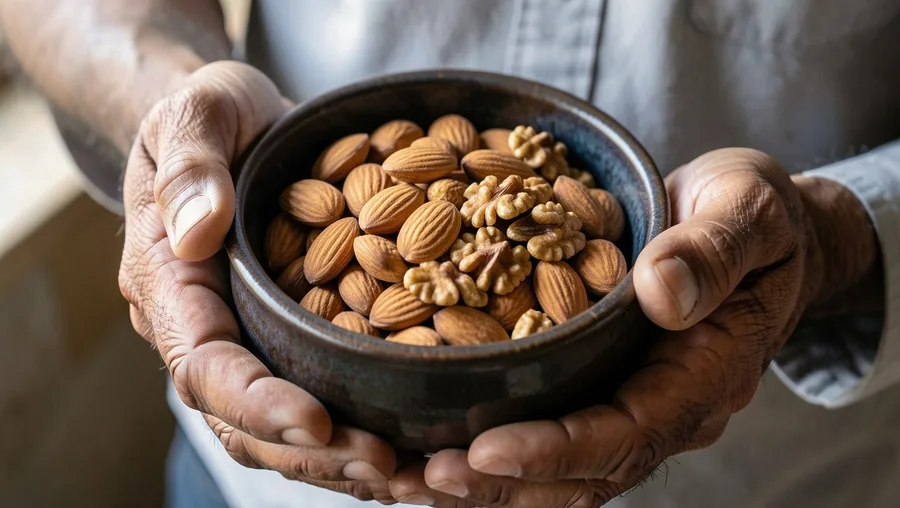
You keep an eye on your blood pressure numbers every morning. Arteries naturally lose some elasticity over the decades, making them prone to plaque accumulation.
A high-fiber diet directly lowers circulating apolipoprotein B levels, a major component of arterial plaque.
Keeping your blood vessels clear preserves proper fluid dynamics. This reduces the force your heart must exert with every single beat.
13. Bile Acid Removal and Liver Loading
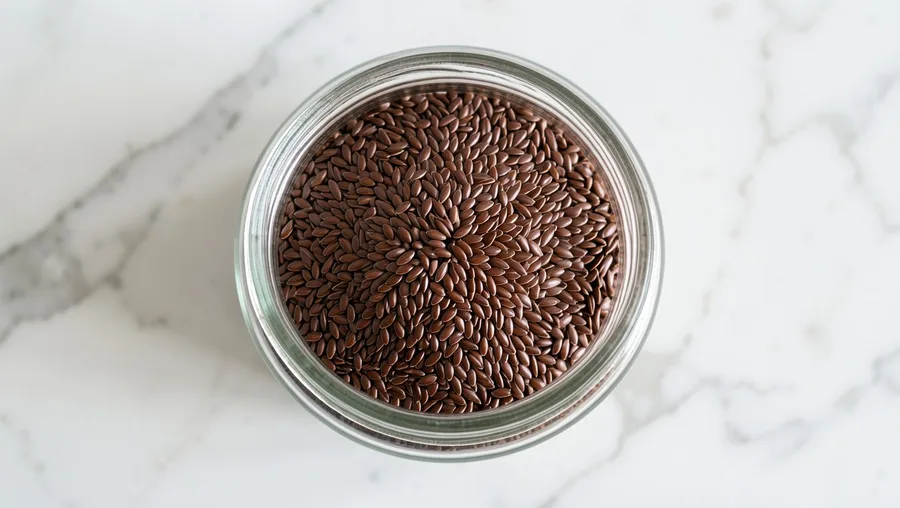
You notice sluggish digestion and wonder how to support your internal filtration organs. Your liver shoulders the burden of processing environmental and metabolic waste.
When fiber binds to old bile in the intestine, it prevents those compounds from being reabsorbed back into the liver.
This forces the liver to synthesize fresh bile, creating a clean cycle of elimination. It keeps your internal metabolic pathways running smoothly.
💡 PRO TIP
Always Grind Your Flaxseeds
Whole flaxseeds pass right through your digestive tract completely unbroken. Grind them in a basic coffee mill before eating to access both the soluble fiber and healthy fats.
14. Short-Chain Fatty Acids and Mood Regularity

You struggle with unpredictable mood shifts and unexplained morning anxiety. Your gut lining houses millions of neurons that talk directly to your brain via the vagus nerve.
The short-chain fatty acids made from fiber stimulate cells in your gut wall to produce serotonin.
In fact, most of your body's serotonin originates in the digestive tract. Feeding your microbes fiber helps stabilize the chemical baseline of your nervous system.
15. Metabolic Flexibility and Visceral Fat Reduction
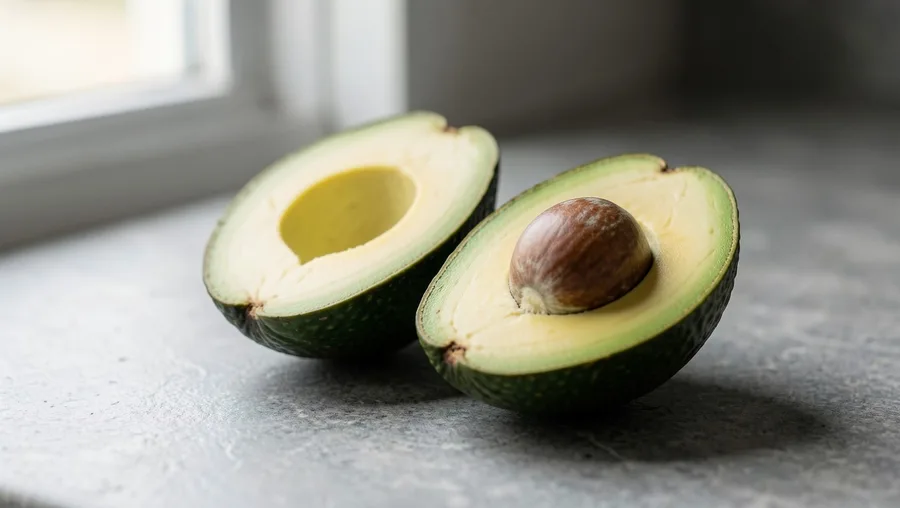
You exercise but find that deep, stubborn abdominal fat refuses to budge. Visceral fat responds heavily to your internal hormone balance rather than just calorie counting.
Fiber intake improves your overall metabolic flexibility by reducing the continuous demand for insulin release.
Lower insulin levels allow your body to access stored fat cells for energy. This makes it significantly easier to reduce deep abdominal storage safely.
📅 The 4-Week Plan to Add Fiber Safely
Week 1: The Small Addition
Mix one teaspoon of ground flaxseed into your morning yogurt or oatmeal daily.
Week 2: Legume Introduction
Replace one meat-based lunch with a half-cup of well-cooked brown lentils.
Week 3: Grain Swap
Trade your morning white toast for high-fiber, 100% sprouted grain bread.
Week 4: The Fruit Standard
Add a half-cup of fresh raspberries or blackberries to your afternoon routine.
How to Spend Your Daily Nutrient Budget
Prioritize Plant Fiber
- Binds excess blood cholesterol
- Feeds the beneficial gut microbes
- Eases internal colon pressure
- Smooths out post-meal insulin spikes
Isolate Extra Protein Powder
- Increases nitrogen filtration burden
- Fails to support bowel regularity
- Provides zero prebiotic fuel
- Can leave you feeling prematurely hungry
Final Thoughts
If you make only one change to your plate tomorrow, focus entirely on adding a half-cup of cooked lentils to your lunch. Within thirty days, this simple adjustments alters your waste transit time, settles your afternoon blood sugar variations, and cools down your joints far better than doubling your meat intake.

Meet Edward Green, the founder of GolfingGoal and a seasoned expert in golf. With years of experience on the course and a passion for the sport, Edward has a wealth of knowledge to share. As our Lead Writer, he contributes articles, tutorials, and resources to help readers to improve their skills and reach their full potential on the golf course. Join Our Team!