
You do everything right for dinner, yet by 8 p.m. your waistband feels like a tourniquet.
That was my exact evening routine at 61. I ate my greens, walked three miles daily, and still dealt with a stubborn, heavy sluggishness after every meal. It felt like my internal engine had simply slowed down, leaving food sitting around far longer than it used to.
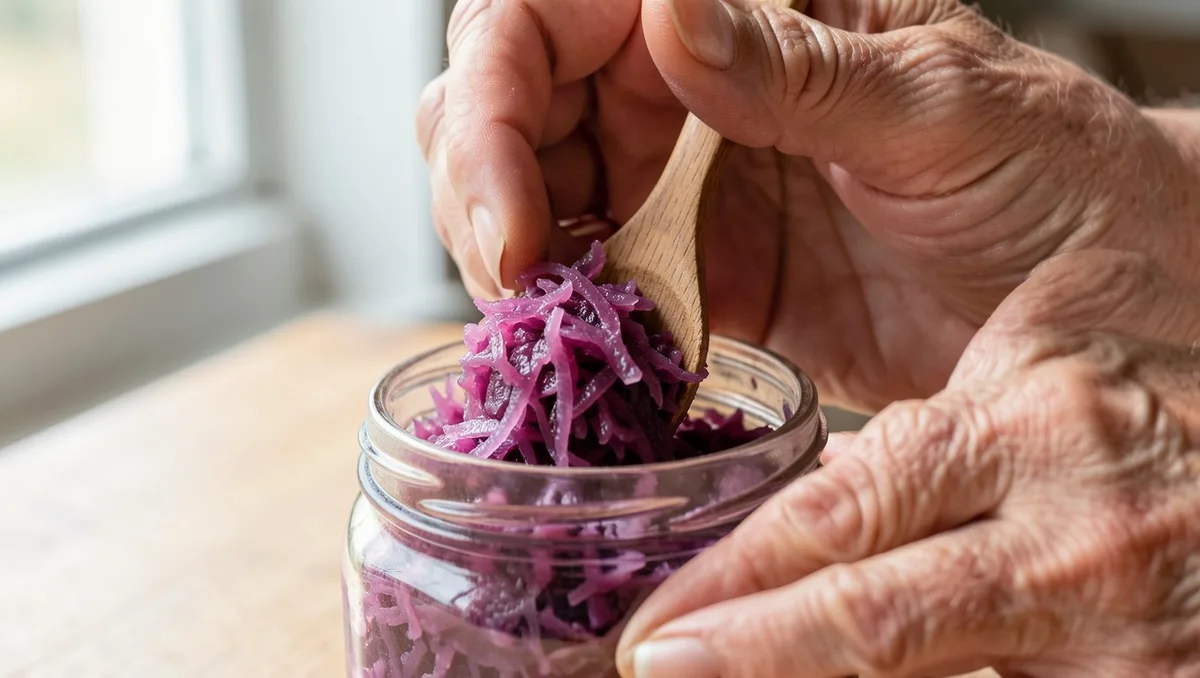
I decided to test a straightforward, low-cost experiment: consume two real, unpasteurized servings of fermented food every single day for 30 consecutive days.
Here is what actually happened to my digestion, what the science explains about our aging guts, and how to start without sending your stomach into a tailspin.
💡 PRO TIP
The 30-Day Protocol Rules
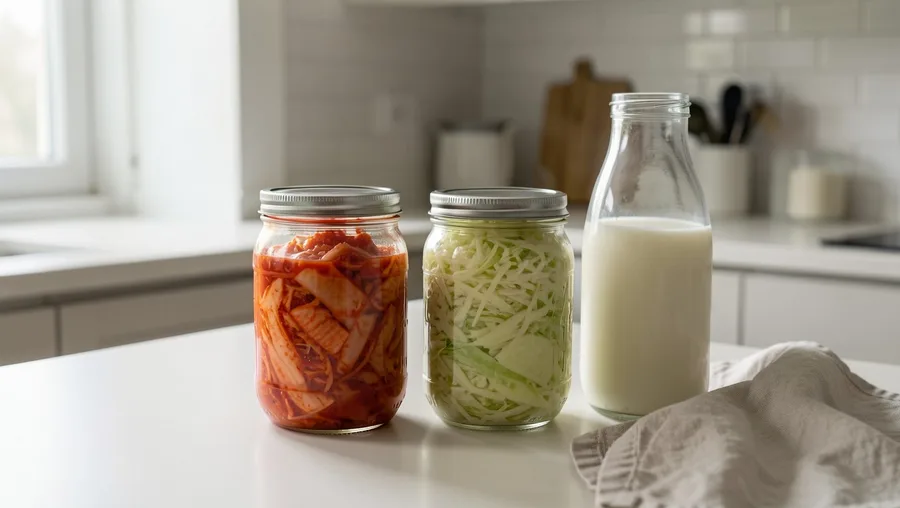
One serving meant 1/2 cup of raw sauerkraut, 6 ounces of plain unsweetened kefir, 1 tablespoon of live miso paste, or 1/2 cup of kimchi. All foods had to be raw, unpasteurized, and active—pasteurized canned pickles do not count.
The Aging Microbiome: Why Fermented Foods Act Differently After 60
Your stomach acid naturally decreases as you age.
Doctors call this gradual decline hypochlorhydria, and it alters how quickly you digest protein and absorb essential minerals like calcium and B12. Combined with sluggish intestinal transit, the bacteria in your gut shift toward less diverse, more inflammation-prone colonies.
Adding live fermented foods introduces transient lactic acid bacteria alongside organic acids that immediately lower the pH of your digestive tract.
Pills often fail here. A standard probiotic capsule delivers millions of isolated strains, but live fermented foods surround those microbes in a protective food matrix. That natural shield helps beneficial bacteria survive stomach acid so they reach your lower intestine intact.
Recent clinical trials confirm that eating fermented foods daily increases microbial diversity while reducing systemic inflammatory proteins like Interleukin-6.
Gut Support Hierarchy After 60
Build your daily routine from foundation to top-tier interventions
Week 1 to 2: Bloating, Adaptation, and the Adjustment Phase
Days 3 through 5 were uncomfortable.
I started on Day 1 with a full half-cup of raw sauerkraut at lunch and six ounces of unsweetened goat milk kefir with dinner. By Day 3, my gut felt like an active construction zone, filled with noticeable rumbling and extra gas.
That reaction is completely normal microbial competition.
When you introduce billions of active lactobacilli into an older gut, they immediately start competing with resident bacteria for territory. If you dump too many active cultures into your system at once, that sudden fermentation creates temporary carbon dioxide buildup.
By Day 8, I cut my portion sizes in half and paired my sauerkraut with warm cooked rice to buffer the acidity. Within 48 hours, the sharp bloating disappeared, leaving my stomach noticeably flatter after dinner than it had been in months.
🔄 The 10-Day Digestive Adaptation Curve
Day 1–2: Introduction
First doses of live cultures enter the digestive tract without immediate symptom changes.
Day 3–5: Microbial Shift
Transient bacteria compete with resident flora, causing temporary gas and mild tightness.
Day 6–8: Portion Buffer
Halving the dose and consuming ferments alongside cooked meals settles active distress.
Day 9–10: Stabilization
Gas subsides as gut transit time begins to regulate and post-meal heaviness lifts.
Week 3 to 4: Energy Shifts, Regularity, and Real Results
By Day 18, the most dramatic shift took place.
My elimination became predictable and complete every single morning, replacing years of irregular, sluggish mornings. Meals digested quietly without the heavy, weighted feeling that used to linger in my upper stomach for hours.
My afternoon energy slump vanished completely.
I stopped needing a second cup of coffee at 3 p.m. because my body was no longer expending massive energy trying to process dense meals. While I did not experience a miraculous reversal of aging, my daily vitality felt noticeably steadier.
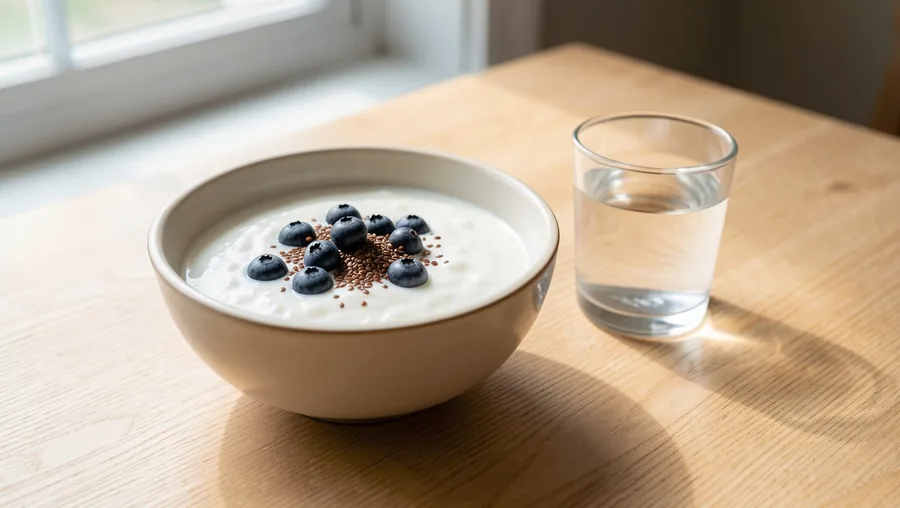
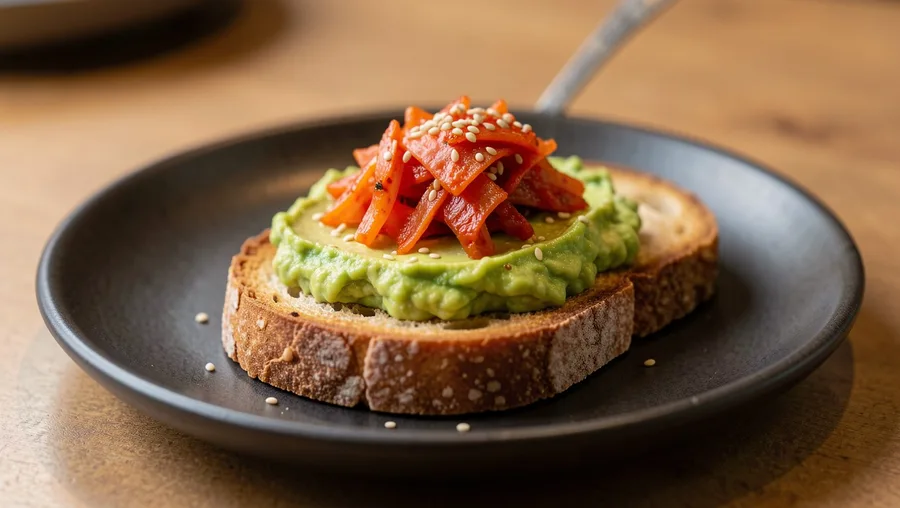
Rotating my sources kept things interesting: plain Greek yogurt at breakfast, kimchi with grain bowls at lunch, and a warm spoonful of white miso stirred into vegetable broth before bed.
30-Day Gut Reboot Impact
Before Day 1
- Post-meal heaviness lasting 2–3 hours
- Irregular morning bowel habits
- Mid-afternoon energy crashes at 3 p.m.
- Frequent evening abdominal tightness
After Day 30
- Quiet, efficient digestion within 45 minutes
- Predictable, comfortable morning regularity
- Sustained afternoon focus without caffeine
- Flatter, comfortable waistline after dinner
What 30 Days Can and Cannot Fix: Separating Hype from Science
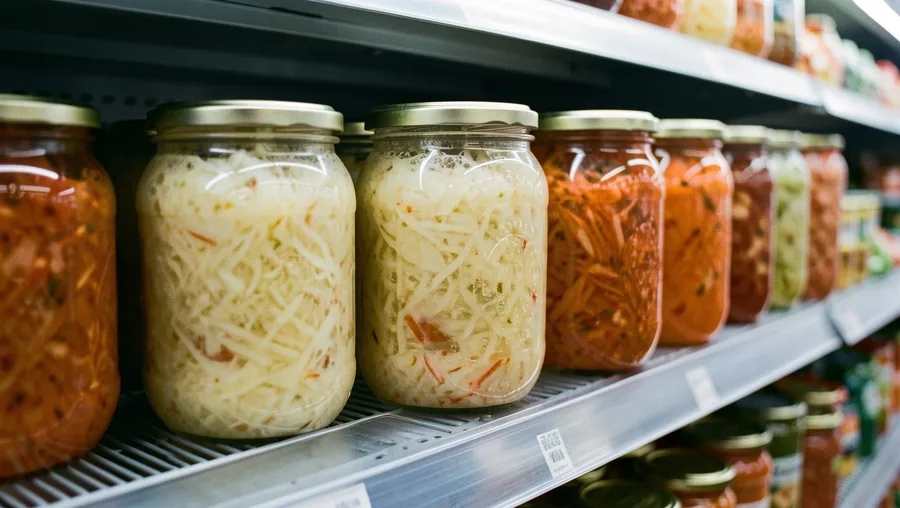
Fermented foods are not magic pills.
Social media claims that a jar of sauerkraut will cure autoimmune diseases or erase decades of poor eating overnight are complete nonsense. Live cultures pass through your system in a matter of days—they do not permanently colonize your gut forever.
Their power lies in their continuous daily presence.
While present, these bacteria generate short-chain fatty acids like butyrate, which nourish your gut lining, reduce intestinal permeability, and help modulate blood sugar response.
You must choose products carefully. Grocery store shelves are packed with vinegar-pickled cucumbers and pasteurized sauerkraut that have been heat-treated, killing every single beneficial microbe before the jar ever hits your cart.
Fermentation Myths vs. Biological Facts
How to Safely Start Your Own Fermentation Habit After 60
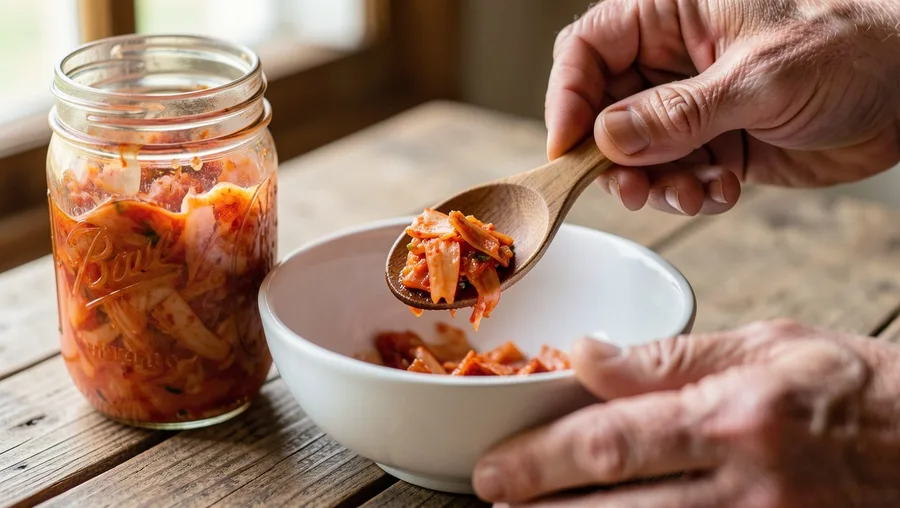
Start slow to avoid digestive distress.
Do not eat two full servings on day one. Begin with a single teaspoon of sauerkraut brine or one tablespoon of plain kefir alongside a hearty meal, giving your gut flora seven full days to adjust.
Gradually increase your intake over three weeks.
Look for the words 'naturally fermented', 'raw', or 'contains live active cultures' on the label. If the product is sitting on a non-refrigerated middle aisle shelf, it has been pasteurized and holds zero live bacterial benefit.
Listen to your body above all else. Gentle rumbling means adaptation, but sharp pain or persistent diarrhea means you need to back off your dosage immediately.
The Safe 3-Week Ferment Ramp-Up Plan
Sample Weekly Rotation for Diverse Gut Strain Exposure
Frequently Asked Questions
Can I just take a probiotic pill instead of eating fermented foods?
Probiotic pills offer isolated strains, but fermented whole foods surround bacteria in a protective food matrix. That natural structure helps microbes survive stomach acid better while providing organic acids and enzymes pills lack.
What if I have high blood pressure—aren't fermented foods loaded with sodium?
Fermented vegetables like sauerkraut and kimchi do contain significant salt. If you watch your sodium, focus on plain unsweetened kefir, Greek yogurt, or low-salt tempeh instead of vegetable brines.
How can I tell if a store-bought fermented food actually has live bacteria?
Check the refrigerated case. True fermented foods are rarely shelf-stable, do not list vinegar in their ingredients, and explicitly state 'raw', 'unpasteurized', or 'naturally fermented' on the label.
Will eating fermented foods worsen acid reflux or GERD?
They can if eaten on an empty stomach due to their natural acidity. Buffer ferments by consuming small portions alongside complex carbohydrates like brown rice, oats, or sweet potatoes.
How long does it take to notice digestive changes when adding fermented foods?
Initial transit time improvements and reduced bloating typically show up within 7 to 14 days, provided you scale portions gradually to avoid early gas.
Start With This One Simple Step
At 61, improving my digestive comfort did not require an expensive cabinet full of synthetic supplements or an aggressive dietary overhaul.
It took two small, consistent servings of real fermented food every day, giving my aging gut the daily microbial input it needed to process meals smoothly again.
Buy one jar of raw, refrigerated sauerkraut tomorrow morning. Eat a single tablespoon alongside your regular lunch, pay attention to how your stomach feels, and let your body adapt at its own natural pace.

Meet Edward Green, the founder of GolfingGoal and a seasoned expert in golf. With years of experience on the course and a passion for the sport, Edward has a wealth of knowledge to share. As our Lead Writer, he contributes articles, tutorials, and resources to help readers to improve their skills and reach their full potential on the golf course. Join Our Team!