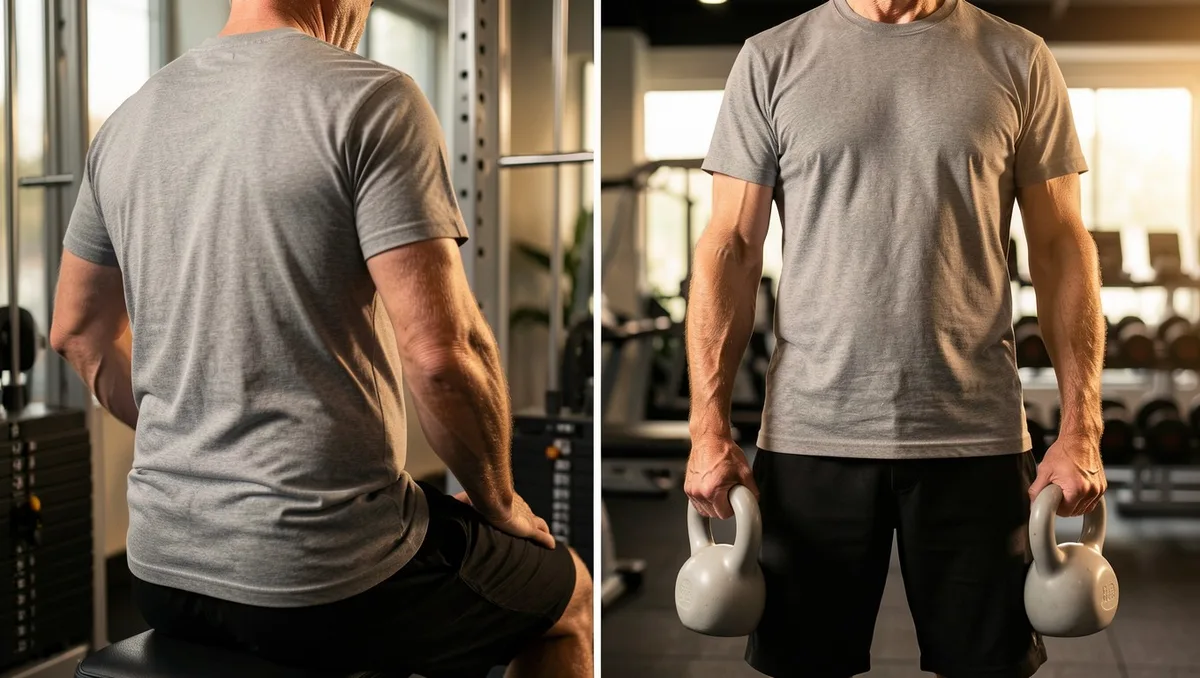
You step into the gym, warm up for five minutes, and head straight to the selectorized machine circuit you have relied on for twenty years. But lately, your knees ache after leg day, and your lower back feels compressed every time you stand up from the seated press.
Your body has changed, yet your workout equipment remains rigidly frozen in time. Physical therapists and exercise physiologists consistently point out that traditional fixed-path strength machines were built to isolate hyper-specific muscle groups for young bodybuilders, not to support midlife joint mechanics. Dropping these five specific gym machines is not a retreat—it is the fastest way to build pain-free, real-world strength that actually lasts.
The Biomechanical Shift: What Happens to Tendons and Spine Under Fixed Loads
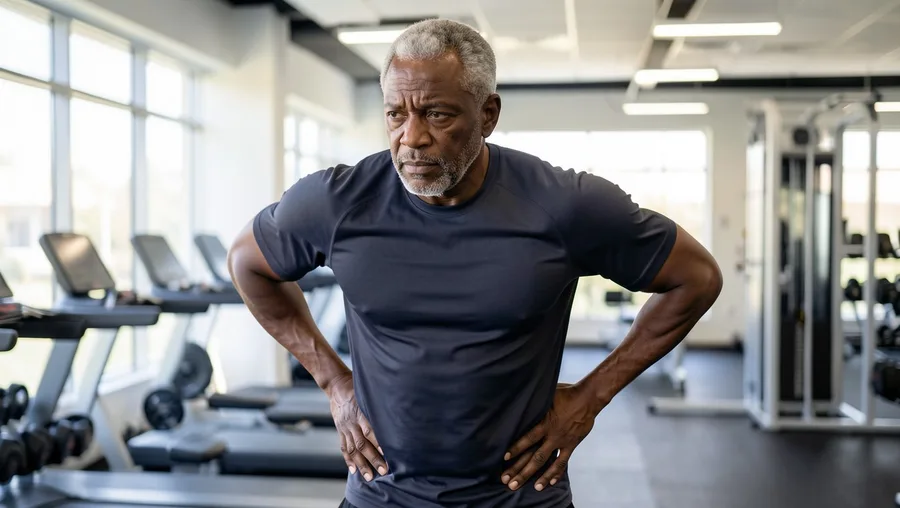
Your skeleton needs a completely different relationship with gravity at 55 than it did at 25.
With age, intervertebral discs lose water content, reducing their natural shock-absorbing height. When you sit in a fixed machine and push heavy iron, high compressive and shear forces target those compromised spinal segments. Free weights allow your body to micro-correct its position mid-rep, but rigid lever arms trap your joints in a single pre-determined track.
Your arthritic shoulder or cranky hip is forced to absorb every millimeter of trajectory misalignment.
Furthermore, fixed-path equipment completely disables your deep core and stabilizer muscles. By removing the need to balance, these units artificially overload primary prime movers while leaving connective tissue and stabilizing tendons completely exposed. The result is a false sense of strength that frequently leads to soft-tissue inflammation.
⚠️ COMMON MISTAKE
The Fixed-Track Fallacy
Fixed-path machines force your skeleton to conform to metal levers. Free weights and cables allow your joints to find their own anatomical alignment.
Midlife Joint Impact by the Numbers
Why biomechanical efficiency matters more than raw weight stack numbers after 50.
1. The Seated Leg Extension (High Shear, Low Reward)
Your knee joint is not a simple door hinge.
The seated leg extension machine places a heavy padded bar right at the bottom of your shins, creating a massive mechanical lever arm that pulls your lower leg forward. This mechanism generates extreme patellofemoral shear force directly behind your kneecap, grinding cartilage against bone under tension.
For anyone dealing with early osteoarthritis, this isolated load offers minimal functional benefit while accelerating joint degradation.
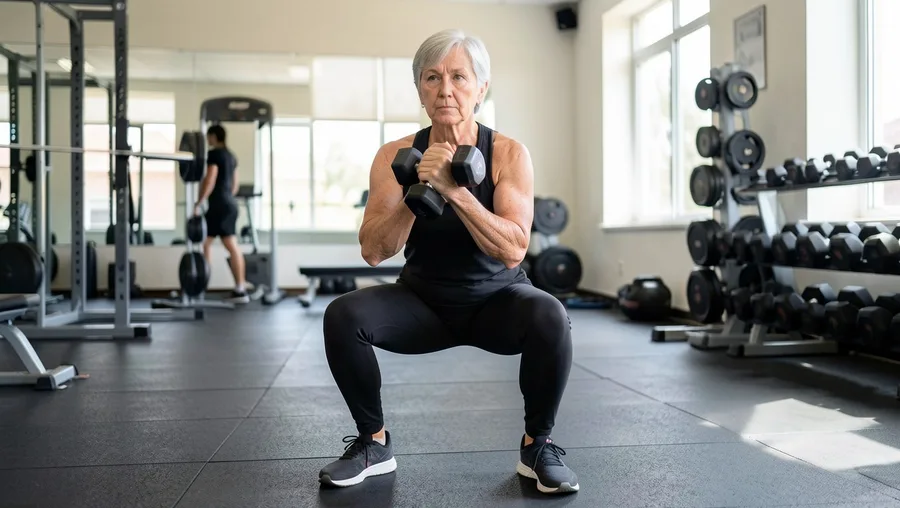
Swap this machine for standing goblet box squats or step-ups. These functional movements force your glutes, hamstrings, and deep core to co-contract, distributing the weight evenly across three major joints while actively shielding your knees.
💡 Tip: Place a 12-inch plyo box behind you during squats to ensure safe depth without knee valgus.
Seated Leg Extension — At a Glance
⚠️ Primary Risk
Patellar shear stress
🦵 Target Joint
Knee cartilage
🔄 Functional Swap
Goblet Box Squat
🎯 Primary Muscle
Isolated Rectus Femoris
Trainer Consensus
Eliminate open-chain knee extensions to preserve cartilage density.
Skip Leg Extension If
2. The Behind-the-Neck Lat Pulldown (Shoulder Impingement Trap)
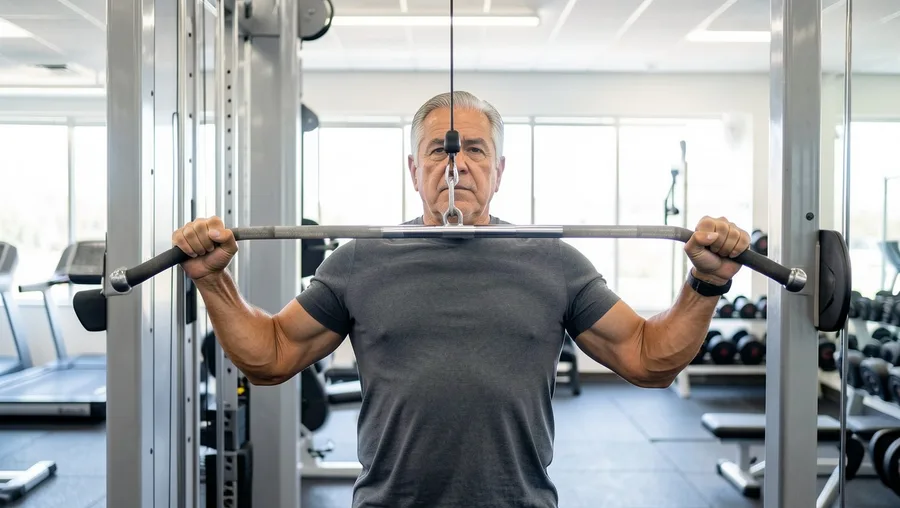
Reaching behind your head with a loaded steel bar is an unnecessary gamble.
This exercise forces the shoulder head into extreme external rotation and horizontal abduction while simultaneously jutting your neck forward to clear the path. Over age 50, natural loss of thoracic spine mobility makes this geometry nearly impossible to execute without severely pinching soft tissue.
Physical therapists consistently flag this specific position as a top cause of subacromial impingement and rotator cuff inflammation.
Pull the bar directly to your upper chest instead. Maintain a slight fifteen-degree tilt backward at your hips, keep your elbows driven toward your side pockets, and let your shoulder blades glide naturally down your ribcage.
Front Pulldown Mechanics
3. The Seated Torso Rotation Machine (Vertebral Shearing)
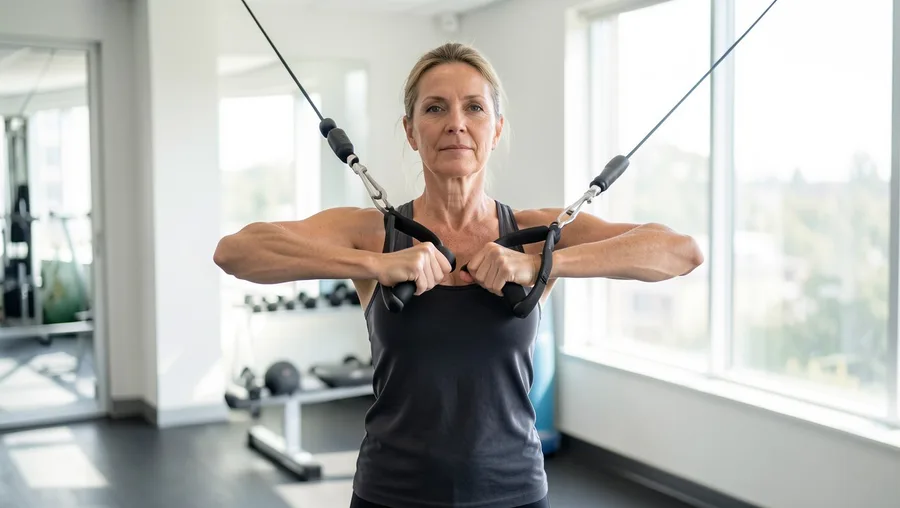
Twisting your spine under heavy metal weights is a recipe for back trouble.
Your lumbar spine is anatomically built to rotate only about 13 total degrees across all five vertebrae. The seated torso rotation machine locks your pelvis in a rigid padded frame and forces your lower back to generate powerful rotational torque through a long motion path.
This combination of heavy resistance, forced twisting, and spinal flexion puts incredible pressure on intervertebral discs.
Replace this dangerous apparatus with the standing anti-rotation cable press, often called the Pallof press. By anchoring a cable stack at chest height and pressing the handle straight out while resisting rotational pull, you build deep abdominal stability without twisting your spine.
4. The Deep Seated Leg Press (Lumbar Rounding Under Weight)
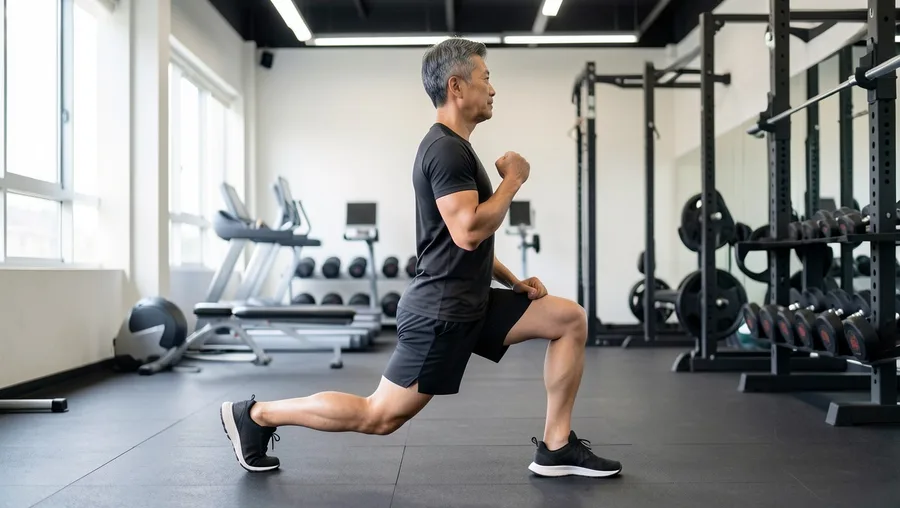
Loading hundreds of pounds onto a sled looks impressive until your spine yields.
When you pull your knees deep into your chest on a 45-degree leg press, your pelvis rolls backward off the padded pad at the bottom of the range. Exercise physiologists refer to this movement mistake as posterior pelvic tilt, or butt wink.
Rounding your lower back while holding hundreds of pounds of pressure flattens your spinal curve under intense weight.
Transition to Bulgarian split squats using light dumbbells or moderate kettlebells. Working one leg at a time builds single-leg balance, protects your spine from compression, and quickly exposes muscular imbalances.
💡 PRO TIP
Depth Over Load
Never sacrifice lower back positioning for extra weight plates. If your lower hips roll off the seat padding, you have gone way past your safe mobility range.
5. The Seated Abductor/Adductor Machine (Isolated Hip Strain)
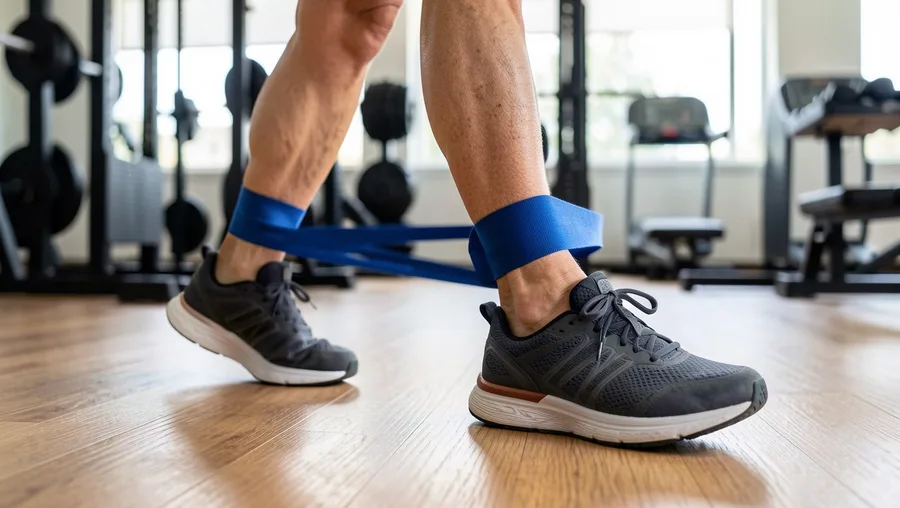
Sitting down to squeeze your legs together does not build functional hip strength.
This machine forces your hip joint to operate in a locked, seated position along a single side-to-side track. It repeatedly loads the piriformis muscle, IT band, and small hip capsule tendons without requiring any balance or foot stabilization from your lower body.
In real life, your hip abductors work continuously while you stand, balance, and step over objects.
Grab a light fabric resistance band, loop it around your ankles, and execute standing lateral band walks. This active exercise forces your gluteus medius to stabilize your pelvis while standing, strengthening the exact muscles that keep you steady on unpaved ground.
Hip Stabilization — At a Glance
⏱️ Frequency
2–3 days per week
🔁 Volume
2 sets of 12 steps
🎯 Target Area
Gluteus Medius
🛠️ Equipment
Fabric Loop Band
Longevity Benefit
Improves single-leg balance to significantly cut down on stumble and trip risks.
📅 The 4-Week Functional Transition Plan
Week 1: Swap Isolation for Cables
Replace torso rotation and leg extension machines with standing Pallof presses and light cable pulls.
Week 2: Introduce Single-Leg Balance
Ditch the seated leg press in favor of bodyweight box step-ups and reverse lunges.
Week 3: Add Banded Hip Work
Stop using seated thigh machines and add standing lateral band walks to warmups.
Week 4: Evaluate Joint Comfort
Assess knee, lumbar, and shoulder comfort to fine-tune your new functional routine.
The Golden Rule: Replacing Machine Isolation with Functional Stability
Strength after 50 is about movement quality, not arbitrary machine numbers.
When you ditch fixed lever systems, you force your deep stabilizers, core muscles, and joints to communicate naturally. Moving free weights and cables through space recruits thousands of sensory receptors in your tendons, rebuilding proprioception and balance that machine circuits ignore.
Trade machine plate stacks for kettlebells, resistance bands, suspension trainers, and bodyweight movements.
Your training sessions will feel much more engaging, and your joints will feel remarkably fresh the following morning.
The 5-Day Pain-Free Weekly Cadence
The 3-Question Test: Should You Keep Using That Machine?
Not every strength machine belongs on the gym floor scrap heap.
When deciding whether to keep a machine in your midlife workout routine, run it through this quick three-point mechanical audit before sitting down.
Does the apparatus force your back into awkward flexion or aggressive rotation? Does it lock your joint into a rigid path that creates subtle discomfort? Does it remove the need to balance while standing?
If you answer yes to any of those questions, step away from the machine and select a free-moving alternative.
Minimalist Functional Equipment Setup
Frequently Asked Questions
Can I still use these machines if I currently have no joint pain?
You can, but preventative joint care is always smarter than waiting for an injury. Joint wear accumulates silently over time, so switching to free-moving alternatives now helps preserve your cartilage for decades to come.
Are cable machines safer than fixed-lever selectorized machines after 50?
Yes, cable machines are significantly safer. While they provide constant tension, they allow your wrists, elbows, and shoulders to move along your body's natural micro-path rather than locking you into a steel track.
How do I build leg power if I completely avoid the leg press?
Focus on standing compound movements like goblet box squats, step-ups, and Bulgarian split squats. These movements build incredible leg strength while training your core, glutes, and ankle stabilizers to work together.
Should older adults eliminate all gym weight machines entirely?
Not entirely. Machines like chest-supported cable rows or lat pulldowns to the front are excellent because they support safe positioning while allowing comfortable movement patterns.
Upgrade Your Next Gym Session
Your next workout is an opportunity to move better, not just push metal.
Pick one machine from this list during your next gym visit—perhaps the seated leg extension or the rotation machine—and swap it for its functional alternative. Notice how your joints feel that evening and the following morning.
Building lasting physical strength after 50 is about working with your natural mechanics, not forcing your skeleton to fit a piece of metal equipment.

Meet Edward Green, the founder of GolfingGoal and a seasoned expert in golf. With years of experience on the course and a passion for the sport, Edward has a wealth of knowledge to share. As our Lead Writer, he contributes articles, tutorials, and resources to help readers to improve their skills and reach their full potential on the golf course. Join Our Team!